Do Ride-On Cars Work on Grass Discover the Ultimate Guide

Do Ride-On Cars Work on Grass? Discover the Ultimate Guide

Many kids love ride-on cars. They are fun and exciting. But parents often ask one question: Do ride-on cars work on grass? This article will explain the answer clearly. We will also share tips to help you enjoy ride-on cars on grass.

What Are Ride-On Cars?

Ride-on cars are small electric or battery-powered vehicles. Children can sit on them and drive around. They look like real cars but are made for kids. These toys bring joy and help kids learn to drive safely.

Can Ride-On Cars Drive on Grass?

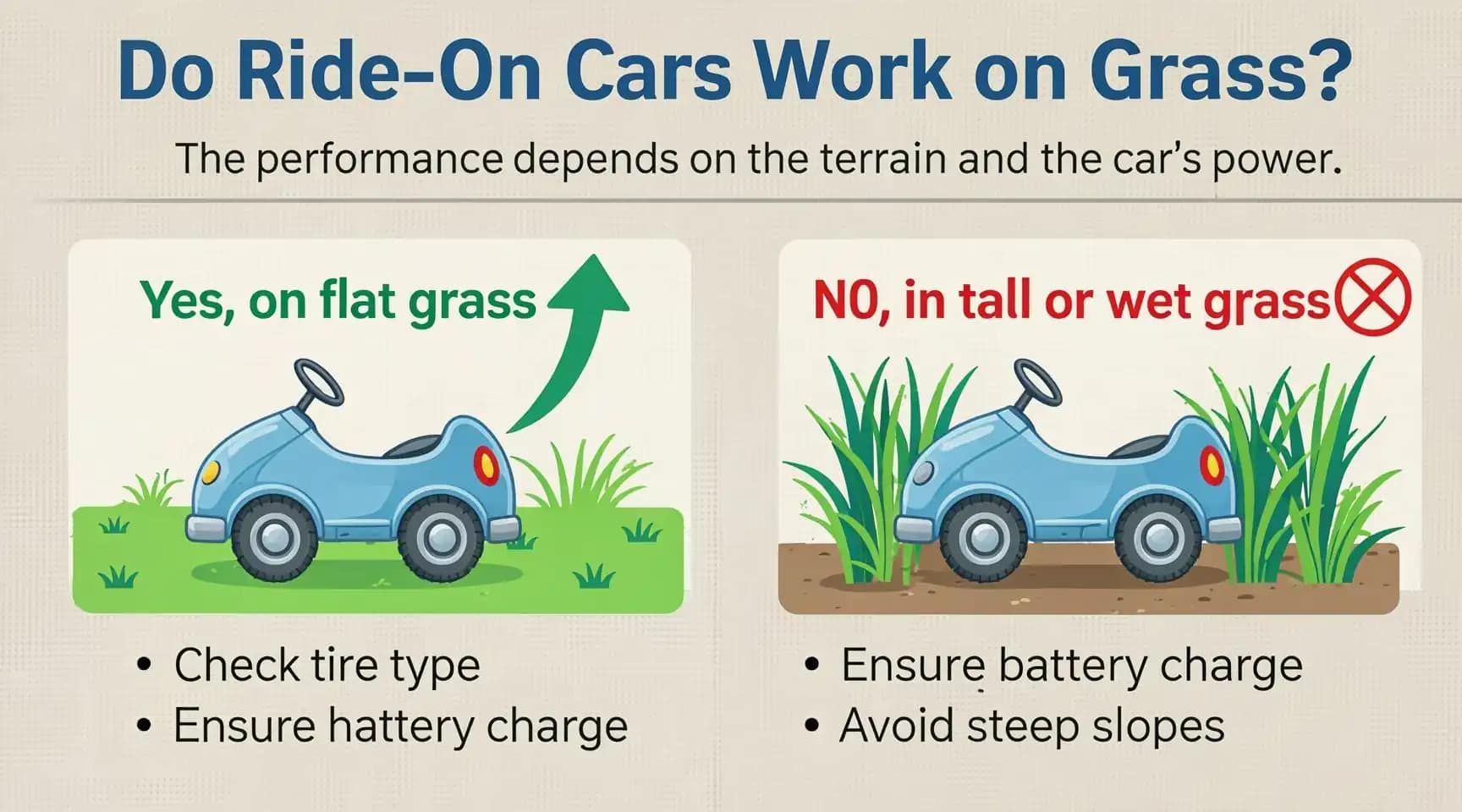
The simple answer is: Yes, ride-on cars can drive on grass. But it depends on some things. Some ride-on cars work better on grass than others. The type of grass and the car’s features matter a lot.

Types Of Grass Surfaces

  • Short, flat grass: Ride-on cars can drive well here.
  • Tall or thick grass: Cars might move slower or get stuck.
  • Wet or muddy grass: It is hard for cars to move and can cause damage.
  • Uneven grass or hills: Some cars may struggle to climb or keep balance.

Features That Help Ride-on Cars Work On Grass

Not all ride-on cars are the same. Some have special parts for grass and rough surfaces.

Feature Why It Helps on Grass
Big Tires Big tires can roll easily over grass and bumps.
Pneumatic (Air-Filled) Tires These tires provide good grip and a smooth ride on grass.
Strong Motor Power A powerful motor helps the car move through thick grass and slopes.
Good Traction Design Tires with deep treads grip grass better and prevent slipping.
Durable Body Strong body parts resist damage from rough surfaces like grass and gravel.
 

How Well Do Ride-On Cars Work on Grass?

Many ride-on cars handle grass well, but not all. Cars with plastic wheels often slip on grass. They work better on smooth surfaces like concrete or pavement.

Cars with air-filled or rubber tires perform better on grass. They provide better grip and comfort. Also, cars with stronger motors climb hills or thick grass easier.

Some ride-on cars are made for off-road use. They can go on grass, dirt, and gravel. These cars are ideal if you have a big yard with uneven terrain.
 
Do Ride-On Cars Work on Grass Discover the Ultimate Guide
Do Ride-On Cars Work on Grass? Discover the Ultimate Guide 4

Tips for Using Ride-On Cars on Grass

Here are some simple tips to help your child enjoy ride-on cars on grass safely:

  • Check the grass: Keep the grass short and flat when possible.
  • Avoid wet grass: Wet or muddy grass can cause slipping and damage the car.
  • Use a car with big or air-filled tires: These tires work best on grass.
  • Charge the battery fully: Driving on grass uses more power than on smooth surfaces.
  • Watch your child: Make sure your child drives safely and avoids steep slopes or holes.
  • Keep the car clean: Grass and dirt can get stuck in wheels and motors.
  • Store the car properly: Keep it in a dry place to avoid damage from moisture.

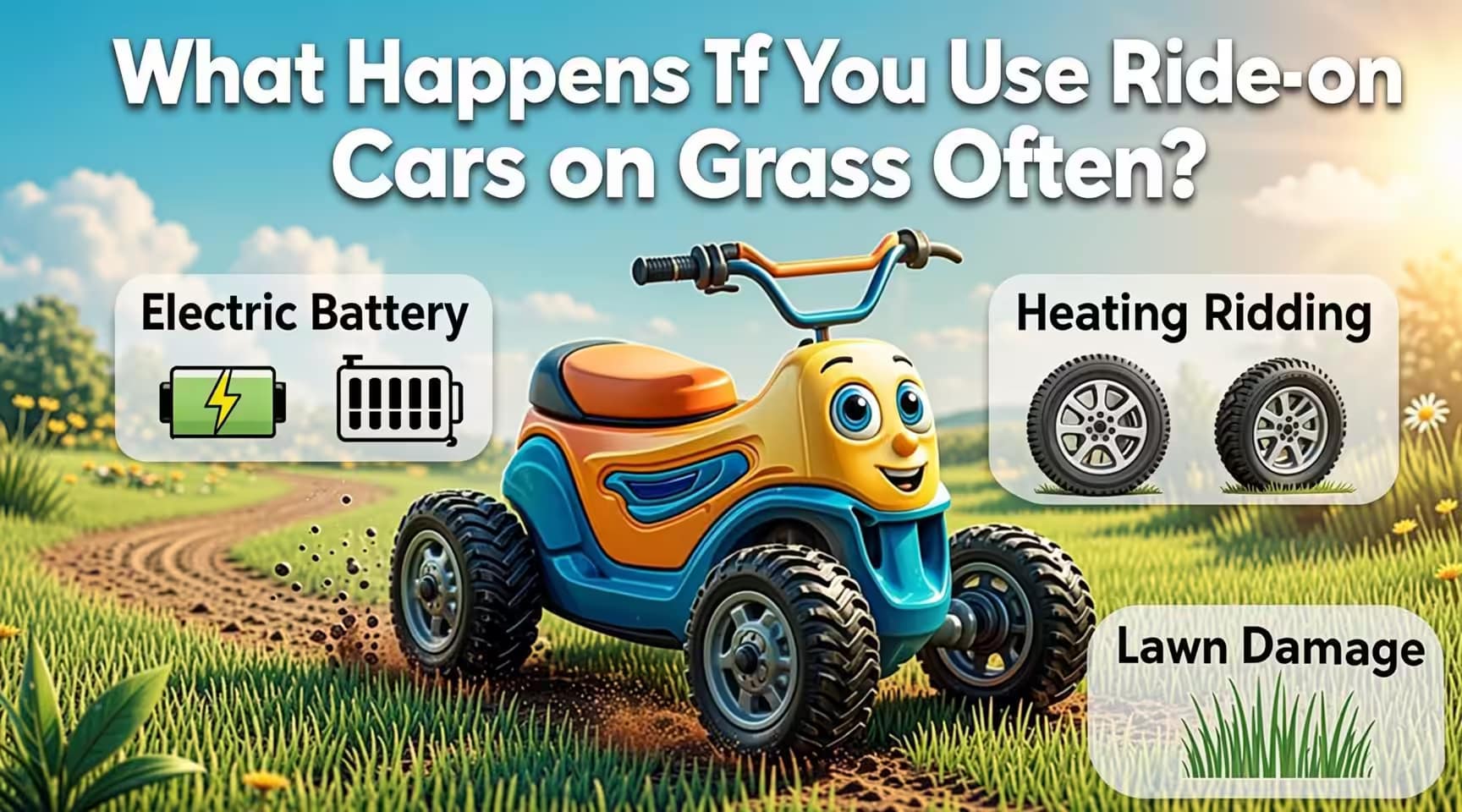
What Happens If You Use Ride-On Cars on Grass Often?

Using a ride-on car on grass often can cause some wear and tear. Grass may get stuck in wheels or the motor. Sometimes, the car may slow down or need more battery power.

However, if the ride-on car is made for off-road use, it will last longer on grass. Regular cleaning and care will also help the car stay in good shape.
Can Ride-On Cars Damage Your Lawn

Ride-On Cars Not Ideal for Grass

Some ride-on cars are best used only on smooth surfaces. These usually have small plastic wheels. They may get stuck or slip a lot on grass.

If you want to use a ride-on car mostly on grass, avoid these models. Look for cars with better tires and stronger motors.

Can Ride-On Cars Damage Your Lawn?

Ride-on cars can leave marks on the grass. Heavy cars or hard tires may press the grass down. This can cause small patches to die or look bad.

To reduce lawn damage:

  • Drive slowly and avoid sharp turns.
  • Use the ride-on car in dry weather.
  • Keep the grass healthy by watering and mowing regularly.
 

Summary: Do Ride-On Cars Work on Grass?

Yes, most ride-on cars can work on grass. But success depends on the car and the grass surface.

Cars with big, air-filled tires and strong motors do best on grass. Flat, dry grass is easier to drive on. Avoid wet, tall, or very uneven grass for best results.

With care and the right car, your child can enjoy ride-on cars on the lawn safely and happily.
Do Ride-On Cars Work on Grass
Do Ride-On Cars Work on Grass? Discover the Ultimate Guide 5

Final Advice

Before buying a ride-on car, think about where your child will use it most. If you have a grassy yard, look for cars built for grass and off-road use.

Always check the car’s features and reviews. Ask the seller if the car works well on grass. This will help you make a smart choice.

Remember, safety is important. Always supervise your child when they drive the ride-on car. Have fun and enjoy outdoor play!

Frequently Asked Questions

Can Power Wheels Be Used On Grass?

Power Wheels can be used on grass, especially on short, even lawns. Models with strong motors and large wheels perform best. Avoid thick, wet, or uneven grass to prevent getting stuck or damaging the toy. Regular maintenance ensures safe and smooth rides on grassy surfaces.

Can You Use Car Ramps On Any Surface?

Car ramps work best on flat, solid surfaces like concrete or asphalt. Avoid using them on soft, uneven ground.

Is It Safe To Use Jack Stands On Grass?

Using jack stands on grass is unsafe due to uneven, soft ground. Always use them on a firm, level surface. Place wooden boards under stands for extra stability if no solid surface is available. Never rely solely on grass to support vehicle weight.

How Long Can A Car Sit On Grass?

A car can sit on grass briefly, ideally under 24-48 hours. Long-term parking risks moisture damage and rust.

Can Ride-on Cars Drive Smoothly On Grass?

Ride-on cars can drive on grass but may move slower than on pavement. Grass texture and thickness affect their speed and traction.

Do All Ride-on Cars Work Well On Grassy Surfaces?

Not all ride-on cars work well on grass. Models with bigger, rugged wheels handle grass better than those with small plastic wheels.

What Wheel Type Is Best For Ride-on Cars On Grass?

Large, rubber tires with deep treads provide better grip and control on grass. Plastic wheels often slip and get stuck.

Can Ride-on Cars Get Stuck On Wet Grass?

Yes, ride-on cars can get stuck on wet or muddy grass. Wet grass reduces traction and may cause wheels to spin without moving.

How Can I Improve Ride-on Car Performance On Grass?

Use ride-on cars with strong motors and wide, textured tires. Keeping grass trimmed short also helps improve movement and control.

Is It Safe For Kids To Use Ride-on Cars On Grass?

Yes, ride-on cars are generally safe on grass if the area is flat and free of obstacles. Always supervise children during play.


Can a 2-Year-Old Use an Electric Ride-On Car Safety Tips & Benefits

Can a 2-Year-Old Use an Electric Ride-On Car? Safety Tips & Benefits

What Are Electric Ride-On Cars?

Electric ride-on cars are small vehicles for kids. They run on batteries. Kids can sit in them and drive around. These cars look like real cars. Some have doors, lights, and sounds. They are fun toys that help children learn to move and control a car.

 
Can a 2-Year-Old Use an Electric Ride-On Car Safety Tips & Benefits
Can a 2-Year-Old Use an Electric Ride-On Car? Safety Tips & Benefits 9

At What Age Can Kids Use Electric Ride-On Cars?

Usually, electric ride-on cars are for kids 3 years old and above. But some models are made for younger children. These smaller cars have low speed and simple controls. For 2-year-olds, it is best to choose cars that are made for toddlers.

Many experts say that children under 2 years old should not use electric cars alone. Their muscles and balance are not strong enough yet. But some 2-year-olds may be ready with help from parents.

What to Check Before Letting a 2-Year-Old Use an Electric Ride-On Car

Safety is the most important. Before buying or using a ride-on car, check these things:

  • Voltage: Low voltage means slower speed. For toddlers, 6 volts or less is best.
  • Weight Limit: Each car has a maximum weight. Make sure your child fits within the limit.
  • Parental Controls: Many cars have remote controls. Parents can stop or steer the car. This is good for toddlers who are learning.
  • Speed: Slow speed is safer. Look for cars that go no faster than 2-3 miles per hour.
  • Size: The car should be small enough for your child to reach pedals and steering wheel easily.

Benefits of Electric Ride-On Cars for 2-Year-Olds

Electric ride-on cars are not just fun. They can help children in many ways. Here are some benefits:

  • Improves Motor Skills: Driving helps kids use their hands and feet together.
  • Boosts Confidence: Kids feel proud when they can drive a car by themselves.
  • Encourages Outdoor Play: Ride-on cars get kids outside and moving.
  • Teaches Cause and Effect: Kids learn that pressing pedals makes the car move.

Risks and Safety Tips for 2-Year-Olds Using Electric Ride-On Cars

Electric ride-on cars are fun, but they can be dangerous if not used properly. Toddlers need extra care. Here are some safety tips:

  • Always Supervise: Never leave your child alone in the car.
  • Use Parental Remote: If the car has a remote, keep it with you.
  • Wear Safety Gear: Use a helmet and knee pads to protect your child.
  • Choose Safe Areas: Use the car on flat, smooth surfaces away from roads and stairs.
  • Follow Weight Limits: Do not let your child ride if they are heavier than the car’s limit.
  • Check the Car: Inspect the car for any damage before use.
Risks and Safety Tips for 2-Year-Olds Using Electric Ride-On Cars
Can a 2-Year-Old Use an Electric Ride-On Car? Safety Tips & Benefits 10
 

How to Help Your 2-Year-Old Start Using an Electric Ride-On Car

Some 2-year-olds can use electric cars with help. Here are steps to help your child start safely:

  1. Start Slow: Let your child sit in the car while it is off.
  2. Explain Controls: Show how the pedals and steering wheel work.
  3. Use Parental Remote: Use the remote to control the car at first.
  4. Practice in Safe Spaces: Drive slowly on soft grass or flat floors.
  5. Encourage and Praise: Give your child positive words to build confidence.
  6. Limit Time: Keep rides short to avoid tiredness.

Choosing the Right Electric Ride-On Car for a 2-Year-Old

Not all cars are good for toddlers. Use this table to compare features:

FeatureWhat to Look ForWhy It Matters
Voltage6V or lessSlower speed, safer for toddlers
Weight Limit20-40 lbs (9-18 kg)Fits toddler size and strength
Parental Remote ControlYesAllows parents to control car
Speed2-3 mph (3-5 km/h)Prevents accidents from fast driving
SizeSmall, easy to reach pedalsMakes driving easier for toddlers
Safety FeaturesSeat belts, stable wheelsIncreases safety during use

Signs Your 2-Year-Old Is Ready for an Electric Ride-On Car

Every child is different. Watch for these signs to know if your toddler can use a ride-on car:

  • Can sit and stay balanced for a few minutes
  • Understands simple instructions like “stop” and “go”
  • Shows interest in pushing buttons and steering
  • Can move feet to press pedals
  • Is calm and not easily scared by new toys

When to Wait Before Using an Electric Ride-On Car

If your child does not show these signs, wait. They may not be ready yet. Riding too soon can be unsafe. It is better to wait and try again later.

 
When to Wait Before Using an Electric Ride-On Car
Can a 2-Year-Old Use an Electric Ride-On Car? Safety Tips & Benefits 11

Other Good Ride-On Options for 2-Year-Olds

If an electric car is not right now, consider other ride-on toys. Some options are:

  • Push Cars: Kids use their feet to move. No batteries needed.
  • Parent-Powered Ride-Ons: Parents push or pull the car.
  • Balance Bikes: Small bikes without pedals to help balance.

These options help toddlers learn to move safely before using electric cars.

Frequently Asked Questions

Can A 2 Year Old Drive An Electric Car?

A 2-year-old can drive an electric car designed for toddlers. Ensure it has parental controls and fits their size. Safety and weight limits matter most. Choose slow speeds and simple features for their skill level. Always supervise to prevent accidents.

What Age Can Kids Ride-on Electric Cars?

Kids can start using ride-on electric cars around age 1 to 2, depending on size and skill. Choose models with parental controls for toddlers. Always match the car’s weight limit and features to your child’s age and abilities for safe, enjoyable play.

What Is The Safest Way For A 2 Year Old To Ride In A Car?

The safest way for a 2-year-old to ride in a car is using a rear-facing convertible car seat. Keep the child rear-facing until reaching the seat’s height or weight limit. Ensure the seat is properly installed and secured for maximum protection.

Can A 2 Year Old Use An Electric Toothbrush?

Yes, a 2-year-old can use an electric toothbrush designed for toddlers. Choose soft bristles and small brush heads. Always supervise brushing to ensure safety and proper use. Electric toothbrushes help improve oral hygiene and make brushing fun for young children.

Can A 2-year-old Safely Use An Electric Ride-on Car?

Yes, a 2-year-old can use an electric ride-on car if it has safety features like seat belts and parental controls. Choose models designed for toddlers with low speed and easy steering.

What Safety Features Should A Toddler’s Ride-on Car Have?

Essential safety features include seat belts, parental remote control, and speed limiters. These help parents control the car and keep toddlers safe.

What Is The Ideal Speed For A 2-year-old’s Ride-on Car?

The ideal speed should be under 3 mph. Slow speeds prevent accidents and allow toddlers to learn to control the car easily.

How Do I Choose The Right Size Ride-on Car For My Toddler?

Match the car’s weight limit and seat size to your child’s size. A car too big or small can be unsafe and uncomfortable.

Can Toddlers Steer Electric Ride-on Cars By Themselves?

Many toddler ride-ons have simple steering wheels for easy control. Some models also offer remote parental control for extra safety.

How Long Can A 2-year-old Safely Ride An Electric Car?

Limit rides to 15-20 minutes to avoid fatigue and maintain focus. Always supervise the child during playtime.

Conclusion

Can a 2-year-old use an electric ride-on car? The answer is: sometimes. It depends on the child and the car. Many 2-year-olds can enjoy small, slow cars with parent help. Safety must always come first. Use parental controls and wear helmets. Choose the right car size and speed. Watch your child closely during play. If unsure, wait a little longer or try push toys first.

Electric ride-on cars can be fun and good for learning. But they must be used with care. Follow the tips here to keep your toddler safe and happy. With the right steps, your child can enjoy the ride safely.


Can a 5 Year Old Ride on a Motorcycle Safety Tips & Legal Rules

Can a 5 Year Old Ride on a Motorcycle: Safety Tips & Legal Rules

Are you wondering if your 5-year-old can safely ride on a motorcycle with you? It’s a question many parents and riders ask, and the answer isn’t as simple as you might think.

You want to keep your child safe while sharing the thrill of the ride, but laws and safety guidelines vary depending on where you live. Plus, the right equipment and your child’s ability to handle the experience are crucial. You’ll discover what the rules say, what safety measures you must take, and how to decide if your little one is truly ready to hop on the back of your bike.

Keep reading to learn everything you need to know before taking that exciting first ride together.

Legal Age Requirements

The law about a child riding on a motorcycle varies by location. There is no universal age limit. Some states set a minimum age, others focus on safety conditions.

Understanding these rules helps keep children safe and riders legal. Knowing the legal age requirements is important before allowing a child to ride.

Key Factors & Requirements

Many states require the child to reach the footrests. The child must wear a proper helmet approved by law. The child should sit with one leg on each side of the bike. Riders must ensure the child understands safety and risks involved.

State-specific Examples

California bans children under 8 from riding as passengers. New York has no set minimum age but emphasizes safety. Texas requires the rider to ensure the child’s safety and compliance with rules.

Safety Considerations

The child’s weight must not affect bike control. Proper clothing includes long pants, sturdy shoes, gloves, and eye protection. The rider is responsible for all safety and legal matters.

State-by-state Variations

Motorcycle passenger laws for young children differ across the United States.

Each state sets its own rules about the minimum age and safety requirements.

Understanding these differences is important before allowing a 5-year-old to ride.

California

Children under 8 years old cannot legally ride as motorcycle passengers.

Even at 8, kids must meet height and weight rules to ride safely.

These rules depend on the motorcycle’s design and safety features.

New York

No specific minimum age exists for motorcycle passengers.

Safety and the child’s understanding of risks are the main concerns.

The child must be able to reach foot pegs and wear a helmet.

Texas

Texas law does not specify a minimum age for motorcycle passengers.

Riders must ensure the child’s safety and follow general traffic rules.

Parents should check local regulations before allowing a young child to ride.

Other States

Many states require children to reach foot pegs before riding.

Most states demand helmets and proper protective gear for child passengers.

Some states have weight or height limits for child motorcycle passengers.

Foot Peg And Seating Rules

Foot pegs must be reachable for a child to ride safely on a motorcycle. Proper seating requires the child to sit with one leg on each side. Helmets and safe riding habits are essential for young passengers.

Foot Peg Requirements For Young Passengers

Foot pegs are essential for passenger safety on motorcycles. A child must reach the foot pegs comfortably while seated. If their feet dangle, they cannot balance properly. This increases the risk of accidents. For a 5 year old, foot peg reach is often a major limiting factor. Most motorcycles have foot pegs designed for adult or older teen passengers. Some bikes offer adjustable or lower foot pegs. These can help younger riders sit safely. Without proper foot support, a child cannot hold on or brace themselves well. Always check if your child’s feet touch the pegs firmly before riding.

Seating Position And Stability

Correct seating is crucial for safety and control. A child should sit with one leg on each side of the seat. This position helps maintain balance during the ride. The passenger seat must be wide and stable enough for a small child. Many motorcycles have slim or narrow seats not suited for young kids. Some bikes offer larger passenger seats or child-specific accessories. These improve stability and comfort. The child must be able to sit upright without slipping or sliding. Always ensure the seating position allows the child to hold onto the rider or grab handles securely.

Legal And Safety Considerations

Many states do not set a strict minimum age for motorcycle passengers. Instead, safety rules focus on foot peg reach and proper seating. The rider is responsible for ensuring the child meets these requirements. Wearing a proper helmet and protective gear is mandatory. The child must understand basic safety rules and sit still during the ride. Parents should always check local laws before letting a 5 year old ride. Safety depends on the child’s size, maturity, and bike type. Never risk riding if the child cannot meet foot peg or seating rules fully.

Helmet Standards For Kids

Choosing the right helmet is the first step to protect a child on a motorcycle. Helmet standards for kids focus on safety, fit, and comfort. These standards ensure helmets can absorb impact and reduce injury risks.

Parents should select helmets that meet strict safety certifications. Proper certification guarantees the helmet passed tests for impact resistance and retention. These tests help keep the child’s head safe in case of an accident.

Helmet Standards For Kids
Can a 5 Year Old Ride on a Motorcycle: Safety Tips & Legal Rules 15

Understanding Helmet Certifications

Look for helmets with certifications like DOT, ECE, or Snell. DOT is a U.S. government standard that ensures basic safety. ECE is a European standard, often considered more rigorous. Snell certification is a voluntary test that goes beyond DOT and ECE requirements.

Choosing The Right Helmet Size

A helmet must fit snugly without causing discomfort. Measure your child’s head circumference to find the correct size. Too loose or too tight helmets can reduce protection. A well-fitted helmet stays in place during a ride.

Helmet Features For Kids

Pick helmets designed specifically for children. These helmets are lighter and have more padding. Ventilation helps keep the child cool and comfortable. Bright colors and fun designs can encourage kids to wear helmets willingly.

Child’s Physical Readiness

Assessing a child’s physical readiness is essential before allowing them to ride on a motorcycle. Young children must have the strength and size to hold on safely. Their ability to maintain balance and follow instructions plays a key role in safe riding.

Physical readiness also includes the child’s ability to reach the foot pegs properly. Without this, they cannot stabilize themselves during the ride. A child who cannot sit comfortably or securely increases the risk of accidents.

Height And Weight Requirements

A child must be tall enough to reach the foot pegs with both feet. This provides stability and prevents the feet from dragging on the road. Weight matters too; a very light child might struggle to stay balanced on the motorcycle.

Grip Strength And Coordination

Strong arms and hands help the child hold onto the rider or the motorcycle’s handles. Coordination is important for adjusting posture during turns or sudden stops. Without these skills, the child may slip or lose balance.

Ability To Follow Safety Instructions

Children must understand and obey safety rules. They should know to keep still and hold on tight. Listening carefully to the rider’s instructions reduces the risk of injury during the ride.

Can a 5 Year Old Ride on a Motorcycle: Safety Tips & Legal Rules
Can a 5 Year Old Ride on a Motorcycle: Safety Tips & Legal Rules 16

Essential Safety Gear

Riding a motorcycle with a 5-year-old demands strict attention to safety. Essential safety gear protects young passengers from serious injuries in case of an accident. Proper equipment reduces risks and ensures a safer ride for your child.

Choosing the right gear is crucial for comfort and protection. Each piece serves a specific purpose to shield the child from harm and harsh weather. Parents and riders must prioritize safety above all else.

Helmet

A well-fitting helmet is the most important safety gear. It must be designed for children and approved by safety standards. The helmet protects the head from impacts and should have a secure strap to keep it in place.

Protective Clothing

Long sleeves and pants made of durable material shield the skin from scrapes. Clothing should cover arms and legs completely. Avoid loose fabrics that can get caught in the bike’s parts.

Gloves

Gloves protect small hands from cuts and cold wind. They also improve grip on the rider or bike handles. Choose gloves that fit well and provide good mobility.

Footwear

Sturdy shoes or boots that cover the ankles are essential. They protect feet from heat, debris, and injury. Avoid sandals or open-toed shoes for motorcycle rides.

Eye Protection

Goggles or a helmet with a visor keep dust, bugs, and wind out of the eyes. Clear vision helps the child stay calm and aware during the ride. Ensure the eye protection fits comfortably and securely.

Rider’s Responsibilities

Riders must ensure young passengers can safely reach footrests and wear approved helmets. Understanding the child’s ability to hold on and stay balanced is essential. Following local laws and prioritizing safety helps protect both rider and child.

Understanding The Rider’s Role

The rider holds the main responsibility for safety on a motorcycle. Carrying a child as young as five demands extra care. The rider must ensure the child is secure and comfortable throughout the ride. The rider’s actions directly affect the child’s safety.

Focus on controlling the bike smoothly. Sudden moves can frighten or unbalance a young passenger. The rider should keep speed moderate and avoid sharp turns or quick stops. Awareness of road conditions is crucial. Always plan to ride safely for both.

Ensuring Proper Safety Gear

The rider must provide the child with proper safety gear. A helmet that fits well is essential. The helmet should meet safety standards and cover the child’s head fully. Protective clothing is important too. Long pants, gloves, and closed shoes help protect the child.

Safety gear reduces the risk of injury in case of accidents. The rider should check that all gear fits properly before starting the ride. Never carry a child without full safety equipment.

Maintaining Correct Seating And Position

The child must sit safely on the motorcycle. The rider should make sure the child can reach the footpegs easily. Proper seating means the child sits with one leg on each side of the bike. The rider must help the child hold on securely.

Many motorcycles have passenger handles or grips. The rider should teach the child to hold these tightly. A secure seating position prevents the child from slipping or losing balance.

Evaluating The Child’s Readiness

The rider must judge if the child is ready to ride. The child should understand basic safety rules. They need to stay still and listen during the ride. Fear or restlessness can cause dangerous distractions.

Observe the child’s behavior before and during the ride. Stop if the child feels scared or uncomfortable. The rider must prioritize the child’s emotional and physical readiness.

Following Legal And Safety Regulations

The rider must know and follow local laws about child passengers. Some states have age or height limits for motorcycle passengers. The rider should check these rules before riding with a child.

Legal compliance protects both the rider and the child. The rider remains responsible for ensuring the child’s safety on the road. Ignoring laws can result in fines or accidents.

Motorcycle Size And Weight Limits

Motorcycle size and weight limits play a vital role in deciding if a 5 year old can safely ride on a motorcycle. The bike must suit the child’s small frame and weight. Choosing the right size motorcycle ensures comfort and safety for young passengers.

Large or heavy motorcycles can be hard to balance with a child onboard. The child must sit securely and reach the footrests without strain. Bikes designed for smaller riders often have lower seats and lighter frames.

Importance Of Motorcycle Size For Young Passengers

A motorcycle that is too big can make riding unsafe for a child. The child should easily reach the footpegs and hold on firmly. Proper seating helps the child stay stable during the ride.

Weight Limits And Balance On The Bike

The combined weight of the rider and child affects the motorcycle’s handling. Exceeding weight limits can reduce control and increase risks. Lightweight motorcycles provide better balance with a small passenger.

Adjusting For Child’s Height And Reach

The child must be able to place both feet on the footrests. This helps the child feel secure and maintain balance. If the child’s legs dangle, the ride can become uncomfortable and unsafe.

Choosing The Right Motorcycle For A 5 Year Old

Look for motorcycles with a low seat height and narrow frame. Smaller bikes designed for youth riders work best. Proper gear like helmets and protective clothing is essential for safety.

Preparing Your Child For The Ride

Getting your child ready to ride on a motorcycle takes careful steps. Safety is the top priority. Your child needs to feel calm and understand the basics of riding. Preparing well helps make the ride enjoyable and safe for both of you.

Start by talking to your child about what to expect. Explain the sounds, movements, and how to sit properly. This builds their confidence and reduces fear.

Choosing The Right Safety Gear

Proper safety gear protects your child from injuries. A well-fitting helmet is a must. It should meet safety standards and fit snugly.

Besides a helmet, use gloves, long pants, and sturdy shoes that cover the ankles. Eye protection, like goggles or a visor, keeps dirt and bugs away.

Teaching Proper Riding Posture

Show your child how to sit with both feet on the footpegs. They should keep one leg on each side of the motorcycle. Holding onto you or the bike’s handles is important for balance.

Practice sitting still on the bike before starting. This helps your child get used to the position and feel stable.

Explaining Safety Rules

Talk about the need to stay still and not distract the rider. Teach your child to keep their head down and avoid sudden moves.

Explain the importance of listening carefully and following your instructions during the ride. This keeps both of you safe.


Common Risks And Hazards

Riding a motorcycle with a 5-year-old passenger involves several risks. These hazards can affect the child’s safety and the rider’s control. Understanding common dangers helps prevent accidents and injuries. Safety must be the top priority for both rider and child.

Balance And Stability Issues

A young child cannot help maintain balance on a moving motorcycle. Their small size makes it harder to stay steady during turns or sudden stops. This instability increases the chance of falling or losing control of the bike.

Inadequate Protective Gear

Proper safety gear is essential for motorcycle passengers. Many helmets and protective clothes are not designed for very young children. Ill-fitting gear fails to protect the child properly in case of a crash or fall.

Limited Physical Strength And Grip

Five-year-olds lack the strength to hold on tightly. Their weak grip can cause them to slip off the seat easily. This risk is higher on bumpy or fast rides where sudden movements happen.

Distraction To The Rider

A child passenger may distract the rider by moving or making noise. Such distractions can reduce the rider’s focus on the road. Loss of concentration increases the risk of accidents.

Legal And Regulatory Concerns

Many places have laws against carrying very young children on motorcycles. These rules exist to protect children from harm. Breaking these laws can result in fines and legal trouble for the rider.

Tips For Safe Riding With Kids

Riding a motorcycle with kids requires extra care and attention. Safety must be the top priority. Following simple tips helps protect your child and makes the ride enjoyable for both.

Children are more vulnerable during motorcycle rides. Proper preparation and equipment reduce risks. Every ride should focus on comfort and security for the child passenger.

Use Proper Safety Gear

Always equip your child with a well-fitting helmet approved by safety standards. Choose helmets designed for children to ensure a secure fit. Dress your child in long pants, a jacket, gloves, and sturdy shoes. Protective gear shields from wind, debris, and possible falls.

Check The Motorcycle’s Setup

Ensure your motorcycle has a passenger seat suitable for a child. The child must sit with one leg on each side. Footrests should be within easy reach to provide stability. Confirm the bike can handle extra weight safely.

Start With Short, Slow Rides

Begin riding in quiet areas at low speeds. Keep trips brief to help your child get used to the motion. Gradually increase ride length and speed as your child gains confidence.

Teach Basic Riding Safety

Explain the importance of holding on firmly to the rider or bike handles. Teach your child to stay still and avoid sudden movements. Discuss why helmets and protective gear are necessary.

Always Ride Responsibly

Stay alert and avoid risky maneuvers. Choose safe routes with less traffic and smooth roads. Never ride under the influence of alcohol or drugs. Your calm and careful riding protects your child.

Can a 5 Year Old Ride on a Motorcycle: Safety Tips & Legal Rules
Can a 5 Year Old Ride on a Motorcycle: Safety Tips & Legal Rules 17

Frequently Asked Questions

Can You Take A 5 Year Old On A Motorbike?

A 5-year-old can ride on a motorbike if they reach the footpegs, wear a certified helmet, and the bike has a proper passenger seat. Check local laws, as age and safety requirements vary by state. Always prioritize the child’s safety and rider responsibility.

Is It Good For A 5 Year Old To Be Bike Riding?

Yes, a 5-year-old can bike ride with proper supervision, safety gear, and a suitable bike size. Ensure helmets and safe areas.

What Age Can A Kid Ride With You On A Motorcycle?

Children can ride on a motorcycle if they can reach footpegs, wear an approved helmet, and meet state laws. In Texas, kids must be at least five years old. Always prioritize safety, proper seating, and protective gear before riding with a child passenger.

What Is The Youngest Age A Child Can Ride On A Motorcycle?

The youngest age a child can ride on a motorcycle varies by state. Generally, children must reach foot pegs and wear approved helmets. In Texas, the minimum age is five years. Always follow local laws and prioritize safety.

Can A 5 Year Old Legally Ride On A Motorcycle?

Laws vary by state, but many require children to be older or meet size limits. Always check local rules before riding with a young child.

What Safety Gear Should A 5 Year Old Wear On A Motorcycle?

A properly fitting helmet, long pants, sturdy shoes, gloves, and eye protection are essential. These protect the child from injuries during the ride.

Is A 5 Year Old Physically Ready To Ride A Motorcycle?

The child must reach foot pegs and hold on securely. Balance and maturity are important for safety during the ride.

Are There Age Restrictions For Motorcycle Passengers In Texas?

Texas does not have a specific minimum age, but safety and equipment rules apply. Parents must ensure the child is safe and comfortable.

How Can Parents Ensure A 5 Year Old’s Safety On A Motorcycle?

Use proper safety gear, check the bike’s passenger seat, and ride slowly. Constant supervision and careful riding reduce risks.

What Are The Key Risks Of Letting A 5 Year Old Ride On Motorcycles?

Falls, poor balance, and lack of understanding are common risks. Using safety gear and careful riding helps minimize these dangers.

Conclusion

A 5-year-old riding on a motorcycle needs careful thought. Safety gear and proper seating matter most. The child must reach footrests and wear a helmet. Laws differ by state, so always check local rules. The rider must watch the child’s comfort and behavior.

Riding with young kids carries risks that cannot be ignored. Keeping rides short and calm helps protect little passengers. Prioritize safety over fun to avoid accidents and injuries. A responsible approach ensures a safer experience for both.

How to Teach a 5 Year Old to Ride a Dirt Bike Easy Steps for Success

How to Teach a 5 Year Old to Ride a Dirt Bike: Easy Steps for Success

Teaching your 5-year-old to ride a dirt bike can be an exciting and rewarding experience—but it also comes with important challenges. You want your child to have fun, feel confident, and most importantly, stay safe.

If you’re wondering where to start or how to keep your little rider motivated and secure, you’re in the right place. This guide breaks down simple, effective steps that help your child learn at their own pace, build essential skills, and enjoy every moment on the bike.

Ready to make those first rides smooth and memorable? Let’s dive in.

How to Teach a 5 Year Old to Ride a Dirt Bike Easy Steps for Success
How to Teach a 5 Year Old to Ride a Dirt Bike: Easy Steps for Success 20

Choosing The Right Dirt Bike

Choosing the right dirt bike for a 5 year old sets the foundation for a safe and fun riding experience. The bike must fit the child’s size and skill level perfectly. It should be easy to control and not too powerful. The right choice helps build confidence and encourages learning. Two main points to consider are the bike’s size and fit, and whether to choose electric or gas models.

Size And Fit

The dirt bike must match the child’s height and strength. A bike too big or too small can cause accidents. The child should sit on the bike with both feet touching the ground. This provides balance and control. The seat height is important. Aim for a seat height about 18 inches or less for most 5 year olds. Check the bike’s weight too. It should be light enough for the child to handle easily.

Small handlebars and easy-to-reach controls make riding simple. Test the bike’s throttle and brakes to ensure the child can use them safely. A well-fitting bike helps the child learn faster and enjoy riding more.

Electric Vs Gas Bikes

Electric dirt bikes are quiet and easy to start. They have no gears and offer smooth power delivery. This helps beginners focus on balance and steering. Electric bikes need less maintenance and no fuel. They are good for short rides and practice.

Gas dirt bikes have more power and longer riding time. They teach kids about shifting gears and controlling the engine. Gas bikes are heavier and louder. They require regular maintenance and fuel. Choose gas bikes if the child is ready for more advanced riding skills.

Both types have pros and cons. Think about the child’s skill, patience, and the riding environment before deciding. Safety gear is a must with either choice.

Essential Safety Gear

Teaching a 5 year old to ride a dirt bike needs strong focus on safety. Essential safety gear protects your child from injuries. It also builds confidence while riding. Choosing the right gear is very important. Every item must fit well and be comfortable. Proper gear reduces risks and keeps your child safe on the track.

Helmet And Gloves

A good helmet is the most important safety item. It protects the head during falls or crashes. Choose a helmet made for dirt biking. It should fit snugly without being too tight. Look for helmets with proper ventilation. This keeps your child cool during rides. Gloves protect the hands from scrapes and blisters. They also improve grip on the handlebars. Select gloves with padding and a strong grip surface. Make sure gloves are not too big or loose.

Protective Clothing

Protective clothing shields your child’s body from cuts and bruises. Long sleeves and pants made of tough material work best. Look for dirt bike gear with extra padding on elbows and knees. This padding absorbs shocks from falls. Boots designed for dirt biking protect feet and ankles. They offer good support and prevent twisting injuries. Bright colors improve visibility on the track. Dress your child in layers for comfort in different weather conditions.

Preparing Your Child

Preparing your child to ride a dirt bike is an important first step. It helps ensure safety and a positive learning experience. Taking time to prepare builds a strong foundation for riding skills and enjoyment.

Focus on your child’s physical and emotional readiness. This stage sets the tone for how well they will learn and grow as a rider.

Assessing Readiness

Check your child’s balance and coordination. These skills are key for controlling the bike. Notice if they can follow simple instructions well. Attention span matters for safety and learning.

Look for signs of physical strength. Can your child handle the bike’s weight? Small bikes that fit well make riding easier. Feet should touch the ground comfortably when seated.

Consider your child’s interest and excitement. A willing and curious child learns faster. Avoid forcing them if they seem scared or uninterested.

Building Confidence

Start with slow, fun activities to build comfort. Let your child sit on the bike while it is off. Show them how the controls work. Practice pushing the bike gently before turning on the engine.

Use praise and encouragement often. Celebrate small successes like balancing or using the brakes. Confidence grows with each positive moment.

Be patient and keep lessons short. Too much pressure can cause frustration. Let your child take breaks and enjoy the process.

How to Teach a 5 Year Old to Ride a Dirt Bike: Easy Steps for Success
How to Teach a 5 Year Old to Ride a Dirt Bike: Easy Steps for Success 21

Starting With Balance And Control

Starting a 5-year-old on a dirt bike begins with teaching balance and control. These skills form the foundation for safe and confident riding. Without good balance, the child will struggle to handle the bike and enjoy the experience. Developing control helps the child feel comfortable and reduces the risk of falls. Focus on simple steps that build these abilities slowly and steadily.

Using A Balance Bike

A balance bike is a small bike without pedals. It helps kids learn to balance on two wheels. The child uses their feet to push and stop. This builds confidence in staying upright. Let the child practice on flat, smooth surfaces. Encourage them to glide and lift their feet for longer periods. This practice improves their core strength and balance before moving to a dirt bike.

Practicing Basic Controls

Introduce the dirt bike’s basic controls without starting the engine. Teach how to use the brakes gently. Show how to turn the handlebars smoothly. Let the child sit on the bike and get familiar with its weight. Practice walking the bike while holding the throttle and brake. This helps the child understand how each control affects the bike’s movement. Keep sessions short and fun to maintain interest and focus.

Teaching Throttle And Brakes

Teaching throttle and brakes is essential for any child learning to ride a dirt bike. These controls help the rider manage speed and stop safely. Introducing these skills early builds confidence and control. Start slow and keep practice sessions short and fun. Focus on clear, simple instructions and hands-on demonstrations. Safety gear is a must during every practice.

Throttle Control

Begin by explaining the throttle as the bike’s speed control. Show how twisting the handle makes the bike go faster or slower. Let the child practice twisting the throttle gently while the bike is off. Next, start the engine and practice small throttle movements. Encourage smooth and gradual twisting to avoid sudden bursts of speed. Use a flat, open area for this practice. Praise every small success to boost confidence.

Brake Practice

Introduce brakes as the way to stop the bike safely. Show the child the front and rear brake controls. Let them squeeze the brake levers slowly while the bike is off. Practice pressing the brakes gently to feel how they work. Start riding at a slow pace, then use the brakes to stop smoothly. Teach the child to use both brakes together for better control. Repeat this exercise until stopping feels natural and easy.

Mastering Riding Position

Teaching a 5 year old to ride a dirt bike starts with the right riding position. A solid stance helps the child stay balanced and safe. It also builds confidence on the bike. Focus on simple steps to guide your young rider.

Proper Stance

Help your child stand with feet shoulder-width apart on the footpegs. Knees should be slightly bent, not locked. This stance helps absorb bumps and keeps the rider steady. The child’s head should be up, looking forward, not down at the ground. Hands must grip the handlebars gently but firmly. Teach them to keep elbows up and relaxed. This posture improves control and comfort during the ride.

Body Movement

Show your child how to lean slightly forward while riding. This helps keep the front wheel steady and improves balance. Encourage small shifts in body weight to steer and react to the terrain. The rider’s upper body should move with the bike, not against it. Teach them to use their legs as shock absorbers by bending knees on rough surfaces. Simple body movements make riding easier and more fun for a young beginner.

Choosing The Right Practice Area

Choosing the right practice area is key when teaching a 5 year old to ride a dirt bike. The space must be safe and suitable for beginners. It should offer enough room for the child to move freely and build confidence. A good practice area helps avoid accidents and keeps the learning process fun. Below are important points to consider when selecting the place to practice.

Open And Flat Spaces

Choose a place with plenty of open space. Flat ground is best for young riders. It gives more control and less chance of falls. Avoid hills and steep slopes at the start. Open spaces also allow the child to ride in different directions. This helps develop balance and steering skills.

Avoiding Hazards

Look carefully for any hazards in the area. Remove rocks, sticks, and debris that could cause falls. Keep away from roads, water, and fences. Avoid areas with animals or heavy foot traffic. The practice area should feel safe and calm. This reduces fear and distractions for the child.

Step-by-step Riding Lessons

Teaching a 5-year-old to ride a dirt bike requires patience and clear steps. Breaking down the process makes learning fun and safe. Step-by-step lessons help kids gain confidence and control. Focus on simple actions and keep each session short. This approach builds skills without overwhelming the child.

Starting The Engine

Show your child the dirt bike’s parts first. Point out the throttle, brakes, and kill switch. Explain how the engine starts. Help them press the start button or pull the starter cord. Let them hear the engine run. Practice this several times until they feel comfortable. Always keep the bike in neutral before starting. Teach them to turn off the engine safely after each try.

First Rides

Begin rides in a flat, open area. Keep the speed very low and steady. Hold the bike gently to support balance. Encourage the child to use the throttle slowly. Let them practice stopping with the brakes. Guide them through turning left and right gently. Praise every small success to build confidence. Short rides keep their focus and excitement high.

Using Training Wheels And Supports

Using training wheels and supports helps young riders gain confidence. It makes the learning process safer and less scary. Training wheels provide balance while children learn to control the bike. Supports can include handlebar grips or a push bar held by an adult. These tools build stability and improve coordination before riding solo.

When To Use Training Wheels

Training wheels are best for beginners who cannot balance yet. A 5-year-old new to dirt biking often needs extra help. Start with training wheels on flat, open ground for safety. They prevent falls and build trust in handling the bike. Use training wheels until the child can steer and brake comfortably. Watching their confidence grow is rewarding and encourages practice.

Gradual Removal

Remove training wheels step by step, not all at once. Begin by raising the training wheels slightly to let the bike lean. This teaches balance while still offering support. Next, try short rides without training wheels but with an adult nearby. Let the child practice stopping and turning on their own. Gradually increase solo riding time as skills improve. This slow process helps children stay safe and enjoy dirt biking.

Encouraging Consistent Practice

Encouraging consistent practice is key to helping a 5-year-old learn to ride a dirt bike. Regular practice builds confidence and improves skills over time. Young children benefit from frequent, focused sessions that fit their attention span. Making practice enjoyable keeps them excited and eager to ride again. Establishing a routine helps create good habits early on.

Short Sessions

Keep practice sessions brief to match your child’s energy. Aim for 10 to 15 minutes at a time. Short sessions prevent frustration and tiredness. Frequent breaks help maintain their interest and focus. Gradually increase session length as skills improve and stamina builds. Consistency beats long, rare sessions for steady progress.

Positive Reinforcement

Use praise and encouragement to motivate your child. Celebrate small wins to boost their confidence. Compliment effort, not just results, to build a growth mindset. Offer gentle guidance to help them improve without pressure. Positive words make practice a happy experience. This approach encourages kids to keep trying and learning.

Supervision And Legal Considerations

Teaching a 5 year old to ride a dirt bike involves careful supervision and attention to legal rules. Safety is the top priority. Adults must watch closely and understand the laws about young riders. This ensures kids learn in a safe, controlled way. Understanding the right age and legal limits helps prevent accidents and legal troubles. Following these steps creates a positive riding experience for your child.

Adult Supervision

Always have an adult present when a child rides a dirt bike. The adult should watch every move closely. This helps prevent falls and injuries. Adults can guide the child on how to control the bike. They can stop the bike quickly if needed. Never leave a young rider alone, even for a short time. Supervision is key to safe learning and building confidence.

Age And Legal Guidelines

Check local laws before letting a child ride a dirt bike. Some places set a minimum age for motorized bikes. Many experts say children under 6 should not ride gas-powered bikes. Electric bikes may be allowed at younger ages but still need adult supervision. Always follow age limits and rules to avoid fines and risks. Knowing these rules keeps your child safe and legal.

Frequently Asked Questions

Can A 5 Year Old Ride A Dirt Bike?

A 5-year-old can ride a dirt bike if it fits properly and the child shows focus and physical ability. Always use safety gear and adult supervision. Start with balance or electric bikes to build skills before progressing to gas-powered models.

How Long Does It Take To Teach A 5 Year Old To Ride A Bike?

Teaching a 5-year-old to ride a bike typically takes a few days to a couple of weeks. Consistent practice and patience speed learning. Using balance bikes first helps develop coordination and confidence. Each child learns at their own pace, so adapt lessons to their comfort and skill level.

At What Age Do Kids Start Riding Dirt Bikes?

Kids typically start riding dirt bikes around ages 5 to 7, depending on size, maturity, and skill level. Choose a properly sized bike and always supervise with safety gear. Starting with balance or electric bikes helps build confidence before moving to gas-powered models.

Are Dirt Bikes Safe For 5 Year Olds?

Dirt bikes can be safe for 5-year-olds with proper size, adult supervision, safety gear, and gradual skill training. Always follow age and safety guidelines.

What Is The Best Dirt Bike Size For A 5-year-old?

A bike that fits well is key. The child’s feet should touch the ground easily. This helps with balance and control.

How To Ensure Safety While Teaching A 5-year-old To Ride?

Always use full protective gear like helmet, gloves, and pads. Supervise closely at all times. Choose a safe, open area for practice.

When Should A Child Start Learning To Ride A Dirt Bike?

Many kids start around age 5 if they show interest and focus. Physical strength and balance matter more than age alone.

How To Teach Balance Before Using The Dirt Bike Engine?

Start with balance exercises on foot or a balance bike. This builds confidence and helps kids learn to steer and stop safely.

What Is The Best Way To Introduce Throttle Control?

Let the child practice using the throttle gently while the bike is off. Then, try slow rides with close supervision.

How Long Should Training Sessions Be For Young Beginners?

Keep sessions short, around 15-20 minutes. Young kids have limited attention spans and get tired quickly.

Conclusion

Teaching a 5-year-old to ride a dirt bike takes patience and care. Start slow and focus on safety at all times. Use the right-sized bike and safety gear to build confidence. Practice in a safe, open area with adult supervision.

Celebrate small progress to keep your child motivated. With steady practice, riding skills will improve naturally. Remember, fun and safety come first in every lesson. Enjoy the journey as your child learns to ride.

Top 10 Best Ride On Digger for 5 Year Olds 2026 Top Picks, Reviews & Buying Guide

Top 10 Best Ride On Digger for 5 Year Olds 2026: Top Picks, Reviews & Buying Guide

After a busy day, finding a fun and safe way to keep your little one entertained can feel like a race against the clock. When time is tight, having an engaging toy that sparks imagination and encourages active play is a real lifesaver.

Ride-on diggers designed for young kids offer just that—hours of hands-on fun while helping develop motor skills and creativity. Next, we’ll share expert picks to help you find the perfect choice for your child.

What Expert Picks For Ride On Digger For 5 Year Old

First Ride On Jcb 24v Excavator

Perfect Ride on Digger for 5 Year Old kids who love construction play with realistic features.

The First Ride On JCB 24V Excavator is a versatile electric ride-on toy designed specifically for young children aged 3 to 6. It features an officially licensed JCB 3CX design, giving kids the experience of operating a real construction digger with detachable arms and a reversible seat. This 3-in-1 model combines the fun of an excavator with a ride-on car, allowing children to dig, scoop, and drive with ease.

In everyday use, this ride-on performs reliably thanks to its dual 120W motors and a 24V rechargeable battery, providing smooth and stable driving on various surfaces like grass and gravel. The included remote control offers parents peace of mind with adjustable speeds and safety features such as soft start and a 3-point seatbelt. Overall, it’s a solid and engaging toy that keeps kids entertained while encouraging imaginative play.

Pros:

  • Officially licensed realistic JCB 3CX design
  • 3-in-1 functionality with detachable arms and reversible seat
  • Powerful dual motors with 24V battery for strong performance
  • Remote control with multiple speed settings for parental control
  • Stable and safe with a 3-point seatbelt and emergency stop
  • Durable construction with engineering details for authenticity

Cons:

  • Large size may require ample storage space
  • Roof canopy not included on this model
  • Higher weight might be challenging to move for younger kids

My Recommendation

This ride-on digger is ideal for parents looking for a sturdy and engaging construction toy for their 5-year-old. It’s easy enough for beginners to use thanks to the remote control, but also offers enough features to keep more experienced kids interested. The safety features provide reassurance, allowing parents to relax while their child plays.

My tip is to supervise initial rides to help kids get familiar with switching between driving and digging modes safely. The reversible seat is a clever design that adds variety to play sessions. If you want a toy that combines fun, realism, and safety without being overly complicated, this is a practical choice.

Best for / Why

Best for Why
Kids aged 3–6 Designed with age-appropriate controls and safety features
Parents wanting remote control Allows adult supervision and control for safer play
Fans of construction toys Authentic JCB design with realistic digging functions
Outdoor play enthusiasts Works well on grass, gravel, and driveways for varied fun

Cat Excavator Push Car

A perfect Ride on Digger for 5 Year Old kids who love construction play and hands-on fun.

The CAT Excavator Push Car by Best Ride On Cars is a licensed ride-on toy designed for young children who enjoy imaginative construction play. Featuring a realistic CAT design, this push car includes an interactive steering wheel with music and horn sounds, a rotating front bucket, and convenient under-seat storage. It offers a fun and engaging experience that captures the essence of a real construction vehicle.

In everyday use, this ride-on digger proves sturdy and comfortable thanks to its supportive backrest and manageable size for toddlers. Its lightweight build and functional features make it easy for kids to maneuver, encouraging longer play sessions. The design holds up well under typical play conditions, providing consistent enjoyment without fuss.

Pros:

  • Authentic licensed CAT design enhances imaginative play
  • Under-seat storage adds practical play value
  • Interactive steering wheel with sounds for added engagement
  • Functional front bucket encourages creative activities
  • Sturdy backrest ensures comfort during extended use
  • Compact and lightweight for easy handling by toddlers

Cons:

  • Small size may limit use to younger toddlers only
  • No electric or battery-powered features
  • Limited color options (only yellow)

My Practical Opinion

This ride-on digger is well suited for young children around five years old who are just starting to enjoy push ride-ons with a construction theme. It is simple to set up and comfortable for kids, making it a good choice for parents looking for a low-maintenance toy. While it lacks powered functions, the hands-on features provide plenty of fun while encouraging motor skills and imaginative play.

For safety, the sturdy backrest and manageable size give peace of mind during active use. If you want a straightforward, reliable ride-on digger that feels authentic without overcomplication, this model fits the bill nicely.

Best for Why
Young toddlers (around 3-5 years) Sized appropriately and easy to push for little kids
Parents seeking durable, no-fuss ride-ons Simple design with sturdy construction and practical features
Kids interested in construction toys Realistic CAT branding and functional bucket spark imagination

Stargo Kids Excavator Sand Digger Tricycle

A reliable ride on digger for 5 year old kids that combines fun and physical activity with a sturdy construction toy design.

The stargo Kids Excavator Sand Digger Tricycle is a pedal-powered ride-on toy designed for toddlers and young children aged 3 and up. Featuring rubber wheels, a steel handlebar, and a metal digging scooper, it offers a secure and engaging play experience. Kids can pedal to their imaginary construction sites and operate the scooper for hours of creative outdoor fun. Its weather-resistant frame and all-terrain wheels make it suitable for sand, snow, or backyard play.

In everyday use, this tricycle digger performs consistently well. The steel handlebar locks securely, providing stability during rides, and the digging scooper operates smoothly for easy scooping and dumping. The pedal exercise promotes physical activity, coordination, and muscle development. Assembly is straightforward with included instructions and tools, and the solid build gives peace of mind for parents concerned about safety and durability.

Pros:

  • Sturdy steel handlebar with locking mechanism for safety
  • Durable rubber wheels suitable for multiple terrains
  • Metal digging scooper provides realistic play experience
  • Weather-resistant frame for year-round outdoor use
  • Encourages physical exercise and coordination
  • Suitable for children up to 110 pounds
  • Includes all necessary assembly tools and instructions

Cons:

  • Relatively narrow width may limit stability on uneven surfaces
  • Designed primarily for younger toddlers; older kids may outgrow it quickly
  • Manual digging scooper requires some strength and coordination

My Practical Opinion

This ride on digger is ideal for parents looking for a sturdy, safe, and engaging outdoor toy for toddlers and young children. It’s especially fitting for those who want to encourage active play and coordination development. Assembly is simple, and the included parts make it easy to get started quickly. For peace of mind, the solid construction and locking handles reduce common safety concerns. Personally, I’d recommend supervising younger users until they are comfortable with pedal control and scooper operation.

Best for Why
Parents of toddlers aged 3-5 Safe, sturdy design built for young children’s outdoor play
Kids who enjoy construction-themed toys Realistic digging scooper and ride-on experience
Active children who benefit from exercise Pedal-powered movement promotes muscle and coordination development
Families living in diverse climates Weather-resistant frame suitable for sand, snow, or grass

Enyopro 12v Jcb Electric Backhoe Loader

A perfect ride on digger for 5 year old kids who love construction vehicles and outdoor play.

This ENYOPRO 12V JCB Electric Backhoe Loader is a battery-powered ride-on construction vehicle toy designed for kids interested in construction and engineering. It combines a miniature excavator, bulldozer, and tractor all in one, allowing children to simulate real digging, loading, and transporting activities using intuitive controls like a steering wheel, pedals, and robot arm handles.

In everyday use, this ride-on digger performs reliably with stable power delivered by two 12V 35W rear-wheel motors and soft-start technology for smooth acceleration. The adjustable seat and safety features like a 3-point seat belt and emergency stop button provide comfort and peace of mind for both kids and parents. Its durable tires handle various surfaces well, making it versatile for outdoor play.

Pros:

  • 3-in-1 design: excavator, bulldozer, and tractor functions
  • Dual driving modes: manual and remote control for parent supervision
  • Adjustable seat direction for versatile operation
  • Soft start technology ensures smooth driving experience
  • Wear-resistant, shock-absorbing tires suitable for multiple terrains
  • Detachable canopy offers sun and snow protection
  • Emergency stop button enhances child safety

Cons:

  • Maximum load limit of 66 lbs may restrict use as child grows
  • Relatively large size requires adequate storage space
  • Battery life of 1-2 hours might need frequent recharging for extended play

Who This Is Best For

This ride-on digger is ideal for young children aged 3 to 6 years who have an interest in construction toys and outdoor imaginative play. It’s beginner-friendly with its remote control option for parents to guide safety and ease learning. The adjustable seat and intuitive controls make it suitable for kids gaining motor skills and coordination. For parents, the safety features and sturdy build provide reassurance during use.

When using, make sure to charge the battery fully before playtime and supervise younger children during operation. The interactive remote control also allows parents to join in the fun and keep control, especially in busy or uneven play areas. Overall, it’s a thoughtfully designed ride-on vehicle that balances fun with functionality and safety.

Best for Why
Young kids aged 3–6 Sized and designed specifically for this age group with safety features
Parents wanting remote control safety Allows supervised play with adjustable speeds and emergency stop
Kids interested in construction toys Realistic 3-in-1 vehicle promotes imaginative and hands-on play
Outdoor play enthusiasts Durable tires and soft-start motors handle various outdoor surfaces

Stargo Sand Digger Ride-on Toy

A durable and fun ride on digger for 5 year old kids who love outdoor play and role-playing construction.

The Stargo Sand Digger Ride-On Toy is designed for young children who enjoy imaginative play. Featuring a solid steel base and a metal digging scooper that rotates 360 degrees, this ride-on excavator provides a realistic digging experience. It is suitable for outdoor use, including sandboxes and even snow, making it a versatile choice for year-round fun.

In everyday use, the digger proves to be sturdy and reliable. The two-handed controls with rubber grips are easy for kids to operate, helping to improve coordination while they dig and play. Assembly is straightforward, with all metal parts and tools included, so it’s ready for action soon after unpacking. The comfortable seat supports children up to 110 pounds, ensuring safe and enjoyable play sessions.

Pros:

  • Durable solid steel base and metal digging scooper
  • Rotates 360 degrees for full digging range
  • Suitable for sand and snow play
  • Improves hand-eye coordination with two-handed controls
  • Comfortable and safe seat for children ages 3 and up
  • Compact design fits easily in a car for trips
  • Easy assembly with included tools and instructions

Cons:

  • Seat height and size may be less comfortable for older children
  • Metal parts require supervision to avoid pinching during play
  • Not motorized, so digging requires manual effort

My Recommendation

This ride-on digger is ideal for parents seeking a sturdy, hands-on toy that encourages outdoor imaginative play. It’s best suited for younger children starting from age three, especially those fascinated by construction vehicles. Assembly is straightforward, and the solid construction offers peace of mind about durability and safety.

For best results, supervise younger kids during initial use to help them get comfortable with the controls and ensure safe digging. If you want a low-maintenance, interactive toy that promotes coordination and independence, this is a solid choice. It’s a practical, enjoyable way to get children active outdoors without complicated features.

Best for Why
Young children ages 3–7 Designed with safety and size suitable for small kids
Outdoor sandbox and beach play Weather-resistant and compact for easy transport
Kids who enjoy role-playing construction Realistic digging controls and rotating scooper
Parents wanting durable, easy-to-assemble toys Solid steel construction and included assembly tools

Sesslife 24v Jcb Ride On Excavator

This Ride on Digger for 5 Year Old offers a versatile and realistic construction play experience with its 3-in-1 design and remote control features.

The Sesslife 24V JCB Ride On Excavator is a large electric vehicle toy designed for kids aged 3 to 8 years. It offers three modes—excavator, forklift, and race car—allowing children to engage in imaginative construction play. The realistic manual digging features combined with engine sounds bring an authentic feel, while the adjustable speeds and remote control give both kids and parents flexible driving options.

In everyday use, this ride-on digger proves to be reliable and safe, with features like shock absorbers, soft start/stop, and an adjustable seatbelt ensuring a smooth and secure ride. Its sturdy build handles indoor and outdoor terrain well, making it a dependable choice for young adventurers who enjoy hands-on fun and exploration.

Pros:

  • 3-in-1 transformable design for extended play variety
  • Realistic manual digging with authentic engine sounds
  • Remote control allows parent supervision and assistance
  • Soft start/stop system for smooth acceleration and braking
  • Shock absorbers provide comfortable rides on various terrains
  • Adjustable seatbelt enhances child safety
  • Supports riders up to 66 lbs and 49 inches tall

Cons:

  • Large size may require ample storage space
  • Assembly needed before first use, which may take time
  • Not suitable for children younger than 3 or heavier than 66 lbs

My Recommendation

This ride-on excavator is ideal for parents seeking a versatile and engaging ride-on toy that grows with their child. It’s user-friendly after setup, and the remote control feature provides peace of mind when kids are beginners. I recommend this for children who love construction-themed toys and enjoy outdoor play.

For safety, always ensure the seatbelt is fastened and supervise use on uneven terrain. Personally, I appreciate how this model balances fun and functionality without overwhelming young drivers.

Best for Why
Kids aged 3–8 years Adjustable features accommodate growing children
Parents wanting remote control oversight Allows safe, guided play for beginners
Children who enjoy construction toys Realistic digging and multiple modes enhance imaginative play
Families with indoor/outdoor space Designed to handle various terrains and environments

Costzon Ride On Excavator Digger

A versatile and sturdy ride on digger perfect for a 5 year old’s outdoor play and learning experience.

The Costzon Ride on Excavator Digger is a licensed Caterpillar kids excavator designed for toddlers and young children. It functions not just as a ride on digger, but also transforms into a push car and sliding car, giving kids multiple ways to engage and play. It features a rotatable digging bucket and a flexible arm that children can operate, encouraging hand-eye coordination and imaginative construction play. Additionally, there’s hidden storage under the seat to keep toys or snacks organized.

In everyday use, this ride on toy proves to be reliable and steady thanks to its anti-rollover design and anti-slip wheels. Whether on the grass, pavement, or inside a playroom, it moves smoothly and safely. The realistic driver’s cab and horn button add to the fun, making it a favorite among toddlers. Assembly is straightforward, and the build quality holds up well even with frequent outdoor adventures.

Pros:

  • 3-in-1 design offers multiple play modes
  • Licensed Caterpillar model with realistic controls
  • Under-seat storage for convenience
  • Stable anti-rollover structure with anti-slip wheels
  • Encourages hand-eye coordination and muscle exercise
  • Easy assembly with available instructional video
  • Durable and suitable for various terrains

Cons:

  • Recommended for toddlers 1-3, may be small for some 5 year olds
  • Weight capacity limits use to younger children
  • Limited color options (only yellow)

My Recommendation

This ride on excavator is ideal for parents looking for a sturdy, multi-functional toy that combines fun and learning for younger kids, especially those around toddler age. While it’s designed primarily for ages 1-3, it can still appeal to some 5 year olds who are on the smaller side or enjoy construction-themed toys.

Assembly is simple, and the safety features like the anti-rollover design provide peace of mind during play. I’d suggest supervising younger children during use to ensure they operate the digging arm safely. Overall, it’s a practical choice for encouraging outdoor activity and imagination without overwhelming complexity.

For families wanting a reliable, licensed Caterpillar ride on toy that grows with their toddler’s abilities, this excavator is a solid pick.

Best for Why
Parents of toddlers aged 1-3 Safe, multi-mode design supports different stages of development
Kids interested in construction play Licensed Caterpillar model with realistic digging features
Families needing durable outdoor toys Stable, anti-slip wheels suitable for various terrains
Gift buyers for young children Easy assembly and engaging design make it a thoughtful present

Costzon Ride On Excavator Toy

A versatile ride on digger that’s perfect for a 5 year old’s outdoor and indoor playtime adventures.

The Costzon Ride on Excavator Toy is a multi-functional ride-on vehicle designed for young children, especially those around 5 years old. It combines the fun of an excavator with the versatility of a push car and sliding car, giving kids various ways to play. The toy includes realistic sounds, an adjustable bucket, and under seat storage, providing both entertainment and practical features for imaginative play.

In daily use, this ride on digger offers a stable and comfortable ride thanks to its ergonomic seat and anti-slip wheels. The adjustable bucket is easy for kids to control, encouraging motor skill development. Its durable build and safety features like burr-free surfaces and anti-rollover design give parents peace of mind. Overall, it performs reliably both indoors on wooden floors and outdoors on pavement or asphalt.

Pros:

  • 3-in-1 versatile design for multiple play modes
  • Adjustable bucket with easy-to-use control levers
  • Includes helmet and toy stones for added fun
  • Durable, safe materials with anti-rollover protection
  • Realistic sounds enhance the pretend play experience
  • Under seat storage for carrying toys or belongings
  • Suitable for both indoor and outdoor use

Cons:

  • Manual size may require adult assistance for some adjustments
  • Limited color option (yellow only)
  • Not suitable for children under 3 years due to small accessories

My Practical Opinion

This ride on excavator is well suited for kids around 5 years old who enjoy hands-on, imaginative construction play. It’s easy to assemble and provides a safe, engaging experience right after unboxing. Beginners will find the controls straightforward, and parents will appreciate the safety features and durable design. I recommend supervising younger kids with the included helmet for added safety during playtime.

One practical tip is to regularly check the bucket’s adjustment levers to ensure they remain secure during play. This toy balances fun and functionality without overwhelming young riders, making it a solid choice for families looking for an interactive ride on digger.

Best for Why
5-year-olds learning motor skills Adjustable controls and ride modes help develop coordination
Parents seeking safe outdoor toys Durable build with anti-rollover and safety certifications
Kids who enjoy pretend construction play Realistic sounds and helmet included enhance role-playing

Kid Trax Cat Backhoe Loader

A reliable ride on digger for 5 year old kids who love construction play with realistic sounds and easy controls.

The Kid Trax CAT Backhoe Loader is a battery-powered ride on excavator designed for young children aged 3 to 6. It features realistic construction sounds, functional loader and digger operations, and a built-in speaker for music playback. With its sturdy four-wheel design and a weight capacity of up to 66 lbs, it’s suitable for indoor and outdoor play, providing an immersive construction toy experience for kids.

In everyday use, this ride on digger is easy and safe to operate thanks to its intuitive foot switch and simple forward/reverse controls. It moves at a controlled speed of 2.5 to 5 mph, offering a comfortable and consistent ride for little drivers. The 12V rechargeable battery ensures hours of playtime, making it reliable for both short and extended adventures.

Pros:

  • Realistic sounds and functional digging/loading features
  • Simple and safe controls for young children
  • Durable build supporting up to 66 lbs
  • Suitable for both indoor and outdoor use
  • Includes built-in speaker for music enjoyment
  • 12V rechargeable battery with charger included
  • Ideal size for kids aged 3-6

Cons:

  • May be too large for very small indoor spaces
  • Limited to a maximum speed of 5 mph, which might feel slow for some
  • Battery weight adds to overall heaviness at 35 lbs

My Practical Opinion

This ride on digger is a great fit for parents looking for a sturdy, easy-to-use construction toy that offers both fun and a touch of realism. Its straightforward controls mean kids can start enjoying it quickly without much supervision. I appreciate the balance between safety and excitement it provides, especially for beginner riders.

One tip is to charge the battery fully before first use to get the best experience right away. The solid build and weight capacity give peace of mind that the toy will last through the toddler years. Overall, it’s a dependable choice for young construction fans wanting to explore imaginative play.

Best for Why
Young children ages 3-6 Designed with safety and ease of use for early riders
Parents wanting durable outdoor toys Sturdy four-wheel design supports up to 66 lbs and works on various terrains
Kids who enjoy realistic construction play Features authentic sounds and functional digging/loading parts
Families needing rechargeable battery toys Comes with a 12V rechargeable battery and charger for convenience

Stargo Kids Excavator Ride-on

A sturdy and fun ride on digger for 5 year old children, perfect for imaginative outdoor play in sand or snow.

The Stargo Kids Excavator Ride-On is a steel sandbox digger toy designed for children ages 3 and up. It features all-terrain rubber wheels, metal digging scooper, and a rotating seat, making it a durable option for kids who love construction play. Whether at the beach or in the backyard, this toy encourages hands-on imaginative fun and physical activity.

In everyday use, this excavator performs reliably on sand, snow, or grass thanks to its weather-resistant frame and smooth rubber wheels. The two-handed controls are easy for young children to operate, supporting muscle development and coordination while allowing them to enjoy digging and swiveling comfortably. Assembly is straightforward with included tools and instructions.

Pros:

  • Durable steel construction with secure nuts and bolts
  • Weather-resistant frame suitable for sand or snow play
  • 360° rotating seat enhances play versatility
  • Two-handed controls promote coordination and muscle development
  • Comfortable and safe seating for kids up to 110 pounds
  • All-terrain rubber wheels for smooth riding
  • Easy to assemble with included tools and instructions

Cons:

  • Relatively large dimensions may require ample storage space
  • Weight limit of 110 pounds may restrict use for older children
  • Primarily designed for ages 3 and up, so may not suit toddlers

My Honest Take

This ride-on digger is well suited for young children who enjoy outdoor imaginative play, especially those fascinated by construction vehicles. It’s straightforward to put together and comfortable for kids to use, making it a good fit for beginners. Parents can appreciate the sturdy build and safety features that provide peace of mind during active play.

For best results, supervise younger children during play to ensure safe operation of the controls. This toy brings a nice balance of fun and developmental benefits in a robust design that should last through various seasons. I find it a practical choice for families wanting a versatile outdoor toy for their little builders.

Best for Why
Preschoolers and early elementary kids Designed for ages 3 and up with safe weight limits and easy controls
Outdoor play in sand or snow Weather-resistant frame and all-terrain wheels for varied surfaces
Children interested in construction toys Realistic excavator functions encourage imaginative role play
Parents seeking durable, safe ride-on toys Sturdy steel build and secure assembly provide lasting use and safety

How To Choose Ride On Digger For 5 Year Old For Your Needs

Choosing the right ride-on digger for a 5-year-old involves balancing safety, fun, and ease of use to ensure an enjoyable experience.

  • Is the ride-on digger made from durable and safe materials?
  • Does it have age-appropriate size and weight for a 5-year-old?
  • Are the controls simple and easy for a child to operate?
  • Is the digger stable enough to prevent tipping during play?
  • Does it offer engaging features to keep your child entertained?
  • Is it easy to assemble and maintain?

If you still have questions, the FAQs help.

Faqs Of Ride On Digger For 5 Year Old

Is the ride on digger safe for a 5 year old?

Yes, most ride on diggers are designed with safety features like stable bases and easy controls. Always supervise your child during use to ensure safety.

What size ride on digger suits a 5 year old?

Choose a ride on digger sized for kids around 3 to 6 years old. It should allow comfortable seating and easy reach to controls for your 5 year old.

How do I clean a ride on digger after use?

Wipe the plastic parts with a damp cloth and mild soap. Avoid soaking electrical components to keep the ride on digger working well.

Can a ride on digger be used daily?

Yes, ride on diggers are durable for daily play. Regular checks and cleaning help maintain performance and safety for your child.

What safety gear should my child wear while using a ride on digger?

Encourage your child to wear a helmet and closed shoes. This helps prevent injuries during active play on the ride on digger.

How do I ensure the ride on digger fits my child properly?

Measure your child’s height and compare it with the product’s recommended age and size. The digger should support their weight and allow easy control use.

When selecting a ride-on digger for a young child, it’s important to consider both safety and engagement. Look for options that balance sturdy construction with interactive features to keep your child entertained while encouraging imaginative play.

Comfort and ease of use also play a significant role in ensuring a positive experience. Ultimately, the best choice aligns with your child’s interests and your expectations for durability and fun.

Focus on what feels right for your family’s needs.

How Can I Make My Kid'S Ride-On Car Go Faster Top DIY Hacks

How Can I Make My Kid’S Ride-On Car Go Faster? Top DIY Hacks

Many parents wonder how to make their kid’s ride-on car go faster. Kids love speed.
They feel excited when their toy car moves quickly. But most ride-on cars come slow.
This is for safety. Still, you can make some changes to boost speed.
This guide shows simple ways to help your child’s ride-on car run faster.

Understanding Your Kid’s Ride-On Car

First, it helps to know how the car works. Most ride-on cars use batteries and motors.
The battery gives power. The motor uses power to turn the wheels.
Speed depends on how strong the battery is and how the motor works.

Most cars have one or two batteries. They use 6 volts, 12 volts, or 24 volts.
More volts mean more power. But you must be careful. Too much power can break the car.

Simple Ways to Make Your Kid’s Ride-On Car Go Faster

You do not need to be an expert. Some easy steps can help your car move faster.

Simple Ways to Make Your Kid's Ride-On Car Go Faster
How Can I Make My Kid'S Ride-On Car Go Faster? Top DIY Hacks 35

1. Upgrade The Battery

The easiest way is to get a better battery. Most ride-on cars come with 6V or 12V batteries.
You can buy a higher voltage battery if the car can handle it. For example, change 6V to 12V.

Important: Check if your car motor works with the new battery.
Too strong battery can burn the motor. Always match battery power with motor limits.

2. Add A Second Battery

You can add a second battery to increase speed. Connect batteries in series.
This means the volts add up. For example, two 6V batteries in series become 12V.

Adding batteries in parallel will increase battery life but not speed.
So, use series connection for more speed.

3. Change The Motor

Motors can be changed for faster ones. A stronger motor can spin wheels faster.
But this is a bit hard for beginners. You may need help from an adult or expert.

Always check the motor’s voltage rating. Do not use a motor that needs more power than your battery provides.

4. Adjust The Gears

Some ride-on cars have gears that control speed. Changing the gear ratio can increase speed.
This means using a smaller gear on the motor or a bigger gear on the wheels.

Changing gears can be tricky. If you do not know how, ask for help or watch videos online.

5. Reduce The Weight

The lighter the car, the faster it can go. Remove extra items from the car.
Do not add heavy toys or bags. This helps the motor work less and the car to go faster.

Important Tips to Keep in Mind

Speed is fun but safety is more important. Here are some tips to stay safe.

  • Always watch your child when they use the ride-on car.
  • Do not make the car too fast for your child’s age.
  • Wear helmets and safety gear if needed.
  • Test the car in a safe, open space before letting your child drive.
  • Do not change parts that can break the car or cause injury.

How to Upgrade Your Kid’s Ride-On Car Step by Step

Follow these simple steps to upgrade the battery and increase speed.

StepActionDetails
1Check Current BatteryLook at the battery voltage and size. Note brand and model.
2Buy Higher Voltage BatteryChoose a battery with more volts but same size and shape.
3Remove Old BatteryTurn off car and unplug old battery carefully.
4Install New BatteryConnect wires to new battery terminals. Match positive and negative.
5Test the CarTurn on car and check if it runs faster. Watch for strange sounds.
6Adjust as NeededIf car is too fast or motor heats, stop use and check connections.
 

When to Ask for Help

Some upgrades need tools and skills. If you do not feel sure, ask a grown-up.
Mechanics or hobby shops can help with motor or gear changes.
Online videos can also show you how to do safe upgrades.

Common Questions About Ride-On Car Speed

Can I make any ride-on car faster? Not all cars can handle more power. Check the car manual before changing batteries or motors.

Is it safe to make the car faster? It can be safe if you do it right. Always watch your child and use safety gear.

Will upgrading the battery make the car last longer? No, a stronger battery can make the car faster but may reduce battery life. Use good batteries and charge them well.

Can I change the tires to go faster? Bigger or slick tires can help but only a little. The motor and battery decide most of the speed.


How Can I Make My Kid'S Ride-On Car Go Faster? Top DIY Hacks
How Can I Make My Kid'S Ride-On Car Go Faster? Top DIY Hacks 36

Credit: elegantelectronix.com

How Can I Make My Kid'S Ride-On Car Go Faster? Top DIY Hacks
How Can I Make My Kid'S Ride-On Car Go Faster? Top DIY Hacks 37

Credit: www.restaurant-mota.com

Summary

Making your kid’s ride-on car go faster is possible. Upgrading the battery is the best start.
Adding a second battery or changing the motor helps too. Adjusting gears can boost speed but needs skills.
Always keep safety first. Test all changes carefully. Your child will enjoy the faster ride safely.

Remember, simple changes can make a big difference. Take time and enjoy the process with your child.
A faster ride-on car means more fun and smiles.

Frequently Asked Questions

How To Make Kids Ride-on Faster?

Upgrade your ride-on car’s battery to a higher voltage for more speed. Adjust or replace gears to increase acceleration. Remove any speed limiters or lock-out screws. Ensure the motor matches the upgraded battery for optimal performance and durability.

How To Make A Kids Rc Car Faster?

Increase a kids RC car’s speed by upgrading to a higher voltage battery and stronger motor. Adjust gear ratios for faster rotation. Remove speed limiters if safe. Use lightweight parts to reduce drag. Always ensure modifications are safe and suitable for the car’s design.

How To Increase Speed On Power Wheels?

Increase Power Wheels speed by upgrading to a higher voltage battery. Replace or adjust gears for better torque. Remove speed limiters safely. Use a compatible motor upgrade to boost performance. Always ensure components match to avoid damage and maintain safety during modifications.

How Can You Make The Toy Car Move Faster?

Increase your toy car’s speed by upgrading to a higher voltage battery. Replace gears with faster ratios and reduce weight. Ensure motor compatibility for better performance. Adjust speed limiters if available. Regular maintenance keeps the car running smoothly and faster.

How Can I Make My Kid’s Ride-on Car Go Faster?

Upgrading the battery to a higher voltage can increase speed. Also, reducing weight and checking the motor condition helps.

Does Changing The Battery Improve Ride-on Car Speed?

Yes, a stronger or higher voltage battery usually boosts speed. Make sure it fits safely and matches the car specs.

Can I Upgrade The Motor For More Speed?

Replacing the motor with a higher power one can help. Check if the new motor matches the car’s size and battery.

Will Adjusting The Gears Make The Car Faster?

Changing gear ratios to smaller gears can increase speed. It might reduce torque, so balance speed and power carefully.

How Does Tire Size Affect Ride-on Car Speed?

Larger tires can increase speed slightly but may strain the motor. Smaller tires give better torque but less top speed.

Is It Safe To Modify My Kid’s Ride-on Car?

Safety is key. Use proper parts and avoid overloading the car. Always supervise children during play.


What Should I Look for When Buying a Toddler Ride-On Top Safety Tips

What Should I Look for When Buying a Toddler Ride-On? Top Safety Tips

Buying a ride-on toy for your toddler can be fun and exciting. But it can also be a little tricky. You want a toy that your child will enjoy and stay safe with. So, what should you look for when buying a toddler ride-on? This guide will help you choose the best ride-on toy for your little one.


Why Choose a Toddler Ride-On?

Ride-on toys help children learn and grow. They encourage active play and exercise. Toddlers develop balance and coordination. These toys also boost a child’s confidence. Riding a toy gives them a sense of independence. Plus, they are lots of fun!

Key Things to Consider When Buying a Ride-On

There are many ride-on toys on the market. Each one is different. To find the right one, think about these main points.

1. Safety First

Safety is the most important factor. Look for toys that meet safety rules. Check if the toy has a sturdy build. It should not tip over easily. Seat belts or safety straps are a big plus. Also, the toy should have smooth edges and no sharp parts.

Speed matters too. Toddlers need a slow ride-on toy. Toys that go too fast are unsafe for young kids. Choose models with low speed settings. Some ride-ons have speed control or brakes. These features help your child stop safely.

2. Size And Weight

The ride-on toy should fit your toddler’s size. It must be low to the ground. This makes it easy for your child to get on and off. A toy that is too big can be hard to control. Also, check the toy’s weight. It should not be too heavy for your child to push or steer.

Many ride-on toys come with weight limits. Always follow these limits for safety. A toy that is too small or too big can make your child uncomfortable.

3. Type Of Ride-on Toy

There are different types of ride-on toys. Each has its own benefits. Here are some popular types:

  • Push Ride-Ons: Your child pushes the toy with their feet. They are great for toddlers learning to walk.
  • Battery-Powered Ride-Ons: These toys move on their own with a motor. They often have pedals and controls.
  • Balance Bikes: These help toddlers learn balance before riding a bike.
  • Classic Scooters: Simple and fun, these require your child to push with one foot.

Think about your child’s age and skills when choosing the type.

4. Easy To Steer And Control

Your toddler should be able to steer the toy easily. Look for ride-ons with simple controls. Large wheels help with smooth rides. Some toys have a handle for parents to push or guide the child. This is helpful for younger toddlers.

5. Durable And Well-made

Children can be rough with toys. Choose a ride-on that is strong and lasts long. Plastic toys should be thick and sturdy. Metal parts must be rust-resistant. Avoid toys that feel cheap or weak. A well-made toy keeps your child safe and lasts longer.

6. Easy To Clean

Toddlers love to play outside. Ride-on toys get dirty fast. Pick a toy that is easy to wipe clean. Smooth surfaces help with quick cleaning. Some toys have removable parts for washing. This keeps the toy nice and safe for your child.

7. Battery Life And Charging (for Electric Ride-ons)

If you choose a battery-powered ride-on, check the battery life. How long does the toy run on one charge? Short battery life means frequent charging. Also, see how long the battery takes to charge. A good ride-on should have a decent battery life for playtime.

8. Extra Features

Some ride-ons come with added features. These can make the toy more fun. But avoid too many buttons or lights. Simple toys let toddlers use their imagination more.

Common features include:

  • Music or sounds
  • Storage compartments
  • Working headlights
  • Adjustable seats

Choose features that your child will enjoy and that add value.

9. Price And Warranty

Ride-on toys come in many price ranges. Set a budget before shopping. Remember, a higher price does not always mean better quality. Look for toys with good reviews and safety records.

Check if the toy has a warranty. A warranty protects you if the toy breaks or has defects. It also shows the maker’s confidence in their product.

Summary Table: What to Look For in a Toddler Ride-On

FactorWhat to CheckWhy It Matters
SafetySturdy build, low speed, seat beltsProtects your child from injuries
Size & WeightFits toddler size, weight limitComfort and easy handling
TypePush, battery-powered, balance bikeMatches child’s age and skills
SteeringSimple controls, easy to steerBetter control and safety
DurabilityStrong materials, rust-proof partsLong-lasting and safe
CleaningEasy to clean surfacesHygiene and maintenance
BatteryGood battery life and charging timeMore playtime without breaks
FeaturesSimple, useful extrasEnhances fun without distraction
Price & WarrantyFits budget, has warrantyValue and protection
 
What Should I Look for When Buying a Toddler Ride-On? Top Safety Tips
What Should I Look for When Buying a Toddler Ride-On? Top Safety Tips 40

Credit: mommyhood101.com

Tips to Help Your Toddler Enjoy Their Ride-On Toy

Once you have chosen the right ride-on, here are some tips to help your child enjoy it:

  • Always supervise your toddler while riding.
  • Use the toy on flat, safe surfaces.
  • Encourage your child to wear a helmet if needed.
  • Teach your child how to use the controls safely.
  • Keep the toy clean and well maintained.
  • Rotate toys to keep playtime interesting.
What Should I Look for When Buying a Toddler Ride-On? Top Safety Tips
What Should I Look for When Buying a Toddler Ride-On? Top Safety Tips 41

Credit: riiroo.com

Frequently Asked Questions

What Are 3/4 Main Characteristics That A Popular Toy Must Have?

A popular toy must be safe, durable, and easy to use. It should inspire creativity and active play. Simple controls and multiple uses boost its appeal.

Are 24v Ride-on Cars Better Than 12v?

24V ride-on cars offer higher speed and longer run time than 12V models. They suit older kids better. 12V cars are slower and ideal for toddlers, ensuring safer play. Choose based on your child’s age and skill level for the best experience.

What Is The 10 Toy Rule?

The 10 toy rule encourages limiting a child’s toys to ten. This boosts creativity, focus, and reduces clutter. It promotes open-ended play and toy rotation.

What Is The Best Brand For Ride-on Toys?

Peg Perego, Anpabo, and Kidzone rank as the best ride-on toy brands. They offer sturdy, safe, and fun electric models. Choose based on design, safety features, and age suitability for your child. These brands ensure quality, durability, and engaging play experiences.

What Age Is Best For Toddler Ride-on Toys?

Toddlers aged 1 to 3 years enjoy ride-on toys the most. Choose age-appropriate toys with proper size and speed limits.

How Important Is Safety In Toddler Ride-on Toys?

Safety is the top priority for ride-on toys. Look for sturdy construction, smooth edges, and safety certifications.

What Features Make A Ride-on Toy Easy To Steer?

Look for toys with simple handles or steering wheels. Low weight and smooth wheels also improve control for toddlers.

Should I Choose Electric Or Push Ride-on Toys?

Push ride-ons are great for younger toddlers to develop motor skills. Electric ride-ons suit older toddlers with better balance.

How To Pick The Right Size Ride-on For My Toddler?

The ride-on should fit your child’s height and weight comfortably. Check product guidelines and allow room for growth.

Why Is Durability Important In Toddler Ride-on Toys?

Durable toys withstand rough play and last longer. Choose materials like sturdy plastic or metal to avoid frequent replacements.

Conclusion

Buying a toddler ride-on toy is a big step. It helps your child learn and have fun. But safety and comfort come first. Look for sturdy, safe, and easy-to-use toys. Choose the right size and type for your toddler. Simple features are best for young kids. Don’t forget to check battery life if electric. And always set a budget.

With the right ride-on toy, your toddler will enjoy hours of happy play. They will build skills and confidence. And you will feel good knowing your child is safe and happy.