What Age Is 24V Ride-On For Ultimate Guide for Parents

What Age Is 24V Ride-On For? Ultimate Guide for Parents

Many parents today are searching for the best ride-on vehicles for their children, but it’s easy to get confused by all the options. The 24V ride-on has become a popular choice, promising more power and excitement than smaller models. But what age is a 24V ride-on really for? Picking the right voltage isn’t just about speed—it’s also about safety, skill, and your child’s enjoyment. In this article, you’ll find a complete guide to understanding 24V ride-ons, from age recommendations to real-world examples, safety tips, and everything in between. Whether you’re a first-time buyer or upgrading from a 12V car, this guide will help you make an informed decision and avoid mistakes that could ruin the fun.

What Is A 24v Ride-on?

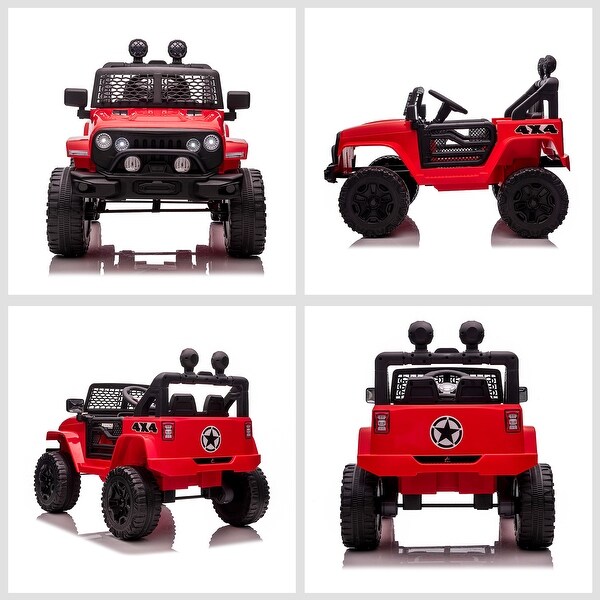
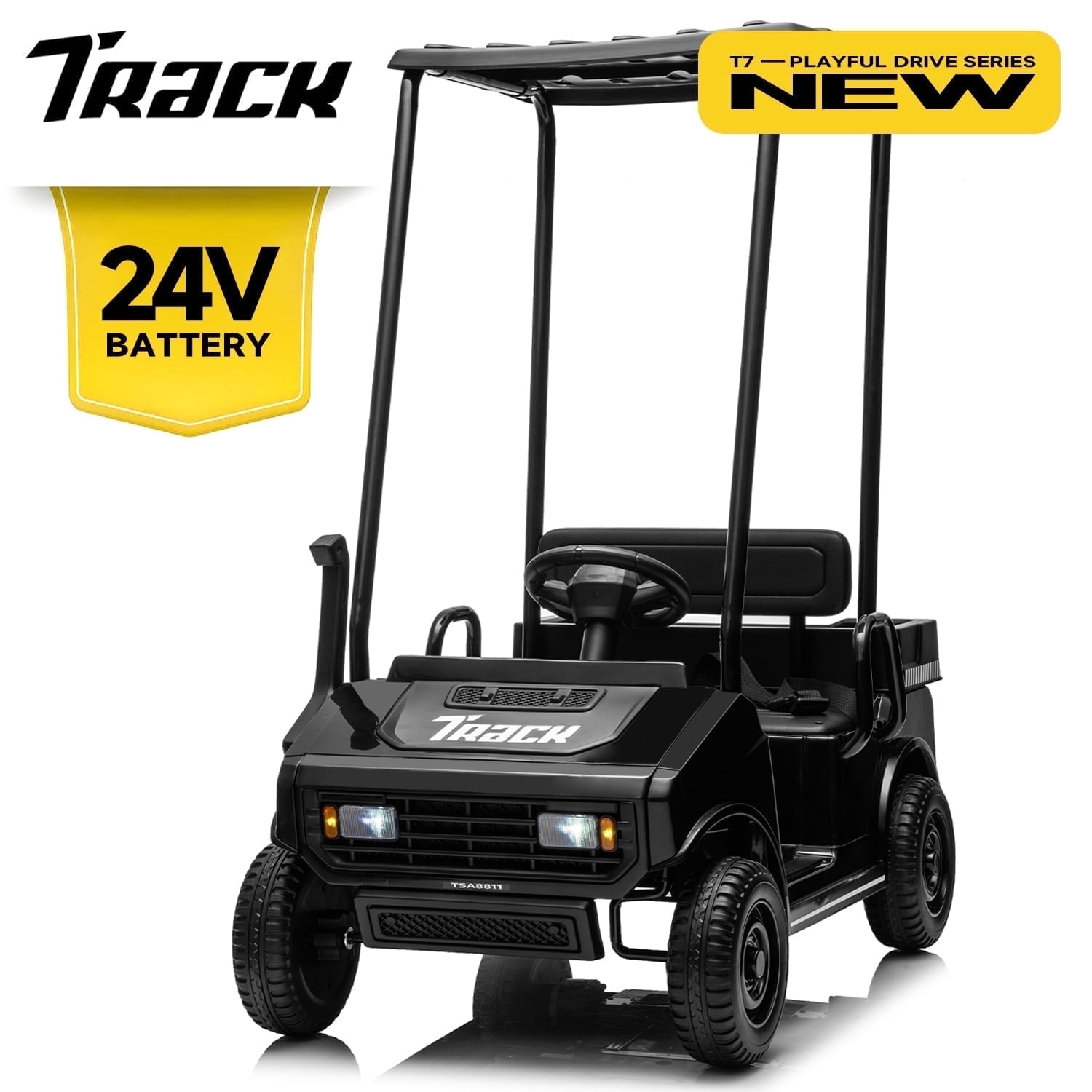
A 24V ride-on is a battery-powered vehicle designed for children. The “24V” means it uses a 24-volt battery, which makes it faster and more powerful than 6V or 12V ride-ons. These vehicles come in many forms, such as cars, trucks, ATVs, motorcycles, and even tractors. They are often made to look like real vehicles, which adds to the excitement for kids.

The main difference between 24V ride-ons and smaller models is the power. With more volts, the ride-on can go faster, climb steeper surfaces, and carry heavier kids. Many 24V ride-ons also have more advanced features, such as working lights, music, and remote controls for parents.

TL;DR Summary

A 24V ride-on is best suited for children aged 6 to 10 years who have developed the coordination and size to handle higher speeds and power. This guide helps parents evaluate weight limits, safety features like parental remotes, and terrain suitability to ensure a safe and thrilling upgrade for their kids.

Why Voltage Matters In Ride-on Cars

Choosing the right voltage is not just about speed—it’s about matching the vehicle to your child’s age, size, and skills. Higher voltage ride-ons, like 24V models, are built for older kids who can handle more power. Here’s why voltage matters:

  • Speed: 24V ride-ons can reach speeds of 6-8 mph (10-13 km/h), compared to 12V models that often max out at 3-5 mph (5-8 km/h).
  • Weight Limit: A 24V ride-on usually supports 100-130 lbs (45-60 kg), which is suitable for older or heavier children.
  • Terrain: Higher voltage models work better on grass, gravel, and gentle slopes, while lower-voltage cars are best on flat, smooth surfaces.
  • Battery Life: 24V batteries last longer but need more time to charge fully.

Parents often think “faster is better,” but this isn’t always true. If the ride-on is too powerful for a young child, it could be unsafe and less enjoyable. That’s why it’s important to match the voltage to your child’s abilities.

Recommended Age Range For 24v Ride-ons

Most manufacturers recommend 24V ride-ons for kids aged 6 to 10 years. This age range is not just a random number—it’s based on the skills, size, and safety needs of children. Let’s break down why this range makes sense.

Why 6-10 Years Is Ideal

Children in this age group usually have:

  • Better coordination: They can steer, brake, and handle more powerful vehicles.
  • Higher weight and height: 24V ride-ons are built for bigger kids.
  • Increased awareness: Older children are more aware of their surroundings, which helps prevent accidents.
  • Longer attention spans: They are more likely to use advanced features, such as MP3 players and lights, responsibly.

Exceptions To The Rule

Some children may be ready for a 24V ride-on before age 6, especially if they are tall, coordinated, and have experience with lower-voltage vehicles. However, parents should always check the manufacturer’s guidelines and consider their child’s maturity.

On the other hand, some 11-year-olds may still fit comfortably in a 24V ride-on if they are on the lighter side and enjoy the experience. Always check the weight limit and seat size.

How Physical Size Affects Suitability

It’s important to look at your child’s height and weight, not just their age. A tall 5-year-old who’s used to ride-ons might do well with a 24V car, while a smaller 8-year-old might find it too big. This is why many manufacturers provide both age and weight recommendations.

Comparison: 24v Vs. 12v And 6v Ride-ons

Understanding how 24V ride-ons compare to smaller options can help you make the right choice. Here’s a side-by-side look at the main features.

Feature6V Ride-On12V Ride-On24V Ride-On
Recommended Age2-4 years3-7 years6-10 years
Top Speed2-3 mph (3-5 km/h)3-5 mph (5-8 km/h)6-8 mph (10-13 km/h)
Weight Limit40-50 lbs (18-23 kg)60-80 lbs (27-36 kg)100-130 lbs (45-60 kg)
Best SurfaceFlat, indoor/outdoorPavement, short grassGrass, gravel, slopes
Battery Life45-60 min1-2 hours1-2 hours

A common beginner mistake is thinking that older kids will be happy with a 12V ride-on. In reality, many 7-10 year olds quickly outgrow these models because they want more speed and power. On the flip side, starting a 4-year-old on a 24V vehicle is risky—they may not have the coordination to drive safely.

Key Factors To Consider When Choosing A 24v Ride-on

Choosing the right ride-on isn’t just about age. Here are the most important factors to keep in mind:

  • Weight Capacity: Always check the maximum supported weight. If your child is close to the limit, choose a bigger model.
  • Safety Features: Look for seat belts, parental remote control, and automatic brakes.
  • Speed Settings: Some 24V models offer adjustable speeds, which is great for beginners.
  • Size: Make sure your child’s legs fit comfortably. Test the model if possible.
  • Assembly: Some models need more setup. Check if you’re ready for the job or need help.
  • Battery Life: Consider how long your child will want to play and how often you’re willing to recharge.
  • Terrain Use: If you have a grassy yard or uneven ground, a 24V vehicle will perform better.

Real-world Example

Imagine your 8-year-old loves adventure and weighs about 70 lbs (32 kg). You live in a house with a big backyard and some hills. A 24V ride-on is perfect, giving your child the thrill they want and the power they need to drive on grass and slopes.

Now picture a 5-year-old who’s never driven a ride-on before. Even if they are tall, starting with a 12V car might be wiser. Once they gain confidence, you can upgrade to a 24V model.

Safety Concerns And Parental Guidelines

Safety is a top concern for any ride-on vehicle, and 24V models are no exception. They can reach speeds that surprise both kids and adults. Here’s how to keep your child safe:

Supervision

Always supervise children, especially when they are learning. A 24V ride-on can cover ground quickly, and accidents happen in a blink.

Helmet And Gear

While not all parents use helmets for ride-ons, it’s a smart choice for 24V models, especially if your child drives on uneven ground or at high speeds. Consider helmets and even elbow/knee pads for extra protection.

Safe Area

Make sure your child drives in a safe, open area away from traffic, water, and obstacles. Avoid slopes that are too steep.

Teaching Rules

Set clear rules for where and how the ride-on can be used. Teach your child to avoid sharp turns at high speed and to stop when you call out.

Parental Remote Control

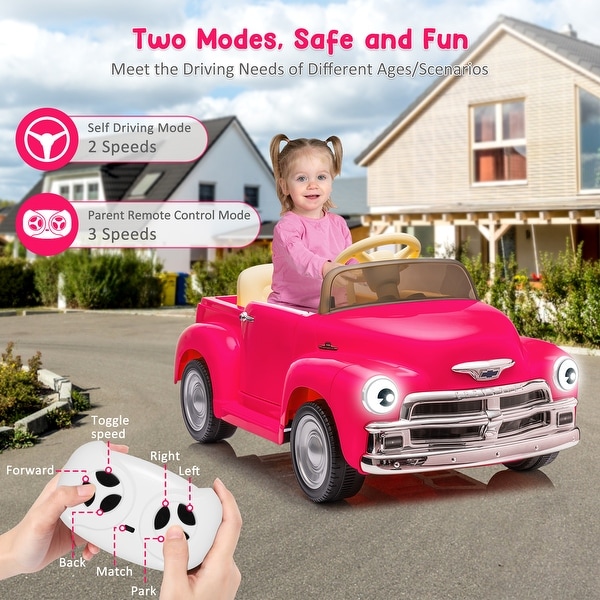
Some 24V models include a parental remote control. This is an excellent feature for beginners. You can stop or steer the car if your child loses control.

Maintenance

Check the vehicle regularly for loose bolts, low tires, or battery issues. Teach your child to help with these checks—it’s a good learning experience.

Age And Maturity

Never push a child into a 24V ride-on before they are ready. If they seem scared or overwhelmed, step back and practice with a slower vehicle.

Weather

Wet grass or rain can make powerful ride-ons dangerous. Only use them in dry, clear weather.

Many parents miss the importance of regular safety checks. For example, loose wheels or a nearly dead battery can lead to sudden stops and potential falls.

Types Of 24v Ride-ons And Their Features

24V ride-ons come in many shapes and sizes. Here’s a look at the most popular types and what makes each special:

Cars

These are usually styled after real vehicles—think sports cars, SUVs, or luxury models. They often have two seats and features like LED lights, working horns, and MP3 players.

Trucks

24V trucks are bigger and can carry more weight. Some even have working beds for hauling toys, making them ideal for older kids who like to role-play.

Atvs And Quads

These are designed for off-road fun. They have bigger wheels and higher ground clearance, so they handle grass and dirt better.

Motorcycles

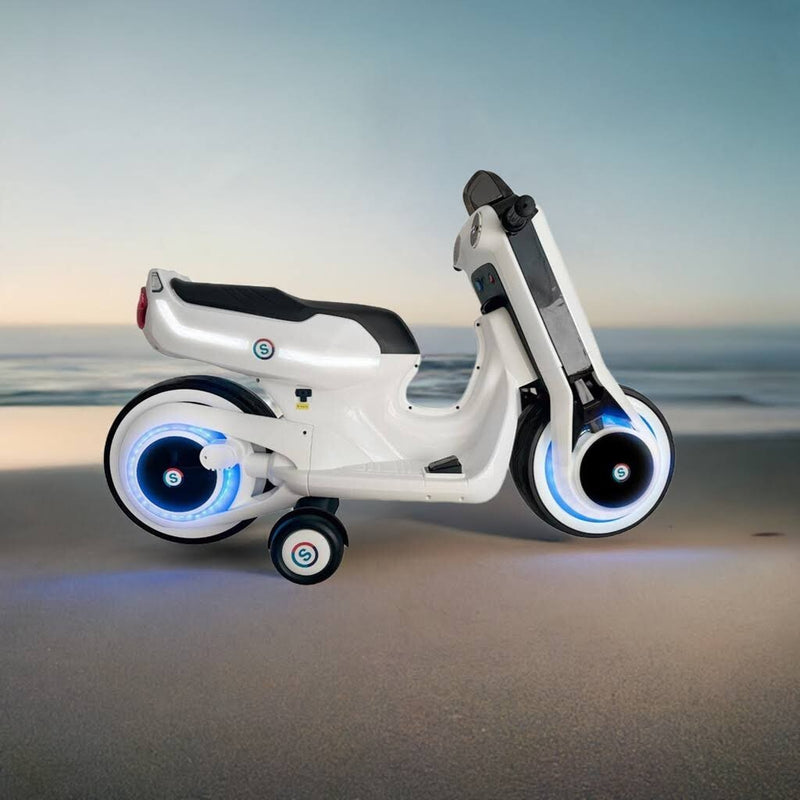
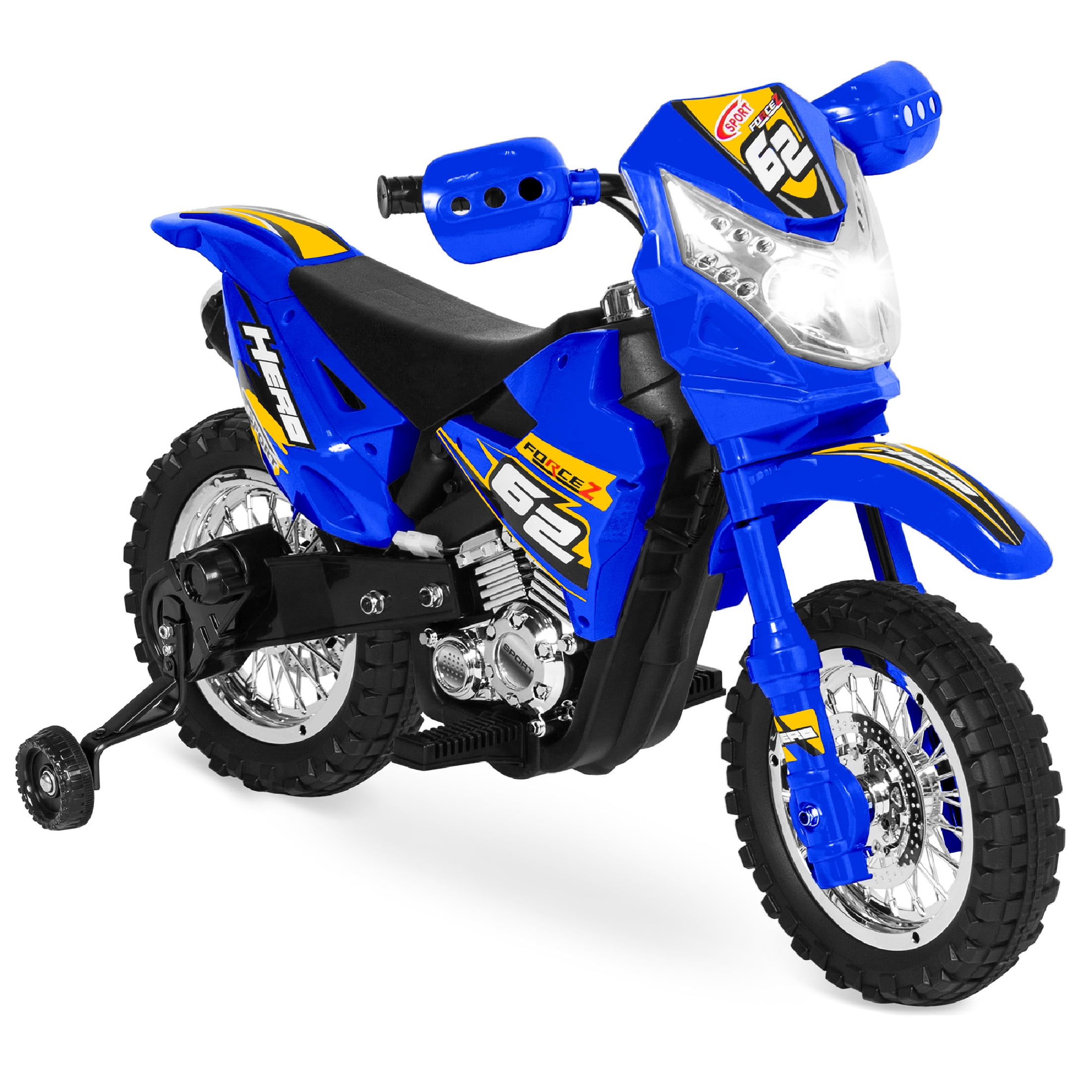
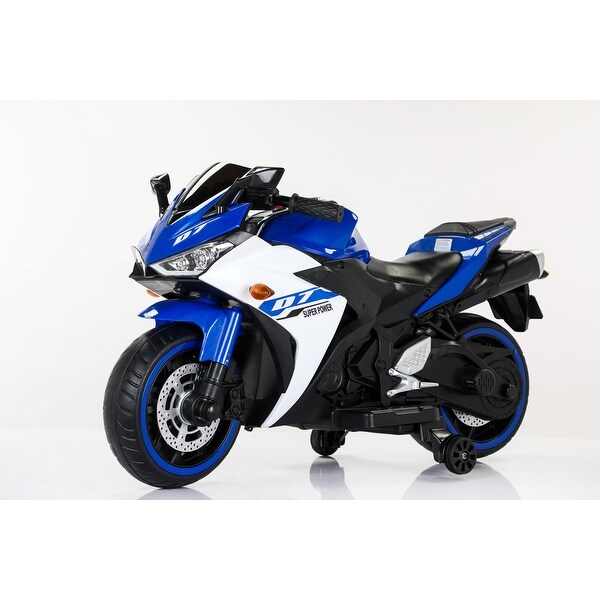
24V electric motorcycles give kids a taste of two-wheeled adventure. They are best for children with good balance and more riding experience.

Utvs And Dune Buggies

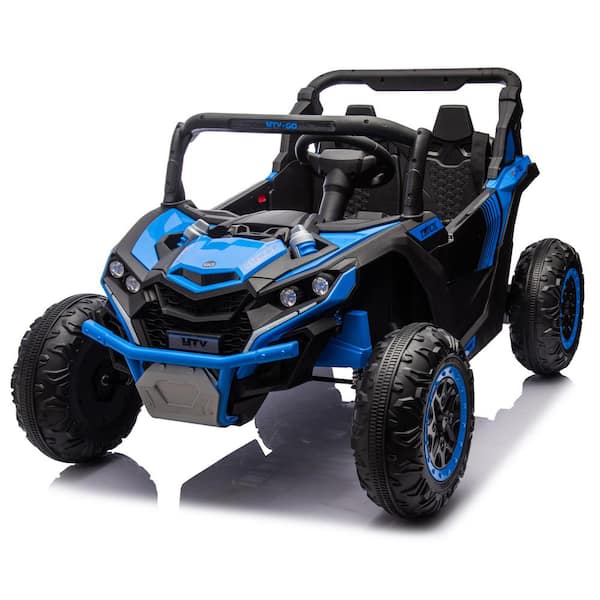
These ride-ons are built for rugged terrain and often come with real suspension. They’re great for adventurous kids who want to explore more than just the driveway.

Here’s a quick comparison of features you might find in different 24V ride-ons:

TypeSeatsTerrainSpecial Features
Car1-2Pavement, light grassMP3, LED lights, horn
Truck2Grass, gravelStorage bed, high weight limit
ATV/Quad1Off-road, dirtBig wheels, suspension
Motorcycle1Pavement, flat grassRealistic engine sounds
UTV/Dune Buggy2All terrainSuspension, roll bar

Common Mistakes Parents Make When Choosing A 24v Ride-on

Even well-intentioned parents can make mistakes when choosing a ride-on. Here are some to avoid:

  • Ignoring Weight Limits: Putting a heavier child in a ride-on meant for smaller kids can damage the motor and reduce battery life.
  • Overestimating Skill: Just because a child is old enough doesn’t mean they have the coordination for a 24V vehicle.
  • Skipping Safety Gear: Helmets and pads might seem unnecessary for a ride-on, but they can prevent serious injuries.
  • Choosing for Looks Only: Some cars look amazing but are uncomfortable or hard to drive.
  • Not Checking Battery Specs: Some “24V” ride-ons use two 12V batteries, but not all batteries are equal. Check for reputable brands.
  • Buying Too Early: Kids under 6 often can’t enjoy a 24V ride-on fully and may get scared.
  • Forgetting the Terrain: If your yard is mostly pavement, you don’t need huge off-road tires.

An often-missed point is the importance of adjustable seats. Kids grow fast, and models with adjustable seats offer longer use.

What Age Is 24V Ride-On For? Ultimate Guide for Parents
What Age Is 24V Ride-On For? Ultimate Guide for Parents 4

How To Tell If Your Child Is Ready For A 24v Ride-on

Not sure if your child is ready for more power? Here are some signs:

  • Confident with lower-voltage ride-ons: If your child drives a 12V car smoothly, they may be ready to move up.
  • Good reaction time: They respond quickly to obstacles and your instructions.
  • Follows rules: They understand and follow safety rules every time they ride.
  • Physical fit: They fit in the seat with feet comfortably reaching pedals and hands on the wheel.

If your child hesitates, seems nervous, or struggles to follow instructions, wait a few months before upgrading.

Benefits Of 24v Ride-ons For Older Kids

Why not just stick with a 12V car? Here’s what makes 24V ride-ons special for older kids:

  • More excitement: The extra speed and power keep older kids interested longer.
  • Better for group play: Two seats mean friends or siblings can ride together.
  • Improved motor skills: Handling a powerful ride-on helps develop coordination and reaction time.
  • Outdoor activity: Encourages time outside, away from screens.
  • Imaginative play: Many 24V models have realistic features, sparking creative games.

Parents sometimes forget that older kids need new challenges. A 24V ride-on can fill that gap, especially as an alternative to video games.
What Age Is 24V Ride-On For? Ultimate Guide for Parents
What Age Is 24V Ride-On For? Ultimate Guide for Parents 5

Tips For First-time Buyers

If you’re buying your first 24V ride-on, keep these tips in mind:

  • Read reviews: Look for feedback from other parents, especially about battery life and durability.
  • Test drive if possible: Let your child sit in the car before buying.
  • Check for replacement parts: Some brands offer better support if something breaks.
  • Look for warranty: A good warranty is important for expensive ride-ons.
  • Compare prices: Don’t just buy the cheapest or most expensive—compare features and support.

Beginners often overlook the importance of after-sales support. Brands with easy-to-find parts and clear instructions make life much easier if repairs are needed.

Maintenance And Longevity Of 24v Ride-ons

A 24V ride-on is an investment. With proper care, it can last for years or be passed down to younger siblings. Here’s how to keep it running smoothly:

  • Charge regularly: Don’t let the battery sit empty for weeks.
  • Store indoors: Rain and sun can damage the battery and plastic parts.
  • Clean after use: Dirt and grass can get stuck in wheels or gears.
  • Check bolts and wheels: Every few weeks, make sure nothing is loose.
  • Replace batteries as needed: Over time, batteries lose power. Replacement is usually easy.

Some parents miss the fact that long-term storage (like in winter) can drain the battery completely. Charge it every few weeks to keep it healthy.

What Age Is 24V Ride-On For? Ultimate Guide for Parents
What Age Is 24V Ride-On For? Ultimate Guide for Parents 6

Real Parent Experiences And Feedback

Hearing from other parents can help you make a smart choice. Here are some real-world stories:

  • “My 7-year-old daughter quickly outgrew her 12V car. We upgraded to a 24V Jeep, and now she spends hours outdoors with her friends.”
  • “We bought a 24V ATV for our 9-year-old after lots of research. The parental remote was a lifesaver the first few weeks.”
  • “At first, I thought the 24V would be too much for my 6-year-old, but he took to it right away. Now, his younger brother can’t wait to try it.”
  • “The only regret we have is not checking the weight limit more carefully. Our twins are tall for their age, and we had to swap for a bigger model.”

A non-obvious insight: Many parents find that the 24V ride-on becomes the centerpiece of neighborhood playtime, encouraging social skills and outdoor activity.

24v Ride-ons And Child Development

Ride-on vehicles are more than just toys. They help kids develop:

  • Motor skills: Steering, accelerating, and braking all require coordination.
  • Spatial awareness: Kids learn to judge distance and avoid obstacles.
  • Responsibility: Charging and maintaining the car teaches good habits.
  • Social skills: Sharing a two-seater or taking turns helps build cooperation.

Some studies even suggest that outdoor play with ride-ons can help reduce screen time and improve mood.

If you want to learn more about the science of child play and ride-on toys, you can visit Wikipedia’s ride-on toy page.

Cost And Value For Money

24V ride-ons are usually more expensive than smaller models. Prices range from $250 to $600 or more, depending on features and quality. Here’s what you get for the extra money:

  • Longer use: Grows with your child, so you don’t need to upgrade as quickly.
  • More features: Lights, music, adjustable seats, and remote control.
  • Better build: Stronger frames and motors for older children.

It’s smart to compare brands and features before buying. Don’t just look at the price—consider warranty, support, and replacement parts as well.

Popular Brands And Models

Some of the most popular brands for 24V ride-ons include:

  • Peg Perego
  • Rollplay
  • Best Choice Products
  • Kid Trax
  • Power Wheels (Fisher-Price)

Popular models include Jeeps, ATVs, and trucks. Each brand offers different strengths—some are known for tough off-road vehicles, others for stylish cars.

Here’s a quick comparison of popular 24V ride-on models:

Brand & ModelTypeTop SpeedSeatsSpecial Feature
Peg Perego Polaris RZRUTV7 mph2Shock absorbers
Rollplay NighthawkGo-Kart6.5 mph1360° steering
Best Choice 2-Seater TruckTruck8 mph2Parental remote
Kid Trax CAT ATVATV5 mph1Realistic sounds

When To Upgrade (or Downgrade) Your Child’s Ride-on

Sometimes, you’ll need to decide whether to upgrade to a 24V ride-on—or even downgrade if a child is struggling. Here’s how to tell:

  • Upgrade if: Your child is bored, has outgrown the seat, or wants more speed.
  • Downgrade if: They seem scared, can’t control the vehicle, or have frequent accidents.

Don’t be afraid to switch models. The goal is to keep ride-on play fun and safe.

Frequently Asked Questions

What Age Is Best For A 24v Ride-on?

Most 24V ride-ons are best for kids aged 6 to 10 years. However, always check the manufacturer’s guidelines, as some models may fit slightly older or younger children based on size and skill.

Can A 5-year-old Use A 24v Ride-on?

It’s not recommended for most 5-year-olds, unless they are tall, experienced, and mature enough to handle the speed and power. For first-time drivers, a 12V ride-on is usually safer.

Is A 24v Ride-on Safe For My Child?

Yes, when used with proper supervision, safety gear (like helmets), and in a safe area. Features like parental remote control and seat belts add extra safety.

How Fast Does A 24v Ride-on Go?

Most 24V ride-ons reach 6-8 mph (10-13 km/h). Some models have adjustable speed settings so beginners can start slow.

What Is The Weight Limit For A 24v Ride-on?

The typical weight limit is 100-130 lbs (45-60 kg), but always check the specifications for your chosen model.

Final Thoughts

Picking the right ride-on is all about matching power, size, and features to your child’s age and ability. For most families, a 24V ride-on is the perfect choice for children aged 6 to 10 who are ready for more excitement. With the right model, you’ll give your child years of outdoor fun, skill-building, and unforgettable memories. Remember to focus on safety, check all features carefully, and enjoy watching your child’s confidence grow as they take the wheel.

Best 36V Ride On Car For Kids 2026 Top Picks & Buying Guide

Best 36V Ride On Car For Kids 2026: Top Picks & Buying Guide

Imagine rushing to get your kids ready for a weekend outing while juggling work calls and household chores. Finding a fun and safe way to keep them entertained without added stress can feel overwhelming in such moments.

That’s where a reliable 36V ride on car comes into play, offering hours of outdoor enjoyment and helping little ones develop motor skills with ease. In the next section, we’ll share expert picks to help you choose the perfect option.

Expert Picks For Best 36v Ride On Car For Kids 2026

Mclaren 36v Electric Go Kart

The Best 36V Ride On Car For Kids 2026, designed for young racers who want thrilling speed with adjustable control.

The McLaren 36V Electric Go Kart is a licensed kids’ electric vehicle that combines sporty design with practical features. It offers two speed modes powered by dual 250W motors and a 36V 9AH battery, making it perfect for kids growing into the excitement of riding. The adjustable seat and frame lengths ensure a comfortable fit as children get taller, while the electronic braking system enhances safety and control during play.

In everyday use, this kart performs reliably on various paved surfaces thanks to its sturdy steel frame and durable tires. The responsive handling and drift capabilities add an extra layer of fun while maintaining smooth rides. It’s compact enough to transport easily, making it a convenient option for park days or weekend trips.

Pros:

  • Officially licensed McLaren design with authentic styling
  • Two-speed settings for adjustable thrill levels
  • Adjustable frame length to grow with your child
  • Electronic braking system for safer rides
  • Durable steel frame and sturdy tires for long-lasting use
  • Compact size suitable for easy transport
  • Dual 250W motors provide balanced power and speed

Cons:

  • Heavier weight may require adult assistance for transport
  • Best suited for paved surfaces, limited off-road capability
  • Battery run time may require recharging for extended play

My Recommendation

This McLaren 36V Electric Go Kart is ideal for parents looking to introduce their kids to ride-on vehicles with an authentic racing feel and adjustable features. It’s beginner-friendly with its dual-speed settings, while also exciting enough for more confident riders. After purchase, setup is straightforward and the adjustable seat means it can be used over several years.

For safety, always use the adjustable seatbelt and supervise young riders. This kart offers a balanced mix of fun and control that gives peace of mind without sacrificing the thrill. Personally, I appreciate how it combines style and practicality without overcomplicating the experience.

Best for Why
Kids growing in size Adjustable frame and seat accommodate growth over time
Parents seeking safe ride-ons Electronic braking and seatbelt enhance safety
Young racers wanting authentic style Official McLaren design with racing features
Families on the go Compact size fits easily in trunks for outings

Unicoo Kids Electric Go Kart 36v

The Best 36V Ride On Car For Kids 2026 that offers an exciting drifting experience combined with safety features and interactive fun.

The UNICOO Kids Electric Go Kart 36V is a rechargeable drift kart designed for kids aged 3 and above. It features a pedal for acceleration, two flexible universal wheels, and a large drive wheel to allow 360-degree spins, making it ideal for young racers eager to enjoy a thrilling ride. The go kart also includes Bluetooth music playback, LED lights, and a dual speed option to accommodate different skill levels and safety preferences.

In everyday use, this ride-on toy performs well with stable handling thanks to its anti-rollover design and spring shock system. The ergonomic seat fits up to two kids comfortably, and the durable materials make it reliable for regular play. The smooth PU wheels ensure quiet rides without damaging floors, and the Bluetooth speaker adds an interactive element that keeps kids engaged during playtime.

Pros:

  • 360-degree drifting with flexible wheel design
  • Dual speed options for varying skill and safety
  • Anti-tip chassis and upgraded shock system for stability
  • Built-in Bluetooth speaker for music playback
  • Extra-large ergonomic seat fits two kids or adults
  • LED lights and shock-absorbing PU wheels
  • Encourages motor skills and active play

Cons:

  • Top speed limited to 4 mph may not satisfy older kids
  • Relatively heavy at nearly 14 pounds for transport
  • No included remote control for parental override

My Practical Opinion

This go kart is well suited for young children and beginners who want a safe but fun introduction to electric ride-on vehicles. After unboxing, it’s straightforward to assemble and operate, making it convenient for parents and enjoyable for kids. The adjustable speeds and safety features provide peace of mind, while the Bluetooth audio keeps the experience lively. Personally, I appreciate that it balances excitement with safety, making it a great choice for family play.

Best for / Why

Best for Why
Toddlers and young kids (3+ years) Safe speeds and stable anti-rollover design suit beginners
Parents seeking interactive toys Bluetooth speaker and LED lights enhance playtime engagement
Siblings or friends to ride together Extra-large seat fits two kids or an adult for shared fun
Indoor or smooth outdoor surfaces Shock-absorbing PU wheels protect floors and provide smooth rides

Grabado Large Kids Ride-on Car Cover

For those seeking the Best 36V Ride On Car For Kids 2026 protection, this GRABADO cover offers durable, all-weather defense tailored for large ride-on vehicles.

The GRABADO Large Kids Ride-On Car Cover is designed to shield your child’s electric ride-on vehicles from the elements. Made from extra thick 420D oxford fabric with a nano triple coating, it offers robust protection against rain, UV rays, dust, and scratches. The cover fits a wide range of ride-on toys, making it a versatile choice for parents looking to extend the life of their kids’ outdoor cars.

In everyday use, this cover holds up well against wind and weather thanks to adjustable elastic buckles and an elastic hem that ensures a snug fit. The addition of three reflective strips enhances visibility during low-light conditions, adding a layer of safety. It’s easy to put on and take off, providing reliable coverage without fuss or damage to the toy underneath.

Pros:

  • Thick 420D oxford fabric with triple coating for durable protection
  • Waterproof and UV resistant with double-stitched seams
  • Adjustable buckles secure cover during windy conditions
  • Elastic hem ensures a snug fit on various ride-on toy sizes
  • Three reflective strips improve visibility in the dark
  • Universal size fits many brands and styles of kids’ ride-on cars
  • Includes a portable storage bag for convenience

Cons:

  • May not fit ride-on toys with sharp exterior decorations
  • Requires measuring toy dimensions to ensure proper fit
  • Black color might absorb heat in direct sunlight

My Recommendation

This cover is ideal for parents who want a reliable and straightforward way to protect their children’s 36V ride-on vehicles from weather damage. It’s easy enough for beginners to use and offers peace of mind with its sturdy build and secure fit. Just remember to let the toy’s engine cool before covering it to maintain the cover’s longevity.

Its thoughtful design, including reflective strips and elastic adjustments, makes it a practical choice for everyday outdoor storage. If you want something that balances protection and ease of use without complicated installation, this cover fits the bill well.

Best for / Why

Best for Why
Parents with large 12V to 36V ride-on cars Universal fit and strong waterproof protection for bigger toys
Outdoor toy storage in varied weather Durable oxford fabric with UV and rain resistance
Safety-conscious buyers Reflective strips improve visibility in low light
Those needing easy storage solutions Includes a portable storage bag for convenience

Jrrxm 24v High Torque Motor Gearbox

Discover the Best 36V Ride On Car For Kids 2026 upgrade with this versatile high-speed motor gearbox designed for Power Wheels and similar kids’ ride-on toys.

This product is a 2-pack set of 24V RS555 high torque drive motor gearboxes designed for upgrading Power Wheels and similar kids’ ride-on toy cars. It offers compatibility with 24V, 30V, and 36V power sources and includes free couplers and connectors to facilitate easy installation and customization. The motor gearbox features durable composite materials and steel gears, enhancing longevity and performance for children’s electric cars.

In everyday use, this gearbox provides reliable and consistent power output with speeds ranging from 12,000 to 18,000 rpm depending on voltage. Its enhanced copper winding coils and reinforced gear construction ensure stable torque and extended service life. Installing this upgrade results in smoother acceleration and better handling, making it a solid choice for parents looking to improve their kids’ ride-on vehicles without frequent maintenance concerns.

Pros:

  • Compatible with 24V, 30V, and 36V power sources for versatile use
  • Durable composite shell with steel intermediate gear for longer life
  • Includes free couplers and connectors for easy installation
  • High torque motor offers improved speed and performance
  • Cooling fan integrated to prevent overheating
  • Good fit for various Power Wheels and ride-on toy models
  • Relatively compact dimensions suitable for most upgrades

Cons:

  • May require basic technical knowledge to install properly
  • Not compatible with power sources exceeding 36V
  • Limited availability of detailed installation instructions

My Recommendation

This motor gearbox upgrade is best suited for parents and hobbyists who want a reliable, long-lasting improvement for their children’s ride-on cars. It strikes a good balance between performance and durability, making it suitable for both beginners who can follow basic installation steps and experienced users looking for a quality replacement part.

After purchasing, take your time to carefully connect the couplers and wiring to ensure optimal function and safety. The reinforced materials mean less worry about frequent wear and tear, giving you peace of mind during playtime. Personally, I appreciate how this upgrade enhances ride smoothness without complicated modifications.

Best for / Why

Best for Why
Parents upgrading ride-on cars Offers easy installation and improved performance for kids’ toys
Hobbyists and DIY enthusiasts Compatible with multiple voltages and includes connectors for custom projects
Kids’ ride-on toy repair Durable materials and steel gears extend motor life under regular use
Users seeking reliable motor upgrades Consistent torque and integrated cooling enhance everyday reliability

36v Electric Drift Go Kart

The Best 36V Ride On Car For Kids 2026, this electric drift go kart offers an exciting and safe driving experience for young racers looking to master the art of drifting outdoors.

This 36V Electric Drift Go Kart by NEREIDS NET is designed for kids aged 8 to 12, featuring a powerful 350W motor capable of reaching speeds up to 16 MPH. It includes adjustable length settings to fit growing children comfortably, a spacious seat that supports up to 187 lbs, and safety features like a two-point seatbelt and soft-start technology for smooth acceleration and braking. The kart also offers drift and sport modes to enhance the driving experience.

In everyday use, this go kart performs reliably with simple pedal controls and multiple speed options, making it easy for kids to learn and enjoy. The sturdy build and comfortable seat provide consistent comfort over longer play sessions, while the adjustable frame ensures the kart grows with your child. Overall, it delivers a balanced mix of fun, safety, and durability that parents can appreciate.

Pros:

  • Powerful 350W motor with speeds up to 16 MPH
  • Adjustable length to accommodate growing kids
  • Two-point safety belt and soft-start technology
  • Spacious seat supports up to 187 lbs
  • Drift and sport driving modes for varied experiences
  • Durable construction suitable for outdoor use

Cons:

  • Weight of 55 lbs might be heavy for younger children to move alone
  • Limited to children aged 8-12 due to size and speed

My Practical Opinion

This go kart is ideal for children ready to step up from basic ride-ons to something more thrilling yet safe. It offers parents peace of mind with its safety belt and smooth acceleration, while kids will appreciate the excitement of drifting and multiple speed settings. Assembly and daily use are straightforward, making it a practical choice for families wanting a fun outdoor activity.

When setting it up, I recommend starting at the lowest speed mode to help younger drivers get comfortable. The adjustable length is a thoughtful feature that means this kart can remain a favorite for several years. Overall, it’s a dependable and enjoyable option for kids eager to race with confidence.

Best for Why
Kids aged 8-12 Adjustable length and seat size fit this age group comfortably
Parents prioritizing safety Includes two-point seatbelt and soft-start technology
Young drivers seeking fun Drift and sport modes offer engaging driving experiences
Outdoor play enthusiasts Durable build and powerful motor handle outdoor racing

Elemara 2-seater Xl Ride On Car

The best 36V ride on car for kids 2026 that offers spacious seating and versatile speed control for growing young drivers.

The ELEMARA 2-Seater XL Ride On Car is a roomy and durable electric vehicle designed for kids who want to share the fun. It features a genuine two-seater bench with safety belts, making it perfect for siblings or friends to ride together. Powered by a 12V 10AH battery and four motors, it offers three speed settings and remote control for parents to easily manage the pace and safety of the ride.

In everyday use, this ride on car performs reliably on different terrains thanks to its upgraded metal frame and spring shock absorbers. The adjustable speed settings and remote control provide peace of mind for parents, while kids enjoy the Bluetooth music system and bright LED lights, adding extra excitement to every adventure. Its sturdy design and user-friendly controls make it a consistent, comfortable choice for young drivers.

Pros:

  • True 2-seater design with safety belts for both riders
  • Adjustable 3-speed control with parent remote for safety
  • Built-in Bluetooth music and LED lighting for added fun
  • Durable metal frame with shock absorbers for smooth rides
  • Long-lasting 12V 10AH battery for extended playtime
  • Wide seating area for comfort and legroom
  • Easy-to-use remote control with “Hare & Turtle” speed options

Cons:

  • Maximum speed is up to 4.5 MPH, which might be slow for older kids
  • Heavier weight (66 pounds) may require adult assistance to move

My Honest Take

This ride on car is ideal for families with two kids wanting to share the driving experience safely. It’s beginner-friendly with its remote control and speed adjustments, offering parents control without taking away the fun. After unboxing, setup is straightforward, and the sturdy build gives confidence that it will hold up to active use.

For safety, always ensure both kids use the seat belts and supervise their play, especially on uneven terrain. This model balances fun and practicality well, making it a reliable choice for parents seeking a durable, engaging electric vehicle for their children.

Best for / Why

Best for Why
Families with two young riders True two-seater design with safety belts for shared adventures
Parents seeking safety control Adjustable speed and remote control provide peace of mind
Kids who enjoy music and lights Bluetooth music system and LED lights enhance the experience
Outdoor play on varied terrain Metal frame and shock absorbers offer durability and comfort

Outfunny 2-seater 12v Ride On Car

The Outfunny 2-Seater 12V Ride On Car stands out as a top contender in the Best 36V Ride On Car For Kids 2026 category, thanks to its roomy design and advanced safety features.

This electric ride on car by Outfunny is designed for kids aged 4 to 8, offering a genuine two-seater setup with spacious 20-inch seats. It features a 12V motor, remote control for parental supervision, and safety elements like lockable doors and three-point seat belts. With a high weight capacity and durable steel axle, it promises a sturdy and fun ride.

In everyday use, the car performs reliably with smooth acceleration thanks to its soft-start system and all-wheel suspension that cushions bumps. Assembly is straightforward with a one-click steering wheel installation, making it easy to get the car ready quickly. The built-in music player and LED headlights add to the overall enjoyment for kids, while parents appreciate the peace of mind from remote control oversight.

Pros:

  • Spacious genuine 2-seater design for shared play
  • Parental remote control with lockable doors for safety
  • Durable 16mm solid steel axle and high weight capacity
  • Easy one-click steering wheel assembly
  • Realistic features like working headlights and music player
  • Soft-start system for smooth acceleration

Cons:

  • 12V power may not be as fast as higher voltage models
  • Limited to medium size, might not fit larger kids comfortably

My Recommendation

This Outfunny ride on car is ideal for families with two young children or siblings who want to ride together comfortably. It’s beginner-friendly with easy assembly and remote control features that provide safety for parents just starting out with electric ride-ons. Once set up, it offers a stable and enjoyable ride that encourages imaginative outdoor play.

For anyone prioritizing safety and shared fun over top speed, this model fits well. I recommend keeping an eye on battery levels during use to maximize riding time. Overall, it’s a thoughtful design that balances fun with peace of mind.

Best for Why
Families with multiple young kids Two-seat design allows siblings or friends to ride together comfortably
Parents seeking safety features Remote control and lockable doors offer extra peace of mind
Beginners new to ride on cars Easy assembly and smooth acceleration make it beginner-friendly
Imaginative outdoor play enthusiasts Realistic headlights and music player enhance creative play

Choosing the best 36V ride on car for kids in 2026 means balancing safety, fun, and durability to ensure a great experience for your child.

  • Is the ride on car designed with appropriate safety features?
  • Does it offer a battery life suitable for your child’s typical playtime?
  • Is the size and weight capacity suitable for your child’s age and size?
  • Are the controls easy for your child to understand and use?
  • Does the design support outdoor and indoor use?
  • Is the car made from durable materials that can withstand regular play?

If you still have questions, the FAQs help.

Faqs Of Best 36v Ride On Car For Kids 2026

Is the 36V ride on car safe for young children?

Yes, the 36V ride on car includes safety features like seat belts and speed limits. Always supervise kids during use for added safety.

What size is best for my child’s 36V ride on car?

Choose a ride on car that fits your child’s age and weight. Most models support kids up to 7 years old or 66 pounds.

How do I clean the 36V ride on car properly?

Use a damp cloth to wipe the car’s surface and avoid harsh chemicals. Regular cleaning helps keep the ride on car in good shape.

Can the 36V ride on car be used daily?

Yes, daily use is fine if the battery is charged regularly and the car is maintained well. Limit use on rough terrain to extend its life.

How long does the battery last on a 36V ride on car?

Battery life varies but typically lasts 1-2 hours per charge. Charging fully before each use ensures optimal daily performance.

Are replacement parts easy to find for the 36V ride on car?

Most brands offer replacement parts like wheels and batteries. Check with the manufacturer for compatible parts to keep the car running smoothly.

Final Verdict: Best 36v Ride On Car For Kids 2026 For Most People

Selecting the best 36V ride on car for kids involves considering factors like safety, battery life, and ease of use. It’s important to balance performance with comfort to ensure an enjoyable experience for young riders.

Think about the child’s age, preferences, and where the car will be used most often. Taking the time to match these elements will lead to a choice that feels both practical and fun.

Ultimately, the right pick is the one that brings joy and confidence to your little driver.

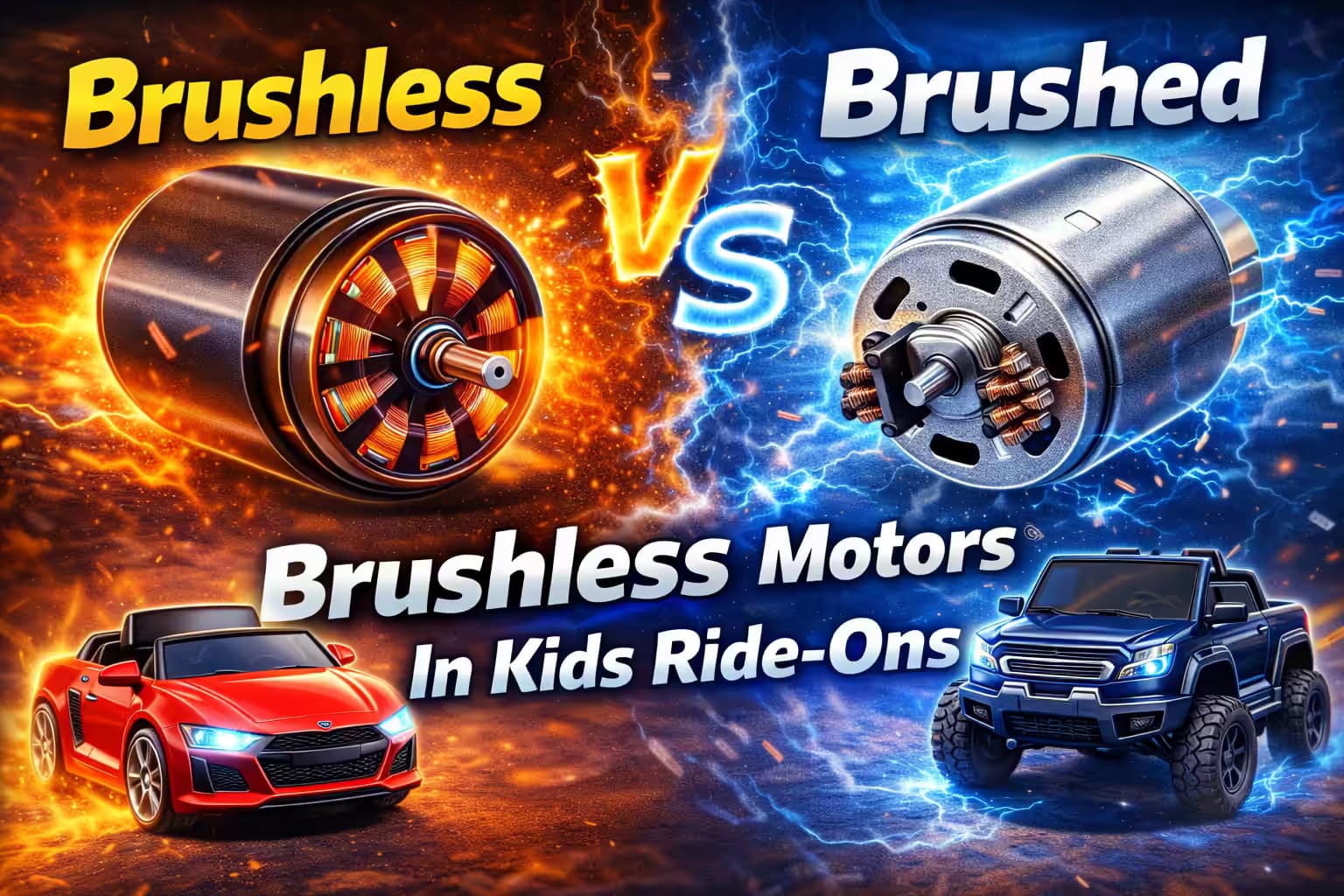
Brushless Vs Brushed Motors In Kids Ride-Ons

Brushless Vs Brushed Motors In Kids Ride-Ons

Kids ride-on cars are more than just toys—they’re mini vehicles that introduce children to the thrill of driving. But under the hood, not all ride-ons are the same. One of the biggest differences is the type of motor inside: brushed or brushless. These two motor types change how the ride-on works, how long it lasts, and even how safe it is. Many parents don’t realize this when shopping for a ride-on car, but choosing the right motor can make a big difference in your child’s experience.

If you’ve ever wondered why some ride-ons are faster, quieter, or more expensive than others, the answer often comes down to the motor. This guide will break down everything you need to know about brushless vs brushed motors in kids’ ride-ons. You’ll discover what sets them apart, their pros and cons, and how to decide which is right for your family. There’s a lot more to these motors than meets the eye, and understanding the difference can help you make a smarter, safer purchase.

What Are Brushed Motors?

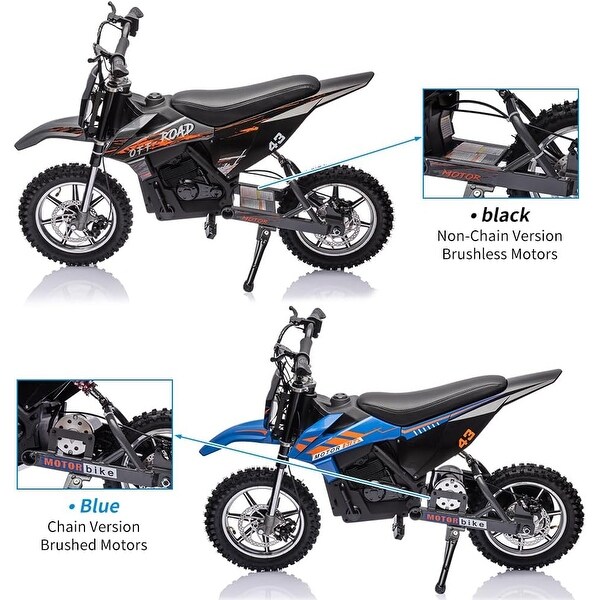
Brushed motors have been used in toys and small vehicles for decades. They are a type of DC motor that uses mechanical brushes and a rotating part called a commutator to switch the direction of current. As the motor spins, these brushes physically touch the commutator, making the motor work.

How Brushed Motors Work

Inside a brushed motor, electricity flows through the brushes and into the spinning part (the armature). The current changes direction as the commutator turns, making the motor spin. This simple design is easy to understand and repair, which is why it’s common in many kids’ ride-on cars.

Main Features

  • Simple construction with fewer electronic parts
  • Lower cost to produce and buy
  • Easier to repair at home
  • Works well for basic ride-ons

Where Brushed Motors Are Used

Most entry-level ride-ons—like plastic cars, trucks, and motorcycles designed for younger kids—use brushed motors. They’re also found in power wheels, budget RC cars, and some scooters.

What Are Brushless Motors?

Brushless motors are a newer technology. Instead of physical brushes, they use electronic switches (usually called ESC or “electronic speed controllers”) to change the direction of current. There are no parts touching each other inside, except for the bearings.

How Brushless Motors Work

A brushless motor has permanent magnets on the outside and coils of wire inside. The electronic controller changes the current in the coils at just the right time, making the motor spin smoothly and efficiently. Since there are no brushes, there’s less friction and heat.

Main Features

  • No physical contact between moving electrical parts
  • Higher efficiency and less energy wasted as heat
  • Longer lifespan because there’s less wear
  • Usually more power and speed than brushed motors

Where Brushless Motors Are Used

You’ll find brushless motors in high-end ride-ons, performance RC cars, and even electric bikes. They’re chosen for advanced models where speed, torque, and long-term reliability matter.

Key Differences Between Brushed And Brushless Motors

Understanding the main differences helps you see why the motor type matters for kids’ ride-ons. Here’s a closer look at what sets them apart.

FeatureBrushed MotorBrushless Motor
MechanismUses physical brushesElectronic switching
MaintenanceNeeds regular brush replacementAlmost maintenance-free
EfficiencyLess efficient, more heatHigh efficiency, low heat
LifespanShorter, brushes wear outLonger, no brushes to wear
CostLower initial priceHigher initial price
NoiseLouder (brush friction)Quieter
PowerLower torque and speedHigher torque and speed

Two less obvious differences:

  • Low-speed control: Brushless motors usually have smoother, more responsive speed control. This matters if your child is learning to steer or brake gently.
  • Weight: Brushless motors can be lighter for the same power, which may make high-end ride-ons easier to handle and more fun to drive.

Performance In Kids Ride-ons

The type of motor you choose affects how the ride-on car feels, sounds, and handles. Let’s break down what each motor type means for real-world performance.

Speed And Acceleration

Brushless motors deliver higher speeds and stronger acceleration. Because there’s less friction, more of the battery’s power goes straight to the wheels. Many brushless-powered ride-ons can reach speeds of 8-10 mph, while brushed models usually top out at 3-5 mph.

But this extra speed isn’t always necessary for young kids. For toddlers, slower and steadier is safer and easier to control. For older kids who want more excitement, a brushless motor can provide a more thrilling ride.

Battery Life

Brushless motors are more energy-efficient. That means the same battery will last longer in a brushless-powered car. For example, a brushed ride-on might run for 45 minutes on a charge, while a brushless model with a similar battery could last over an hour.

However, if the brushless ride-on is much faster, kids may drive it harder and drain the battery more quickly. Actual battery life also depends on the weight of the child, the terrain, and the size of the battery pack.

Noise Level

Brushed motors make a distinct humming or buzzing sound. This comes from the physical brushes rubbing against the commutator. Some kids love this sound—it feels like a “real engine”—but others find it annoying.

Brushless motors are much quieter. The only noise is from the gears and wheels. This is better for indoor use or quiet neighborhoods.

Heat And Safety

Brushed motors can get hot after long use. Overheating can damage the motor or even melt plastic parts if the car isn’t designed well. Some budget ride-ons use small fans to keep motors cool.

Brushless motors run cooler because there’s less friction. This makes them safer for long play sessions and reduces the risk of burns or motor failure.

Durability And Maintenance

Parents often ask how long a ride-on will last. The answer depends a lot on the motor.

Brushed Motor Durability

The brushes inside these motors wear out with time. For a ride-on used daily, the brushes may last several months to a year. After that, the motor loses power or stops working. Sometimes, brushes can be replaced, but the process is tricky and not always worth it for inexpensive toys.

Brushed motors are also more sensitive to dirt, dust, and moisture because the brushes are exposed.

Brushless Motor Durability

Brushless motors have no brushes to wear out. Their only real wear points are the bearings, which last much longer. Many brushless motors in ride-ons can last for several years, even with regular use.

They are more resistant to dust and dirt, but water can still damage the electronic controller if not sealed well.

Maintenance Needs

  • Brushed motors: May need cleaning or brush replacement
  • Brushless motors: Almost maintenance-free; just keep dry and clean

Cost And Value

Price is a big factor for families. At first glance, brushless ride-ons are more expensive. But what do you really get for the extra money?

Initial Purchase Price

Brushed-motor ride-ons are usually the cheapest models in stores and online. Many cost $80–$200, depending on size and features.

Brushless-motor ride-ons start at around $200 and can go up to $600 or more for advanced models with big batteries, real suspensions, and extra features.

Long-term Value

While brushless ride-ons cost more upfront, they often last longer, need less repair, and keep their performance over time. This can save money on replacement parts or having to buy a new ride-on sooner than expected.

If you plan to hand the ride-on down to younger siblings or want to resell it, a brushless model usually holds its value better.

Repair And Replacement Parts

Brushed motors are simple, so replacement parts are cheap and easy to find. For brushless motors, the parts are more expensive, and repairs may require special tools or a service center.

Safety Considerations

Safety is always the top concern for any child’s ride-on toy. The motor type can affect safety in a few important ways.

Speed And Control

Brushless motors can make ride-ons much faster. If the ride-on does not have good brakes or parental speed controls, this can be risky for young or inexperienced kids.

Brushed motors, because they’re slower, are often safer for toddlers and preschoolers.

Overheating Risk

Brushed motors get hotter and can sometimes cause burns or melt plastic parts if used too long. Always check if the ride-on has a thermal cutoff to protect the motor.

Brushless motors run cooler and are less likely to overheat, but their electronic controllers can sometimes fail if they get wet or overloaded.

Electrical Safety

Both motor types are powered by batteries. Always check for short-circuit protection and quality wiring to avoid fire or shock risks.

Weight And Tipping

Brushless motors can be lighter, which sometimes means a lighter overall ride-on. Lightweight cars may tip more easily, especially at higher speeds or on slopes. Always supervise children and choose a ride-on suited to their age and weight.

Ride Experience For Kids

How does the motor type affect the fun and play value? Here’s what kids (and parents) might notice:

Brushed Motor Experience

  • Gentle acceleration—good for beginners
  • Familiar motor noise—some kids like the “engine” sound
  • Slower top speed—safer for little ones

Brushless Motor Experience

  • Smooth, fast starts—more “real car” feeling
  • Quiet operation—better for indoor play or noise-sensitive areas
  • Higher speed and torque—great for older kids or more challenging terrain

Parental Controls

Many brushless ride-ons come with parental remote controls or speed limiters. This lets adults keep the speed safe for younger kids. Always check for these features if your child is new to ride-on cars.

Age And Usage Recommendations

Choosing the right motor depends on your child’s age, skill, and how they’ll use the ride-on.

Best For Young Kids (ages 2–5)

  • Brushed-motor ride-ons are usually best.
  • Lower speeds (2–3 mph) and gentle starts
  • Simple controls and safer operation

Best For Older Kids (ages 5–10)

  • Brushless-motor ride-ons offer more excitement.
  • Speeds up to 8–10 mph for thrill-seekers
  • Smoother control for more skilled drivers

Multi-age Households

If you have children of different ages, look for a brushless ride-on with adjustable speed settings. This offers a longer lifespan and keeps all kids interested as they grow.

Common Mistakes Parents Make

Many buyers focus only on price or looks. Here are some mistakes to avoid:

  • Ignoring the motor type: Not all ride-ons list the motor clearly. Ask the seller or check the manual if unsure.
  • Choosing too much speed for young kids: Faster isn’t always better. Young children may find a brushless ride-on too powerful.
  • Overlooking safety features: Parental controls, seat belts, and good brakes are just as important as the motor.
  • Forgetting about terrain: For grass, gravel, or hills, a brushless motor performs better. For flat, indoor use, a brushed motor is fine.
  • Neglecting maintenance: Even brushless motors need a clean, dry environment. Water or dirt can damage electronics.
Brushless Vs Brushed Motors In Kids Ride-Ons
Brushless Vs Brushed Motors In Kids Ride-Ons 17

Environmental Impact

Parents are increasingly aware of the environment. How do these motors compare?

Energy Efficiency

Brushless motors are more efficient, using less battery power for the same amount of drive time. This means fewer battery charges and less electricity used over the life of the ride-on.

Durability And Waste

Because brushless motors last longer, fewer ride-ons end up in landfills. Cheaper brushed-motor toys often break and get thrown away after a short time.

Battery Recycling

Both types use rechargeable batteries. Always recycle used batteries properly—never throw them in the trash. Many local stores and recycling centers accept old batteries.

Real-world Examples

Let’s look at how these differences play out in actual ride-on models.

Example 1: Classic Power Wheels Jeep (brushed Motor)

  • Speed: Up to 5 mph
  • Runtime: About 45 minutes per charge
  • Noise: Noticeable hum
  • Maintenance: May need motor replaced after 1–2 years
  • Price: Around $180

Example 2: Peg Perego Polaris Rzr (brushless Motor)

  • Speed: Up to 10 mph
  • Runtime: Up to 90 minutes per charge
  • Noise: Quiet operation
  • Maintenance: Minimal, just cleaning and battery care
  • Price: Around $450

In practice, the brushless model delivers a smoother, more exciting ride but costs more. The brushed model is affordable and reliable for smaller kids.

Brushless Vs Brushed Motors In Kids Ride-Ons
Brushless Vs Brushed Motors In Kids Ride-Ons 18

How To Choose: A Step-by-step Guide

If you’re shopping for a kids’ ride-on, here’s how to make the right choice:

  • Check the age and size recommendations. Make sure the ride-on fits your child now and as they grow.
  • Decide on the type of play. For indoor or flat surfaces, a brushed motor is fine. For outdoor or hilly terrain, consider brushless.
  • Set your budget. Brushless models cost more upfront but may save money over time.
  • Look for safety features. Parental controls, seat belts, and good braking are critical.
  • Read reviews or ask for details. Not all sellers mention the motor type—look for clues or ask directly.
  • Consider long-term use. If you want to pass the ride-on down to younger siblings, brushless is the better investment.

Future Trends In Ride-on Motors

Technology is always improving. Here’s what’s coming next for kids’ ride-ons:

  • Smart controls: Some brushless ride-ons now connect to smartphones for speed limits and tracking.
  • Better batteries: New battery types will make both motor types last longer per charge.
  • Hybrid systems: Some future ride-ons may use both brushed and brushless motors for different speed ranges.
  • More eco-friendly materials: Manufacturers are working to make motors and batteries more recyclable.
Brushless Vs Brushed Motors In Kids Ride-Ons
Brushless Vs Brushed Motors In Kids Ride-Ons 19

Data Table: Typical Ride-on Specs

Here’s a quick comparison of typical brushed vs. brushless ride-on specs.

SpecBrushed MotorBrushless Motor
Speed Range2–5 mph5–10 mph
Battery Life30–60 min60–120 min
Noise LevelModerateLow
MaintenanceMediumLow
Price Range$80–$200$200–$600+

Pros And Cons Summary

Let’s summarize the main advantages and disadvantages of each motor type.

Brushed Motors

Pros:

  • Lower cost
  • Simple to repair or replace
  • Good for younger kids

Cons:

  • Brushes wear out over time
  • Louder and gets hotter
  • Lower speed and efficiency

Brushless Motors

Pros:

  • Higher power, speed, and efficiency
  • Runs cooler and quieter
  • Longer lifespan

Cons:

  • Higher initial price
  • Repairs can be difficult
  • Extra features may complicate use for very young kids

Non-obvious Insights

Two details beginners often miss:

  • Aftermarket Upgrades: Some ride-ons can be upgraded from brushed to brushless motors, but it’s not always simple. The electronic controller also needs changing, and it may void the warranty. Always check with the manufacturer before upgrading.
  • Resale Value: Brushless ride-ons often hold a higher resale value, especially if they’re well cared for. If you plan to sell the ride-on in a few years, the extra investment in brushless may pay off.

Which Should You Choose?

If your child is very young or just starting out, a brushed motor ride-on is usually the best and safest choice. For older kids, or for those who want more speed and excitement, a brushless motor ride-on offers more fun and less maintenance in the long run. Think about your family’s needs, your budget, and where the ride-on will be used most.

Ultimately, both motor types can offer hours of fun. The key is matching the right ride-on to your child’s age, skills, and interests. If in doubt, start with a slower, brushed model and upgrade as your child grows.

For more technical details on how electric motors work, visit Wikipedia’s electric motor guide.

Frequently Asked Questions

What Is The Main Difference Between Brushed And Brushless Motors In Ride-ons?

The main difference is that brushed motors use physical brushes to switch the current, while brushless motors use electronic controllers. Brushless motors are more efficient, last longer, and are quieter, but they cost more.

Are Brushless Motors Safer For Kids?

Brushless motors run cooler and have fewer moving parts that can wear out, which makes them generally safer for long play sessions. However, they can be faster, so parental supervision and speed controls are important.

Can I Upgrade My Child’s Ride-on From A Brushed To A Brushless Motor?

Some ride-ons can be upgraded, but it requires changing both the motor and the electronic speed controller. It can be complex and may void the warranty. Always check with the manufacturer before attempting an upgrade.

How Long Do Brushed And Brushless Motors Last In Ride-ons?

Brushed motors usually last 1–2 years with regular use before the brushes wear out. Brushless motors can last several years with minimal maintenance, sometimes lasting longer than the ride-on itself.

Which Motor Type Is Better For Off-road Or Hilly Terrain?

Brushless motors are better for off-road or hilly terrain because they provide more torque and power. They handle grass, gravel, and small hills more easily than brushed motors.

Choosing between brushed and brushless motors isn’t just about speed or price. It’s about matching your child’s needs with the right technology. By understanding the real differences, you’ll make a better, safer, and more satisfying choice for your family.

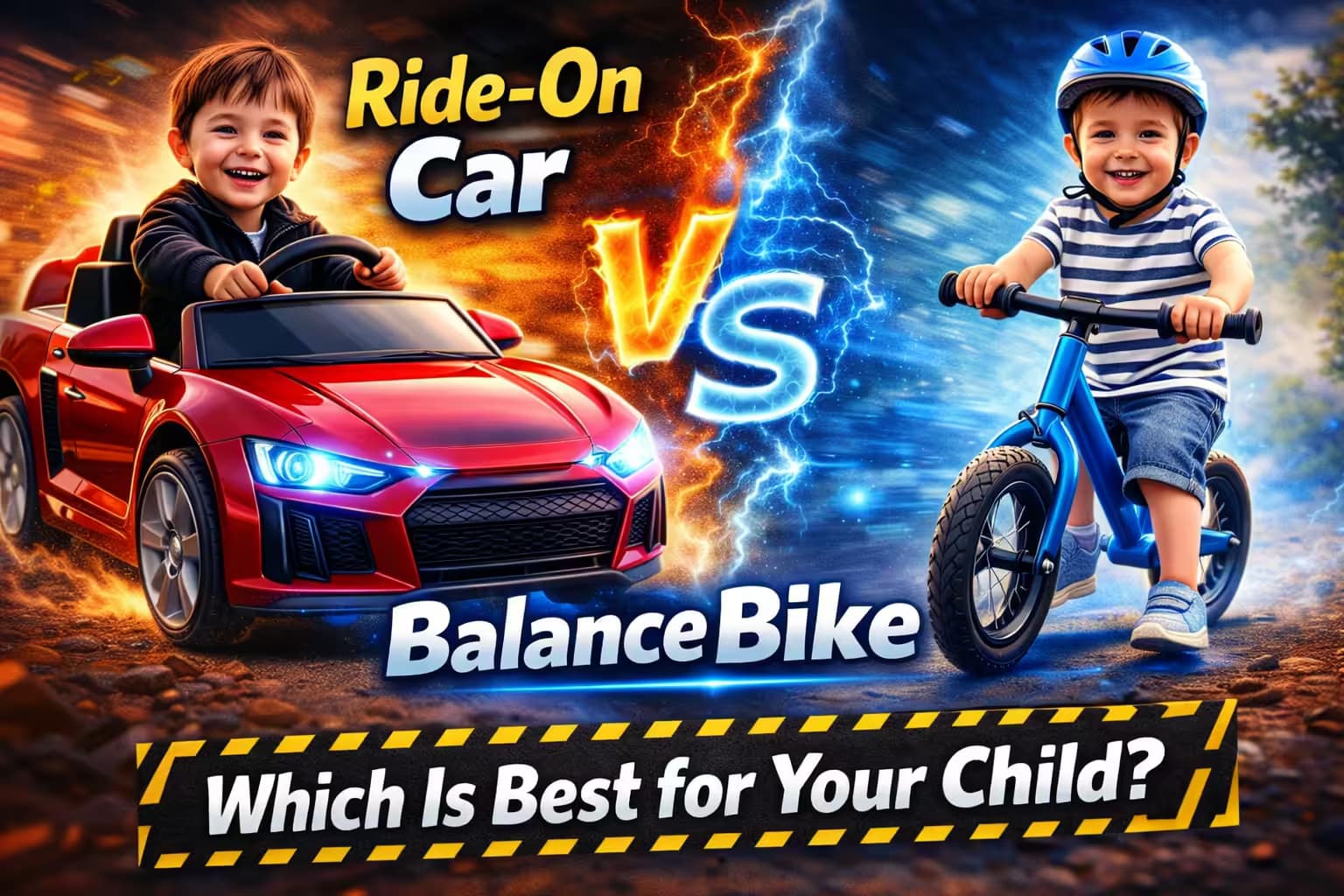
Ride-On Car Vs Balance Bike Which Is Best for Your Child

Ride-On Car Vs Balance Bike: Which Is Best for Your Child?

Choosing the right first set of wheels for your child is a big decision. As a parent, you want something fun, safe, and helpful for their development. Two popular options stand out: ride-on cars and balance bikes. Each has its own fans, but which is really better for your child? The answer depends on your child’s age, skills, and what you hope they’ll learn. This guide will walk you through all the details. You’ll learn how each option works, their benefits, and even some surprising facts that most parents don’t know. By the end, you’ll feel confident to choose what fits your child best—without second guessing.

What Is A Ride-on Car?

A ride-on car is a small vehicle designed for young children. Kids sit on or inside and use their feet or a battery-powered motor to move. These cars come in many shapes: simple plastic cars you push with your feet, or realistic, battery-powered mini vehicles that look like real cars.

Ride-on cars are often made from sturdy plastic or metal. Most models have four wheels, a steering wheel, and sometimes working lights or sounds. Some are foot-to-floor, meaning your child pushes with their legs. Others are electric, moving forward and backward with a simple pedal.

The main goal? Fun, imagination, and early movement. Children love pretending to drive, delivering packages, or going on adventures in the backyard. Parents like them because they keep kids active, occupied, and help build basic motor skills.

What Is A Balance Bike?

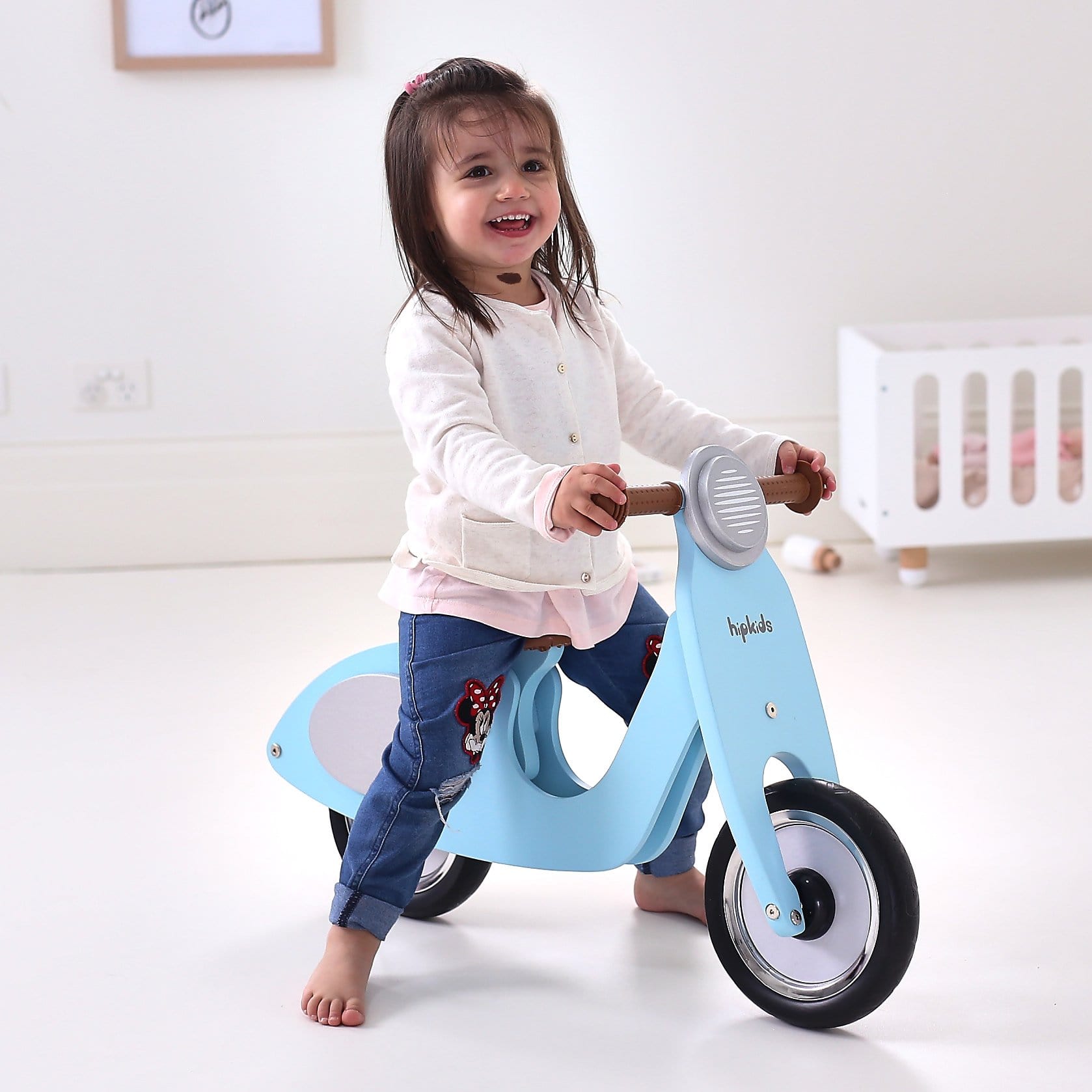
A balance bike looks much like a small bicycle but with one big difference: there are no pedals. Instead, your child sits on the seat, holds the handlebars, and pushes with their feet. These bikes are usually made for kids aged 18 months to 5 years.

Balance bikes are light, usually weighing between 2 and 5 kg. Their frames are often metal or wood, with two wheels. The seat and handlebars adjust as your child grows.

The main purpose of a balance bike is to teach balance and steering—skills needed for riding a regular bike. Children learn to glide with their feet off the ground, balancing on two wheels before ever trying pedals. This makes it easier to move to a real bike later, often skipping training wheels completely.

Key Benefits Of Ride-on Cars

Ride-on cars have a unique appeal, especially for toddlers. Their benefits go beyond just entertainment.

1. Boosts Imagination And Social Play

Kids love pretending. A ride-on car becomes a delivery truck, fire engine, or race car. This type of play helps build creativity and social skills. When children drive together, they learn about sharing, waiting, and teamwork.

2. Develops Gross Motor Skills

Using a ride-on car requires your child to push with their legs, steer, and sometimes reverse. These actions build muscle strength and improve coordination. Over time, children gain more control over their bodies and movements.

3. Safe Introduction To Mobility

For very young kids (12-24 months), ride-on cars are less intimidating than bikes. They sit close to the ground and move slowly, reducing the risk of falls. Many models have a stable base, making tip-overs rare.

4. Indoor And Outdoor Flexibility

Many ride-on cars are small enough for indoor use. On rainy days, kids can drive around the living room. On sunny days, they can explore the backyard or driveway.

5. Parent Control Options

Some electric ride-on cars offer parental remote controls. This means you can guide the car for your child, keeping them safe while they enjoy the ride. It’s a confidence booster for both parent and child.

Non-obvious Insight: Multi-child Play

Ride-on cars often fit more than one child. Siblings or friends can ride together, taking turns as driver and passenger. This is a great way to teach cooperation and sharing.

Non-obvious Insight: Early Cause-and-effect Learning

When a child pushes the car, it moves. When they turn the wheel, it changes direction. These simple actions help young children understand cause and effect—a key part of early learning.

Key Benefits Of Balance Bikes

Balance bikes are more than just a trend. They offer real developmental advantages, especially as children get closer to preschool age.

1. Teaches Real Balance Early

Balance bikes are designed to teach kids how to balance on two wheels—something that training wheels do not do well. Kids learn to glide, coast, and control their balance naturally, making the jump to pedal bikes much easier.

2. Builds Confidence And Independence

Learning to ride a balance bike gives children a sense of achievement. As they master balance, they become more confident and independent. This confidence often carries over to other activities.

3. Improves Coordination And Reflexes

Using a balance bike requires your child to steer, balance, and respond to changing ground or obstacles. This develops reflexes and hand-eye coordination—skills they’ll use for life.

4. Physical Exercise

Balance bikes give kids a real workout. They use their whole body, especially legs and core muscles. Even a short ride improves endurance and strength.

5. Smoother Transition To Pedal Bikes

Research shows that kids who start on balance bikes often skip training wheels. They can move to a regular bike by ages 3-4, sometimes earlier. The reason? They’ve already mastered balancing, the hardest part of cycling.

Non-obvious Insight: Less Fear Of Falls

Children on balance bikes are closer to the ground and can put their feet down easily. This reduces fear and the chance of injury. As a result, kids are more likely to try, fail, and try again—key for learning.

Non-obvious Insight: Bike Skills That Last

Kids who start with balance bikes tend to have better steering and braking skills later. They’ve learned to control the bike’s movement without relying on pedals or training wheels.

Ride-On Car Vs Balance Bike: Which Is Best for Your Child?
Ride-On Car Vs Balance Bike: Which Is Best for Your Child? 23

Ride-on Car Vs Balance Bike: Developmental Benefits

Both ride-on cars and balance bikes help children grow, but in different ways. Here’s a side-by-side look at how each supports development.

Skill AreaRide-On CarBalance Bike
Gross Motor SkillsLeg strength, basic coordinationBalance, coordination, leg/core strength
Fine Motor SkillsSteering wheel controlHandlebar control, braking
BalanceMinimal (stable base)High (core focus)
ConfidenceLow to medium (safe, guided play)High (mastery, independence)
Imagination/SocialVery highMedium
Physical ActivityLow to mediumMedium to high

Age Suitability: When To Choose Which?

The best option depends on your child’s age and stage of development.

Ride-on Cars

  • Best for: Ages 1 to 3
  • Why: At this age, children are just learning to move around on their own. A ride-on car is stable, easy to use, and less likely to tip. The controls are simple—just push with feet or press a pedal.
  • Tip: Look for models with a low seat and wide wheelbase for extra safety.

Balance Bikes

  • Best for: Ages 2 to 5
  • Why: By age 2, most children have enough balance and coordination to try a balance bike. The earlier they start, the easier it will be to master a pedal bike later.
  • Tip: Make sure the seat is low enough for your child to put both feet flat on the ground.

Overlapping Age Ranges

Some children are ready for a balance bike at 18 months, while others may prefer a ride-on car until age 3 or 4. Always consider your child’s comfort, confidence, and interest.

Safety Considerations

Both ride-on cars and balance bikes are safe when used correctly, but there are key differences parents should know.

Ride-on Car Safety

  • Low Speed: Most foot-powered cars move slowly. Battery-powered cars often have a max speed of 3-5 km/h.
  • Stability: Four wheels and a low center of gravity make tipping rare.
  • Supervision: Always watch young children, especially around driveways, streets, or stairs.
  • Helmet: Not always required for indoor use, but recommended outdoors.

Balance Bike Safety

  • Helmet: Always use a helmet, even for short rides.
  • Falls: More likely than with ride-on cars, especially at first. Children should practice on grass or smooth surfaces.
  • Brakes: Some balance bikes have hand brakes. Teach your child how and when to use them.
  • Supervision: Always watch near roads, hills, or water.

Common Mistake: Skipping Helmets

Many parents think helmets are not needed for short rides or on safe ground. However, even small falls can cause injury. Make helmet use a habit from day one.

Cost And Value

How do ride-on cars and balance bikes compare when it comes to price and long-term value?

TypePrice Range (USD)Average LifespanResale Value
Ride-On Car (Manual)$30–$801–2 yearsLow to Medium
Ride-On Car (Electric)$100–$4001–3 yearsLow
Balance Bike$50–$2002–4 yearsMedium to High

Practical Insights

  • Manual ride-on cars are cheap and simple but may be outgrown quickly.
  • Electric ride-on cars are exciting but costly. Batteries may need replacement.
  • Balance bikes hold their value. Many parents sell or pass them on after 2–3 years.

Non-obvious Insight: Secondhand Market

High-quality balance bikes often resell for 50–70% of their original price. Ride-on cars, especially electric ones, lose value faster due to battery wear and tear.

Ride-On Car Vs Balance Bike: Which Is Best for Your Child?
Ride-On Car Vs Balance Bike: Which Is Best for Your Child? 24

Outdoor Vs Indoor Use

Where do you want your child to ride? This affects your decision.

Ride-on Cars

  • Indoor: Foot-to-floor models are quiet and gentle on floors.
  • Outdoor: Larger cars (especially electric) need flat, smooth surfaces. Grass and gravel may slow them down.
  • Weather: Not ideal in rain or snow.

Balance Bikes

  • Indoor: Not recommended unless you have lots of space.
  • Outdoor: Work well on sidewalks, driveways, and even park trails.
  • Weather: Can handle more surfaces, but avoid wet or muddy conditions for safety.

Tip: Test Both

If possible, let your child try both options in your available space before buying.

Parent Involvement And Ease Of Use

How much help will your child need? How easy is each option for daily use?

Ride-on Cars

  • Parent Control: Some electric models offer remote control.
  • Setup: Manual cars need little assembly; electric cars may take 1–2 hours to build.
  • Maintenance: Electric cars need battery charging and care.
  • Cleaning: Most can be wiped clean; avoid leaving electric models outside.

Balance Bikes

  • Parent Control: Children ride independently. You’ll need to supervise, especially at first.
  • Setup: Usually quick—just attach handlebars and seat.
  • Maintenance: Check tire pressure (if air tires), tighten bolts.
  • Cleaning: Hose off mud or dirt after outdoor rides.

Insight: Encouraging Independence

Balance bikes encourage children to move and explore on their own, while ride-on cars (especially electric) can make kids more passive. Think about what you want your child to learn.

Learning Curve: How Quickly Will Your Child Master Each?

Every child is different, but trends are clear.

Ride-on Cars

  • Manual: Most toddlers get the hang of pushing and steering in a few days.
  • Electric: May take longer to learn controls (forward, reverse, steering), but most kids adapt fast, especially with parent help.

Balance Bikes

  • Early Days: Kids start by walking with the bike between their legs.
  • Progress: Over weeks, they gain confidence, begin gliding, and eventually coast with feet off the ground.
  • Result: By age 3–4, many children can ride a pedal bike without training wheels.

Non-obvious Insight: The “glide Stage”

There’s a key moment when a child lifts their feet and glides on a balance bike. This stage is the real sign they’re ready for a pedal bike. Don’t rush—let it happen naturally.

Durability And Maintenance

You want a product that lasts, especially if you have younger siblings or plan to resell.

Ride-on Cars

  • Manual: Fewer parts, less to break. Wheels may wear down with outdoor use.
  • Electric: Batteries can lose power over time. Replacement parts can be expensive and hard to find.

Balance Bikes

  • Frame: Metal or wooden frames last for years with basic care.
  • Wheels: Air tires may need pumping; solid tires require less care.
  • Parts: Simple mechanics mean less can go wrong.

Tip: Choose Quality Over Features

A well-made balance bike or ride-on car with basic features is often more durable and safer than a flashy, low-quality model.

Ride-On Car Vs Balance Bike: Which Is Best for Your Child?
Ride-On Car Vs Balance Bike: Which Is Best for Your Child? 25

Environmental Impact

Parents are thinking more about sustainability.

Ride-on Cars

  • Plastic: Most are made from plastic, which is hard to recycle.
  • Electric: Uses batteries that must be disposed of properly.
  • Longevity: Outgrown quickly, especially themed or bulky models.

Balance Bikes

  • Materials: Many are metal or wood, which can be recycled or biodegrade.
  • Lifespan: Often passed down or resold, reducing waste.

Insight: Simple Designs, Less Waste

A minimalist balance bike or ride-on car without electronics is better for the planet and often lasts longer.

Social And Emotional Growth

Both options can help children grow emotionally, but in different ways.

Ride-on Cars

  • Group Play: Cars often attract groups of kids. They take turns, role play, and learn to cooperate.
  • Pretend Play: Driving a “fire truck” or “ice cream van” builds imagination.

Balance Bikes

  • Individual Achievement: Learning to ride is a personal challenge. Kids gain confidence and pride as they succeed.
  • Peer Interaction: Riding with friends encourages friendly competition and sharing skills.

Non-obvious Insight: Leadership Skills

Taking turns as the “driver” in a ride-on car can help shy children learn to lead. On balance bikes, children often teach each other new tricks, building social bonds.

Common Mistakes Parents Make

Even the best intentions can lead to errors. Here are some to avoid.

  • Choosing Based on Looks Alone: Flashy colors and designs are fun but don’t guarantee quality or safety.
  • Buying Too Big or Too Small: Always check seat height and weight limits.
  • Ignoring Helmets: Make helmet use a rule, even for short rides.
  • Forgetting Supervision: Always watch children, especially near driveways or streets.
  • Not Considering Where You’ll Use It: A large electric car won’t fit in a small apartment; a balance bike isn’t ideal for crowded spaces.
  • Skipping Practice: Give your child time to learn at their own pace.
  • Overloading Ride-On Cars: Don’t let more than the recommended number of children ride at once.

Real Parent Experiences

Hearing from other parents can help.

  • Maria, mother of two: “Our ride-on car was great for rainy days indoors, but my son lost interest by age 3. The balance bike kept him moving and he learned to ride a pedal bike before kindergarten.”
  • James, father of twins: “The electric ride-on car was fun but needed constant charging. Our balance bikes got used every day and held up well enough to pass on to our neighbors.”
  • Amina, first-time parent: “I was afraid my daughter would fall on a balance bike, but she surprised me. She started slow, and within a month she was gliding down the sidewalk, helmet and all.”

Which Should You Choose?

There’s no single answer. Think about your child’s age, personality, and your space.

  • For toddlers (1–2 years): Start with a stable ride-on car. Focus on fun, safety, and easy movement.
  • For preschoolers (2–5 years): Try a balance bike. It’s the best way to teach real cycling skills and build confidence.
  • If possible: Try both. Let your child decide which feels right.

If you want a deeper look at child cycling research, check out this resource from the Wikipedia: Balance bicycle.

Frequently Asked Questions

What Age Is Best For A Ride-on Car?

Most ride-on cars are designed for children aged 1 to 3 years. Some electric models fit up to age 5, but always check the manufacturer’s guidelines for weight and height limits.

At What Age Can My Child Start A Balance Bike?

Children can start as early as 18 months if the bike fits and they show interest. Most kids are ready between 2 and 5 years. Make sure your child can touch the ground with both feet while sitting.

Are Ride-on Cars Or Balance Bikes Safer?

Both are safe when used correctly, but balance bikes require more balance and can result in more falls at first. Always use helmets and supervise play. Ride-on cars are more stable for very young children.

Will A Balance Bike Help My Child Learn To Ride A Regular Bike?

Yes. Balance bikes teach the hardest part of cycling—balance. Most kids transition to pedal bikes without training wheels and with less fear.

Can I Use Both For My Child?

Absolutely. Many families start with a ride-on car for toddlers and move to a balance bike as their child grows. Some children enjoy both at the same time, depending on the day and activity.

Choosing between a ride-on car and a balance bike doesn’t have to be difficult. Think about your child’s needs, your space, and your goals. With the right choice, you’ll set them on a path to fun, confidence, and a lifetime of safe cycling.

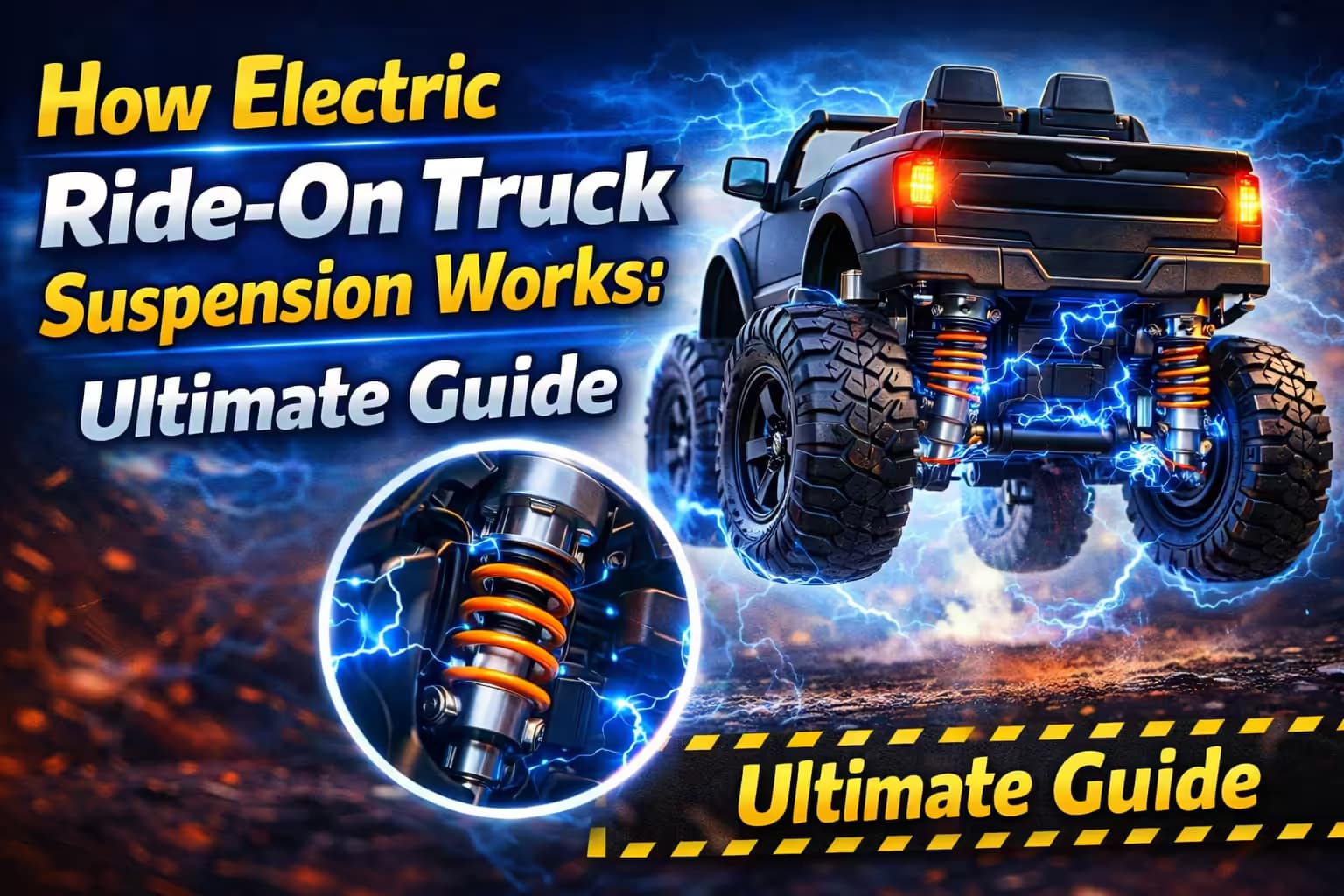
How Electric Ride-On Truck Suspension Works Ultimate Guide

How Electric Ride-On Truck Suspension Works: Ultimate Guide

Have you ever wondered what makes your electric ride-on truck glide smoothly over bumps and rough patches? The secret lies in its suspension system.

Understanding how electric ride-on truck suspension works can completely change the way you enjoy your ride. It’s not just about comfort—it’s about control, safety, and fun. You’ll discover the clever technology behind your truck’s suspension, why it matters, and how it keeps every ride steady and exciting.

Ready to learn what’s happening beneath your truck’s wheels? Let’s dive in.

How Electric Ride-On Truck Suspension Works: Ultimate Guide
How Electric Ride-On Truck Suspension Works: Ultimate Guide 29

Basics Of Electric Suspension

Electric suspension in ride-on trucks improves ride comfort and handling. It uses electronic parts to adjust the suspension automatically. This system senses road conditions and vehicle movements. It then changes the suspension settings to fit the situation. The goal is to keep the ride smooth and stable.

Electric suspension differs from traditional suspension by using sensors and a control unit. These parts work together to make real-time changes. This helps reduce bumps and vibrations felt by the rider. Understanding the basics helps you see how these systems enhance the ride experience.

Core Components

The core components include sensors, control units, and actuators. Sensors detect movement and road conditions. The control unit processes sensor data and decides on adjustments. Actuators change the suspension settings based on commands from the control unit. These parts work as a team to improve ride quality.

How Sensors Work

Sensors monitor factors like speed, tilt, and bump intensity. They send signals to the control unit quickly. Common sensor types include accelerometers and gyroscopes. These sensors track the truck’s motion and road surface. The data helps the system react to changes immediately.

Role Of The Control Unit

The control unit acts as the brain of the suspension system. It analyzes sensor data to decide how to adjust the suspension. It sends signals to actuators to increase or decrease stiffness. This process happens many times per second. It keeps the truck balanced and comfortable during rides.

Types Of Electric Suspensions

Electric ride-on trucks use different types of suspension systems. These systems improve ride comfort and handling. Each type has unique features and ways to control the ride quality. Understanding these types helps in choosing the right truck or upgrading an existing one.

Active Suspension

Active suspension adjusts in real-time using sensors and motors. It detects road conditions and changes stiffness instantly. This system keeps the truck stable on rough terrain. It reduces body roll and improves comfort during driving.

Semi-active Suspension

Semi-active suspension changes damping force but does not add energy. It uses sensors to monitor movement and adjusts shock absorbers. This system offers a balance between comfort and cost. It improves handling without the complexity of active suspension.

Magnetic Ride Control

Magnetic Ride Control uses special fluid with tiny metal particles. An electric current controls the fluid’s thickness. When the current changes, the suspension stiffness adjusts quickly. This system provides smooth and responsive ride control. It reacts fast to bumps and turns for better stability.

How Magnetic Suspension Works

Magnetic suspension uses special fluids and magnets to control ride quality in electric ride-on trucks. This system changes the stiffness of the suspension quickly. It reacts to changes in the road and driving style. The result is a smoother and more stable ride.

Magnetized Fluid Dynamics

The suspension fluid contains tiny iron particles. When magnets activate, these particles align in the fluid. They form chains that change the fluid’s behavior. This changes how the suspension absorbs bumps and shocks.

Viscosity Adjustment

The strength of the magnetic field controls the fluid’s thickness. A stronger field makes the fluid thicker. This stiffens the suspension and limits movement. A weaker field thins the fluid, allowing more suspension travel. This adjustment happens very fast for real-time control.

Response To Road Conditions

Sensors detect bumps, turns, and braking forces. The system adjusts the magnetic field based on this data. It stiffens the suspension on rough roads or sharp turns. On smooth roads, it softens the ride for comfort. This constant adjustment improves safety and ride quality.

Adaptive Shock Absorbers

Adaptive shock absorbers play a key role in electric ride-on truck suspension. These components adjust the suspension’s response based on driving conditions. This adjustment helps maintain stability and comfort on different terrains. They use advanced technology to change how the shock absorber behaves in real time.

Adaptive shock absorbers improve control by reacting quickly to bumps and turns. This means the ride remains smooth even on rough surfaces. The system uses sensors to detect movement and changes the damping force accordingly. The result is a balance between comfort and performance.

Valve And Solenoid Mechanism

The heart of adaptive shock absorbers is the valve and solenoid mechanism. The valve controls the flow of fluid inside the shock absorber. The solenoid acts as an electronic switch that opens or closes the valve. This operation changes the resistance to suspension movement.

The solenoid receives signals from the vehicle’s control unit. It adjusts the valve position quickly to match driving conditions. This allows the shock absorber to soften or stiffen instantly. The system can respond to bumps, turns, and braking forces.

Adjusting Dampening Performance

Dampening performance refers to how much the shock absorber slows down suspension movement. Adaptive shock absorbers adjust dampening by changing fluid flow resistance. The valve and solenoid control this resistance based on sensor data.

This adjustment happens continuously as the truck moves. The shocks become softer on smooth roads for comfort. On rough terrain, they stiffen to prevent excessive body movement. This dynamic change keeps the ride stable and smooth.

Benefits For Ride Comfort

Adaptive shock absorbers enhance ride comfort by reducing jolts and vibrations. They adapt to different surfaces, making the drive pleasant for kids. The system minimizes bouncing over bumps and maintains balance in turns.

These shock absorbers also protect the truck’s parts from damage. By controlling suspension movement, they extend the life of tires and suspension components. Kids enjoy a safer and more enjoyable ride with this technology.

Sensors And Data Processing

Electric ride-on trucks use advanced sensors and data processing to improve suspension performance. These sensors constantly monitor the truck’s body movements. The data collected helps the system make quick adjustments. This technology creates a smoother and safer ride for young drivers.

Detecting Body Movement

Sensors detect changes in the truck’s position and motion. Accelerometers measure up and down movement. Gyroscopes track tilting and turning angles. These sensors send real-time data to the truck’s control unit. The system understands how the truck is moving at every moment.

Real-time Adjustments

The control unit processes sensor data instantly. It calculates the best way to adjust the suspension. Electric actuators then change the stiffness or softness of shocks. These adjustments happen within milliseconds. This fast response helps the truck handle bumps and turns smoothly.

Reducing Body Roll And Pitch

Body roll occurs when the truck leans on turns. Pitch happens during acceleration or braking. The suspension system uses sensor data to reduce these effects. It stiffens the shocks on the side that needs more support. This keeps the truck stable and balanced during driving.

Advantages Of Electric Suspension

Electric suspension systems offer several clear benefits for electric ride-on trucks. These systems improve the overall driving experience by adjusting to different terrains and driving conditions. They provide better control, comfort, and safety, making rides smoother and more enjoyable for kids and adults alike.

Improved Stability And Traction

Electric suspension helps keep the truck stable on uneven surfaces. It adjusts automatically to maintain tire contact with the ground. This improves traction, reducing the chance of slipping or skidding. Better stability means safer rides on grass, dirt, or pavement.

Enhanced Ride Comfort

The electric system absorbs shocks from bumps and rough terrain. It softens impacts, making the ride less jarring. This comfort helps prevent discomfort and keeps riders happy for longer periods. The suspension adapts to different surfaces for smooth driving.

Better Handling And Safety

Electric suspension improves steering response and control. It reduces body roll during turns and keeps the truck balanced. This leads to safer handling, especially around corners or on slopes. The system helps avoid accidents by maintaining vehicle stability.

Common Wear Signs

Electric ride-on truck suspensions face wear over time due to constant use. Recognizing common wear signs helps keep the ride smooth and safe. These signs often show early before major damage happens. Watching out for changes in handling, visible leaks, or ride stiffness can prevent costly repairs.

Handling Issues

Worn suspension parts cause poor handling in electric ride-on trucks. The truck may feel loose or wobbly during turns. It might pull to one side or bounce excessively on bumps. These issues reduce control and can make riding unsafe for children. Prompt attention to handling problems ensures better performance and safety.

Shock Leaks

Shock absorbers contain fluid that cushions the ride. Leaks from shocks mean this fluid is escaping. You might see wet spots or oily residue near the wheels or suspension. Leaking shocks lose their ability to absorb bumps properly. This causes a rougher ride and can damage other suspension parts over time.

Unusual Ride Stiffness

Ride stiffness can signal worn suspension components. The truck may feel too hard or tight when driving over bumps. It might not absorb shocks as it did before. Stiff suspension reduces comfort and increases stress on the frame. Checking for stiffness helps catch wear before it worsens.

How Electric Ride-On Truck Suspension Works: Ultimate Guide
How Electric Ride-On Truck Suspension Works: Ultimate Guide 30

Factors Affecting Suspension Lifespan

The lifespan of an electric ride-on truck’s suspension depends on several key factors. These factors influence how long the suspension performs well and how often it needs maintenance or replacement. Understanding these elements helps users care for their vehicles better and avoid costly repairs.

Driving Style Impact

Driving style plays a major role in suspension durability. Frequent hard braking and sharp turns cause extra stress on suspension parts. Gentle acceleration and smooth cornering reduce wear and tear. Consistent rough handling shortens the suspension’s life.

Road Conditions Influence

Road quality directly affects suspension health. Bumpy, uneven, or pothole-filled roads increase strain on suspension components. Smooth and well-maintained surfaces help preserve suspension parts. Regular exposure to rough terrain speeds up damage.

Vehicle Weight Effects

The weight of the ride-on truck influences suspension stress levels. Heavier vehicles exert more force on springs and shocks. Overloading beyond recommended limits harms suspension lifespan. Staying within weight limits ensures longer-lasting suspension performance.

Manufacturing And Installation Quality

Suspension durability depends on build quality and setup. Poor manufacturing can cause weak parts that fail early. Incorrect installation leads to uneven wear and damage. High-quality materials and proper assembly extend suspension life.

Maintenance And Replacement

Maintaining the suspension of an electric ride-on truck is important for safe and smooth rides. Over time, parts wear out and need replacement. Regular checks help spot issues early and keep the suspension working well. Understanding the costs and options makes maintenance easier and more affordable.

Cost Considerations

Replacing suspension parts can vary in price. Basic repairs may cost less, while full replacements are pricier. Labor fees add to the total cost if done by a professional. Budgeting for maintenance avoids surprises and keeps the truck ready to use. Prices depend on part quality and where you buy them.

Oem Vs Aftermarket Options

OEM parts come from the original manufacturer. They fit perfectly and maintain the truck’s original feel. Aftermarket parts can be cheaper and offer more choices. Some aftermarket options may not last as long. Choosing between them depends on your needs and budget. Both types can work well if chosen carefully.
Upgrading To Standard Shocks

Upgrading to standard shocks can improve ride comfort. These shocks absorb bumps better than worn-out parts. They also protect other suspension components from damage. Installation is usually simple and affordable. Upgrades extend the life of your electric ride-on truck and make playtime more fun.

Future Trends In Suspension Tech

The suspension systems in electric ride-on trucks are evolving rapidly. New technologies aim to improve comfort, control, and safety. These advancements focus on making suspensions smarter and more responsive. They also look to better integrate with other vehicle systems. The future holds exciting possibilities for suspension technology.

Smart Suspension Systems

Smart suspension systems use sensors to monitor road conditions continuously. They adjust stiffness and damping in real-time. This means a smoother ride on different surfaces. These systems can detect bumps, potholes, and turns instantly. They reduce vibrations and improve handling automatically. Smart suspensions help electric ride-on trucks adapt to any terrain.

Integration With Vehicle Dynamics

Future suspensions will work closely with other vehicle controls. This includes steering, braking, and acceleration systems. By sharing data, suspensions can optimize stability and traction. This integration enhances safety during sharp turns or sudden stops. It also improves energy efficiency by adjusting suspension settings. Such coordination creates a balanced and controlled ride experience.

Potential For Autonomous Vehicles

Autonomous electric ride-on trucks need advanced suspension systems. These suspensions must support smooth and safe self-driving. They will respond to sensor data without human input. The suspension will adjust to maintain comfort and stability. This is vital for passenger safety and cargo protection. Autonomous vehicle suspension tech will be key in future transport solutions.

How Electric Ride-On Truck Suspension Works: Ultimate Guide
How Electric Ride-On Truck Suspension Works: Ultimate Guide 31

Frequently Asked Questions

How Does Electronically Controlled Suspension Work?

Electronically controlled suspension uses sensors to monitor vehicle movement. An onboard computer adjusts shock absorbers in real-time. This reduces body roll, pitch, and improves ride comfort during driving conditions like cornering, accelerating, and braking.

How Does An Electric Shock Absorber Work?

An electric shock absorber uses sensors and a computer to adjust damping in real-time. It controls fluid flow via valves and solenoids, adapting to road conditions for a smoother ride. This active system reduces body roll, improves stability, and enhances driving comfort by continuously modifying shock absorber stiffness.

How Does Gm Magneride Suspension Work?

GM MagneRide suspension uses magnetorheological fluid with iron particles. Electromagnets control fluid viscosity instantly, adjusting shock stiffness for smooth, responsive rides.

How Long Does Magneride Suspension Last?

MagneRide suspension typically lasts 75,000 to 100,000 miles. Lifespan depends on driving habits, road conditions, and maintenance. Regular checks help spot wear early. Replacing MagneRide can be costly, but proper care extends its performance and durability significantly.

Conclusion

Electric ride-on truck suspension improves ride comfort and control. It uses sensors and electric parts to absorb shocks. This system adjusts to different surfaces smoothly and quickly. Understanding its basics helps you appreciate its benefits better. Proper maintenance keeps the suspension working well for longer.

A well-functioning suspension means safer and more fun rides. Keep checking parts regularly to avoid common issues. This knowledge helps you choose the best ride-on truck for your needs.

Best Kids Ride On Police Car With Siren 2026 Top Picks Reviewed

Best Kids Ride On Police Car With Siren 2026: Top Picks Reviewed

Picture this: it’s a sunny afternoon, and you have just minutes to get your child ready for a playdate before heading out the door. Finding a toy that keeps them happily entertained while also sparking their imagination can feel like a race against the clock.

Kids ride on police cars with sirens offer a fun and engaging way for little ones to enjoy active play while developing motor skills and creativity. In the following sections, I’ll share expert picks to help you choose the perfect model for your child’s adventures.

Expert Picks For Best Kids Ride On Police Car With Siren 2026

Tobbi Kids Police Ride-on Car

The Best Kids Ride On Police Car With Siren 2026 that combines fun and safety in one sleek electric vehicle designed for young drivers.

The TOBBI Kids Police Ride-On Car is an electric vehicle designed specifically for children aged 3 to 6 years. It features a realistic police car design with siren, flashing LED lights, music, and remote control capabilities for parental guidance. This ride-on toy offers a smooth driving experience thanks to its spring suspension and shock absorbers, along with a spacious seat and safety belt to ensure comfort and security.

In everyday use, this police car performs reliably on various surfaces such as asphalt, brick, and cement roads. The soft start design and remote control with multiple speed settings allow parents to help children learn driving safely. Its battery lasts long enough for 60 to 80 minutes of continuous play, making it a dependable choice for outdoor fun. The USB and MP3 interfaces add extra entertainment options during rides.

Pros:

  • Remote control with priority mode for parental safety
  • Shock absorber spring suspension for smooth ride
  • Multiple music and horn functions with USB/MP3 connectivity
  • High-brightness LED lights for cool nighttime driving
  • Suitable for various outdoor surfaces
  • Soft start prevents sudden acceleration scares
  • Spacious seat with safety belt for comfort and security

Cons:

  • Maximum weight limit of 66 lbs may restrict use as child grows
  • Top speed of 3.1 mph might be slow for older kids
  • Relatively heavy at 40 pounds, which may affect portability

My Recommendation

This ride-on police car is ideal for toddlers and preschoolers who are just starting to explore driving toys. It’s easy to handle right out of the box, and parents can feel confident using the remote control to keep rides safe. The safety features and smooth suspension make it a comfortable choice for young children.

If you’re looking for a fun yet practical electric vehicle that balances safety with entertainment, this model fits well. Just keep in mind the weight and speed limits when considering how long your child will use it. For peace of mind, always supervise rides and ensure the safety belt is fastened.

Overall, it’s a solid pick for families wanting a reliable, feature-rich kids’ police car that offers a smooth and enjoyable driving experience.

Best for Why
Toddlers aged 3-6 years Designed with safety features and easy controls perfect for young kids
Parents wanting remote control Allows parental guidance and control for safe riding
Outdoor play on varied surfaces Suitable for asphalt, brick, and cement roads with smooth suspension
Kids who enjoy interactive toys Includes music, horn, siren, and flashing lights for added fun

Hikiddo 24v 4wd Police Ride On Car

Discover the Best Kids Ride On Police Car With Siren 2026 that delivers powerful performance and realistic police fun for big kids.

The Hikiddo 24V 4WD Police Ride On Car is a two-seater electric vehicle designed for kids ages 4 to 8, offering a fun and safe outdoor driving experience. It features a 24V 10Ah battery paired with four 200W motors, providing enough power for smooth rides and outdoor adventures. The realistic police car design includes flashing lights, sirens, and a microphone for interactive play, making it a standout choice for young police car enthusiasts.

In everyday use, this ride on car performs reliably with switchable 2WD and 4WD modes to handle different terrains, from smooth pavements to rougher surfaces. The spacious two-seater design with adjustable seat belts and double-locking doors ensures comfort and safety for two children up to 110 pounds each. Parents can also enjoy peace of mind thanks to the included remote control, which allows them to manage speed and direction easily.

Pros:

  • Powerful 24V battery with four 200W motors for strong performance
  • Spacious two-seater design accommodates two kids comfortably
  • Switchable 2WD and 4WD modes for versatile terrain adaptability
  • Realistic police car features including siren, lights, and microphone
  • Parental remote control with speed and emergency braking functions
  • Adjustable seat belts and double-locking doors for enhanced safety

Cons:

  • Maximum speed limited to about 5 mph, which may be slow for some
  • Relatively large size may require ample storage space

My Honest Take

This ride on police car is ideal for families looking for a fun, realistic vehicle that two kids can enjoy together. It’s straightforward to set up and operate, making it suitable for both beginners and more experienced young drivers. The remote control feature adds a layer of safety and convenience, especially for parents supervising younger children.

For best use, I recommend taking some time to familiarize your child with the 2WD and 4WD settings to match the terrain they’ll be driving on. The sturdy build and safety features give peace of mind while kids have fun exploring outdoors. It’s a practical and enjoyable toy that blends performance and play well.

Best for Why
Kids ages 4-8 Sized and powered appropriately for this age range with safety features
Parents wanting remote control oversight Offers peace of mind through parental speed and direction control
Families with two children Two-seater design allows siblings or friends to ride together comfortably

Mukidy Kids Ride On Police Car

The Best Kids Ride On Police Car With Siren 2026 that delivers a realistic police driving experience with flashing lights, siren, and parent remote control for added safety.

This MUKIDY Kids Ride On Police Car is a 12V battery-powered electric vehicle designed for children aged 3 to 6 years. It features an authentic police SUV look complete with flashing lights, siren, megaphone, and police signs to engage your child in imaginative play. The car supports a single child with safety features including an adjustable seat belt, lockable doors, and non-slip tires to ensure a secure ride.

In everyday use, the car performs smoothly with two powerful motors providing a top speed of up to 3.1 mph. Its spring suspension and slow start function offer a gentle acceleration that keeps the ride comfortable and safe. The included parent remote control allows for easy intervention or full control when needed, making it a reliable choice for parents and enjoyable for kids learning to drive independently.

Pros:

  • Realistic police SUV design with authentic sound and light effects
  • Parent remote control for safety and convenience
  • Durable, ASTM-certified non-toxic plastic construction
  • Adjustable seat belt and lockable doors for added protection
  • Two motors provide sufficient power for various terrains
  • Slow start and suspension enhance ride comfort and safety
  • Rechargeable battery with 1-2 hours of usage per charge

Cons:

  • Suitable for only one child at a time
  • Charging time of 8-12 hours may require planning ahead
  • Limited to children aged 3-6 years and max load of 66 lbs

My Honest Take

This ride-on police car is well-suited for parents looking for a safe and engaging vehicle for young children who want to role-play as police officers. It’s easy to set up and operate, with the parent remote providing peace of mind during playtime. Beginners will appreciate the manual and remote control options, allowing kids to grow their driving skills safely.

One practical tip is to ensure the battery is fully charged before outdoor use to maximize ride time. The sturdy build and safety features make it a dependable choice for both indoor and outdoor fun. I find it a thoughtful gift option that balances excitement with responsible design.

Best for Why
Young children aged 3-6 Designed with size and safety features tailored for this age group
Parents seeking control Includes a remote for easy monitoring and emergency stop
Kids who enjoy imaginative play Realistic police sounds and flashing lights enhance role-play
Outdoor and indoor use Durable tires and suspension make it suitable for various surfaces

Costzon 2-seater Ride On Police Car

Discover the Best Kids Ride On Police Car With Siren 2026, designed to bring imaginative play and exciting police adventures to young riders.

The Costzon 2-Seater Ride On Police Car is a licensed Chevrolet electric vehicle designed for kids aged 3 to 8. It features an authentic police car experience with sirens, flashing LED lights, a megaphone, and a storage trunk. With seating for two children and safety belts, it offers both fun and security during playtime.

In everyday use, this ride-on car performs reliably thanks to its 24V 4WD system and powerful motors that deliver smooth acceleration and stable traction on various surfaces. The dual control modes allow kids to drive independently or let parents take control remotely, providing peace of mind and ease of use.

Pros:

  • Authentic licensed Chevrolet police car design with sirens and flashing lights
  • Dual control modes for child-driven or parent-controlled operation
  • Powerful 24V 4WD system ensures smooth and stable driving
  • Seats two children comfortably with safety belts and openable doors
  • Built-in music and horn sounds add interactive entertainment
  • Rear storage trunk for carrying toys and snacks
  • Easy climbing capability with soft start system

Cons:

  • Requires separate AAA batteries for the remote control (not included)
  • Relatively heavy at 52.5 pounds, which may affect portability

My Honest Take

This ride-on police car is ideal for young children who love imaginative play and want a realistic driving experience. It’s simple enough for beginners to use independently or with a parent’s remote control for extra safety. The included safety belts and sturdy design provide reassurance for caregivers.

After purchase, setup is straightforward, and the car runs consistently well on most flat surfaces. One tip is to keep the battery fully charged to maximize playtime. Overall, it balances fun and safety nicely without overwhelming younger riders.

Best for / Why

Best for Why
Kids aged 3-8 Designed specifically for children in this age range with appropriate size and safety features
Parents seeking safety control Includes a parent remote with adjustable speeds and emergency brake for peace of mind
Families wanting interactive play Features siren, horn, music, and flashing lights for engaging and imaginative fun
Two children sharing a ride 2-seater design with safety belts and openable doors for comfort and security

Anpabo Ford Police Car Ride On

Best Kids Ride On Police Car With Siren 2026 offering a realistic police car experience for toddlers and young kids with safety and fun features.

The ANPABO Ford Police Car Ride On is a battery-powered kids’ vehicle designed to mimic a real Ford police car. It includes features like realistic LED siren lights, a working megaphone, and a remote control for parents. Designed for children ages 2 and up, this ride on car encourages imaginative play while offering safe driving options and convenient storage space.

In daily use, this ride on car is straightforward to assemble and operate thanks to its mostly snap-on parts and modular design. The dual-control mode allows parents to guide younger kids safely or let older children drive independently. Its soft-start technology and safety belt provide comfort and security, making it a reliable choice for various terrains and play settings.

Pros:

  • Officially licensed Ford police car design with realistic siren and megaphone
  • Easy and quick assembly with mostly snap-on parts
  • Dual-control modes for parent remote guidance and child independent driving
  • Soft-start technology and shock absorbers for smooth driving
  • Adjustable speed settings suitable for toddlers and young kids
  • Lockable doors and treaded wheels for safety and traction
  • Storage trunk adds practical convenience

Cons:

  • Heavier weight may require adult assistance for moving or storage
  • Speed top limit might be low for older or more experienced kids
  • Limited color option, only available in black

My Honest Take

This ride on police car is ideal for parents who want a safe, easy-to-use electric vehicle for young kids just starting to explore driving toys. The quick assembly and parent remote control provide peace of mind for beginners, while the independent driving mode keeps kids engaged as they grow. Its realistic features add to the fun without complicating the experience.

For safety, I recommend always using the remote control mode with younger children until you are confident they can handle independent driving. The sturdy build and safety belt help reduce any worries during playtime. Overall, it’s a solid choice that balances fun and safety well without overwhelming the user.

Best for Why
Toddlers and young kids ages 2-6 Adjustable speeds and dual control modes suit different skill levels
Parents seeking safe, guided play Remote control lets parents easily intervene and guide driving
Children who enjoy role-playing police or emergency scenarios Realistic siren, megaphone, and police car design enhance imaginative play
Caregivers wanting easy assembly and storage Modular design and snap-on parts reduce setup time and complexity

Costzon Police Car Ride On

Discover the Best Kids Ride On Police Car With Siren 2026 for an immersive and engaging toddler driving experience.

The Costzon Police Car Ride On is a toddler foot-to-floor sliding car designed for young kids 18 months and older. It offers an authentic police car experience with flashing LED lights, realistic siren sounds, and multiple music modes. The ride on toy also includes practical features like under-seat storage for toys or snacks and is built with multi-terrain wheels for versatile use.

In everyday use, this ride on car proves to be reliable and engaging. The sturdy metal frame and child-friendly steering provide secure driving, while the anti-falling block helps ensure safety during play. Its premium wheels handle different surfaces smoothly, making it easy for toddlers to enjoy riding indoors or outdoors with confidence.

Pros:

  • Realistic police siren sounds and flashing LED lights for immersive play
  • Under-seat storage to keep toys or snacks handy
  • Durable multi-terrain wheels for smooth rides on various surfaces
  • Sturdy metal frame offers added stability and safety
  • Child-friendly steering wheel and anti-falling block for secure driving
  • Suitable for toddlers 18+ months, supporting motor skill development

Cons:

  • Requires 2 AA batteries which are not included
  • May be slightly heavy for very young toddlers to maneuver independently

My Recommendation

This ride on police car is ideal for parents seeking a durable and interactive toy that encourages imaginative play and motor skill growth. It’s simple to set up and safe enough for toddlers starting around 18 months, making it a beginner-friendly option. I recommend supervising playtime to ensure safety but trust that the solid build and thoughtful features will provide peace of mind. It’s a fun and practical gift that blends play with learning.

Best for Why
Toddlers 18+ months Designed specifically to support early motor skill development and imaginative play
Parents wanting safe ride-on toys Includes safety features like anti-falling block and sturdy frame for secure use
Outdoor and indoor play Multi-terrain wheels provide smooth rides across different surfaces
Gift buyers Interactive features and under-seat storage make it a practical, engaging present

Rjv 24v Kids Police Car

Discover the Best Kids Ride On Police Car With Siren 2026 that combines fun and safety for young officers.

The RJV 24V Kids Police Car is a battery-operated ride-on vehicle designed specifically for children aged 3 and above. It offers a realistic police car experience with features like flashing lights, a siren, and a microphone. The electric pedal and steering wheel allow kids to drive themselves, while parents can use the included remote control to ensure safety. This black, small-sized car also includes a music steering wheel and a power display to keep the ride engaging.

In everyday use, this ride-on police car performs reliably, providing smooth driving thanks to its 24V battery and durable motors. The dual control system offers peace of mind for parents while giving kids the excitement of driving. The four-wheel suspension adds comfort over various terrains, and the opening doors enhance the realistic feel. Overall, it’s a consistent and enjoyable vehicle for young children ready for imaginative play.
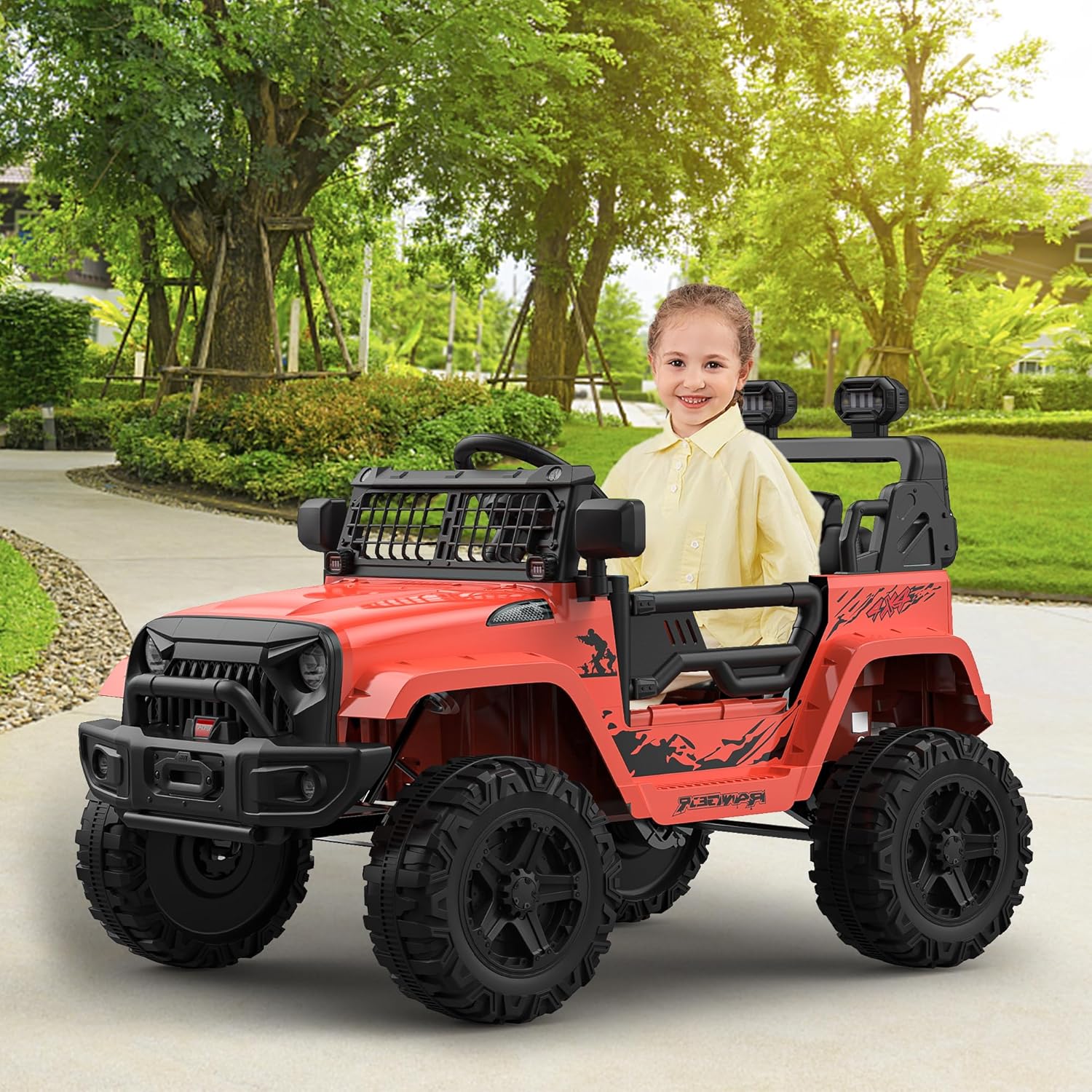
Pros:

  • Dual control with electric pedal and parent remote for safety
  • Realistic siren sounds and microphone for immersive play
  • Built-in MP3 socket and steering wheel sounds for entertainment
  • Four-wheel suspension provides a comfortable ride
  • Power display keeps track of battery life
  • Opening doors add to the authentic police car experience

Cons:

  • Small size may limit use for larger or older children
  • Relatively high overall sales rank suggests moderate popularity

My Practical Opinion

This ride-on police car is ideal for parents looking for a safe and entertaining vehicle for young children. Its dual control option makes it user-friendly for beginners, and the realistic features encourage imaginative play. After purchasing, I would recommend supervising initial rides until the child is comfortable with the controls. The sturdy build and safety features provide peace of mind, making it a practical choice without overwhelming complexity.

For families wanting a balance of fun and safety, this model fits well. It’s a dependable option that offers both excitement and control, making it a solid addition to any child’s collection of outdoor toys.

Best for Why
Young children aged 3+ Small size and safe speed suitable for beginners
Parents seeking remote control safety Dual control allows parents to intervene when needed
Kids who enjoy imaginative play Realistic siren, microphone, and music features enhance role play
Families wanting durable outdoor toys Four-wheel suspension and sturdy build for varied terrain

Choosing the best kids ride on police car with siren involves considering safety, features, and ease of use to ensure an enjoyable and secure experience for your child.

  • Is the ride-on car made from durable and non-toxic materials?
  • Does it have reliable safety features like seat belts or speed limits?
  • Is the siren sound adjustable or can it be turned off?
  • How easy is it for your child to operate the controls?
  • Is the battery life sufficient for extended playtime?
  • Does it fit your child’s age, size, and weight requirements?

If you still have questions, the FAQs help.

Faqs Of Best Kids Ride On Police Car With Siren 2026

Is the Best Kids Ride On Police Car with Siren safe for toddlers?

Yes, it includes secure seat belts and smooth edges. Always supervise young children during use to ensure safety.

What size child fits best in this ride-on police car?

The car suits kids aged 3 to 7 years, supporting up to 66 lbs. Check the product dimensions to confirm it fits your child comfortably.

How do I clean the Best Kids Ride On Police Car with Siren?

Use a damp cloth and mild soap to wipe surfaces. Avoid harsh chemicals to keep the car’s finish and electronics safe.

Can this police car be used daily without damage?

Yes, it is designed for regular outdoor use with durable materials. Ensure proper charging and storage to extend its life.

Does the siren affect the child’s hearing safety?

The siren is designed at a safe volume for kids. Limit playtime with the siren to avoid any discomfort or hearing issues.

How easy is it to maintain the battery and electronics?

Battery maintenance is simple: charge fully and avoid overuse. Keep the electronics dry and inspect connections regularly.

Selecting the ideal kids ride-on police car with siren involves considering factors like safety, durability, and ease of use. It’s important to think about the child’s age and preferences to ensure the experience is both enjoyable and appropriate. Features such as realistic sounds and comfortable seating can enhance playtime without overwhelming young riders.

Ultimately, the best choice aligns with your budget and the intended environment, whether indoors or outdoors. Prioritizing quality and thoughtful design will provide lasting fun and peace of mind. Taking a balanced approach makes the decision feel natural and satisfying.

Trust your instincts to find the right fit for your little one.

Parental Remote Vs Kid-Controlled Ride-Ons Differences Key Insights

Parental Remote Vs Kid-Controlled Ride-Ons Differences: Key Insights

Are you trying to decide between a parental remote ride-on and a kid-controlled ride-on for your child? Knowing the key differences can make all the difference in your choice.

You want your little one to have fun, but safety and control are just as important. Should you be the one steering the fun, or is your child ready to take the wheel on their own? This guide breaks down what sets these two types of ride-ons apart, helping you find the perfect fit for your family’s needs.

Keep reading to discover which option gives you peace of mind while letting your child enjoy the ride.

Remote-controlled Ride-ons

Remote-controlled ride-ons offer a unique way for parents to guide and supervise their children’s play. These toys come with a handheld remote that lets parents control the ride-on vehicle’s movements. This feature ensures safety while allowing kids to enjoy the fun of a ride-on without full control.

Parents can steer, stop, and start the ride-on from a distance. This control helps prevent accidents and keeps kids within a safe area. It also allows parents to join the playtime actively, making the experience more enjoyable for both.

How Remote Controls Work

Remote controls use radio waves to communicate with the ride-on toy. When a parent presses a button, the remote sends signals to the vehicle’s receiver. The receiver then moves the ride-on in the desired direction or speed.

This wireless system works within a set range, usually about 30 to 50 meters. The signals travel instantly, making the ride-on respond quickly to commands. This technology gives parents full control over the toy’s motion.

Benefits For Parents

Remote-controlled ride-ons offer peace of mind. Parents can stop the toy anytime if a hazard appears. They can also guide the ride-on away from streets or dangerous areas.

It makes supervising active kids easier without constant chasing. Parents can enjoy watching their children play safely. The remote control also helps kids learn to share control and follow directions.

Ideal Age Range

These ride-ons suit children aged two to five years best. Younger kids benefit from parental control for safety. Older kids may prefer to drive the ride-on themselves.

Parents should check the manufacturer’s age recommendations. Choosing the right size and speed ensures a fun and secure playtime. Remote control ride-ons help toddlers build confidence before full driving.

Parental Remote Vs Kid-Controlled Ride-Ons Differences: Key Insights
Parental Remote Vs Kid-Controlled Ride-Ons Differences: Key Insights 42

Kid-controlled Ride-ons

Kid-controlled ride-ons let children drive and steer on their own. These toys encourage independence and fun. Kids can enjoy the thrill of controlling their ride. They learn to navigate and make decisions while playing. These ride-ons come in various designs and control styles.

Types Of Controls

Kid-controlled ride-ons usually have simple controls. Most use a pedal to move forward and backward. Steering wheels or handlebars help kids turn easily. Some models include buttons for sounds or lights. Controls are designed for small hands and easy use.

Skill Development

Driving kid-controlled ride-ons helps develop important skills. Children improve hand-eye coordination by steering. They learn balance and motor skills while riding. These toys also teach spatial awareness and safety. Playing with ride-ons builds confidence and independence.

Age Suitability

Kid-controlled ride-ons suit children aged 3 to 7 years. Younger kids enjoy slower, simple models for safety. Older kids can handle faster rides with more features. Always check manufacturer age recommendations for safety. Proper age ensures a fun and safe experience.

Safety Features

Safety is the top priority for ride-on toys. Both parental remote and kid-controlled ride-ons come with features to keep children secure. These features help prevent accidents and give parents peace of mind. Understanding these safety aspects helps in choosing the right ride-on for your child.

Parental Monitoring

Parental remote ride-ons allow adults to control the toy remotely. Parents can steer, stop, or slow down the ride-on anytime. This control helps in avoiding dangerous situations. Kid-controlled ride-ons rely on the child’s ability to drive safely. Parents watch closely but cannot intervene directly through controls.

Speed Limits

Speed limits vary between remote and kid-controlled ride-ons. Parental remote models often have adjustable speed settings. Parents set safe speeds based on the child’s skill and environment. Kid-controlled ride-ons usually have fixed speeds. These speeds are designed to be safe but can be harder to adjust.

Emergency Stop Options

Emergency stop features add an extra layer of safety. Parental remote ride-ons include buttons to stop the toy instantly. This feature is helpful if the child loses control or moves toward danger. Kid-controlled ride-ons may not have an emergency stop button. Parents must intervene physically to stop the ride-on in emergencies.

Parental Remote Vs Kid-Controlled Ride-Ons Differences: Key Insights
Parental Remote Vs Kid-Controlled Ride-Ons Differences: Key Insights 43

Performance Differences

Performance differences between parental remote-controlled and kid-controlled ride-ons shape how children experience these toys. Each type offers unique strengths in speed, power, battery life, and terrain handling. These factors influence safety, fun, and usability during playtime.

Speed And Power

Parental remote-controlled ride-ons often have lower top speeds. This limit helps parents keep control and ensure safety. Kid-controlled ride-ons usually offer higher speeds. These allow children to enjoy more freedom and excitement. Power levels also differ. Remote models prioritize smooth, steady power. Kid models focus on bursts of speed and quick acceleration.

Battery Life

Remote-controlled ride-ons generally have longer battery life. This suits parents who want longer monitoring without frequent recharges. Kid-controlled ride-ons may drain batteries faster. Higher speeds and stronger motors use more power. Battery life varies by model and usage. Parents should check specifications before buying.

Terrain Handling

Parental remote ride-ons often handle flat, smooth surfaces best. Their controlled speed and power limit rough terrain use. Kid-controlled ride-ons may perform better on varied surfaces. They often have stronger motors and better traction. This allows kids to explore different outdoor areas. Terrain handling affects where children can safely ride.

Design And Durability

The design and durability of ride-on toys greatly influence their safety and longevity. Parents often weigh these factors when choosing between parental remote-controlled and kid-controlled ride-ons. Each type offers unique features in build and materials that affect how well they hold up during play. Understanding these differences helps in selecting the best option for a child’s needs and environment.

Build Quality

Parental remote ride-ons usually have a robust build. They are designed to handle control by adults, who often operate the toy at different speeds and terrains. The structure tends to be stronger to withstand rough handling and frequent use.

Kid-controlled ride-ons focus on lightweight and easy-to-handle designs. They prioritize comfort and maneuverability for young children. Although sturdy, these models may not be as heavy-duty as remote-controlled ones.

Materials Used

Most remote ride-ons use high-grade plastic and metal parts. These materials ensure durability and safety for extended use. The quality often reflects the toy’s price and brand reputation.

Kid-controlled ride-ons often use lighter plastics and simpler components. This choice keeps the toy affordable and easy to move. Materials are still safe but may not resist heavy impacts as well as those in remote models.

Maintenance Needs

Parental remote ride-ons require regular checks on electronics and batteries. The remote control system needs proper care to avoid malfunctions. Cleaning and tightening parts also help maintain performance.

Kid-controlled ride-ons need less technical maintenance. Focus is mostly on cleaning and checking for loose parts. Battery care is simpler, as these toys often have fewer electronic components.

Cost Comparison

Understanding the cost differences between parental remote and kid-controlled ride-ons helps families choose wisely. Both types offer fun but vary in price and expenses over time. Evaluating these costs assists in budgeting for your child’s enjoyment.

Initial Price

Parental remote ride-ons usually cost more at purchase. They include extra parts like remote control devices and safety features. Kid-controlled ride-ons often have a simpler design, making them less expensive upfront. The price difference reflects the technology and control options each type offers.

Long-term Expenses

Parental remote ride-ons might require more maintenance due to their complex systems. Batteries for remotes and ride-ons can add to ongoing costs. Kid-controlled ride-ons tend to have fewer parts, lowering repair and replacement needs. Charging and battery replacement costs vary but are important to consider for both types.

Choosing The Right Ride-on

Choosing the right ride-on for your child takes careful thought. The right choice makes playtime fun and safe. It helps your child build skills and confidence. Two main options exist: parental remote-controlled and kid-controlled ride-ons. Understanding their differences helps you pick the best fit.

Assessing Child’s Age And Ability

Young children need simple controls and slower speeds. Parental remote-controlled ride-ons suit toddlers who cannot drive yet. Older kids enjoy kid-controlled models that boost independence. Match the ride-on to your child’s motor skills and coordination. This match ensures they enjoy and learn safely.

Considering Safety Priorities

Safety is the top concern for every parent. Remote-controlled ride-ons allow adults to stop or steer anytime. This control reduces risks in busy or unsafe areas. Kid-controlled ride-ons offer freedom but need more supervision. Look for models with seat belts and speed limits. These features protect your child during play.

Evaluating Parental Involvement

Think about how much you want to join playtime. Remote-controlled ride-ons let parents guide and assist constantly. This option suits parents who want close supervision. Kid-controlled ride-ons encourage children to explore on their own. They build independence but require trust and readiness. Choose the level of involvement that fits your family.

Parental Remote Vs Kid-Controlled Ride-Ons Differences: Key Insights
Parental Remote Vs Kid-Controlled Ride-Ons Differences: Key Insights 44

Frequently Asked Questions

What Is The Difference Between Remote Control And Radio Control Cars?

Remote control cars use infrared signals and require line-of-sight. Radio control cars use radio waves, allowing longer range and no line-of-sight needed.

What’s The Best Age For A Remote Control Car?

The best age for a remote control car is typically 3 to 5 years. These cars suit young kids with simple controls and safe speeds. Parents can choose models with remote control for added safety and guidance during play.

What Are The Different Types Of Ride-on Toys?

Ride-on toys include pedal-powered bikes, electric cars, scooters, push cars, and remote-controlled vehicles. Each offers unique fun and learning experiences.

How Does Remote Control Work For Kids?

Remote control for kids works by sending radio signals from a handheld device to the toy. Pressing buttons triggers movements. Parents can guide or children can control, ensuring safe and fun play. This technology uses simple wireless communication for easy operation.

Conclusion

Parental remote and kid-controlled ride-ons each offer unique benefits. Parental remotes provide safety and control for younger children. Kid-controlled ride-ons give kids freedom and help build confidence. Choosing depends on your child’s age and skill level. Both types encourage outdoor play and fun learning.

Understanding these differences helps parents pick the best ride-on toy. Enjoy watching your child explore and grow safely.

Electric Ride-On Motorcycle Vs Car Which is Better Ultimate Showdown

Electric Ride-On Motorcycle Vs Car Which is Better: Ultimate Showdown

Are you torn between choosing an electric ride-on motorcycle or a car? Both offer exciting ways to get around, but which one truly fits your lifestyle and needs better?

Whether you’re looking for speed, convenience, or fun, understanding the key differences can help you make the right choice. You’ll discover the pros and cons of electric motorcycles and cars, so you can decide which ride suits you best. Ready to find out which option wins?

Keep reading to get the full scoop.

Electric Ride-On Motorcycle Vs Car Which is Better: Ultimate Showdown
Electric Ride-On Motorcycle Vs Car Which is Better: Ultimate Showdown 48

Electric Ride-on Motorcycles

Electric ride-on motorcycles offer a fun and eco-friendly option for kids. These mini bikes mimic real motorcycles but run on electric power. They come in various styles and sizes, fitting different ages and preferences. Many parents choose them for their quiet operation and low maintenance. Kids enjoy the thrill of riding something that looks and feels like a real motorcycle.

Design And Features

Electric ride-on motorcycles often have sleek, sporty designs. They include working headlights, realistic sounds, and sometimes even Bluetooth speakers. The size is usually perfect for children aged 3 to 8 years. Some models have adjustable seats and handlebar heights. The controls are simple, with easy-to-use throttle and brake systems. Safety features like speed limiters and sturdy frames are common.

Performance And Speed

These motorcycles offer moderate speeds that suit young riders. Most models reach speeds between 3 to 7 miles per hour. The acceleration is smooth to avoid sudden jerks. Electric motors provide quiet rides without the noise of gas engines. The performance is enough for fun rides in parks or backyards. They handle small obstacles and flat surfaces well.

Battery Life And Range

Batteries usually last from 1 to 2 hours on a full charge. Charging time varies but often takes 4 to 8 hours. The range depends on speed and terrain but generally covers 3 to 5 miles. Some motorcycles include removable batteries for easy charging. The battery life supports short play sessions throughout the day. Parents should monitor battery levels to ensure safe use.

Safety Considerations

Safety is a top priority with electric ride-on motorcycles. Most come with built-in speed limits to control how fast kids can go. Sturdy frames help prevent tipping during turns. Parents should ensure kids wear helmets and protective gear. Supervision is important, especially on uneven or hard surfaces. Choosing models with remote control features allows adults to stop the bike if needed.

Electric Ride-On Motorcycle Vs Car Which is Better: Ultimate Showdown
Electric Ride-On Motorcycle Vs Car Which is Better: Ultimate Showdown 49

Electric Ride-on Cars

Electric ride-on cars are a popular choice for kids who love to drive. These mini vehicles mimic real cars and offer a fun experience. They come in many styles and colors. Parents appreciate their safety features and ease of use. Kids enjoy the chance to explore and play outdoors. These cars combine fun with learning basic driving skills.

Design And Features

Electric ride-on cars have realistic designs. Some models look like sports cars or SUVs. They include working headlights and horn sounds. Seats are made for comfort and safety. Many cars have remote controls for parents. This helps adults guide the car when needed. Simple controls make it easy for kids to drive. Some models feature music players and storage space.

Performance And Speed

These cars usually run at safe speeds. Most models reach between 2 to 5 miles per hour. This speed is perfect for young children. The motor power varies by model and size. Some cars can handle smooth outdoor surfaces well. They offer smooth acceleration and easy steering. Speed settings often allow parents to limit top speed. This keeps the ride safe and controlled.

Battery Life And Range

The battery life of ride-on cars varies. Most batteries last between 1 to 2 hours of playtime. Charging usually takes 6 to 8 hours. Battery range depends on speed and terrain. Flat surfaces help extend battery life. Some cars show battery status on a display. Parents should plan charging times for longer use. Proper care can increase battery lifespan.

Safety Considerations

Safety is a top priority for electric ride-on cars. Many models come with seat belts for kids. Speed limiters prevent driving too fast. Remote control lets parents stop or slow the car. Cars have sturdy build materials to protect children. It is best to use these cars on flat, open areas. Helmets and supervision add extra safety. Regular maintenance checks keep the car safe to use.

Cost Comparison

Comparing costs between electric ride-on motorcycles and cars reveals clear differences. Understanding these costs helps you make smart choices. Expenses go beyond the initial price. Maintenance, repairs, and battery replacements also affect the total cost of ownership.

Initial Purchase Price

Electric ride-on motorcycles usually cost less upfront than electric cars. The price depends on size, brand, and features. Small electric motorcycles are budget-friendly for kids and beginners. Electric cars demand a bigger investment because of advanced technology and larger batteries.

Maintenance And Repairs

Electric motorcycles have fewer moving parts, reducing maintenance needs. Regular checks on tires, brakes, and batteries are necessary. Electric cars require more maintenance, including software updates and complex system checks. Repair costs for cars tend to be higher due to their size and components.

Battery Replacement Costs

Batteries in electric motorcycles are smaller and cheaper to replace. Their lifespan varies but usually lasts several years. Electric car batteries cost more due to their capacity and complexity. Replacing a car battery is a significant expense but rarely needed early in ownership.

User Experience

User experience plays a key role in deciding between an electric ride-on motorcycle and a car. It affects how easy and comfortable the ride feels. Different users may find distinct benefits in each type of vehicle. Understanding these factors helps choose the best option for daily use and fun.

Ease Of Use

Electric ride-on motorcycles are lightweight and easy to handle. They require less space for parking and maneuvering. Cars offer more controls but can be harder to park in tight spots. Motorcycles start quickly with simple controls. Cars have more buttons and pedals, which may confuse some users.

Comfort And Space

Cars provide more comfort with cushioned seats and weather protection. They fit multiple passengers and extra cargo. Motorcycles have limited space and expose riders to weather conditions. The seat can be narrow, causing discomfort on long rides. For families or carrying luggage, cars are a better fit.

Learning Curve

Riding an electric motorcycle needs balance and coordination. Beginners may need practice to feel confident. Cars are easier to learn, especially for those familiar with driving. They offer stability and more protection. Some users find motorcycles exciting but challenging at first.

Safety And Security

Safety and security are key concerns when choosing between an electric ride-on motorcycle and a car. Both have risks and features that affect user protection. Understanding these factors helps pick the safer option for kids or beginners. Below is a look at accident risks, protective features, and theft issues.

Accident Risks

Electric motorcycles expose riders to more accident risks than cars. They are smaller and less visible on the road. Riders sit higher and have less protection in crashes. Cars offer a metal frame and airbags for safety. Kids on motorcycles can fall more easily without seat belts. Speed and control also affect accident chances. Cars are generally safer due to better stability and protection.

Protective Features

Cars have built-in safety features like airbags, seat belts, and crumple zones. These reduce injury during collisions. Electric ride-on motorcycles have fewer safety features. Some models include speed limiters and remote controls for parents. Helmets and pads must be used with motorcycles for protection. Proper gear is essential to avoid serious injuries. Cars provide more passive protection without extra equipment.

Theft And Security Issues

Electric motorcycles are easier to steal due to their size and weight. They can be carried away quickly or hidden. Cars have more advanced locks and alarm systems. They are harder to move without keys or power. Some electric motorcycles have GPS tracking to improve security. Parking in safe, visible areas lowers theft risk for both. Investing in security devices benefits owners of either vehicle.

Environmental Impact

The environmental impact of electric ride-on motorcycles and cars plays a key role in choosing the better option. Both vehicles affect the planet differently through energy use, emissions, and waste management. Understanding these factors helps make a smart decision that supports sustainability.

Energy Consumption

Electric ride-on motorcycles consume less energy than electric cars. Their smaller size and lighter weight require less power to operate. This lower energy demand means they use fewer resources during charging. Cars need more energy due to their larger batteries and heavier frames.

Emissions

Electric vehicles produce no tailpipe emissions while running. This fact reduces air pollution in cities. However, emissions depend on the electricity source. Coal or gas power plants create pollution during electricity generation. Using renewable energy for charging cuts emissions significantly. Electric motorcycles usually have smaller batteries, so their overall emissions are lower.

Recycling And Disposal

Both electric motorcycles and cars use batteries that require careful disposal. Recycling battery materials helps reduce environmental harm. Larger car batteries involve more complex recycling processes. Motorcycles have fewer toxic materials and smaller batteries, making recycling easier. Proper disposal prevents harmful chemicals from entering the soil and water.

Suitability For Different Ages

Choosing between an electric ride-on motorcycle and a car depends on the child’s age. Each vehicle suits certain age groups better. Safety, size, and control features matter a lot. Parents must pick the right option to match their child’s needs. Below is a clear guide to help decide.

Toddlers And Young Kids

Electric ride-on cars often work best for toddlers. They are larger and more stable. Many have slow speeds and simple controls. This makes them safe for beginners. Motorcycles may be hard to balance for this age. Young kids need more support and security. Cars provide a safer and steadier ride.

Older Children And Teens

Older kids enjoy electric motorcycles more. They offer a sporty feel and faster speeds. Teens find motorcycles more exciting to drive. Motorcycles also improve balance and coordination skills. Ride-on cars can feel slow or boring for this age. Motorcycles better suit older children’s interests and abilities.

Parental Controls And Supervision

Both electric cars and motorcycles offer parental controls. Speed limits and remote stops keep kids safe. Parents can supervise rides easily. Cars often have more control features for safety. Supervision is key, no matter the vehicle type. Controls help prevent accidents and build confidence.

Pros And Cons Summary

Choosing between an electric ride-on motorcycle and an electric car means weighing their benefits and drawbacks. Both offer eco-friendly travel options but differ in design, use, and cost. This summary highlights key pros and cons of each vehicle type. It helps you decide which fits your needs and lifestyle better.

Advantages Of Electric Motorcycles

  • Lightweight and easy to maneuver in traffic.
  • Lower cost compared to electric cars.
  • Faster charging times for quick trips.
  • Compact size makes parking simple.
  • Offers a fun and sporty riding experience.

Advantages Of Electric Cars

  • More space for passengers and cargo.
  • Better safety features and protection.
  • Longer range for extended travel.
  • Comfortable ride with weather protection.
  • Suitable for families and group travel.

Common Drawbacks

  • Limited range can affect longer journeys.
  • Charging infrastructure may not be widespread.
  • Higher initial cost than gas-powered vehicles.
  • Battery life decreases over time.
  • Weather conditions can impact performance.

Choosing The Right Option

Choosing the right electric ride-on vehicle depends on several important factors. Each option offers unique benefits and fits different needs. Thinking about your lifestyle and daily use helps narrow down the best choice. Space and budget also play a key role in this decision. Let’s explore these points to help you decide between an electric ride-on motorcycle and car.

Lifestyle And Usage Needs

Consider how often and where you will use the vehicle. Motorcycles work well for quick trips and narrow roads. They offer more agility and easy parking. Electric cars provide comfort and protection from weather. They suit longer rides and carrying more passengers. Think about your daily routes and what feels most practical.

Space And Storage

Storage space is a crucial factor. Motorcycles require less space in your garage or driveway. They take up less room and are easier to store. Electric cars need more parking space and a larger charging setup. If space is limited, a motorcycle might be more convenient. Also, consider how easy it is to charge each vehicle at home.

Budget Considerations

Budget affects both initial purchase and ongoing costs. Electric motorcycles usually cost less than electric cars. They also use less electricity to charge. Maintenance costs can vary but motorcycles often have simpler parts. Electric cars offer more features but come with a higher price tag. Decide what fits your budget now and over time.

Electric Ride-On Motorcycle Vs Car Which is Better: Ultimate Showdown
Electric Ride-On Motorcycle Vs Car Which is Better: Ultimate Showdown 50

Frequently Asked Questions

What Are The Disadvantages Of An Electric Motorcycle?

Electric motorcycles have limited range and long charging times. They cost more upfront and may lack charging infrastructure. Battery performance can decline in extreme weather. Maintenance requires specialized skills, increasing costs. Heavy batteries affect handling and portability. Theft risk is higher due to valuable components.

What Are The Negatives Of E-bikes?

E-bikes have high upfront costs and require frequent charging. Their heavy weight makes pedaling hard without power. Battery range limits trips and electronics increase maintenance. They offer less exercise and attract theft. Weather can affect performance, reducing reliability in extreme conditions.

What Is The 12 Second Rule For Motorcycles?

The 12 second rule for motorcycles means riders should wait 12 seconds after starting before moving. This ensures engine stability and safety.

What Is The Life Expectancy Of An Electric Motorcycle?

Electric motorcycles typically last 10-15 years or 50,000-100,000 miles, depending on battery care and usage. Regular maintenance extends lifespan.

Conclusion

Choosing between an electric ride-on motorcycle and a car depends on your needs. Motorcycles offer agility and fun but have limited range. Cars provide more space and comfort but may cost more. Consider where you will use it and how often.

Think about maintenance and charging time as well. Both have pros and cons worth weighing. Pick the one that suits your lifestyle best. Simple and smart choices make rides enjoyable and worry-free.

Single Motor Vs Dual Motor Ride-On Cars Which Is Best for Kids

Single Motor Vs Dual Motor Ride-On Cars: Which Is Best for Kids?

Choosing the right ride-on car for your child can feel confusing. One of the main decisions parents face is whether to buy a single motor or dual motor ride-on car. At first, these terms sound technical, but they have a big impact on how your child experiences their new toy. The right motor system influences everything from speed and power to battery life and even safety. This guide will break down the real differences between single and dual motor ride-ons, explain which is better in different situations, and help you make a confident, informed choice.

Many parents focus only on size, color, or brand. But the motor setup is often more important for performance and satisfaction. Understanding how these cars work—and the trade-offs—will save you money, prevent disappointment, and give your child the best possible ride.

Let’s look at what makes these two types of ride-on cars unique, and why your decision matters more than you might think.

What Are Single Motor Ride-on Cars?

A single motor ride-on car is powered by just one electric motor. This motor usually drives either the rear or the front wheels, rarely all four. The design is simple, cost-effective, and easy for young children to use. Most single motor cars are recommended for flat surfaces and light use.

What Are Single Motor Ride-on Cars
Single Motor Vs Dual Motor Ride-On Cars: Which Is Best for Kids? 56

Single motor cars are often the first ride-on toys that parents consider. They are usually smaller, lighter, and less expensive than dual motor models. The single motor provides all the force to move the car, controlling both speed and direction.

Many models come with basic features like forward and reverse, simple steering, and sometimes basic lights and sounds.

A key point: single motor cars often struggle on uneven ground, grass, or small inclines. Because only one set of wheels is powered, there is less traction and climbing ability. Still, on smooth indoor floors or sidewalks, single motor ride-ons work well and are easy to control.

What Are Dual Motor Ride-on Cars?

A dual motor ride-on car uses two separate electric motors. Usually, each motor powers a different wheel or a pair of wheels (for example, one for the left side, one for the right). This setup is more powerful, offers better control, and can handle a wider range of surfaces.

What Are Dual Motor Ride-on Cars
Single Motor Vs Dual Motor Ride-On Cars: Which Is Best for Kids? 57

Dual motor cars are designed for children who want more adventure or need to drive on grass, gravel, or gentle slopes. The motors work together, delivering more torque and better handling, especially when turning or dealing with obstacles. This gives the child a smoother, less frustrating ride.

Many dual motor models also include extra features, such as advanced suspension, higher weight limits, and even parental remote controls. They are often larger and heavier, which means the car feels more stable and durable. However, all these benefits come with a higher price tag and slightly more complex maintenance.

Key Differences: Single Motor Vs Dual Motor

Understanding the technical and practical differences is the foundation for choosing the right car. Here is a direct comparison to help you see the main distinctions:

FeatureSingle MotorDual Motor
Number of Motors12
Drive WheelsUsually rear or front onlyBoth sides (left & right) or both rear wheels
Surface CapabilityFlat, smooth onlyGrass, gravel, inclines
SpeedUsually slower (2-3 mph)Faster (up to 5 mph)
Power & TorqueLowHigh
Battery LifeLonger (uses less power)Shorter (uses more power)
Weight LimitLower (50-60 lbs)Higher (up to 100 lbs+)
PriceLower ($100-$200)Higher ($200-$400+)
MaintenanceSimpleMore involved

Performance: Which Is Better For Different Terrains?

One of the most important differences is how these cars handle various surfaces. Children don’t just drive on perfect, flat floors. They want to explore the backyard, drive over grass, or even try a small hill. The motor setup makes a huge difference in these situations.

Flat Indoor Floors

Single motor cars work well indoors. The motor provides enough power for smooth surfaces, and the lower speed is safer for young children. Dual motor cars will also perform well, but the extra power is not needed indoors.

Outdoor Pavement Or Sidewalks

Both types can handle sidewalks and driveways, but dual motor cars offer a smoother, more stable ride, especially if there are small bumps or cracks. The added power makes stops and starts easier, reducing the chance of getting stuck.

Grass And Uneven Surfaces

This is where dual motors win clearly. On grass, sand, or gravel, single motor cars often slow down or stop completely. Dual motor cars use their two motors to deliver more torque and keep moving, even if one wheel loses grip.

For children who want to ride off the sidewalk, dual motor is a must.

Inclines And Small Hills

Single motors struggle with inclines, especially as the child gets heavier. The car may move very slowly or not at all. Dual motor cars can climb gentle slopes, although the steepness they can handle depends on the model and battery strength.

Real-world Example

A parent buys a single motor ride-on for their daughter. On the living room floor, it works perfectly. But in the backyard, the car barely moves over the grass, and their daughter loses interest. If they had chosen a dual motor, she could ride almost anywhere outside, making the toy much more fun and useful.

Single Motor Vs Dual Motor Ride-On Cars: Which Is Best for Kids?
Single Motor Vs Dual Motor Ride-On Cars: Which Is Best for Kids? 58

Speed And Power: What To Expect

Many parents want to know: “How fast do these cars go?” Speed is not everything, but it does affect how exciting the car feels.

Typical Speeds

  • Single motor: Most reach 2 to 3 miles per hour (about 3 to 5 km/h). This is a brisk walking speed, safe for young children.
  • Dual motor: Commonly reach 4 to 5 miles per hour (about 6 to 8 km/h). This feels much faster to a child, especially outdoors.

Acceleration

Dual motor cars accelerate more smoothly. When starting or stopping, the motors share the work, making the car less likely to jerk or stall. This is important for children who may not control the pedal perfectly.

Power And Torque

Torque is the turning force that helps a car start moving, especially when climbing or carrying weight. Single motor cars have limited torque, so they slow down easily when loaded or faced with obstacles. Dual motor cars have nearly double the torque, making them better for heavier children or challenging terrain.

Weight Carrying Capacity

Another important detail is how much weight the car can carry. See the comparison below:

Car TypeMax Weight Limit
Single Motor50-60 lbs (22-27 kg)
Dual Motor90-130 lbs (41-59 kg)

This means dual motor cars are better for older kids, or if siblings want to ride together.

Battery Life And Charging

Ride-on cars use rechargeable batteries, but the number of motors affects how long the car runs before needing a charge.

Single Motor Battery Life

Single motor cars use less power, so the battery lasts longer. Most can run for 1. 5 to 2 hours on a full charge, depending on the weight and surface.

Dual Motor Battery Life

Dual motor cars use more electricity. Expect 1 to 1. 5 hours of run time per charge. If the car is driven mostly on grass or slopes, the battery drains faster.

Charging Time

Both types usually need 8 to 12 hours to fully recharge. For longer play, look for models with removable batteries or consider buying a spare.

Battery Replacement

Batteries wear out over time, usually after 1-2 years. Dual motor models may need battery replacement sooner, especially if used heavily.

Non-obvious tip: Many parents forget to check the battery voltage before buying. Some ride-on cars have 6V, others 12V or 24V batteries. Higher voltage means more power and speed, but also faster battery drain. Always match the voltage with the car’s motor type for best results.

Safety Considerations

Safety is a priority for every parent. Both single and dual motor cars are designed for children, but there are important differences.

Speed Control

Single motor cars are slower, making them safer for toddlers or very young children. Dual motor cars may have higher speeds, but many also include parental remote controls, speed limiters, and seat belts for added safety.

Braking

Dual motor systems often have better electronic braking. When the child releases the pedal, both motors stop quickly, helping avoid bumps or collisions.

Stability

Dual motor cars are usually heavier and sit lower to the ground, making them less likely to tip over. This is especially important for outdoor play or when turning at higher speeds.

Remote Control

Many dual motor ride-ons come with a parental remote control. This allows adults to take over driving if needed, which is a major plus for children who are still learning.

Age Recommendations

  • Single motor: Best for ages 2-4, or children under 60 lbs.
  • Dual motor: Suitable for ages 3-8, or children up to 130 lbs.

Non-obvious safety insight: Always check the car’s wheels. Hard plastic wheels can slip on smooth floors, while rubberized wheels provide more grip and safer handling, especially on wet or uneven surfaces.

Price Comparison: Budget Vs Value

Ride-on cars are a big investment for many families. Let’s look at what you really get for your money.

Typical Price Ranges

  • Single motor cars: $100 to $200. Often found in toy stores or online marketplaces. Usually includes basic features only.
  • Dual motor cars: $200 to $400+. Higher-end models can cost $600 or more, especially with luxury features like leather seats, working headlights, or MP3 players.

What Are You Paying For?

With dual motor cars, the higher price covers:

  • Better motors and electronics
  • Stronger chassis and suspension
  • Advanced features (remote control, music, lights)
  • Higher weight limits and longer lifespan

Single motor cars are more basic but offer good value for younger children or indoor use.

Cost Over Time

Dual motor cars last longer as your child grows. Many parents who buy a single motor car upgrade to a dual motor model within a year or two as their child outgrows the first car. Considering this, dual motor cars can actually be more economical in the long run.

Durability And Maintenance

Parents want toys that last. The durability of ride-on cars depends not just on price, but also on the motor system.

Single Motor Durability

Single motor cars have fewer moving parts, so there is less to go wrong. However, the smaller motor can burn out if overloaded or used on rough surfaces. Plastic gears may wear quickly if the car is used outdoors often.

Dual Motor Durability

Dual motor cars use stronger parts, including metal gears and reinforced wheels. Each motor shares the workload, leading to less strain and longer life. However, more parts mean more things that could need fixing (like wiring or switches).

Maintenance Tips

  • Charge batteries fully before first use.
  • Avoid using ride-on cars in rain or wet conditions.
  • Clean wheels and motor area regularly to prevent dirt buildup.
  • Check for loose wires or connections every few months.
  • Replace worn batteries with the correct voltage and size.

Practical insight: Never let children ride with a low battery, as weak power can damage the motors over time.

Features And Extras: What Matters?

Modern ride-on cars come with many features, but not all are equally important. Here’s what to look for:

Essential Features

  • Seat belts: Must-have for safety
  • Parental remote control: Essential for young or inexperienced drivers
  • Working headlights: Useful for outdoor play in the evening
  • Sturdy wheels: Rubber or EVA foam for best grip

Nice-to-have Extras

  • Music and MP3 player: Fun but not essential
  • Opening doors or trunk: Adds realism
  • Suspension system: Smoother ride on bumpy surfaces
  • Painted or detailed body: More attractive, but can raise price

Dual Motor-only Features

Some features are usually available only on dual motor models:

  • Two-speed settings (high and low)
  • Realistic horn and engine sounds
  • More advanced dashboards with displays
  • Rear-wheel drive or all-wheel drive (rare in single motor cars)

Non-obvious insight: Sometimes, too many electronic features (like flashing lights or built-in games) can drain the battery faster. Choose based on your child’s preferences and play habits.

Who Should Choose Single Motor Ride-on Cars?

Single motor cars are not “bad”—they have a perfect use case. These are best for:

  • Very young children (ages 2-4)
  • Indoor play, or outdoor use on smooth driveways
  • Families on a tight budget
  • First-time buyers who want a simple, safe toy
  • Homes with small spaces (apartments, small patios)

If your child is light, cautious, and just starting to enjoy ride-on toys, a single motor car is usually enough.

Who Should Choose Dual Motor Ride-on Cars?

Dual motor cars are the better choice if:

  • Your child is 3 years or older
  • They want to ride outside, especially on grass or uneven ground
  • You have siblings who may ride together
  • You want the car to last for several years
  • You value advanced features and more realistic driving

For adventurous children or those who get bored easily, dual motors give the extra excitement and freedom they want.

Common Mistakes Parents Make

Buying a ride-on car is exciting, but many parents make avoidable mistakes. Here are some common errors and how to avoid them:

  • Ignoring the motor type: Many buyers focus on color or brand, not realizing the motor setup matters most for performance.
  • Underestimating your child’s growth: Children grow fast. A car that’s “just right” now may be too small or weak in six months.
  • Choosing based on indoor tests: Cars that work well indoors may fail outdoors, especially single motor types.
  • Forgetting about battery voltage: Don’t mix and match batteries; always use the correct voltage and type.
  • Not checking safety features: Some budget models skip seat belts or sturdy wheels to lower costs. Always check before buying.
  • Buying based on price only: The cheapest car may not last or perform well, leading to extra costs later.

Real-world tip: Read customer reviews and look for videos of the car in action, not just photos. This helps you see how it handles real surfaces and children of different ages.

Environmental And Noise Considerations

Ride-on cars are electric, so they are much quieter and cleaner than gas-powered toys.

  • Noise: Single motor cars are usually quieter, as there is less mechanical movement. Dual motors make a deeper hum but are not loud enough to disturb neighbors.
  • Emissions: Both types are zero-emission, making them safe for indoor and outdoor play.
  • Recycling: Batteries must be disposed of properly—never throw them in regular trash.

Environmental insight: Some brands use recyclable plastics or offer battery recycling programs. This can be a small but meaningful factor in your choice.

Comparing Popular Models

Here is a quick look at how popular models compare. These are examples to help you understand what is available.

ModelMotor TypeMax SpeedWeight LimitFeatures
Kidzone RacerSingle Motor2.5 mph55 lbsBasic, seat belt, lights
Best Choice JeepDual Motor3.7 mph65 lbsRemote, music, lights, 2 speeds
Costzon MercedesDual Motor4 mph88 lbsRemote, MP3, headlights, suspension
Power Wheels Dune RacerDual Motor5 mph130 lbs2 seats, steel frame, high speed, off-road tires
Little Tikes Cozy CoupeSingle Motor2 mph50 lbsSimple, lightweight, indoor use

How To Decide: A Step-by-step Guide

Still not sure which to choose? Use this decision process:

  • Where will your child drive most often?
  • Indoors or smooth pavement: Single motor is fine.
  • Grass, gravel, or inclines: Go for dual motor.
  • How old and heavy is your child?
  • Under 4 years or under 60 lbs: Single motor is suitable.
  • Over 4 years or over 60 lbs: Dual motor lasts longer.
  • How much do you want to spend?
  • Budget under $200: Single motor is your main option.
  • Budget $250+: Dual motor opens more choices.
  • Do you need advanced features?
  • Remote control, multiple speeds, better suspension: Only available on most dual motor models.
  • Is battery life important?
  • Long play sessions, few recharges: Single motor lasts longer per charge.
  • Do you care about resale value?
  • Dual motor cars often hold value better because of their durability and features.
Single Motor Vs Dual Motor Ride-On Cars: Which Is Best for Kids?
Single Motor Vs Dual Motor Ride-On Cars: Which Is Best for Kids? 59

The Verdict: Which Is Best?

There is no one-size-fits-all answer. Here’s a quick summary:

  • Single motor ride-on cars are perfect for toddlers, indoor use, and families on a budget. They are simple, safe, and easy to maintain.
  • Dual motor ride-on cars are the better choice for outdoor adventures, older or heavier children, and families who want a longer-lasting, more exciting toy. They cost more but offer much better performance and features.

If you can afford it and want the car to last, dual motor is usually the smart investment. But for a first-time toy or young child, single motor cars are safe and reliable.

For more technical details on electric motors in toys, you can read this Wikipedia article on electric motors.

Frequently Asked Questions

What Is The Main Benefit Of A Dual Motor Ride-on Car?

The main benefit is better performance on rough surfaces. Dual motors provide more power and torque, allowing the car to drive on grass, gravel, and small hills. They also usually support heavier children and advanced features like remote control and multiple speed settings.

Are Dual Motor Cars Always Faster Than Single Motor Cars?

Usually, yes. Dual motor cars are typically faster, reaching up to 5 mph, while single motor models usually max out at 2-3 mph. However, speed depends on battery voltage, weight, and the car’s electronics.

Can Two Children Ride Together In A Single Motor Car?

It is not recommended. Single motor cars have lower weight limits (50-60 lbs) and less power. Carrying two children can strain the motor and drain the battery quickly. Dual motor cars are better for shared rides.

How Long Do The Batteries Last In Each Type?

Single motor cars usually run for 1.5 to 2 hours per charge, while dual motor cars last about 1 to 1.5 hours. Play time depends on the weight of the child and the surface type. Batteries typically last 1-2 years before needing replacement.

Do All Dual Motor Cars Have Parental Remote Controls?

Not all, but most dual motor models include a parental remote, allowing adults to control the car for safety. Always check the product description to confirm if this feature is included.

—

Choosing between single and dual motor ride-on cars is about matching the car’s abilities with your child’s needs and play environment. Pay attention to where your child will drive, their age and weight, and what features matter most. If you keep these factors in mind, you’ll find a ride-on car that delivers hours of fun, adventure, and happy memories.

Single Motor Vs Dual Motor Ride-On Cars: Which Is Best for Kids?
Single Motor Vs Dual Motor Ride-On Cars: Which Is Best for Kids? 60
Features to Look for in Electric Ride-On Remote Systems

Features to Look for in Electric Ride-On Remote Systems: Ultimate Guide

If you’re considering an electric ride-on with a remote control, you want to make sure it’s safe, fun, and easy to use. But with so many options out there, how do you know which features really matter?

Choosing the right remote system can make all the difference in your child’s experience and your peace of mind. You’ll discover the key features to look for in electric ride-on remote systems—so you can pick one that offers control, safety, and lasting enjoyment.

Keep reading to find out how to make the smartest choice for your family’s next adventure.

Features to Look for in Electric Ride-On Remote Systems: Ultimate Guide
Features to Look for in Electric Ride-On Remote Systems: Ultimate Guide 64

Key Safety Features

Safety is the top priority in electric ride-on remote systems. These vehicles must protect children while offering fun and control. Key safety features help prevent accidents and keep parents worry-free. Every parent should check for these essential safety elements before buying.

Parental Remote Control

Parental remote control lets adults manage the ride remotely. It allows stopping or steering the vehicle when needed. Parents can guide children safely without taking over the ride. This feature gives peace of mind during outdoor play.

Seat Belts

Seat belts keep children securely seated during the ride. They reduce the risk of falling out or injury. A good ride-on must have adjustable and sturdy seat belts. Proper belts improve safety on rough or uneven surfaces.

Speed Control Settings

Speed control settings allow adjusting the vehicle’s speed. Slower speeds suit younger kids and beginners. Faster speeds can be for older children with more experience. Controlled speed prevents sudden moves that may cause accidents.

Emergency Stop Function

The emergency stop function immediately halts the vehicle. It is crucial for avoiding collisions or dangerous situations. Parents can activate this feature through the remote control. Quick stopping helps protect children in unexpected moments.

Motor And Power

The motor and power system are the heart of any electric ride-on remote system. They determine how fast the vehicle moves and how well it can handle different terrains. A good motor provides smooth acceleration and enough speed for fun rides. Power also impacts the overall performance and enjoyment your child gets from the ride-on toy. Understanding motor power and battery features helps choose the right model for your child’s age and needs.

Motor Power Vs. Age Suitability

Motor power should match the child’s age and size. Younger kids need lower power motors for safe speeds. Older kids can handle stronger motors with faster speeds. Too much power for a small child can be unsafe. Always check the recommended age on the product. This ensures the motor’s speed and strength fit your child’s skill level.

Battery System And Runtime

The battery system affects how long the ride-on lasts per charge. Larger batteries provide longer playtime. Smaller batteries may need frequent recharging. Look for batteries with good capacity and quality. Some models use lithium-ion batteries for longer life. Others have lead-acid batteries that are heavier but cheaper. Runtime depends on motor power and terrain too.

Charging Speed And Ease

Charging speed matters for quick turnarounds between uses. Fast chargers reduce downtime. Some ride-ons offer removable batteries for easy charging indoors. Others require the whole vehicle to plug in. Check if the charger is simple to use and safe. Easy charging encourages more playtime and less waiting.

Durability And Build

Durability and build quality are vital features in electric ride-on remote systems. They ensure the toy lasts longer and withstands rough play. A durable ride-on provides better safety and value for money. Choosing a well-built model reduces the need for frequent repairs.

Material Quality

High-quality materials resist wear and tear. Look for sturdy plastics or metal parts. These materials handle bumps and outdoor use well. Soft or thin materials break easily, causing frustration. Durable materials keep the ride-on safe and reliable.

Structural Integrity

The frame must be strong and stable. A solid structure supports the weight and movement of the child. Check for secure joints and tight fittings. Loose parts can cause accidents or damage. Good structural integrity means the ride-on stays intact over time.

Parts Availability For Repairs

Spare parts should be easy to find. Common parts include wheels, batteries, and motors. Availability makes fixing the ride-on quick and cheap. Without parts, small damage can stop the toy completely. Ensure the brand offers replacement parts before buying.

Features to Look for in Electric Ride-On Remote Systems: Ultimate Guide
Features to Look for in Electric Ride-On Remote Systems: Ultimate Guide 65

User Experience

The user experience is a key factor in enjoying electric ride-on remote systems. It shapes how children and parents interact with the toy. Comfort, control, and adaptability influence hours of fun and safety. Choosing features that enhance these aspects leads to better satisfaction and longer use.

Upgradability Options

Upgradability lets the ride-on evolve with the child’s skills. Some models allow battery upgrades for longer playtime. Others offer remote control enhancements for better range and precision. This flexibility keeps the experience fresh and engaging. It also saves money by extending the toy’s life.

Weight And Height Limits

Weight and height limits affect comfort and safety during rides. Each model has specific maximums to ensure proper handling. Exceeding these limits may cause damage or accidents. Choose a ride-on that fits the child’s current and near-future size. This ensures a secure and enjoyable ride every time.

Terrain Compatibility

Terrain compatibility determines where the ride-on can be used safely. Some models handle smooth indoor floors best. Others are built for grass, gravel, or uneven surfaces. Check the tire type and motor power for your intended play areas. Proper terrain match improves stability and prevents wear and tear.


Additional Features

Additional features in electric ride-on remote systems add extra fun and safety. These features improve the overall experience for both kids and parents. They help make playtime more engaging and worry-free.

Sound And Light Effects

Sound and light effects create a realistic ride experience. Engine sounds, horn noises, and music add excitement. Flashing headlights and colorful lights make the ride more visible. These effects also help capture a child’s attention.

Remote Range And Responsiveness

A good remote control should have a strong range. This allows parents to control the ride from a safe distance. Quick responsiveness ensures smooth steering and stopping. Reliable signals prevent delays or loss of control.

Safety Certifications

Safety certifications prove the product meets strict standards. Look for certifications from trusted organizations. These confirm the ride-on toy is safe to use. Certified products reduce the risk of accidents and injuries.

Features to Look for in Electric Ride-On Remote Systems: Ultimate Guide
Features to Look for in Electric Ride-On Remote Systems: Ultimate Guide 66

Frequently Asked Questions

What To Look For When Buying A Remote Control Car?

Check durability, battery life, speed control, age suitability, and safety features like seat belts and parental remote control.

What Are Some Features Of The E-drive Electric Motor?

The e-drive electric motor features powerful performance, flexible application-specific stators, and optimized rotors for various technologies. It ensures efficiency and adaptability.

Which Electric Vehicle Features Do You Value Most?

I value battery capacity for longer range, fast charging speed, safety features like seat belts, user-friendly controls, and reliable warranty coverage.

What To Look For In An Electric Vehicle?

Focus on battery range, charging speed, safety features, vehicle size, warranty, and total ownership cost for an electric vehicle.

Conclusion

Choosing the right features in an electric ride-on remote system matters a lot. Focus on durability to avoid frequent repairs. A reliable battery system ensures longer playtime. Easy-to-use remote controls improve safety and fun. Adjustable speed settings help match your child’s skill level.

Parts availability makes maintenance simpler and cheaper. These key points help you pick a system that lasts. Enjoy smooth rides with the best features in place. Your child will love the experience and stay safe.