
 Cart is empty
Many parents today are searching for the best ride-on vehicles for their children, but it’s easy to get confused by all the options. The 24V ride-on has become a popular choice, promising more power and excitement than smaller models. But what age is a 24V ride-on really for? Picking the right voltage isn’t just about speed—it’s also about safety, skill, and your child’s enjoyment. In this article, you’ll find a complete guide to understanding 24V ride-ons, from age recommendations to real-world examples, safety tips, and everything in between. Whether you’re a first-time buyer or upgrading from a 12V car, this guide will help you make an informed decision and avoid mistakes that could ruin the fun.
What Is A 24v Ride-on?
A 24V ride-on is a battery-powered vehicle designed for children. The “24V” means it uses a 24-volt battery, which makes it faster and more powerful than 6V or 12V ride-ons. These vehicles come in many forms, such as cars, trucks, ATVs, motorcycles, and even tractors. They are often made to look like real vehicles, which adds to the excitement for kids.
The main difference between 24V ride-ons and smaller models is the power. With more volts, the ride-on can go faster, climb steeper surfaces, and carry heavier kids. Many 24V ride-ons also have more advanced features, such as working lights, music, and remote controls for parents.
TL;DR Summary
A 24V ride-on is best suited for children aged 6 to 10 years who have developed the coordination and size to handle higher speeds and power. This guide helps parents evaluate weight limits, safety features like parental remotes, and terrain suitability to ensure a safe and thrilling upgrade for their kids.
Why Voltage Matters In Ride-on Cars
Choosing the right voltage is not just about speed—it’s about matching the vehicle to your child’s age, size, and skills. Higher voltage ride-ons, like 24V models, are built for older kids who can handle more power. Here’s why voltage matters:
- Speed: 24V ride-ons can reach speeds of 6-8 mph (10-13 km/h), compared to 12V models that often max out at 3-5 mph (5-8 km/h).
- Weight Limit: A 24V ride-on usually supports 100-130 lbs (45-60 kg), which is suitable for older or heavier children.
- Terrain: Higher voltage models work better on grass, gravel, and gentle slopes, while lower-voltage cars are best on flat, smooth surfaces.
- Battery Life: 24V batteries last longer but need more time to charge fully.
Parents often think “faster is better,” but this isn’t always true. If the ride-on is too powerful for a young child, it could be unsafe and less enjoyable. That’s why it’s important to match the voltage to your child’s abilities.
Recommended Age Range For 24v Ride-ons
Most manufacturers recommend 24V ride-ons for kids aged 6 to 10 years. This age range is not just a random number—it’s based on the skills, size, and safety needs of children. Let’s break down why this range makes sense.
Why 6-10 Years Is Ideal
Children in this age group usually have:
- Better coordination: They can steer, brake, and handle more powerful vehicles.
- Higher weight and height: 24V ride-ons are built for bigger kids.
- Increased awareness: Older children are more aware of their surroundings, which helps prevent accidents.
- Longer attention spans: They are more likely to use advanced features, such as MP3 players and lights, responsibly.
Exceptions To The Rule
Some children may be ready for a 24V ride-on before age 6, especially if they are tall, coordinated, and have experience with lower-voltage vehicles. However, parents should always check the manufacturer’s guidelines and consider their child’s maturity.
On the other hand, some 11-year-olds may still fit comfortably in a 24V ride-on if they are on the lighter side and enjoy the experience. Always check the weight limit and seat size.
How Physical Size Affects Suitability
It’s important to look at your child’s height and weight, not just their age. A tall 5-year-old who’s used to ride-ons might do well with a 24V car, while a smaller 8-year-old might find it too big. This is why many manufacturers provide both age and weight recommendations.
Comparison: 24v Vs. 12v And 6v Ride-ons
Understanding how 24V ride-ons compare to smaller options can help you make the right choice. Here’s a side-by-side look at the main features.
| Feature | 6V Ride-On | 12V Ride-On | 24V Ride-On |
|---|---|---|---|
| Recommended Age | 2-4 years | 3-7 years | 6-10 years |
| Top Speed | 2-3 mph (3-5 km/h) | 3-5 mph (5-8 km/h) | 6-8 mph (10-13 km/h) |
| Weight Limit | 40-50 lbs (18-23 kg) | 60-80 lbs (27-36 kg) | 100-130 lbs (45-60 kg) |
| Best Surface | Flat, indoor/outdoor | Pavement, short grass | Grass, gravel, slopes |
| Battery Life | 45-60 min | 1-2 hours | 1-2 hours |
A common beginner mistake is thinking that older kids will be happy with a 12V ride-on. In reality, many 7-10 year olds quickly outgrow these models because they want more speed and power. On the flip side, starting a 4-year-old on a 24V vehicle is risky—they may not have the coordination to drive safely.
Key Factors To Consider When Choosing A 24v Ride-on
Choosing the right ride-on isn’t just about age. Here are the most important factors to keep in mind:
- Weight Capacity: Always check the maximum supported weight. If your child is close to the limit, choose a bigger model.
- Safety Features: Look for seat belts, parental remote control, and automatic brakes.
- Speed Settings: Some 24V models offer adjustable speeds, which is great for beginners.
- Size: Make sure your child’s legs fit comfortably. Test the model if possible.
- Assembly: Some models need more setup. Check if you’re ready for the job or need help.
- Battery Life: Consider how long your child will want to play and how often you’re willing to recharge.
- Terrain Use: If you have a grassy yard or uneven ground, a 24V vehicle will perform better.
Real-world Example
Imagine your 8-year-old loves adventure and weighs about 70 lbs (32 kg). You live in a house with a big backyard and some hills. A 24V ride-on is perfect, giving your child the thrill they want and the power they need to drive on grass and slopes.
Now picture a 5-year-old who’s never driven a ride-on before. Even if they are tall, starting with a 12V car might be wiser. Once they gain confidence, you can upgrade to a 24V model.
Safety Concerns And Parental Guidelines
Safety is a top concern for any ride-on vehicle, and 24V models are no exception. They can reach speeds that surprise both kids and adults. Here’s how to keep your child safe:
Supervision
Always supervise children, especially when they are learning. A 24V ride-on can cover ground quickly, and accidents happen in a blink.
Helmet And Gear
While not all parents use helmets for ride-ons, it’s a smart choice for 24V models, especially if your child drives on uneven ground or at high speeds. Consider helmets and even elbow/knee pads for extra protection.
Safe Area
Make sure your child drives in a safe, open area away from traffic, water, and obstacles. Avoid slopes that are too steep.
Teaching Rules
Set clear rules for where and how the ride-on can be used. Teach your child to avoid sharp turns at high speed and to stop when you call out.
Parental Remote Control
Some 24V models include a parental remote control. This is an excellent feature for beginners. You can stop or steer the car if your child loses control.
Maintenance
Check the vehicle regularly for loose bolts, low tires, or battery issues. Teach your child to help with these checks—it’s a good learning experience.
Age And Maturity
Never push a child into a 24V ride-on before they are ready. If they seem scared or overwhelmed, step back and practice with a slower vehicle.
Weather
Wet grass or rain can make powerful ride-ons dangerous. Only use them in dry, clear weather.
Many parents miss the importance of regular safety checks. For example, loose wheels or a nearly dead battery can lead to sudden stops and potential falls.
Types Of 24v Ride-ons And Their Features
24V ride-ons come in many shapes and sizes. Here’s a look at the most popular types and what makes each special:
Cars
These are usually styled after real vehicles—think sports cars, SUVs, or luxury models. They often have two seats and features like LED lights, working horns, and MP3 players.
Trucks
24V trucks are bigger and can carry more weight. Some even have working beds for hauling toys, making them ideal for older kids who like to role-play.
Atvs And Quads
These are designed for off-road fun. They have bigger wheels and higher ground clearance, so they handle grass and dirt better.
Motorcycles
24V electric motorcycles give kids a taste of two-wheeled adventure. They are best for children with good balance and more riding experience.
Utvs And Dune Buggies
These ride-ons are built for rugged terrain and often come with real suspension. They’re great for adventurous kids who want to explore more than just the driveway.
Here’s a quick comparison of features you might find in different 24V ride-ons:
| Type | Seats | Terrain | Special Features |
|---|---|---|---|
| Car | 1-2 | Pavement, light grass | MP3, LED lights, horn |
| Truck | 2 | Grass, gravel | Storage bed, high weight limit |
| ATV/Quad | 1 | Off-road, dirt | Big wheels, suspension |
| Motorcycle | 1 | Pavement, flat grass | Realistic engine sounds |
| UTV/Dune Buggy | 2 | All terrain | Suspension, roll bar |
Common Mistakes Parents Make When Choosing A 24v Ride-on
Even well-intentioned parents can make mistakes when choosing a ride-on. Here are some to avoid:
- Ignoring Weight Limits: Putting a heavier child in a ride-on meant for smaller kids can damage the motor and reduce battery life.
- Overestimating Skill: Just because a child is old enough doesn’t mean they have the coordination for a 24V vehicle.
- Skipping Safety Gear: Helmets and pads might seem unnecessary for a ride-on, but they can prevent serious injuries.
- Choosing for Looks Only: Some cars look amazing but are uncomfortable or hard to drive.
- Not Checking Battery Specs: Some “24V” ride-ons use two 12V batteries, but not all batteries are equal. Check for reputable brands.
- Buying Too Early: Kids under 6 often can’t enjoy a 24V ride-on fully and may get scared.
- Forgetting the Terrain: If your yard is mostly pavement, you don’t need huge off-road tires.
An often-missed point is the importance of adjustable seats. Kids grow fast, and models with adjustable seats offer longer use.

How To Tell If Your Child Is Ready For A 24v Ride-on
Not sure if your child is ready for more power? Here are some signs:
- Confident with lower-voltage ride-ons: If your child drives a 12V car smoothly, they may be ready to move up.
- Good reaction time: They respond quickly to obstacles and your instructions.
- Follows rules: They understand and follow safety rules every time they ride.
- Physical fit: They fit in the seat with feet comfortably reaching pedals and hands on the wheel.
If your child hesitates, seems nervous, or struggles to follow instructions, wait a few months before upgrading.
Benefits Of 24v Ride-ons For Older Kids
Why not just stick with a 12V car? Here’s what makes 24V ride-ons special for older kids:
- More excitement: The extra speed and power keep older kids interested longer.
- Better for group play: Two seats mean friends or siblings can ride together.
- Improved motor skills: Handling a powerful ride-on helps develop coordination and reaction time.
- Outdoor activity: Encourages time outside, away from screens.
- Imaginative play: Many 24V models have realistic features, sparking creative games.
Parents sometimes forget that older kids need new challenges. A 24V ride-on can fill that gap, especially as an alternative to video games.
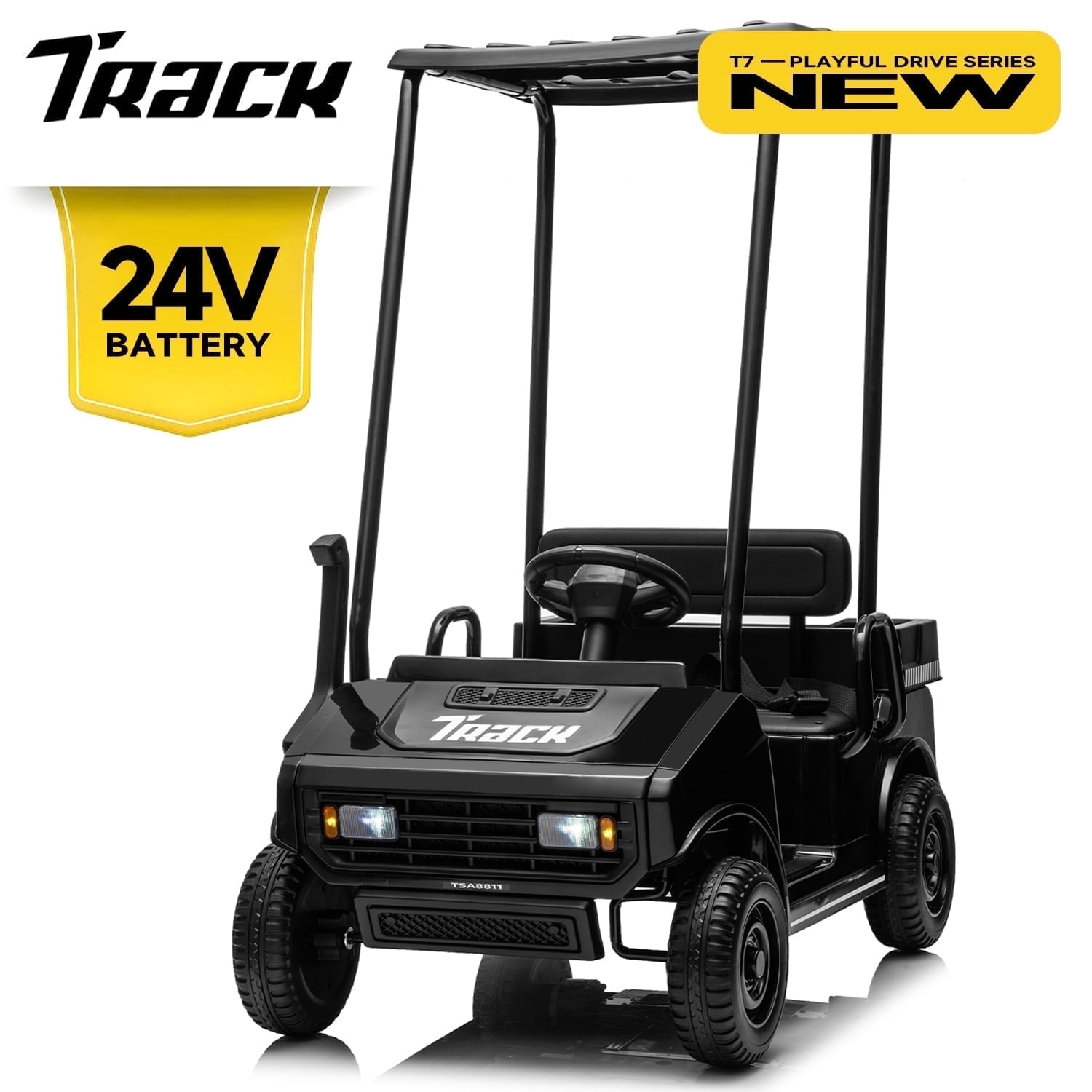
Tips For First-time Buyers
If you’re buying your first 24V ride-on, keep these tips in mind:
- Read reviews: Look for feedback from other parents, especially about battery life and durability.
- Test drive if possible: Let your child sit in the car before buying.
- Check for replacement parts: Some brands offer better support if something breaks.
- Look for warranty: A good warranty is important for expensive ride-ons.
- Compare prices: Don’t just buy the cheapest or most expensive—compare features and support.
Beginners often overlook the importance of after-sales support. Brands with easy-to-find parts and clear instructions make life much easier if repairs are needed.
Maintenance And Longevity Of 24v Ride-ons
A 24V ride-on is an investment. With proper care, it can last for years or be passed down to younger siblings. Here’s how to keep it running smoothly:
- Charge regularly: Don’t let the battery sit empty for weeks.
- Store indoors: Rain and sun can damage the battery and plastic parts.
- Clean after use: Dirt and grass can get stuck in wheels or gears.
- Check bolts and wheels: Every few weeks, make sure nothing is loose.
- Replace batteries as needed: Over time, batteries lose power. Replacement is usually easy.
Some parents miss the fact that long-term storage (like in winter) can drain the battery completely. Charge it every few weeks to keep it healthy.

Real Parent Experiences And Feedback
Hearing from other parents can help you make a smart choice. Here are some real-world stories:
- “My 7-year-old daughter quickly outgrew her 12V car. We upgraded to a 24V Jeep, and now she spends hours outdoors with her friends.”
- “We bought a 24V ATV for our 9-year-old after lots of research. The parental remote was a lifesaver the first few weeks.”
- “At first, I thought the 24V would be too much for my 6-year-old, but he took to it right away. Now, his younger brother can’t wait to try it.”
- “The only regret we have is not checking the weight limit more carefully. Our twins are tall for their age, and we had to swap for a bigger model.”
A non-obvious insight: Many parents find that the 24V ride-on becomes the centerpiece of neighborhood playtime, encouraging social skills and outdoor activity.
24v Ride-ons And Child Development
Ride-on vehicles are more than just toys. They help kids develop:
- Motor skills: Steering, accelerating, and braking all require coordination.
- Spatial awareness: Kids learn to judge distance and avoid obstacles.
- Responsibility: Charging and maintaining the car teaches good habits.
- Social skills: Sharing a two-seater or taking turns helps build cooperation.
Some studies even suggest that outdoor play with ride-ons can help reduce screen time and improve mood.
If you want to learn more about the science of child play and ride-on toys, you can visit Wikipedia’s ride-on toy page.
Cost And Value For Money
24V ride-ons are usually more expensive than smaller models. Prices range from $250 to $600 or more, depending on features and quality. Here’s what you get for the extra money:
- Longer use: Grows with your child, so you don’t need to upgrade as quickly.
- More features: Lights, music, adjustable seats, and remote control.
- Better build: Stronger frames and motors for older children.
It’s smart to compare brands and features before buying. Don’t just look at the price—consider warranty, support, and replacement parts as well.
Popular Brands And Models
Some of the most popular brands for 24V ride-ons include:
- Peg Perego
- Rollplay
- Best Choice Products
- Kid Trax
- Power Wheels (Fisher-Price)
Popular models include Jeeps, ATVs, and trucks. Each brand offers different strengths—some are known for tough off-road vehicles, others for stylish cars.
Here’s a quick comparison of popular 24V ride-on models:
| Brand & Model | Type | Top Speed | Seats | Special Feature |
|---|---|---|---|---|
| Peg Perego Polaris RZR | UTV | 7 mph | 2 | Shock absorbers |
| Rollplay Nighthawk | Go-Kart | 6.5 mph | 1 | 360° steering |
| Best Choice 2-Seater Truck | Truck | 8 mph | 2 | Parental remote |
| Kid Trax CAT ATV | ATV | 5 mph | 1 | Realistic sounds |
When To Upgrade (or Downgrade) Your Child’s Ride-on
Sometimes, you’ll need to decide whether to upgrade to a 24V ride-on—or even downgrade if a child is struggling. Here’s how to tell:
- Upgrade if: Your child is bored, has outgrown the seat, or wants more speed.
- Downgrade if: They seem scared, can’t control the vehicle, or have frequent accidents.
Don’t be afraid to switch models. The goal is to keep ride-on play fun and safe.
Frequently Asked Questions
What Age Is Best For A 24v Ride-on?
Most 24V ride-ons are best for kids aged 6 to 10 years. However, always check the manufacturer’s guidelines, as some models may fit slightly older or younger children based on size and skill.
Can A 5-year-old Use A 24v Ride-on?
It’s not recommended for most 5-year-olds, unless they are tall, experienced, and mature enough to handle the speed and power. For first-time drivers, a 12V ride-on is usually safer.
Is A 24v Ride-on Safe For My Child?
Yes, when used with proper supervision, safety gear (like helmets), and in a safe area. Features like parental remote control and seat belts add extra safety.
How Fast Does A 24v Ride-on Go?
Most 24V ride-ons reach 6-8 mph (10-13 km/h). Some models have adjustable speed settings so beginners can start slow.
What Is The Weight Limit For A 24v Ride-on?
The typical weight limit is 100-130 lbs (45-60 kg), but always check the specifications for your chosen model.
Final Thoughts
Picking the right ride-on is all about matching power, size, and features to your child’s age and ability. For most families, a 24V ride-on is the perfect choice for children aged 6 to 10 who are ready for more excitement. With the right model, you’ll give your child years of outdoor fun, skill-building, and unforgettable memories. Remember to focus on safety, check all features carefully, and enjoy watching your child’s confidence grow as they take the wheel.
Add a Comment