Are Ride-On Toys Good for Development Discover Surprising Benefits!

Are Ride-On Toys Good for Development? Discover Surprising Benefits!

Many parents wonder if ride-on toys help children grow. The short answer is yes. Ride-on toys do more than provide fun. They play an important role in child development. This article will explain how ride-on toys help kids physically, mentally, and emotionally.

What Are Ride-On Toys?

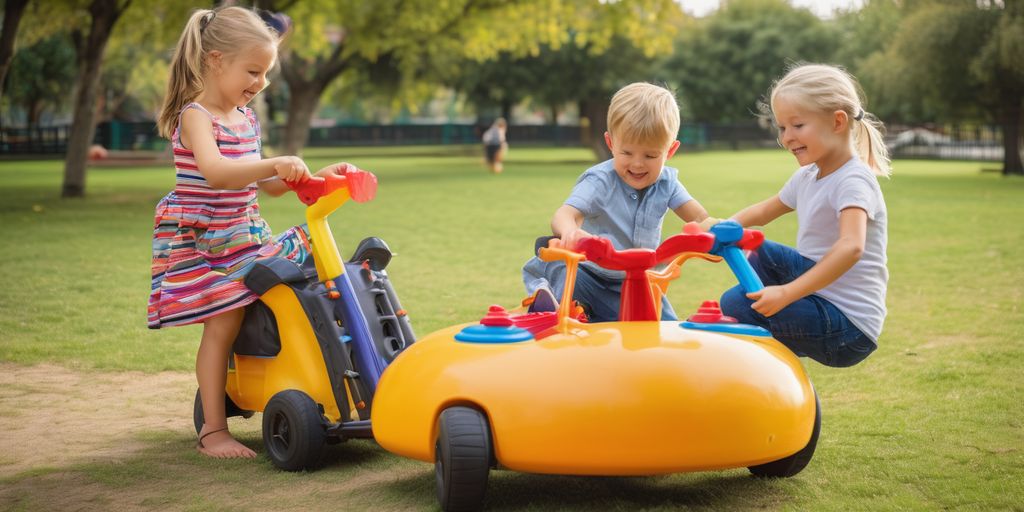
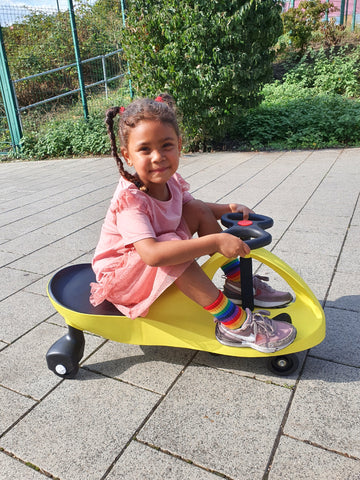
Ride-on toys are small vehicles for children to sit on and move by themselves. Some have pedals, some need pushing, and others use foot power. Examples include toy cars, scooters, and bikes without pedals. Kids use their legs, arms, and balance to move these toys.
 
Are Ride-On Toys Good for Development? Discover Surprising Benefits!
Are Ride-On Toys Good for Development? Discover Surprising Benefits! 3

Credit: toughtrucksforkids.com

Physical Benefits of Ride-On Toys

Physical growth is very important for young children. Ride-on toys help with this growth in many ways.

1. Builds Strength

When children push or pedal ride-on toys, they use large muscles. These muscles are in the legs, arms, and stomach area. Using these muscles makes them stronger.

2. Improves Balance

To stay on the toy, kids must keep their balance. This practice helps them learn to control their bodies better. Good balance is important for walking, running, and playing sports later.

3. Enhances Coordination

Ride-on toys require children to use their arms and legs together. Moving the legs while steering with the hands helps improve coordination.

4. Encourages Exercise

Playing with ride-on toys gets kids moving outside. Exercise is key to good health and helps children develop strong bones and muscles.

Cognitive Benefits of Ride-On Toys

Ride-on toys are not just good for the body. They also help the brain grow.

1. Boosts Problem Solving

Children learn to figure out how to move the toy. They try different ways to turn, stop, or go faster. This thinking helps develop problem-solving skills.

2. Teaches Rules And Safety

Playing with ride-on toys teaches children about rules. They learn to stop at corners and watch for others. These lessons help with safety and understanding limits.

3. Develops Spatial Awareness

Kids learn how to judge space and distance. This skill helps them avoid bumping into things. It is important for many daily activities.

Social and Emotional Benefits of Ride-On Toys

Playing with ride-on toys also helps children in social ways.

1. Promotes Independence

Using ride-on toys lets children explore by themselves. This freedom helps build confidence and independence.

2. Encourages Social Play

Kids often play with friends using ride-on toys. They learn to share, take turns, and cooperate.

3. Builds Emotional Skills

Riding a toy can make children feel proud. It also teaches patience and how to handle frustration when learning new skills.

How Ride-On Toys Support Motor Skills

Motor skills are the abilities to move and control the body. Ride-on toys help develop both fine and gross motor skills.

Type of Motor Skill How Ride-On Toys Help
Gross Motor Skills Using big muscles to push, pedal, and steer the toy.
Fine Motor Skills Gripping handles and pressing buttons, if the toy has them.
 

Choosing the Right Ride-On Toy

Not all ride-on toys are the same. It is important to pick the right one for your child.

  • Age-appropriate: Make sure the toy fits your child’s age and size.
  • Safety features: Look for toys with stable wheels and no sharp edges.
  • Easy to use: Choose toys your child can control easily.
  • Outdoor vs. indoor: Some ride-on toys are for outside, others for inside play.
 
Are Ride-On Toys Good for Development? Discover Surprising Benefits!
Are Ride-On Toys Good for Development? Discover Surprising Benefits! 4

Credit: www.bigjigstoys.co.uk

Tips for Safe Use of Ride-On Toys

Safety is very important when children use ride-on toys. Here are some simple tips.

  • Always supervise young children during play.
  • Make sure children wear helmets if needed.
  • Use toys in safe areas away from roads or water.
  • Check toys regularly for damage or loose parts.

Why Outdoor Play Matters

Using ride-on toys outside adds extra benefits. Fresh air and sunlight help children stay healthy. Outdoor play also gives kids space to move freely and explore.

Playing outside with ride-on toys encourages children to be more active. Active kids tend to sleep better and have better moods. Outdoor play also helps kids learn about nature and their environment.

Conclusion: Are Ride-On Toys Good for Development?

Ride-on toys support children’s growth in many ways.

  • They build physical strength and coordination.
  • They help brains grow through problem solving and learning rules.
  • They improve social skills and emotional health.

When used safely and correctly, ride-on toys are great tools for child development. They encourage children to move, think, and play with others. For these reasons, ride-on toys are good for development.

Frequently Asked Questions

What Are The Benefits Of Ride-on Toys?

Ride-on toys boost mobility, balance, and coordination in children. They promote independence, motor skills, creativity, and social-emotional growth. Kids also learn rules and enjoy active exercise while playing with ride-on toys.

What Toys Are Good For Brain Development?

Toys that boost brain development include pegboard puzzles, nesting cups, blocks, pop-up toys, and mechanical toys with buttons and levers. These toys enhance problem-solving, hand-eye coordination, fine motor skills, and teach cause-and-effect, promoting cognitive growth effectively.

Are Ride-on Toys Good For Toddlers?

Ride-on toys boost toddlers’ gross motor skills, balance, and coordination. They encourage exercise, independence, and social development effectively.

How Do Ride-ons Help Develop Motor Skills?

Ride-on toys develop motor skills by strengthening leg, arm, and core muscles through pedaling and pushing. They enhance balance and coordination. Children improve mobility and body control while playing actively. These activities promote gross motor skill growth and physical strength effectively.

What Are The Main Benefits Of Ride-on Toys For Kids?

Ride-on toys improve balance, coordination, and motor skills in children. They also encourage physical activity and independence.

How Do Ride-on Toys Help Develop Motor Skills?

Using ride-on toys strengthens large muscles in legs, arms, and core. This builds gross motor skills and overall body strength.

Can Ride-on Toys Improve A Child’s Balance And Coordination?

Yes, ride-on toys challenge children to maintain balance while moving. This helps improve their coordination and spatial awareness.

Are Ride-on Toys Good For Toddlers’ Physical Development?

Toddlers gain strength, balance, and coordination by using ride-on toys. These toys support early brain and body growth through movement.

How Do Ride-on Toys Support Social And Emotional Growth?

Riding with others teaches sharing, turn-taking, and cooperation. Kids also gain confidence and independence while playing.

Do Ride-on Toys Encourage Creativity In Children?

Ride-on toys inspire imaginative play and exploration. Kids create stories and games, boosting creativity and problem-solving.


What Age is a 12V Ride-On Car For Ultimate Parent’s Guide

What Age is a 12V Ride-On Car For? Ultimate Parent’s Guide

Ride-on cars powered by 12 volts have become popular toys for children. Many parents wonder, what age is a 12V ride-on car for? This guide will help you understand the right age, safety, and other factors. It will also explain how to choose the best ride-on car for your child.

What is a 12V Ride-On Car?

A 12V ride-on car is a small electric vehicle made for kids. It uses a 12-volt battery to power the motor. These cars can move faster and last longer than 6V or 9V ride-ons. They often look like real cars with lights and sounds.

Because of their power, 12V cars are usually for older kids compared to smaller voltage models. But age alone is not the only thing to consider.


Key Age and Skill Indicators

Here are some basic age and skill points to think about when choosing a 12V ride-on car:

  • Age: Most 12V ride-on cars are made for children aged 3 to 8 years old.
  • Weight: Check the car’s maximum weight limit. Usually, it is between 60 and 100 pounds.
  • Size: The car should fit your child well. They must reach pedals and steering easily.
  • Experience: New riders should start slow. Some cars have speed settings to help.

Always read the manufacturer’s instructions. Every model may have different recommendations.

Why Age Matters for a 12V Ride-On Car

Age is important because it relates to size, strength, and skill. A 12V car is faster and stronger than smaller battery cars. Younger kids may find it hard to control.

Here is why age is key:

  • Safety: Older kids can handle higher speeds and control better.
  • Comfort: Kids should sit comfortably inside the car. Too small or too big can cause problems.
  • Fun: The right size and power make the ride more enjoyable.

Factors to Consider When Choosing a 12V Ride-On Car

Besides age, think about these factors before buying a 12V ride-on car:

1. Terrain

Where will your child use the car?

  • Flat surfaces like driveways and sidewalks are best.
  • Grass is okay, but very rough terrain can be hard for some cars.

2. Safety Features

Look for these safety items:

  • Seatbelts to keep your child secure.
  • Parental remote controls to stop or steer the car.
  • Slow-start functions to avoid sudden speed changes.

3. Battery Life

Longer battery life means more fun time. Some 12V cars run 1 to 2 hours per charge.

4. Weight Capacity

Check the max weight limit. This ensures the car works well and lasts longer.

5. Speed Settings

Many cars have different speed modes. Beginners should use slower speeds.

How to Know if Your Child is Ready

Besides age, your child’s readiness matters. Here are signs your child is ready for a 12V ride-on car:

  • They can sit and hold the steering wheel well.
  • They understand simple instructions.
  • They can press pedals and use controls safely.

Start with supervision. Let your child practice in a safe place.

Comparing 12V Ride-On Cars to Other Voltages

Let’s look at how 12V ride-on cars compare to lower voltages:

Battery VoltageBest Age RangeSpeedWeight LimitUse
6V1 – 3 yearsSlow (2-3 mph)Up to 40 lbsIndoors, smooth surfaces
9V2 – 5 yearsModerate (4-5 mph)Up to 60 lbsFlat outdoors, driveways
12V3 – 8 yearsFaster (5-8 mph)60 – 100 lbsOutdoor use, grass, driveways

As you can see, 12V cars are for older and bigger kids. They are faster and better for outdoor use.

 
What Age is a 12V Ride-On Car For? Ultimate Parent’s Guide
What Age is a 12V Ride-On Car For? Ultimate Parent’s Guide 7

Popular Brands and Options

Some brands offer 12V ride-on cars with many features. Here are a few:

  • RiiRoo: Good for flat surfaces like driveways and sidewalks.
  • Voltz Toys: Offers models with higher weight limits and longer battery life.
  • Elegant Electronix: Focuses on fit and comfort for kids.
  • Ryder Toys: Known for safe speed settings and ease of use.

Some older kids or enthusiasts like to modify ride-on cars for more speed. But this needs adult supervision and care.

Tips for Using a 12V Ride-On Car Safely

Safety is the top priority. Follow these tips:

  • Always use the car outside on flat, open space.
  • Wear a helmet and protective gear, if possible.
  • Use the parental remote control if available.
  • Check the car regularly for damage or loose parts.
  • Charge the battery fully before use.
 
What Age is a 12V Ride-On Car For? Ultimate Parent’s Guide
What Age is a 12V Ride-On Car For? Ultimate Parent’s Guide 8

Frequently Asked Questions

What Age Is A 12v Ride-on For?

A 12V ride-on is suitable for children aged 3 to 8 years. Always check the manufacturer’s weight and height limits. Ensure the child can comfortably reach pedals and controls. Choose models with safety features like seatbelts and parental remote controls.

Ideal for flat, smooth surfaces such as driveways.

What’s Better, 12v Or 24v Kids Car?

A 12V kids car suits younger children, ideal for flat surfaces and slower speeds. A 24V car offers more power and speed for older kids and rougher terrains. Choose based on your child’s age, size, and driving experience for safety and fun.

Is 7 Too Old For Power Wheels?

Seven years old is generally at the upper limit for standard Power Wheels models. Choose vehicles with higher weight capacities and adjustable speeds for older kids. Ensure the child fits comfortably and controls the ride safely. Consider advanced or modified ride-ons for children over seven.

What’s The Difference Between 6v And 12v Ride-on Car?

A 6V ride-on car suits toddlers with slower speeds and shorter playtime. A 12V offers higher speed, longer battery life, and suits older kids. Choose based on your child’s age, weight, and terrain for safe, enjoyable rides.

What Is The Ideal Age For A 12v Ride-on Car?

Most 12V ride-on cars suit children aged 3 to 8 years. Always check the manufacturer’s age and weight limits for safety.

Can Toddlers Use A 12v Ride-on Car Safely?

Toddlers under 3 years usually need smaller, slower ride-ons. A 12V car may be too big and fast for them.

How Does Child’s Weight Affect 12v Ride-on Car Use?

Weight limits ensure safety and proper car function. Exceeding limits can damage the car or cause accidents.

What Terrain Suits A 12v Ride-on Car Best?

Flat surfaces like driveways, sidewalks, and grass work well. Rough or rocky terrain may be difficult to navigate.

Are Parental Controls Important For 12v Ride-on Cars?

Yes, remote controls help parents manage speed and direction. This feature adds safety for younger or beginner riders.

How Long Can A Child Use A 12v Ride-on Car?

Battery life varies but usually lasts 1 to 2 hours per charge. Usage time depends on speed and terrain.

Conclusion

A 12V ride-on car is a great toy for kids aged 3 to 8 years old. It offers enough power and speed for outdoor fun. But always check the size, weight limit, and safety features before buying.

Remember, every child is different. Look at their skill and comfort level. Supervise their playtime and use safety gear. This way, your child can enjoy the ride safely and happily.

Choosing the right 12V ride-on car can bring hours of joy. Keep these tips in mind. Happy riding!