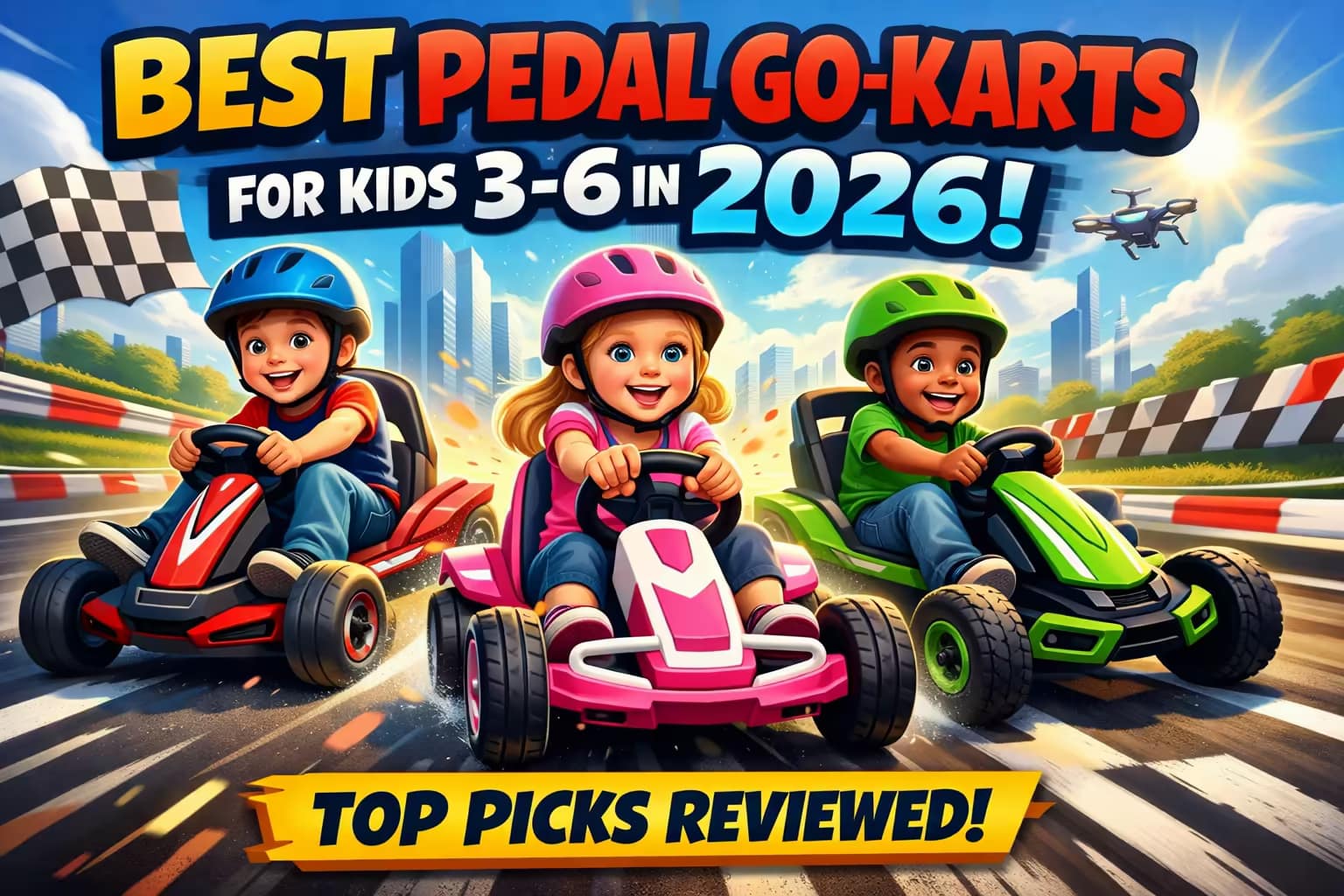
Best Pedal Go-Karts for Kids 3-6 in 2026 Top Picks Reviewed

Best Pedal Go-Karts for Kids 3-6 in 2026: Top Picks Reviewed

Finding The Right Pedal Go-kart For Young Kids

Watching a child take their first ride on a pedal go-kart is a simple joy. Many parents start looking for a kart that fits their child’s age and energy level, only to find the options overwhelming. With so many styles, sizes, and features, it can be hard to know what really matters.

Choosing a pedal go-kart involves balancing durability, safety, and ease of use. Some karts focus on rugged outdoor play, while others prioritize comfort or smooth rides on pavement. There are trade-offs between weight, adjustability, and wheel type that can affect how long the kart suits your child and where it performs best.

This guide will help you understand key factors to consider when selecting a pedal go-kart for kids aged 3 to 6. It aims to make the decision clearer by highlighting what to look for and what to expect from different options.

What Parents Often Overlook When Choosing A Go-kart

One common mistake is focusing too much on looks or brand without considering size and adjustability. Kids grow quickly, so a kart with an adjustable seat and pedals can provide a better fit for longer. Another point is the type of wheels—some wheels work well on smooth surfaces but struggle off-road, while others offer more versatility.

Safety features like reliable brakes and a sturdy frame are essential but sometimes underestimated. It’s also important to think about the kart’s weight; a heavy kart may be harder for younger children to pedal, but a very light one might feel less stable.

How To Approach Choosing A Pedal Go-kart

Think about where your child will mostly ride the kart. Will it be on sidewalks, driveways, or rougher terrain? Consider the ease of steering and braking, especially if your child is new to pedal vehicles. Look for models that grow with your child through adjustable seats or pedals.

Remember, the goal is to encourage active play and confidence. A good pedal go-kart should be simple to use, safe, and enjoyable across different outdoor settings.

Below, you’ll find a selection of pedal go-karts that suit various needs and preferences for kids aged 3 to 6. Each option offers something different, whether it’s comfort, durability, or ease of use, making it easier to find the right fit for your family.

Hauck Kids Pedal Go Kart

One of the Best Pedal Go-Karts for Kids 3-6, this model offers a safe and adjustable ride that grows with your child.

Check price on Amazon

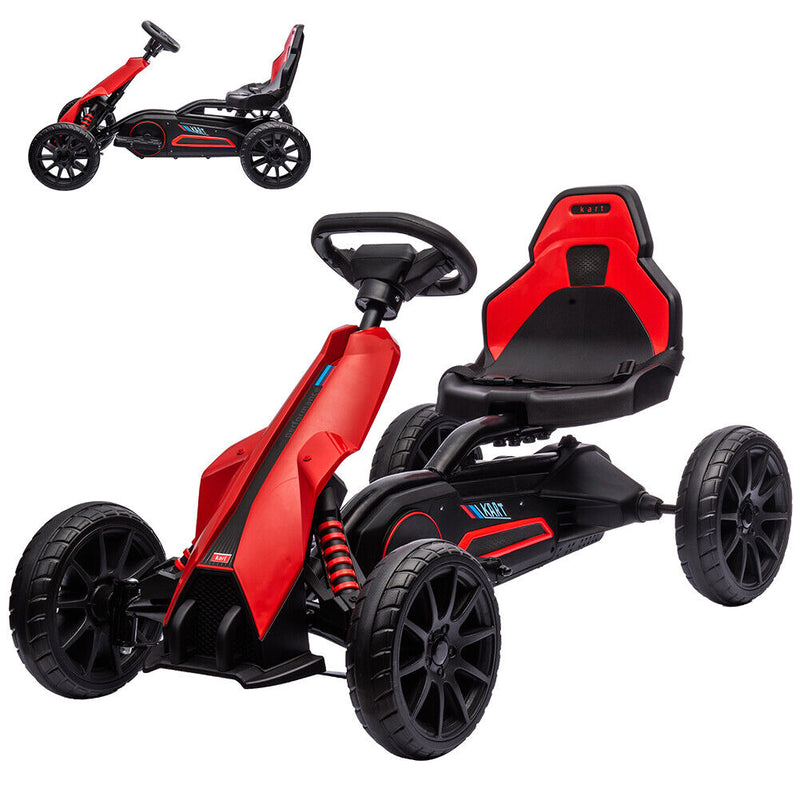
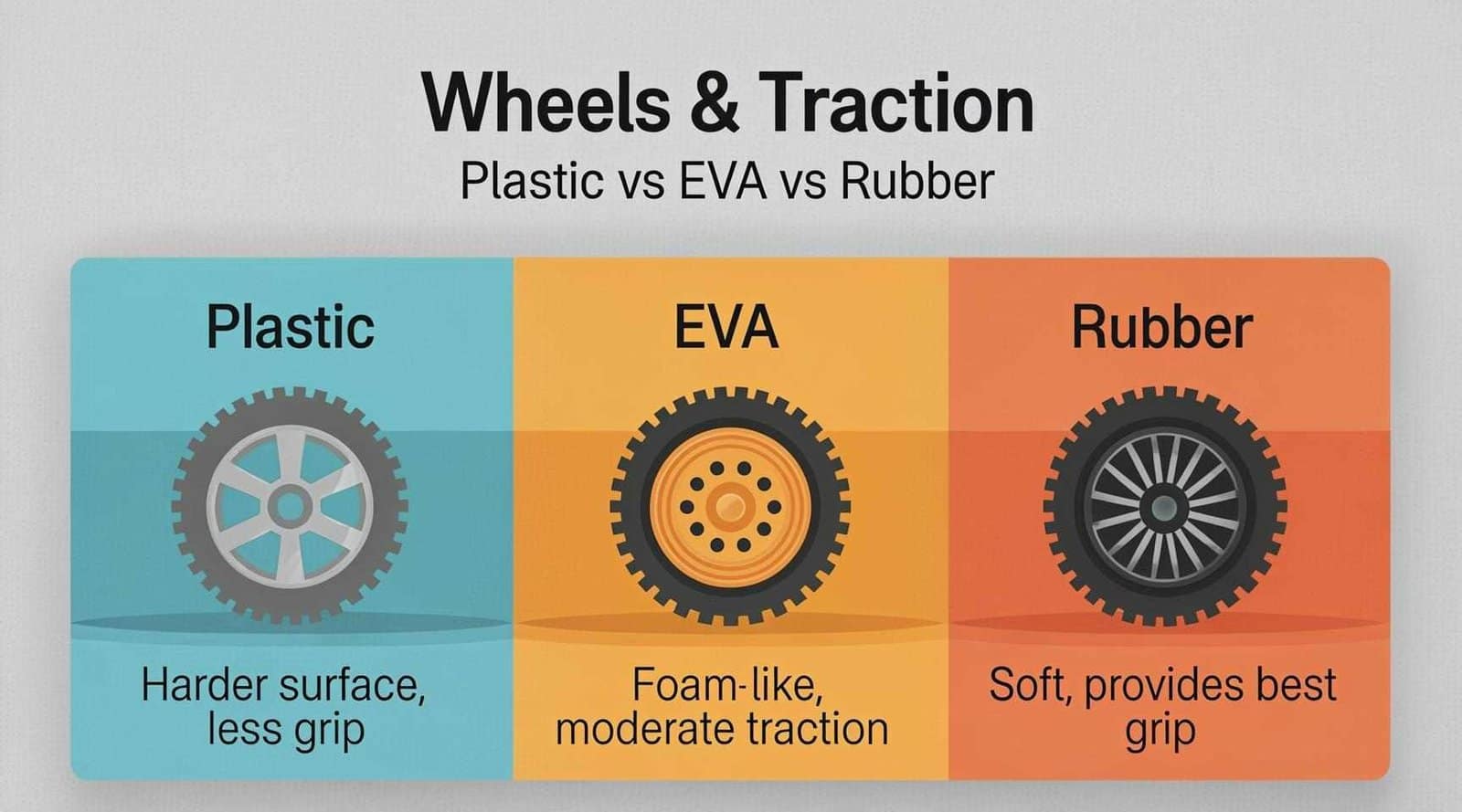
The hauck Kids Pedal Go Kart is a four-wheel bike cart designed for outdoor use by children aged 4 to 8. It features a sturdy tubular steel frame and plastic wheels with rubber tread for steady traction on sidewalks and driveways. The adjustable seat allows it to fit growing kids comfortably, making it a practical choice for active play.

Using this pedal go-kart offers a smooth and safe riding experience thanks to built-in handbrakes on both rear wheels. Kids can confidently slow down or stop when needed, encouraging independent outdoor activity without the need for batteries or screens.

Key Benefits for Active Kids

  • Durable steel frame built for energetic outdoor adventures
  • Handbrakes on rear wheels provide reliable stopping power
  • Adjustable ergonomic seat fits children as they grow
  • Lightweight design supports up to 110 pounds
  • Plastic wheels with rubber tread improve traction on different surfaces
  • Promotes exercise and coordination without batteries

Considerations Before Buying

  • Seat adjustment may require manual effort to fit different sizes
  • Plastic wheels might wear faster on rough terrain compared to air-filled tires
  • Designed for ages 4 to 8, so may not suit older or taller children

Who This Fits Best

This pedal go-kart is ideal for parents seeking a safe and adjustable outdoor toy for children around 3 to 6 years old who are growing quickly. It removes the guesswork of finding a size that fits for multiple years by offering seat adjustments. A quick tip is to regularly check and adjust the seat distance to keep the ride comfortable as your child grows.

You can expect a reliable, battery-free ride that encourages active playtime and helps build coordination safely. It’s a practical, no-fuss choice that suits families wanting less screen time and more outdoor fun.

Best forWhy
Growing kids aged 4 to 8Adjustable seat allows long-term use as child grows
Outdoor play on sidewalks and drivewaysPlastic wheels with rubber tread provide steady traction
Parents seeking safe ride-on toysHandbrakes on rear wheels enable controlled stopping
Battery-free active playEncourages exercise and coordination without electronics

Hauck Kids Pedal Go Kart

This model stands out among the Best Pedal Go-Karts for Kids 3-6 by offering adjustable seating and smooth braking, tailored for growing children aged 4 to 8.

Check price on Amazon

This pedal go-kart by hauck is a four-wheel ride-on toy designed to encourage outdoor play and physical activity for kids aged 4 to 8. It features plastic wheels with a rubber profile and a handbrake system on both rear wheels, providing smooth rides and safe stopping power. The adjustable bucket seat offers two positions, allowing the kart to grow with the child for better comfort.

Using this go-kart is straightforward and fun, with a stable frame that supports up to 110 pounds. Its compact size and manageable weight make it easy to transport and handle. Kids can pedal confidently while parents can rely on its sturdy design and simple braking system for safety and control.

Key Features for Young Riders

  • Adjustable bucket seat with two positions for growing children
  • Plastic wheels with sturdy rubber profile for smooth rides
  • Handbrake on both rear wheels for easy and effective stopping
  • Compact and lightweight for easy handling and transport
  • Supports up to 110 pounds to accommodate various ages
  • Encourages outdoor activity and imaginative play

Considerations Before Buying

  • Recommended age range is 4 to 8, so younger toddlers may find it difficult to use
  • Plastic wheels might not perform as well on rough or uneven terrain
  • No additional safety harness or padding included

Who This Suits Best

This go-kart fits best for families looking for a simple, adjustable pedal kart that grows with their child from around age 4 to 8. It removes the guesswork about sizing thanks to the customizable seat and offers a reliable braking system that adds peace of mind during playtime.

For best results, ensure the seat is adjusted to the child’s size before each ride to maintain comfort and control. The lightweight design also means parents can easily move or store the kart without hassle. This is a practical choice for outdoor play enthusiasts who want a durable and safe pedal vehicle without extra complexity.

Best forWhy
Growing kids aged 4 to 8Adjustable seat positions accommodate different heights
Parents seeking easy-to-handle ride-onsLightweight and compact design simplifies transport and storage
Safe outdoor play in smooth areasHandbrakes on rear wheels provide reliable stopping power
Active kids who enjoy imaginative adventuresEncourages physical activity and creative outdoor fun

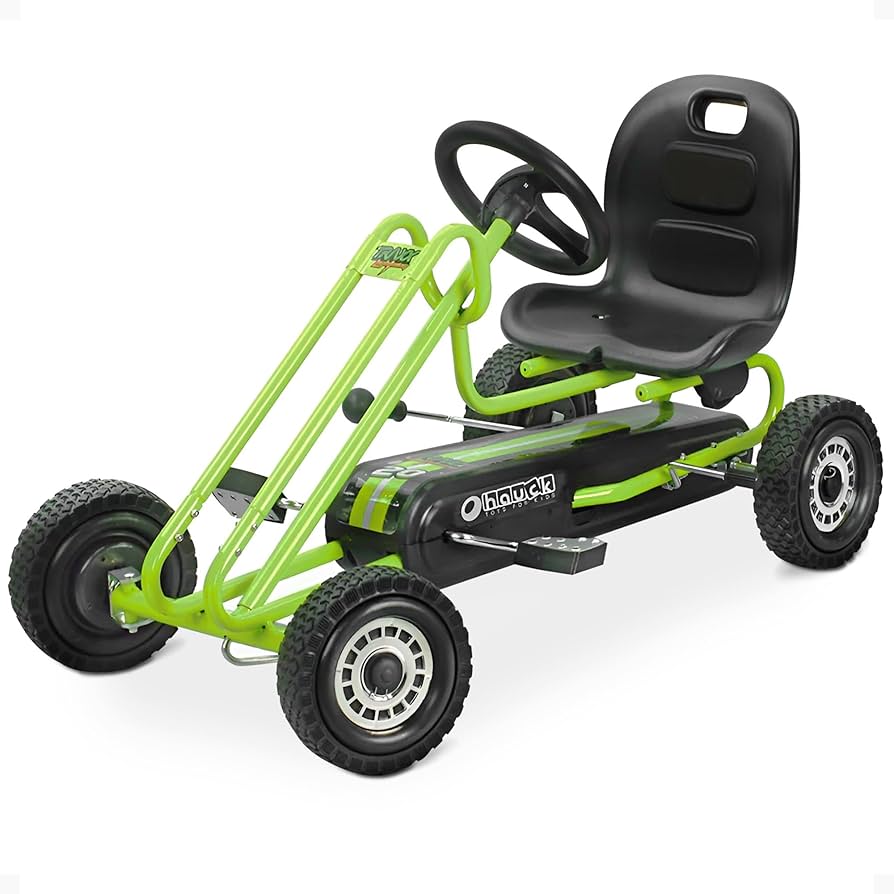
Hauck Speedster Pedal Go-kart

One of the Best Pedal Go-Karts for Kids 3-6, offering adjustable seating and reliable handbrake control for safe and fun rides.

Check price on Amazon

The Hauck Speedster Pedal Go-Kart is a sturdy pedal vehicle designed for kids aged 4 to 8. It solves the need for a safe and adjustable outdoor ride with features like an adjustable bucket seat and a handbrake for speed control. Its durable tubular steel frame ensures long-lasting use during active play.

Riding this go-kart feels smooth and stable thanks to 10-inch EVA plastic wheels that handle different surfaces well. The handbrake gives parents and kids confidence in controlling speed, making playtime both fun and secure without constant supervision.

Key Benefits for Young Riders

  • Robust steel frame built to last through energetic rides
  • Adjustable bucket seat for a comfortable, personalized fit
  • Handbrake controls both rear wheels to enhance safety
  • Large front plate adds a sporty, unique look
  • 10-inch EVA wheels provide smooth rides on various terrains

Considerations Before Buying

  • Designed for ages 4-8, may not fit smaller 3-year-olds comfortably
  • Weighs 19.2 pounds, so adult assistance may be needed for transport
  • Limited color options with only the green model available

Where This Go-Kart Excels

This go-kart is best for parents looking for a reliable and adjustable pedal vehicle that grows with their child. It removes the guesswork of safety by including a handbrake that controls both rear wheels, providing peace of mind during outdoor play. To get the most from it, adjust the bucket seat properly before each ride to ensure maximum comfort and control.

Its sturdy construction means fewer surprises with wear and tear, making it a dependable choice for active kids. If you want a go-kart that combines safety, style, and smooth riding, the Hauck Speedster is a solid option to consider.

Best forWhy
Kids transitioning from tricycles to pedal carsAdjustable seat and handbrake provide control and comfort
Parents prioritizing ride safety and durabilityStrong steel frame and rear wheel handbrake enhance safety
Outdoor play on varied surfacesEVA plastic wheels handle different terrains smoothly
Families wanting a sporty, eye-catching designLarge front plate adds unique visual appeal

Honey Joy Pink Off-road Pedal Go-kart

This model stands out among Best Pedal Go-Karts for Kids 3-6 by combining adjustable comfort and sturdy safety features for young riders.

Check price on Amazon

The HONEY JOY Pink Off-Road Pedal Go-Kart is a four-wheel pedal vehicle designed for kids aged 3 to 6. It offers an adjustable bucket seat that supports comfort and reduces fatigue during play, making it a practical option for active children who enjoy outdoor adventures.

Using this go-kart feels intuitive and safe thanks to its easy-to-use pedals, steering wheel, and hand brakes. Kids gain confidence as they control their speed and direction, while the EVA rubber tires provide stable rides on various surfaces.

Key Benefits for Young Riders

  • Adjustable bucket seat with ergonomic design for added comfort and back support
  • Simple pedal and steering controls tailored for young children
  • Durable metal frame combined with safe, non-toxic polypropylene plastic
  • Non-slip foot pedals help maintain stable footing during rides
  • Thick EVA rubber wheels with anti-slip straps for better traction on different terrains
  • Two safety brakes provide reliable stopping power

Considerations Before Buying

  • Heavier weight (20 pounds) may require adult assistance for transport
  • Designed specifically for outdoor use; less suited for indoor play
  • Limited to children who can comfortably reach pedals and controls

Who This Go-Kart Works For

This go-kart is ideal for parents looking to encourage active outdoor play for children aged 3 to 6 while prioritizing comfort and safety. It removes the guesswork of fit with its adjustable seat and supports independent control through straightforward pedals and brakes.

To get the best experience, ensure the seat is adjusted properly to your child’s height, which improves both comfort and control. The sturdy construction and reliable brakes offer peace of mind during energetic play sessions.

Best forWhy
Active toddlers and preschoolersAdjustable seat and easy controls suit growing kids learning to pedal and steer
Outdoor play in parks or yardsDurable EVA tires and metal frame handle various outdoor surfaces securely
Parents valuing safety featuresTwo hand brakes and non-slip pedals help control speed and stopping reliably
Children building coordination and strengthPedaling promotes endurance and motor skill development in a fun way

Aosom Adjustable Pedal Go-kart

Among the Best Pedal Go-Karts for Kids 3-6, this model offers an adjustable seat and safe controls for growing riders.

Check price on Amazon

This pedal go-kart is designed for kids aged 3 to 6, featuring an adjustable seat that moves forward and backward to fit growing children comfortably. It lets kids pedal both forward and backward safely thanks to non-slip pedals, giving them freedom and control while they play.

Riding this go-kart feels smooth and secure with its large textured wheels that handle different surfaces quietly. The handbrake and clutch provide reliable stopping power, so parents can feel confident about their child’s safety during playtime.

Key Benefits for Young Riders

  • Adjustable seat adapts as children grow for a better fit
  • Non-slip pedals allow easy forward and backward movement
  • Handbrake and clutch ensure safe stopping at any speed
  • Large textured wheels offer quiet, smooth rides on various surfaces
  • Chain is safely enclosed to prevent accidents
  • Lightweight design (22 pounds) for easier handling and transport

Considerations Before Buying

  • Weight capacity of 77 lbs limits use to younger, smaller kids
  • Assembly is required, which might need adult time and tools
  • Plastic wheels may wear faster on rough outdoor terrain

What Makes This Model a Good Match

This go-kart is ideal for parents looking for a sturdy, safe pedal vehicle that grows with their child. It removes the guesswork of fitting by offering an adjustable seat, so kids stay comfortable as they get bigger. The handbrake and clutch add peace of mind for safe play.

For best results, adjust the seat to your child’s height before first use and regularly check the chain cover for secure placement. It’s a reliable option that keeps your little one engaged outdoors while staying protected.

Best forWhy
Parents of kids 3 to 6 years oldAdjustable seat fits growing children comfortably
Families wanting safe ride controlsHandbrake and clutch provide secure stopping
Outdoor play on various surfacesTextured plastic wheels ensure quiet, smooth rides
Those needing a lightweight go-kartAt 22 pounds, it’s easier to move and store

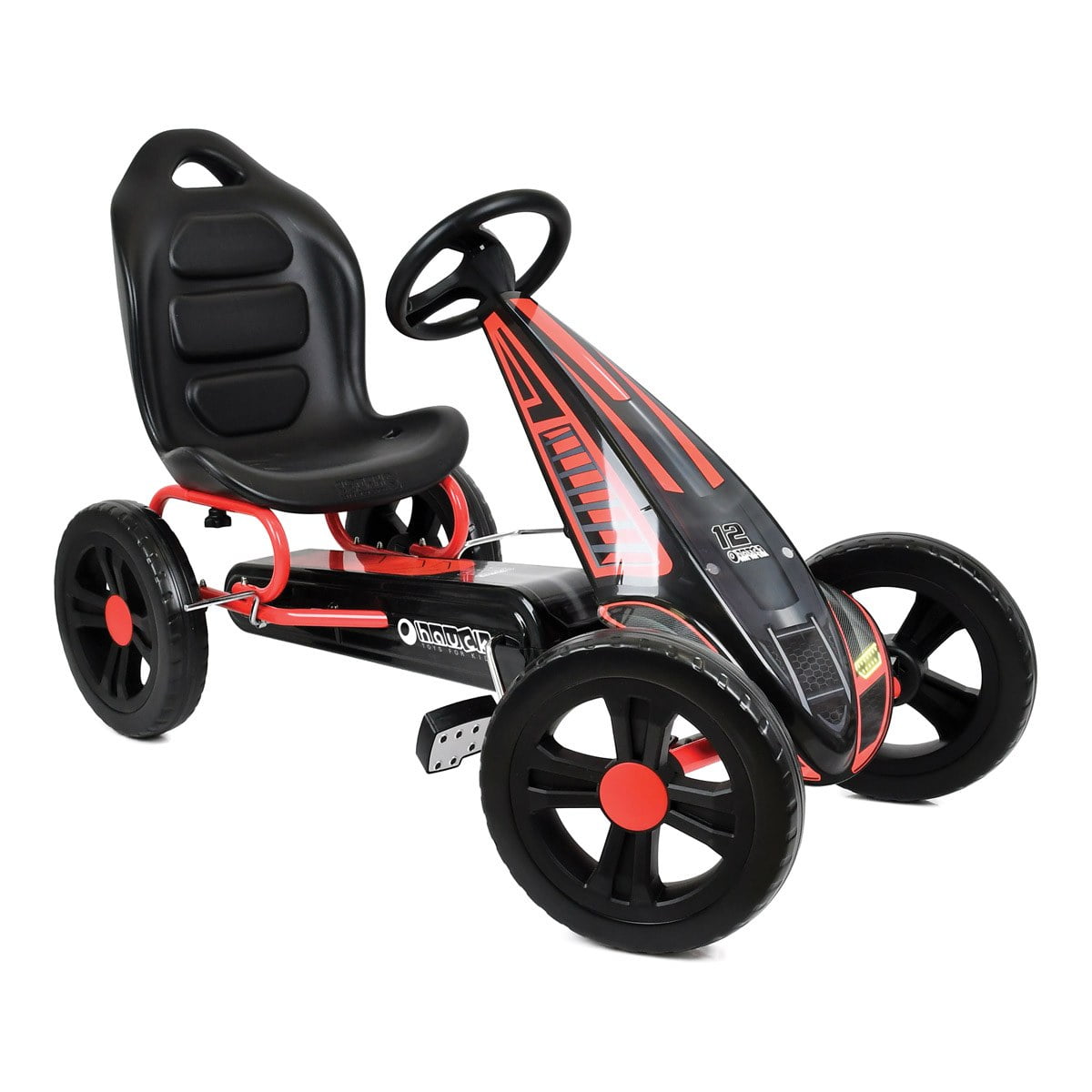
Hauck Cyclone Junior Go-kart

Among the Best Pedal Go-Karts for Kids 3-6, the hauck Cyclone Junior offers a pedal-powered ride with safety features ideal for young riders.

Check price on Amazon

The hauck Cyclone Junior Go-Kart is a pedal-powered ride-on toy designed for kids ages 4 to 8. It eliminates the need for batteries, making it a simple and reliable option for outdoor play, while its advanced 8-ball brake system adds extra safety. This go-kart is built with a sturdy frame and large 12-inch rims to handle active use.

Using this go-kart feels engaging and active, encouraging kids to develop coordination and strength. The adjustable ergonomic bucket seat with high backrest ensures comfort during rides, helping children stay confident and secure as they pedal around.

Key Benefits for Young Riders

  • Operates solely on pedal power—no batteries needed for uninterrupted fun
  • Advanced 8-ball brake system provides smooth and controlled stopping
  • Large 12-inch rims improve stability and handling on various surfaces
  • Adjustable ergonomic bucket seat with high backrest offers comfort and support
  • Durable design with eye-catching graphics that appeal to kids
  • Promotes physical activity, building strength and coordination

Considerations Before Buying

  • Recommended for ages 4 to 8, may be too large for younger toddlers under 3
  • Weighs over 30 pounds, which might be heavy to carry for some parents
  • No electric or motorized assist, so younger kids may need supervision when pedaling

Who This Works For

This go-kart is best for active kids between ages 4 and 8 who enjoy outdoor play and are ready to pedal independently. It removes the hassle of batteries and frequent maintenance, offering a straightforward riding experience focused on physical activity. For better results, adjust the seat to fit your child’s height snugly to maximize comfort and control.

The hauck Cyclone Junior also provides peace of mind with its reliable braking system and sturdy build, helping parents feel confident about safety during play. If you want a stylish and practical pedal go-kart that encourages healthy exercise, this model is a solid choice.

Best forWhy
Kids ages 4 to 8Sized and designed specifically for this age range with adjustable seat
Active outdoor playEncourages physical exercise through pedal power and coordination
Parents seeking low maintenanceNo batteries or motors to manage or replace
Safety-conscious familiesEquipped with an advanced brake system for smooth stopping

Lil’ Rider Black Pedal Go Kart

Among the Best Pedal Go-Karts for Kids 3-6, this model offers easy, safe pedaling for young riders indoors and outdoors.

Check price on Amazon

This Lil’ Rider pedal go kart is designed for kids aged 3 to 7, providing a simple and fun way to encourage active play. Its pedal-powered design eliminates the need for batteries or gears, making it easy for children to control their speed and build confidence. The compact size and lightweight frame make it suitable for both indoor and outdoor use on flat surfaces.

Using this go kart feels smooth and straightforward thanks to the molded seat and sporty steering wheel that offer a comfortable ride. Kids can enjoy independent playtime while developing coordination and exercise habits in a safe environment. The sturdy build supports up to 55 pounds, ensuring reliable fun for toddlers and young children.

Key Features That Make a Difference

  • Simple pedal operation with no batteries or gears needed
  • Comfortable molded seat and easy-grip steering wheel
  • Bright racing decals add fun visual appeal
  • Compact and lightweight for easy moving and storage
  • Durable plastic and carbon steel frame supports up to 55lbs
  • Suitable for indoor and outdoor flat surfaces
  • Safe materials free of phthalates for healthy play

Considerations Before Buying

  • Designed for kids aged 3 to 7, may not fit older or larger children
  • Requires some assembly out of the box
  • Not intended for rough or uneven terrain
  • Weight capacity limits use to lighter children

When This Go Kart Works Best

This pedal go kart is ideal for parents looking for a straightforward, battery-free ride-on toy that encourages physical activity for preschoolers and early elementary kids. It removes the hassle of charging or complex controls, so children can start riding right away. For best results, supervise initial use to ensure safe pedaling and familiarize your child with steering.

You can feel confident in the solid construction and safe materials, knowing the kart is built to last and free of harmful chemicals. Its simple, timeless design matches well with active play routines without overwhelming young riders with technology or complicated features.

Best for / Why

Best forWhy
Young kids aged 3 to 6Easy pedal system and size fit this age group perfectly
Indoor and outdoor flat surfacesCompact design and durable wheels work well on hard floors and pavement
Parents wanting simple, safe ride-onsNo batteries or gears reduces maintenance and complexity
Active toddlers building coordinationEncourages exercise and independence through pedal power

How To Choose The Right Kids’ Pedal Go-kart

Age and Size Considerations

Check the recommended age and height range for each go-kart. Adjustable seats are valuable as they allow the kart to grow with your child and provide better comfort and control.

Safety Features to Prioritize

Look for reliable braking systems, such as handbrakes that engage both rear wheels. Stable wheels with good traction and non-slip pedals enhance safety during rides.

Type of Wheels and Terrain

Plastic wheels with rubber treads or EVA rubber tires work well on driveways and sidewalks. For rougher terrains, thicker, durable EVA wheels or off-road tires offer better stability and durability.

Weight Capacity and Build Quality

Choose a kart that can support your child’s weight comfortably and is built with a sturdy frame, preferably tubular steel, to ensure durability through energetic play.

Common Concerns When Buying A Kids’ Pedal Go-kart

Is Assembly Difficult?

Most pedal go-karts require some assembly. Usually, the process is straightforward with clear instructions and necessary tools included.

How Important Is Adjustability?

Adjustable seats and pedals extend the usable life of the kart and improve comfort, making them important features to consider.

Are These Go-Karts Safe for Young Kids?

Safety depends on features like brakes, wheel grip, and overall build. Adult supervision is recommended, especially for younger children.

Usage And Maintenance Tips

Regular Safety Checks

Inspect brakes, pedals, and wheels before each use. Tighten any loose parts to maintain safety and performance.

Cleaning and Storage

Wipe down the frame and wheels after outdoor use to prevent rust and dirt buildup. Store the go-kart in a dry, sheltered area to prolong its lifespan.

Protecting Moving Parts

Lubricate chains and pedal mechanisms periodically if accessible, to keep the kart running smoothly and quietly.

Who Should Consider Other Options

If your child is younger than the recommended age or has limited coordination, consider simpler ride-on toys without pedals. For older or larger children, look for models with higher weight capacities and more advanced features.

Frequently Asked Questions

Can these go-karts be used indoors?

They are primarily designed for outdoor use due to their size and wheel type, but can be used indoors on smooth, hard surfaces with enough space.

How do handbrakes work on these karts?

Handbrakes typically engage both rear wheels simultaneously, allowing the child to slow down or stop safely without losing control.

Are replacement parts available?

Many brands offer replacement parts such as wheels, pedals, and seats. Check with the manufacturer or retailer for availability.

Do these go-karts require batteries?

No, these pedal go-karts are manually powered and do not require batteries, making them low maintenance and eco-friendly.

What surface is best for riding these go-karts?

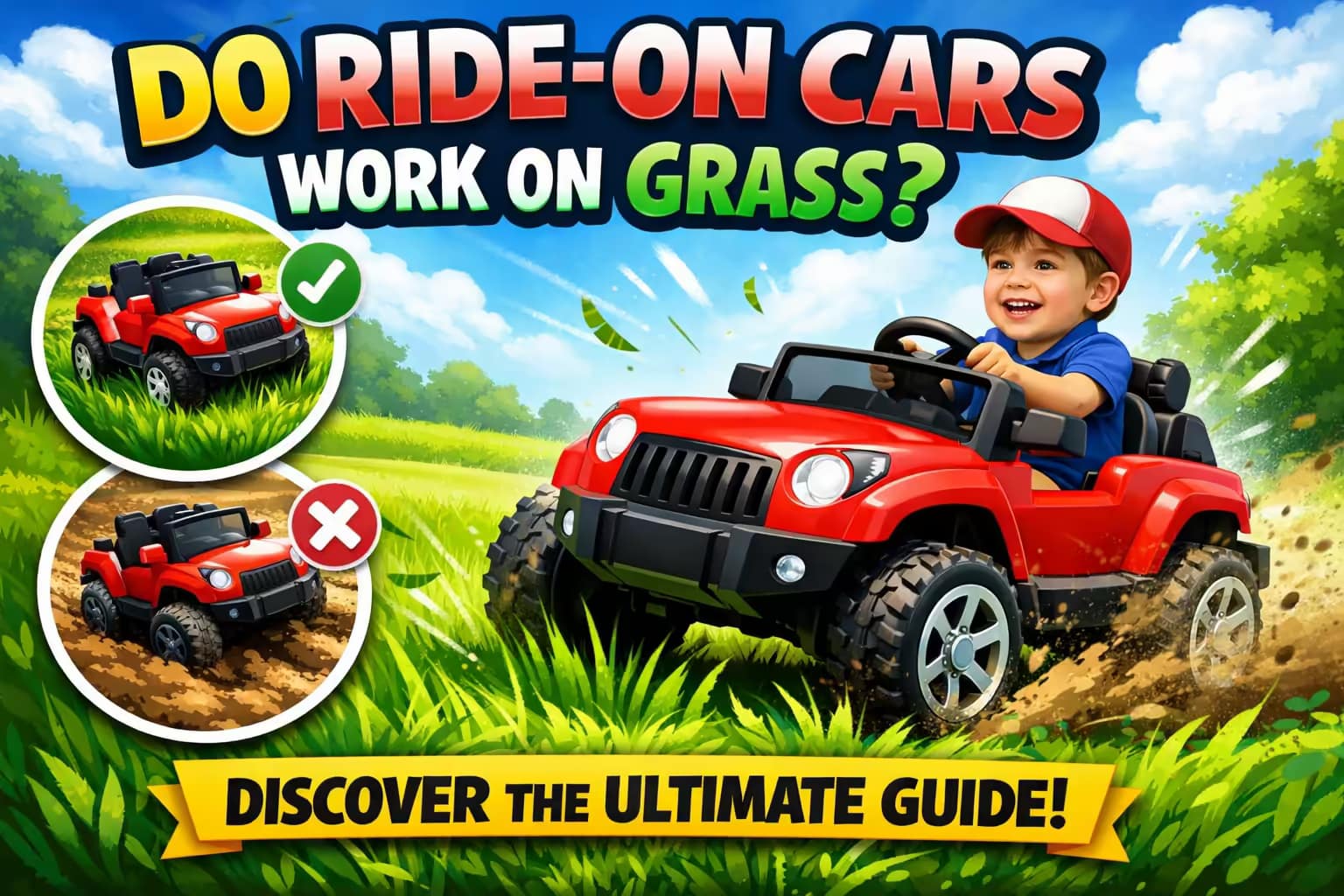
Flat, hard surfaces like driveways, sidewalks, and smooth paths are ideal. Some models handle light off-road terrain but avoid rough or muddy areas for safety.

Final Thoughts On Choosing A Kids’ Pedal Go-kart

Choosing the right pedal go-kart involves balancing comfort, safety, and durability. Focus on features that match your child’s size and skill level, and consider how and where they will use it. With thoughtful selection and proper care, a pedal go-kart can offer enjoyable and active outdoor play for years.

Learning And Imagination Benefits of Themed Ride-On Vehicles Unlock Creativity & Growth

Learning And Imagination Benefits of Themed Ride-On Vehicles: Unlock Creativity & Growth

Imagine giving your child a toy that not only entertains but also sparks their creativity and helps them learn essential skills. Themed ride-on vehicles do exactly that.

When your little one climbs into a car shaped like a race car, a fire truck, or even a rocket, they’re not just playing—they’re exploring new worlds and ideas. These toys boost your child’s imagination while developing balance, coordination, and problem-solving abilities.

Curious how a simple ride-on vehicle can unlock so many benefits for your child’s growth? Keep reading to discover how themed ride-on toys can transform playtime into a powerful learning adventure for your child.

Learning And Imagination Benefits of Themed Ride-On Vehicles: Unlock Creativity & Growth
Learning And Imagination Benefits of Themed Ride-On Vehicles: Unlock Creativity & Growth 4

Motor Skill Development

Themed ride-on vehicles offer more than fun rides. They play a key role in motor skill development. Kids improve control over their body through active play. This helps them in daily tasks and physical activities. Each type of motor skill grows as children explore and interact with these toys.

Fine Motor Skills

Fine motor skills involve small movements using hands and fingers. Kids grasp handles, press buttons, and steer wheels on ride-on vehicles. These actions strengthen hand muscles and improve coordination. Handling small parts or controls also enhances finger dexterity. Such skills help children in writing, drawing, and using tools later.

Gross Motor Skills

Gross motor skills use large muscle groups for bigger movements. Pushing, steering, and riding the vehicle develop arm and leg strength. Kids learn how to control their body while moving. This encourages muscle growth and endurance. These skills support running, jumping, and other physical activities.

Balance And Coordination

Balance and coordination are vital for safe and smooth riding. Themed ride-on toys challenge kids to stay upright and steer properly. They learn to shift their weight and react to changes in direction. This improves body awareness and stability. Better balance reduces the risk of falls and builds confidence in movement.

Cognitive Growth

Themed ride-on vehicles offer more than fun rides. They stimulate children’s cognitive growth. These toys help young minds develop important thinking skills. Kids learn by exploring and imagining while they play. Themed vehicles encourage active learning through movement and creativity.

Spatial Awareness

Spatial awareness is the ability to understand space and shapes. Ride-on vehicles help children judge distances and directions. Kids learn how to navigate around obstacles safely. They develop a sense of balance and body control. This skill is important for daily activities and sports.

Problem Solving

Riding themed vehicles often presents simple challenges. Children figure out how to steer and stop correctly. They learn to fix small problems on their own. This practice builds confidence and independence. Problem solving in play encourages a positive attitude towards challenges.

Critical Thinking

Critical thinking involves making decisions and evaluating options. While playing, kids choose paths and plan moves. They imagine different scenarios and outcomes. This helps children think clearly and make smart choices. Ride-on toys create a safe space for practicing thinking skills.

Imaginative Play

Themed ride-on vehicles open a world of imaginative play for children. These toys are more than just fun; they spark creativity and learning. Kids transform into different characters and explore new stories while riding their favorite themed vehicles.

Imaginative play with ride-on vehicles helps children develop important skills. It encourages thinking, problem-solving, and social interaction. Themed vehicles inspire children to dream up adventures and roles that extend beyond ordinary play.

Role Playing

Ride-on vehicles let children step into new roles easily. They can become firefighters, race car drivers, or explorers. This role playing builds confidence and helps kids understand the world around them.

Acting out different roles also improves communication skills. Children learn to express ideas and emotions clearly. They practice taking turns and cooperating with others during play.

Creative Scenarios

Themed ride-ons encourage children to invent creative scenarios. They imagine exciting journeys and challenges. These stories develop problem-solving and critical thinking skills.

Creating scenarios boosts brain development by encouraging kids to think ahead. They plan routes, avoid obstacles, and solve problems during their play adventures. This kind of play strengthens their imagination and cognitive abilities.

Storytelling

Storytelling is a natural part of imaginative play with themed vehicles. Kids create stories about where they go and what they do. This storytelling improves language skills and memory.

Sharing stories with friends or family builds social bonds. It helps children understand narrative structure and sequence. Storytelling also encourages kids to use new words and express their creativity freely.

Learning And Imagination Benefits of Themed Ride-On Vehicles: Unlock Creativity & Growth
Learning And Imagination Benefits of Themed Ride-On Vehicles: Unlock Creativity & Growth 5

Emotional Benefits

Themed ride-on vehicles offer more than just fun rides. They support children’s emotional growth in many ways. Playing with these toys helps kids feel good about themselves and build important social skills.

Confidence Building

Riding a themed vehicle makes children feel brave and proud. They learn to control the toy and overcome small challenges. Each success boosts their confidence and encourages them to try new things.

Independence

Using ride-on toys gives children a sense of freedom. They choose where to go and how fast to move. This independence helps them trust their own decisions and feel more self-reliant.

Social Skills

Themed ride-on vehicles invite kids to play together. Sharing and taking turns become natural during playtime. Children practice talking and cooperating, which helps them make friends and work well with others.

Physical Health

Physical health plays a vital role in a child’s overall development. Themed ride-on vehicles offer an enjoyable way for children to stay active. These toys encourage movement and physical exercise. Children benefit from improved strength, coordination, and balance through play. Active playtime supports healthy growth and builds endurance. Themed ride-on vehicles make exercise fun and engaging.

Exercise Encouragement

Themed ride-on vehicles motivate children to move more often. Kids enjoy riding around, which increases their heart rate. This activity helps burn energy and build muscle. Children naturally want to explore their surroundings while riding. The fun themes make exercise feel like play, not work. Regular use of ride-on toys promotes healthy physical habits early on.

Mobility Enhancement

Riding themed vehicles improves children’s motor skills and mobility. Kids develop better balance as they steer and control their ride. This activity strengthens leg muscles and coordination. Moving on ride-on toys prepares children for walking and running. It also enhances spatial awareness and body control. These benefits support a child’s ability to move confidently and safely.

Learning And Imagination Benefits of Themed Ride-On Vehicles: Unlock Creativity & Growth
Learning And Imagination Benefits of Themed Ride-On Vehicles: Unlock Creativity & Growth 6

Learning Through Rules

Themed ride-on vehicles offer more than fun. They teach children important lessons about rules. Learning through rules helps kids understand structure and safety. This learning builds a strong foundation for many life skills.

Children learn how to follow directions and respect limits. These skills improve their focus and self-control. Ride-on vehicles create a safe space for kids to practice these habits. The experience prepares them for future group activities and responsibilities.

Following Instructions

Ride-on toys come with simple rules to follow. Kids listen carefully to instructions before starting. They learn to wait for signals and obey commands. This practice improves their attention and memory skills.

Following instructions teaches children patience and discipline. They understand the importance of doing things step-by-step. This skill helps in school and everyday tasks. Kids also feel proud when they follow rules successfully.

Understanding Boundaries

Themed ride-on vehicles help children recognize physical boundaries. Kids learn where to drive safely and where not to go. This understanding keeps them protected and aware of their environment.

Boundaries teach respect for others and shared spaces. Children realize that rules keep playtime safe and fun for everyone. This awareness encourages responsibility and good decision-making.

Choosing Themed Vehicles

Choosing themed ride-on vehicles involves more than just picking a fun design. It means selecting a toy that sparks imagination and suits a child’s needs. Themed vehicles help children dive into creative play. They also support learning through active movement.

Parents should consider popular themes, age fit, and safety features. These factors make sure the toy is enjoyable and safe. The right choice encourages kids to explore and develop new skills.

Popular Themes

Themed ride-on vehicles come in many styles. Common themes include cars, trucks, animals, and fantasy characters. Popular themes capture children’s interests quickly. For example, race cars excite kids who love speed. Animal-themed vehicles appeal to those who enjoy nature. Fantasy themes invite children to imagine new worlds.

Choosing a theme that matches a child’s passion makes playtime more engaging. It also helps children create stories and scenarios. This boosts their imagination and language skills.

Age Appropriateness

Each ride-on vehicle suits certain age groups. Age-appropriate toys match a child’s size and abilities. Small vehicles fit toddlers and help develop motor skills. Larger models are better for older kids who need more challenge.

Choosing the right size ensures comfort and confidence. It prevents frustration or accidents. Age guidance on packaging helps parents select suitable toys. This keeps play safe and fun.

Safety Features

Safety is a top priority for ride-on vehicles. Look for sturdy construction and stable wheels. Vehicles with seat belts or harnesses add extra protection. Smooth edges and non-toxic materials prevent injuries and harm.

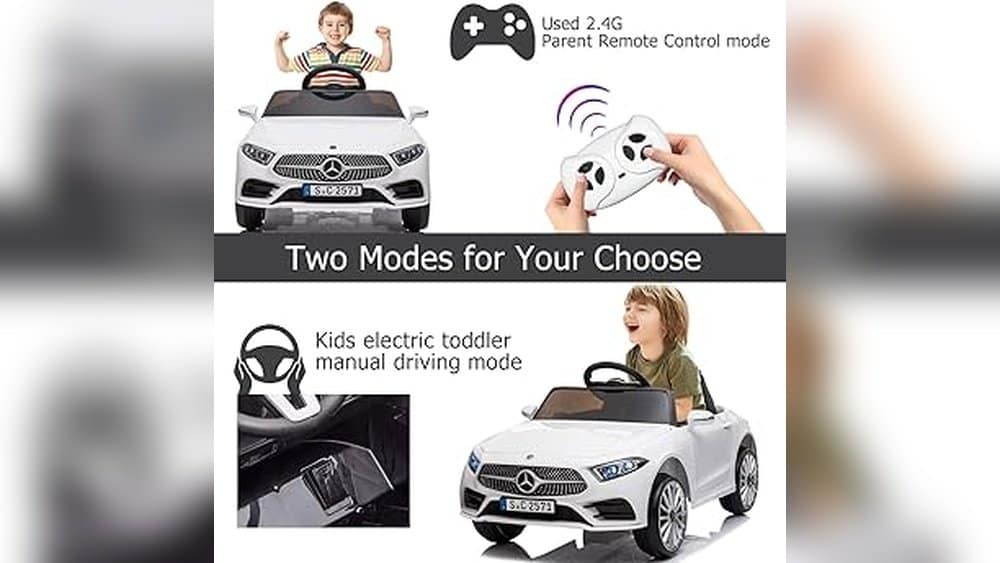
Some models include speed limiters to control movement. Parental remote controls offer supervision during play. Checking safety certifications ensures the toy meets standards. These features give parents peace of mind while kids enjoy their rides.

Maximizing Playtime

Maximizing playtime with themed ride-on vehicles helps children learn and imagine more deeply. These toys turn simple rides into adventures full of discovery and fun. Kids stay active and curious, building skills while enjoying their play. Parents and friends can join in to expand the experience. Here are ways to make the most of playtime with ride-on vehicles.

Outdoor Activities

Outdoor play lets children explore their surroundings freely. Ride-on vehicles encourage movement and fresh air. Parks, backyards, and sidewalks become exciting tracks for adventure. Nature adds new sights and sounds, sparking creativity. Playing outside improves balance and coordination naturally. It also helps children develop a sense of space and direction.

Group Play

Playing with others builds social skills and teamwork. Children learn to share and take turns with ride-on toys. Group play invites role-playing games and imaginative stories. Kids create races, quests, and challenges together. Friendships grow stronger through cooperative play. This interaction enhances communication and problem-solving abilities.

Parental Involvement

Parents can boost learning by joining playtime. Asking questions about the ride sparks thinking and language use. Guiding safe riding teaches responsibility and rules. Playing alongside children shows support and encouragement. Parents can introduce new ideas to keep play fresh and exciting. This time strengthens bonds and builds confidence in kids.

Frequently Asked Questions

What Do Toy Cars Teach Kids?

Toy cars teach kids fine motor skills, hand-eye coordination, creativity, problem-solving, and spatial awareness through imaginative play.

What Skills Do Children Learn From Pretend Play?

Children learn creativity, problem-solving, communication, social skills, perspective-taking, planning, and critical thinking through pretend play.

Is Playing With Cars An Imaginative Play?

Yes, playing with cars encourages imaginative play by letting children create stories and roles, boosting creativity and problem-solving skills.

What Are The Benefits Of Ride-on Toys?

Ride-on toys boost balance, coordination, and motor skills. They encourage exercise, independence, creativity, and social interaction. Kids gain confidence, spatial awareness, and problem-solving abilities through imaginative play and navigation.

Conclusion

Themed ride-on vehicles spark creativity and learning in young children. They help improve balance, coordination, and motor skills. Kids enjoy pretending to be drivers, explorers, or heroes, which builds imagination. These toys also boost confidence and encourage independence. Playing with them supports social and emotional growth too.

Overall, ride-on vehicles offer fun ways to develop many important skills. Children benefit from both physical activity and creative play. A perfect mix for healthy growth and happy moments.

Why Choose a Ride-On With Parental Remote

Why Choose a Ride-On With Parental Remote: Safety & Fun Combo

Choosing the right ride-on toy for your child isn’t just about fun—it’s about safety and peace of mind for you. When you pick a ride-on with a parental remote, you get the best of both worlds: your child enjoys the thrill of driving, while you stay in control every step of the way.

Imagine being able to guide, stop, or steer the ride-on from a distance, keeping your little one safe even when they’re exploring new spaces. You’ll discover why a ride-on with parental remote control is a smart choice for your family, making playtime safer, more enjoyable, and stress-free for you.

Keep reading to find out how this simple feature can transform your child’s ride-on experience—and your peace of mind.

Why Choose a Ride-On With Parental Remote: Safety & Fun Combo
Why Choose a Ride-On With Parental Remote: Safety & Fun Combo 10

Benefits Of Parental Remote

Choosing a ride-on with a parental remote offers many benefits. It gives parents control over their child’s playtime. This control helps keep kids safe and allows adults to guide play activities. The remote adds peace of mind and makes outdoor fun worry-free.

Enhanced Safety Features

Parental remotes let parents stop or slow the ride-on anytime. This control prevents children from going too fast. It also helps avoid dangerous places like streets or pools. Many remotes have emergency stop buttons for quick action. These features protect children during play.

Active Supervision During Play

Parents can watch and guide their kids closely without constant running. The remote allows adults to steer or pause the ride-on from a distance. This keeps children in safe zones while still having fun. It also helps parents teach safe driving habits early.

Accident Prevention

Remote control reduces the risk of crashes or falls. Parents can stop the ride-on before a collision happens. They can also avoid obstacles easily by steering remotely. This control lowers the chance of injuries during playtime. It keeps rides smooth and safe for young drivers.

Why Choose a Ride-On With Parental Remote: Safety & Fun Combo
Why Choose a Ride-On With Parental Remote: Safety & Fun Combo 11

Fun And Learning Combined

Choosing a ride-on with a parental remote blends fun and learning perfectly. Kids enjoy the excitement of driving while parents guide safely. This mix helps children grow through play. Every ride becomes a chance to develop new skills. Parents can join the fun and feel confident about their child’s safety.

Improving Motor Skills

Operating a ride-on vehicle helps kids move their hands and feet precisely. Steering the wheel and pressing pedals builds coordination. The remote control lets parents assist, reducing frustration. This support encourages kids to try more and practice. Repeated use strengthens small muscles and hand-eye coordination.

Building Spatial Awareness

Kids learn to judge distances and avoid obstacles during rides. The remote allows parents to control speed and direction. This helps children understand space and movement safely. They begin to see how their actions affect the ride-on’s path. Such play boosts their ability to navigate the world around them.

Boosting Confidence

Kids feel proud when they drive or steer the ride-on car. The parental remote provides a safety net for parents. This support lets children explore without fear. Positive experiences increase self-esteem and encourage independence. Confidence grows as kids master new driving skills step by step.

Choosing The Right Ride-on Car

Choosing the right ride-on car is key for your child’s fun and safety. It needs to fit your child’s age, size, and skill level. The perfect ride-on offers both excitement and control. Parents often prefer models with remote control to guide their little drivers safely.

Speed And Size Considerations

Pick a ride-on car with speed suited for your child’s age. Slower speeds are best for toddlers to avoid accidents. Bigger kids can handle faster models for more fun. Size matters for comfort and safety. The car should support your child’s weight and height comfortably.

Battery Life And Power Options

Look for a ride-on with long battery life for longer playtimes. Some models offer quick charging to reduce wait time. Check if the battery is easy to replace or upgrade. More powerful batteries give better speed and performance but may be heavier.

Durability And Build Quality

Choose a ride-on car made from strong, durable materials. It should withstand bumps and rough play. Quality wheels and a sturdy frame improve safety and longevity. A well-built car saves money by lasting through years of use.

Common Concerns And Solutions

Choosing a ride-on with a parental remote raises some common concerns. Parents often worry about technical issues, cost, and whether features suit their child’s age. Understanding these concerns helps in making a confident choice. Below are common questions and practical solutions.

Technical Challenges Of Remote Controls

Remote controls can sometimes face signal interference or short range. Most modern ride-ons use reliable radio frequencies to reduce this problem. Batteries may drain quickly, but using rechargeable ones can save money. Simple pairing steps ensure the remote works smoothly every time. Always check the product manual for troubleshooting tips.

Cost Vs. Value Analysis

Ride-ons with parental remotes usually cost more than basic models. The extra price covers safety and control features. Think of it as an investment in your child’s safety and your peace of mind. Many parents find the added control worth the cost. Look for models with good reviews that balance price and quality.

Age-appropriate Features

Not all ride-ons suit every child’s age or skill level. Some remotes offer speed limits and easy controls for younger kids. Older children may enjoy faster speeds and more complex features. Check the manufacturer’s age recommendations before buying. Age-appropriate features help your child enjoy the ride safely and comfortably.


Parental Control Features To Look For

Choosing a ride-on with a parental remote means safety and fun go hand in hand. Parents get control over the ride, ensuring kids play safely. Key features on the remote can make all the difference. These features help parents guide and protect their children during play.

Override And Emergency Stop

An override feature lets parents take control anytime. It stops the ride instantly if needed. This feature prevents accidents and keeps kids safe. Emergency stop is crucial for quick reactions. It allows parents to halt the ride without delay.

Range And Signal Reliability

Good range means parents can control the ride from a distance. Signal reliability ensures the remote works without interruptions. A strong connection prevents the ride from going out of control. Look for remotes with consistent and long-range signals.

User-friendly Remote Design

The remote should be easy to use and hold. Simple buttons help parents react quickly. Comfortable design reduces hand strain during playtime. Intuitive controls make managing the ride stress-free and fun.

Why Choose a Ride-On With Parental Remote: Safety & Fun Combo
Why Choose a Ride-On With Parental Remote: Safety & Fun Combo 12

Tips For Safe Ride-on Play

Ensuring safe ride-on play is crucial for both children and parents. Safety makes the experience enjoyable and worry-free. Parents can guide and protect their kids effectively. Here are some simple tips to keep ride-on fun safe and controlled.

Supervised Outdoor Spaces

Choose open, flat areas for ride-on play. Avoid busy streets or uneven grounds. Keep an eye on your child at all times. Supervision helps prevent accidents and quick reactions if needed. Outdoor spaces with clear boundaries work best.

Regular Maintenance Checks

Check the ride-on car before each use. Look for loose parts or worn-out tires. Ensure the battery is fully charged and safe. Regular maintenance keeps the car in good shape. It also prevents unexpected breakdowns during play.

Setting Playtime Rules

Set clear rules before starting play. Explain speed limits and safe driving areas. Teach your child to stop when you say so. Consistent rules help children learn safe habits early. This creates a fun and safe environment for everyone.

Frequently Asked Questions

Do Ride-on Cars Have Parental Remote Control?

Yes, many ride-on cars include parental remote controls for safety. Parents can steer, stop, or control speed easily. This feature ensures better supervision and prevents accidents during playtime.

Why Are Remote Control Cars Good For Kids?

Remote control cars boost kids’ hand-eye coordination, fine motor skills, and spatial awareness. They promote active, supervised play and enhance reflexes safely.

What Are The Disadvantages Of Remote Control?

Remote control systems can be costly and face technical glitches. They may limit flexibility and require constant connectivity. Safety risks arise if controls fail or lag. Some users find them less intuitive than manual operation.

Should You Use Parental Controls?

Using parental controls helps protect children from inappropriate content and online dangers. They offer peace of mind and improve safety.

Conclusion

Choosing a ride-on with a parental remote offers safety and fun together. Parents can guide their children easily and prevent accidents. Kids enjoy driving while parents stay in control. This feature helps build confidence in young riders. It also allows parents to join playtime actively.

A parental remote adds peace of mind during rides. Overall, it creates a safer and more enjoyable experience for families.

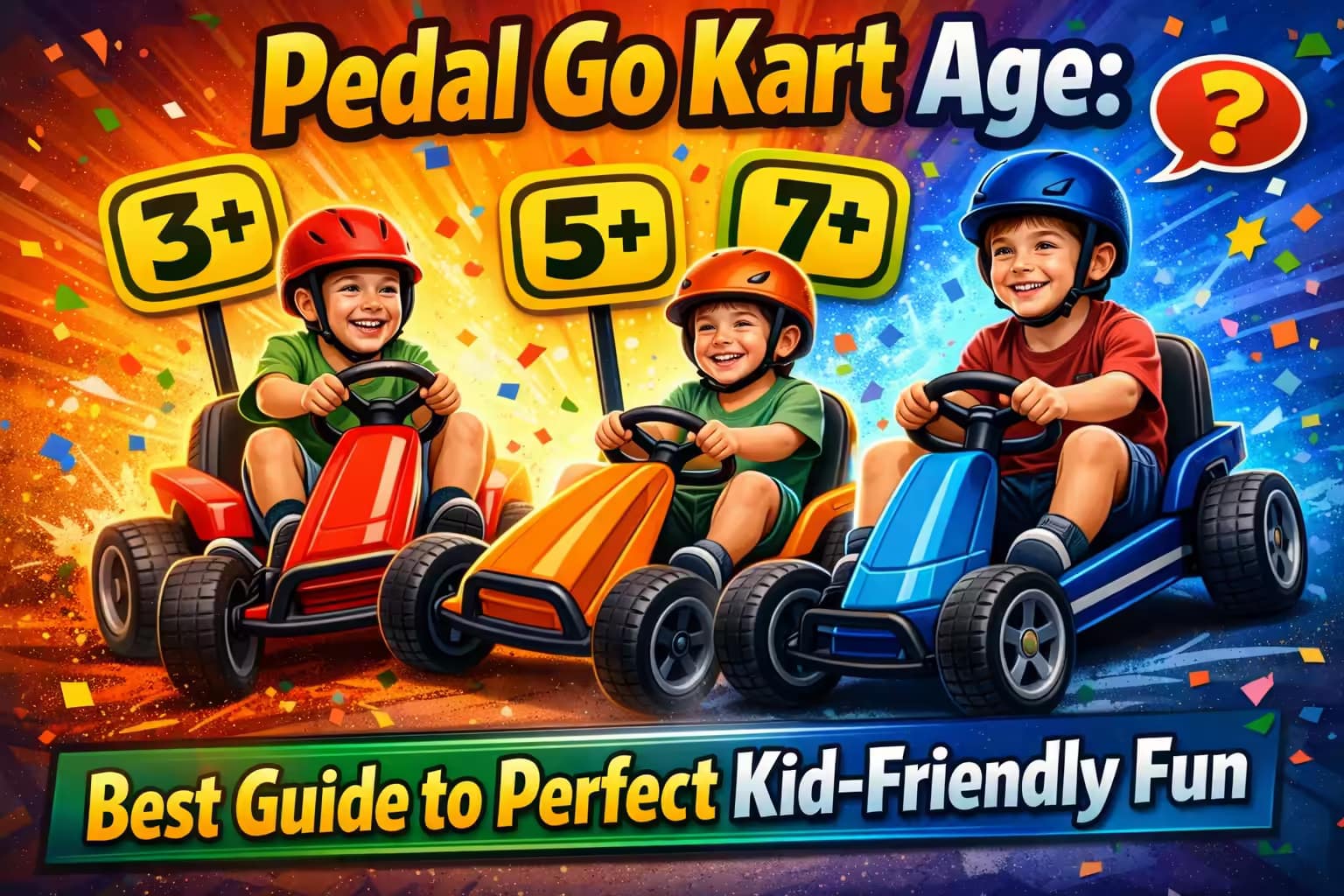
Pedal Go Kart Age Best Guide to Perfect Kid-Friendly Fun

Pedal Go Kart Age: Best Guide to Perfect Kid-Friendly Fun

Are you wondering what the right age is for your child to start enjoying a pedal go kart? Choosing the perfect time can make all the difference in how much fun and safe your little driver will be.

Whether you’re looking for a thrilling outdoor activity or a way to boost your child’s coordination and confidence, knowing the ideal pedal go kart age helps you pick the best fit. You’ll discover clear age guidelines, important factors like height and supervision, and tips to ensure your child’s first rides are exciting and safe.

Keep reading to find out how to get your family rolling with the perfect pedal go kart experience!

Ideal Ages For Pedal Go Karts

Choosing the right pedal go kart depends greatly on the child’s age. The ideal ages for pedal go karts help parents pick the best fit. Age affects kart size, safety, and the child’s ability to control the kart. Understanding age guidelines makes the experience fun and safe.

Age Ranges By Kart Size

Small pedal go karts suit toddlers from 2 to 4 years old. These karts have simple pedals and easy steering. Medium-sized karts fit kids aged 5 to 8. They offer more speed and control. Larger karts are made for kids 9 and older. Some models even fit teens and adults. Matching kart size with age ensures better comfort and handling.

Developmental Milestones

At 2 to 4 years, children develop basic motor skills. They can pedal slowly and steer with help. From 5 to 8 years, kids gain stronger leg muscles and better coordination. They handle turns and speed changes more easily. By age 9, children show good judgment and balance. These skills allow them to drive larger karts safely. Pedal go karts support physical growth and confidence.

Safety Guidelines By Age

Children under 5 must always have adult supervision. Helmets and protective gear are essential at all ages. For kids 5 to 8, karts with seat belts and speed limiters add safety. Older kids should learn rules about safe driving and track use. Regularly check the kart’s condition before each ride. Safety rules reduce risks and keep fun going longer.

Pedal Go Kart Age: Best Guide to Perfect Kid-Friendly Fun
Pedal Go Kart Age: Best Guide to Perfect Kid-Friendly Fun 16

Key Factors Beyond Age

Age is a common guideline for pedal go kart use, but it is not the only factor to consider. Many other important aspects affect safety and enjoyment. These include physical fit, safety limits, and skill readiness. Paying attention to these helps ensure a better experience for the rider.

Height And Reach

Height affects whether a child can safely reach the pedals and steer. The rider must sit comfortably and control the kart easily. If the feet cannot reach the pedals fully, it can cause loss of control. Make sure the kart seat adjusts to fit the rider’s size. Visibility over the steering wheel is also important to see the path ahead clearly.

Weight Limits

Each pedal go kart has a weight limit set by the manufacturer. Exceeding this limit can damage the kart or reduce its performance. It also affects speed and braking ability. Check the weight guidelines before use. Staying within limits keeps the kart safe and reliable on different surfaces.

Supervision Requirements

Young riders often need adult supervision for safety. Some tracks or rental places require a parent or guardian to be present. Supervision helps prevent accidents and offers quick help if needed. It is best to stay close during the ride, especially with beginners or smaller children.

Skill Level Considerations

Skill matters as much as age or size. Beginners might find it hard to steer or pedal smoothly. Practice in a safe, open area helps build confidence and control. More skilled riders can handle faster speeds and sharper turns. Choose a kart and track that match the rider’s skill level to avoid frustration or injury.

Types Of Pedal Go Karts

Pedal go karts come in many styles and sizes to fit different ages and needs. Knowing the types helps choose the right kart for fun and safety. Some karts are perfect for small kids, while others suit older children and adults. Features like adjustable seats and design for different terrains add variety.

Standard Kid-sized Karts

These karts fit young children best. They have smaller frames and simple pedals. Lightweight materials make them easy to pedal. Bright colors and fun designs attract kids. These karts usually support kids aged 3 to 8 years.

Xl Karts For Older Kids And Adults

XL models are bigger and stronger. They fit teenagers and adults comfortably. Heavy-duty frames handle more weight. Pedals and seats are designed for longer legs. These karts offer more speed and stability for bigger riders.

Adjustable Seat Models

Seats that adjust grow with the child. Moving the seat forward or back changes pedal reach. This flexibility extends the kart’s usability over years. Adjustable models suit families with children of different sizes. They provide better comfort and control.
Track Vs. Outdoor Karts

Track karts have smooth tires for paved surfaces. They are lighter and built for speed on flat tracks. Outdoor karts feature rugged tires for grass or dirt paths. Their frames are tougher to handle rough terrain. Choosing depends on where the kart will be mostly used.

Pedal Go Kart Age: Best Guide to Perfect Kid-Friendly Fun
Pedal Go Kart Age: Best Guide to Perfect Kid-Friendly Fun 17

Choosing The Right Pedal Go Kart

Choosing the right pedal go kart matters for fun and safety. Kids enjoy hours of play only if the kart fits their age and size. Parents must consider many aspects before buying. The kart should last long and protect the rider. Comfort also plays a big role in the experience. Below are key points to help select the best pedal go kart.

Durability And Build Quality

Strong materials make pedal go karts last longer. Look for steel frames and sturdy plastic parts. Check if the kart can hold the child’s weight safely. Good quality wheels improve stability and control. Avoid models with weak joints or thin parts. A durable kart saves money over time.

Safety Features To Look For

Safety is the top priority for children’s go karts. Choose karts with reliable brakes for quick stops. Adjustable seat belts add extra protection. Low center of gravity reduces the risk of tipping. Smooth edges and covered chains prevent injuries. Reflectors or bright colors increase visibility outdoors.

Comfort And Ergonomics

Comfort helps kids enjoy riding longer. Seats should be padded and adjustable to grow with the child. Pedals need to be easy to reach and push. Steering wheels must turn smoothly without too much effort. Good ventilation in the seat area keeps kids cool. Proper comfort avoids fatigue and strain.

Popular Brands And Models

BERG Toys offers durable and safe pedal go karts for different ages. Hauck Speedster is a budget-friendly option with solid build. Lil’ Rider Go Kart from Target suits younger kids well. Aosom models provide adjustable seats and good comfort. Choose a brand with positive reviews and reliable warranty.

Benefits Of Pedal Go Karts For Kids

Pedal go karts offer many benefits for kids beyond just fun. They support healthy growth and learning. Kids develop essential skills while enjoying outdoor activities. Parents appreciate how pedal go karts help children stay active and engaged. These rides are simple, safe, and suitable for various ages.

Exploring the advantages of pedal go karts reveals their positive impact on kids’ physical and social development. Let’s dive into key benefits that make pedal go karts a great choice for children.

Physical Exercise And Coordination

Pedal go karts provide excellent physical exercise for kids. Pedaling strengthens leg muscles and boosts endurance. Steering improves hand-eye coordination and motor skills. Regular use helps children stay fit and healthy. This activity encourages movement without feeling like a workout.

Outdoor Play Encouragement

Pedal go karts motivate kids to play outside more often. Fresh air and sunlight benefit their overall health. Outdoor play reduces screen time and promotes better sleep. Kids learn to explore their environment safely. It helps build a lifelong habit of enjoying nature.

Social And Family Bonding

Riding pedal go karts can be a fun social activity. Kids enjoy racing and playing with friends or siblings. Parents can join in for family bonding moments. Shared experiences create happy memories and stronger relationships. It teaches kids teamwork and fair play.

Building Confidence And Independence

Controlling a pedal go kart boosts a child’s confidence. Mastering steering and pedaling gives a sense of achievement. Kids feel proud when they ride on their own. This independence helps build self-esteem and decision-making skills. They learn responsibility in a safe way.

Safety Tips For Pedal Go Kart Use

Safety is the top priority for pedal go kart use. Kids and adults must follow simple rules to stay safe. Using the right gear and riding in safe places reduces risks. Parents and guardians should always watch and guide children. Regular maintenance keeps the go kart working well and prevents accidents.

Helmet And Protective Gear

Wearing a helmet is a must for every rider. It protects the head from injury during falls or crashes. Knee and elbow pads help prevent scrapes and bruises. Closed-toe shoes protect feet from pedals and rough surfaces. Protective gear boosts confidence and safety for young riders.

Safe Riding Environments

Choose smooth, flat surfaces away from traffic for riding. Avoid steep hills, busy streets, or places with many obstacles. Parks or driveways make good spots for pedal go kart fun. Make sure the area is well-lit and free of debris. Safe environments lower the chance of falls or collisions.

Supervision And Rules

Adults should always watch children while they ride. Set clear rules like speed limits and no bumping. Teach kids to stop at corners and look both ways. Explain the importance of sharing the track and riding calmly. Good supervision helps prevent risky behavior and accidents.

Maintenance And Inspection

Check tires for wear and proper air pressure before each ride. Make sure brakes work smoothly and pedals turn freely. Tighten loose nuts and bolts to keep the kart stable. Clean the go kart regularly to avoid dirt buildup. Regular inspections keep the pedal go kart safe and reliable.

Pedal Vs. Electric Go Karts

Choosing between pedal and electric go karts affects your child’s fun and safety. Both types offer exciting rides but differ in how they work and who they suit best. Understanding these differences helps pick the right kart for your child’s age and needs.

Speed And Control Differences

Pedal go karts move at a slower pace. Kids control speed by pedaling harder or softer. This gives them a chance to learn balance and coordination.

Electric go karts can reach higher speeds quickly. They use a motor controlled by a simple accelerator. This means less physical effort but requires more careful handling.

Age Suitability

Pedal go karts fit younger children better. Ages 3 to 10 can enjoy and manage pedaling easily. It helps build strength and motor skills.

Electric go karts suit older kids, usually from 8 years and up. Kids must understand speed control and safety rules to ride safely. Some models have speed limiters for beginners.

Cost And Maintenance

Pedal go karts cost less to buy and keep. No batteries or motors mean fewer repairs. Regular checks on pedals and tires keep them running well.

Electric go karts are more expensive. Batteries need charging and eventual replacement. Motors and wiring may also require professional care.

Environmental Impact

Pedal go karts are eco-friendly. They produce no pollution and use only human power. Great for outdoor play and healthy exercise.

Electric go karts run on rechargeable batteries. They create some environmental impact during battery production and disposal. Still cleaner than gas-powered vehicles.

Where To Ride Pedal Go Karts

Pedal go karts offer fun and exercise for kids and adults alike. Choosing the right place to ride enhances the experience. Different locations provide unique challenges and enjoyment. Safety and space are key factors in picking a spot. Here are some great places to ride pedal go karts.

Home And Backyard Options

Riding pedal go karts at home is convenient and safe. A flat driveway or spacious backyard works well. Kids can ride freely with adult supervision nearby. Backyard rides help develop driving skills in a controlled space. Obstacles like cones or small ramps add fun challenges. This option lets families enjoy go karting anytime.

Local Parks And Trails

Many parks have paved paths perfect for pedal go karts. These smooth trails offer longer rides and fresh air. Parks often have wide spaces where kids can explore. Choose less crowded times for a safe, relaxed experience. Riding on trails helps improve balance and coordination. Always check park rules before riding go karts.

Dedicated Go Kart Tracks

Specialized go kart tracks provide a thrilling environment. These tracks are designed for pedal and motorized karts. They offer safe barriers and smooth surfaces for faster rides. Tracks often have age or height restrictions for safety. Staff supervision is usually available to guide riders. A track visit gives a real race feel for kids.

Community Events And Rentals

Local events sometimes feature pedal go karts for rent. These events bring families together for fun activities. Renting a kart is easy and requires no ownership. Events may include races or obstacle courses for variety. This option is great for trying go karting without a big commitment. Check community centers or event listings for options.

Pedal Go Kart Age: Best Guide to Perfect Kid-Friendly Fun
Pedal Go Kart Age: Best Guide to Perfect Kid-Friendly Fun 18

Frequently Asked Questions

What Age Are Pedal Cars For?

Pedal cars suit children aged 2 to 8 years, depending on size and model. Always check weight limits and ensure proper supervision.

Can A 2 Year Old Ride A Go-kart?

A 2-year-old is generally too young to ride a go-kart safely. Most pedal go-karts recommend ages 3 and up. Always check manufacturer guidelines and ensure adult supervision. Choose age-appropriate, low-speed models designed for toddlers to ensure safety and fun.

What Is The Youngest Age For Go-karting?

Children can start go-karting as young as 3 to 5 years old on kiddie tracks with pedal karts. Age limits vary by track and kart type. Height and supervision requirements often apply to ensure safety. Always check specific track rules before allowing a child to drive.

How Fast Can A Pedal Go-kart Go?

A pedal go-kart can typically reach speeds of 5 to 12 miles per hour. Speed depends on rider strength and kart design.

Conclusion

Pedal go-karts suit kids of many ages, usually from 3 to 12 years. Size and strength matter most for safe riding. Always check the kart’s weight and height limits before buying. Supervision keeps children safe during playtime. Pedal go-karts encourage exercise, coordination, and outdoor fun.
Choose the right kart to match your child’s age and ability. This way, your child enjoys hours of safe and happy riding.

Pedal Go-Kart Vs Electric Ride-On Safety Ultimate Parent’s Guide

Pedal Go-Kart Vs Electric Ride-On Safety: Ultimate Parent’s Guide

When it comes to choosing the perfect ride for your child, safety is your top priority. You might be wondering: is a pedal go-kart safer than an electric ride-on, or vice versa?

Both options promise hours of fun, but they come with different risks and safety features that you need to understand before making a decision. You’ll discover the key safety differences between pedal go-karts and electric ride-ons, so you can confidently pick the best and safest option for your little one.

Ready to learn which ride offers more peace of mind? Keep reading!

Pedal Go-Kart Vs Electric Ride-On Safety: Ultimate Parent’s Guide
Pedal Go-Kart Vs Electric Ride-On Safety: Ultimate Parent’s Guide 22

Pedal Go-karts Basics

Pedal go-karts offer a fun and active way for kids to enjoy outdoor play. They rely on physical effort to move, which helps children develop strength and coordination. These karts come in various designs, but all focus on manual pedaling to power the vehicle. Understanding the basics of pedal go-karts helps parents choose the safest option for their children.

Safety is a key concern, especially when comparing pedal go-karts to electric ride-ons. Knowing how pedal karts work and their safety features can guide better decisions. Age and size suitability also play a big role in ensuring safe use. Let’s explore these important points below.

How Pedal Karts Work

Pedal go-karts use pedals connected to a chain or direct gear system. When the rider pushes the pedals, the kart’s wheels turn, moving the kart forward. Steering is controlled by a simple wheel or handlebar. Brakes stop the kart by pressing a pedal or lever, similar to a bicycle.

No battery or motor is needed. This makes pedal karts lighter and quieter. Children control the speed by how fast they pedal, giving them direct control over movement. This helps teach basic vehicle control and coordination skills.

Key Safety Features

Most pedal go-karts include safety features designed to protect children. A sturdy frame keeps the kart stable and strong. Seat belts or harnesses prevent riders from falling out during sharp turns or sudden stops. Some models have padded seats and steering wheels to reduce injury risk.

Effective brakes are vital to stop the kart safely. Wide, low-profile tires offer good grip on different surfaces. The low center of gravity reduces the chance of tipping over. Parents should check for smooth edges and secure bolts to avoid scrapes and cuts.

Age And Size Suitability

Pedal go-karts come in sizes made for toddlers up to older children. Manufacturers provide age and weight recommendations to guide buyers. Selecting the right size ensures the child can reach pedals and controls comfortably. Too large or too small a kart can cause accidents or discomfort.

Parents should measure their child’s height and leg length before buying. Adjustable seats and pedals add flexibility for growing kids. Using the correct size kart helps maintain balance and control, enhancing safety during rides.

Electric Ride-ons Essentials

Electric ride-ons offer children a fun and modern way to enjoy outdoor play. Safety is a key concern for parents and guardians. Understanding the essential features of these vehicles helps ensure safe use.

Each electric ride-on has specific parts and controls designed with safety in mind. Knowing how these work can prevent accidents and injuries.

Battery And Motor Function

Electric ride-ons run on rechargeable batteries. These batteries power the motor, which moves the vehicle. The battery size affects how long the ride-on can run. A fully charged battery usually lasts between 30 minutes to an hour. The motor controls the speed and power. Proper maintenance of the battery and motor is crucial. Overcharging or rough use can damage the battery. Always follow the manufacturer’s charging instructions to keep the motor working well.

Speed Controls And Safety

Speed control helps manage how fast the ride-on moves. Most electric ride-ons have adjustable speed settings. Lower speeds are safer for younger children. Some models include remote controls for parents. This allows adults to stop or slow the ride-on if needed. Safety features like automatic brakes and sturdy frames add protection. Wearing helmets and protective gear is strongly recommended. These controls and features reduce the risk of accidents.

Recommended Age Groups

Manufacturers suggest age limits for each ride-on model. These recommendations ensure the ride-on suits a child’s size and skill. Small electric ride-ons are ideal for toddlers aged 3 to 5 years. Larger models fit children aged 6 to 10 years. Following age guidelines helps maintain safety. Using a ride-on outside the recommended age can be dangerous. Always check the product label before purchase or use.
Safety Comparisons

Safety is a top priority when choosing between pedal go-karts and electric ride-ons. Both types offer fun but differ in how they handle control, speed, and durability. Understanding these differences helps parents pick the safest option for their kids.

Control And Speed Differences

Pedal go-karts are powered by the rider’s pedaling. This keeps the speed low and easy to control. Kids can stop anytime by simply stopping pedaling. Electric ride-ons use batteries and motors. They can reach higher speeds quickly. Some models have speed limits and remote controls for parents. Yet, electric ride-ons may require more supervision due to faster speeds.

Risk Of Injuries

Pedal go-karts reduce injury risks as they move slower. Kids learn balance and coordination while pedaling. Electric ride-ons can cause falls if the speed is too high. Sudden starts or stops may surprise young riders. Both types should be used with helmets and safety gear. Choosing a product with safety features lowers injury chances.

Durability And Build Quality

Pedal go-karts often have a sturdy metal frame. They handle rough play and uneven surfaces well. Electric ride-ons have plastic parts that can crack or break. Battery compartments need protection from water and shocks. Durable construction adds to the safety of both types. Check reviews and product specs before buying.

Parental Safety Measures

Ensuring children’s safety while using pedal go-karts or electric ride-ons is a top priority for parents. Taking clear safety steps helps reduce risks and keeps playtime fun. Parents can take active roles in supervising, equipping kids properly, and setting clear rules. These measures build a safer environment for every ride.

Supervision Tips

Always watch children closely while they ride. Stay nearby to react quickly if needed. Avoid distractions like phones or conversations. Check the area for hazards before play starts. Keep younger kids within arm’s reach. Regularly remind kids to follow safety rules. Supervision lowers chances of accidents and ensures quick help.

Protective Gear Recommendations

Equip kids with helmets to protect their heads. Use knee and elbow pads to prevent scrapes. Gloves can improve grip and shield hands. Choose gear that fits well and feels comfortable. Bright colors increase visibility to others. Teach children to wear all safety gear every time. Good gear reduces injury from falls or collisions.

Setting Safe Play Boundaries

Define clear play areas away from roads or pools. Use cones or markers to show where kids can ride. Explain boundaries clearly and calmly to children. Avoid steep hills or uneven surfaces that cause tipping. Set time limits to avoid tiredness and loss of focus. Boundaries help kids understand where they are safe to play.

Common Safety Concerns

Safety is a top priority for parents choosing between pedal go-karts and electric ride-ons. Both types have unique risks that require attention. Understanding common safety concerns helps ensure a fun and secure experience for kids.

Battery Hazards In Electric Models

Electric ride-ons use rechargeable batteries that can pose risks. Improper charging may cause overheating or fires. Damaged batteries might leak harmful chemicals. Always use the charger provided by the manufacturer. Supervise charging sessions and store batteries safely. Check the battery compartment regularly for wear or damage.

Physical Strain With Pedal Karts

Pedal go-karts rely on children’s physical effort to move. Younger kids may tire quickly or strain their muscles. Overexertion can cause cramps or fatigue, leading to falls. Encourage breaks during play. Choose pedal karts suited to the child’s size and strength. Proper posture helps avoid back or leg pain.

Environmental And Terrain Risks

Outdoor use exposes both vehicles to uneven ground and obstacles. Electric models may accelerate faster, increasing the chance of crashes on rough terrain. Pedal karts can be harder to control on slopes or loose surfaces. Avoid steep hills, gravel, or wet areas. Always supervise rides and select safe, flat spaces for play.

Pedal Go-Kart Vs Electric Ride-On Safety: Ultimate Parent’s Guide
Pedal Go-Kart Vs Electric Ride-On Safety: Ultimate Parent’s Guide 23

Maintenance And Safety Checks

Maintaining pedal go-karts and electric ride-ons ensures safe use and longer life. Regular checks help spot issues early. Safety depends on good upkeep and timely repairs.

Regular Inspection Routines

Check tires for wear and proper inflation. Tighten bolts and screws often. Look at the frame for cracks or damage. Make sure brakes work well. Inspect steering parts for smooth movement. Clean dirt and debris after each use.

Battery Care And Charging Safety

Use the charger that comes with the ride-on. Avoid overcharging; unplug when full. Charge in a dry, cool place. Keep battery terminals clean and dry. Never use damaged or swollen batteries. Store batteries away from heat or fire.

Replacing And Repairing Parts

Replace worn tires or broken pedals quickly. Use parts made for your model. Fix brakes or steering issues without delay. Check electrical wiring for frays or loose connections. Use tools carefully to avoid damage. Keep a repair log to track work done.

Choosing The Right Kart

Choosing the right kart plays a key role in safe and fun riding. Kids have different skills and needs. The right kart matches their abilities and keeps safety first. Parents must think about size, control, and speed options. This helps children enjoy riding without risks.

Both pedal go-karts and electric ride-ons offer different features. Each type suits certain kids better. Understanding these differences guides you to a safe choice. Let’s explore how to pick the best kart based on important factors.

Matching Kart To Child’s Abilities

Check your child’s age, strength, and coordination. Pedal go-karts need leg power and good balance. Electric ride-ons require less physical effort but need some hand control skills. Choose a kart that fits your child’s current abilities. This reduces accidents and builds confidence.

Budget And Safety Balance

Set a budget that covers quality and safety features. Cheaper karts might lack strong frames or good brakes. Spend on models with safety belts, speed limits, and sturdy materials. A safe kart protects your child and lasts longer. Don’t compromise safety to save a few dollars.
Top Brands And Models

Pick well-known brands with good reviews on safety. Brands like Berg, Razor, and Fisher-Price offer reliable options. These karts often include safety harnesses and adjustable speeds. Reading customer feedback helps spot common issues. Choose models designed for your child’s age group.

Pedal Go-Kart Vs Electric Ride-On Safety: Ultimate Parent’s Guide
Pedal Go-Kart Vs Electric Ride-On Safety: Ultimate Parent’s Guide 24

Frequently Asked Questions

Are Electric Go-karts Safe For Kids?

Electric go-karts are generally safe for kids with features like adjustable speeds, safety harnesses, and sturdy frames. Always supervise children during use.

Why Is Go-karting A Red Flag?

A red flag in go-karting signals an immediate race stop due to accidents, hazards, or unsafe track conditions. Drivers must stop safely and await instructions.

How Common Are Go-kart Accidents?

Go-kart accidents occur occasionally, mostly due to driver error or poor track conditions. Safety measures reduce risks significantly.

What Is The Safest Go-kart?

The safest go-kart includes secure seat belts, padded guards, side rails, and remote engine shutoff for instant parental control.

Conclusion

Pedal go-karts and electric ride-ons both offer fun and excitement. Pedal go-karts require physical effort, giving kids exercise and control. Electric ride-ons provide ease of use with adjustable speeds. Safety depends on supervision, proper gear, and age-appropriate models. Always check for secure harnesses and sturdy frames.

Teach kids to follow rules and stay alert while riding. Both options can be safe with the right precautions. Choose what fits your child’s needs and environment best. Safety first, fun always.

5 Must-Have Safety Features in Ride Ons for Kids Essential Protection Tips

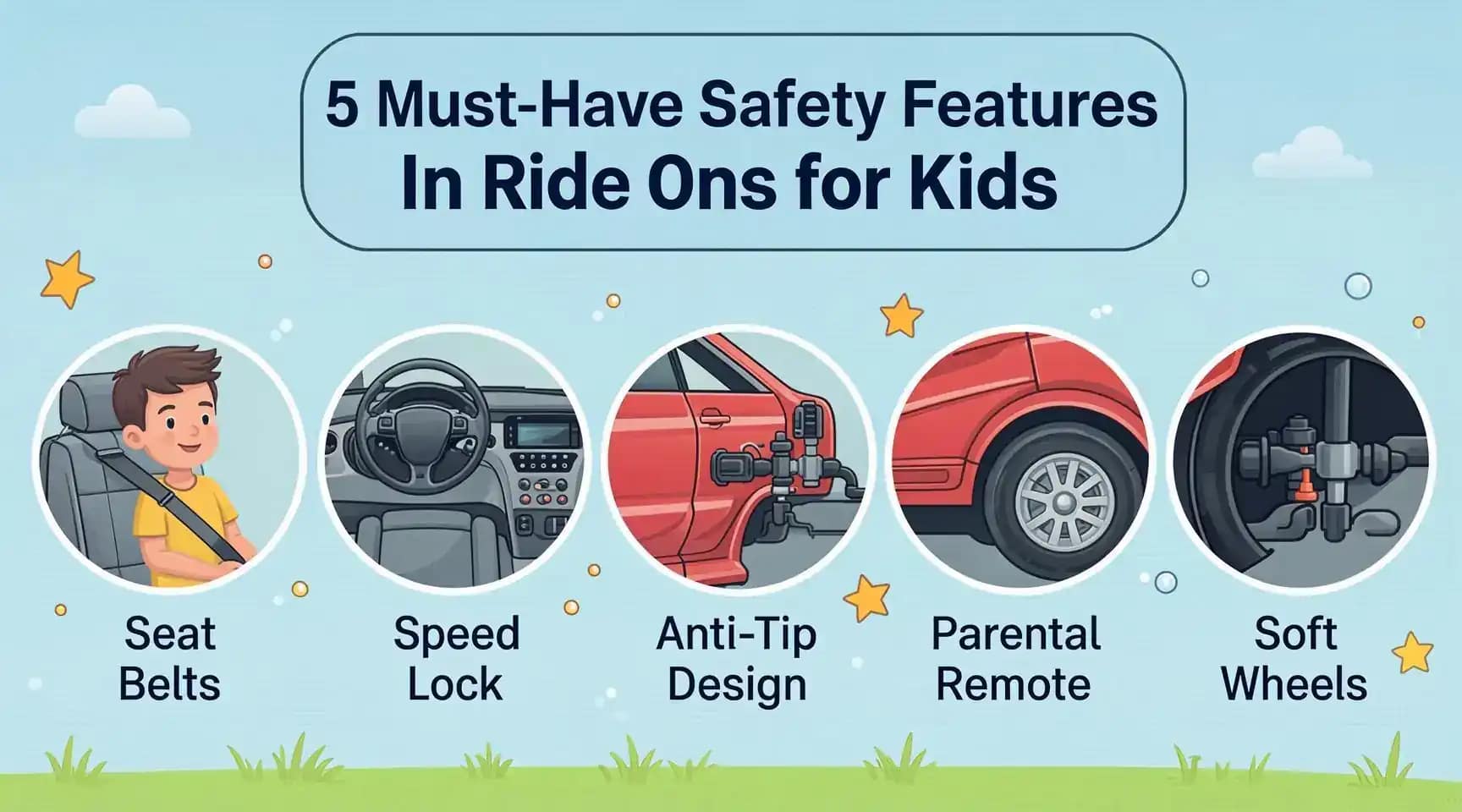
5 Must-Have Safety Features in Ride Ons for Kids: Essential Protection Tips

When it comes to choosing ride-ons for your kids, safety should always be your top priority. You want to make sure your child enjoys every moment without you constantly worrying about potential risks.

That’s why knowing the must-have safety features in ride-ons can make all the difference. You’ll discover five essential safety features that protect your little one while giving you peace of mind. Keep reading to find out what to look for so your child’s ride-on experience is as safe as it is fun!

5 Must-Have Safety Features in Ride Ons for Kids Essential Protection Tips
5 Must-Have Safety Features in Ride Ons for Kids: Essential Protection Tips 29

Seatbelts And Harnesses

Seatbelts and harnesses are essential safety features in ride-on toys for children. They keep kids secure during play and prevent falls or sudden ejections. A properly designed seatbelt or harness can reduce injury risk and offer parents peace of mind.

Choosing the right type and ensuring a correct fit are key to maximizing safety. These straps must hold children firmly without causing discomfort. Understanding the options helps caregivers pick the best safety gear for their child’s ride-on.

Types Of Safety Straps

Common safety straps include lap belts, three-point harnesses, and five-point harnesses. Lap belts wrap around the child’s waist only. Three-point harnesses secure the waist and one shoulder. Five-point harnesses fasten over both shoulders, the waist, and between the legs. Five-point harnesses provide the highest security and limit movement best.

Proper Fit And Adjustment

Straps must fit snugly but not too tight. Loose straps allow children to slip out. Tight straps can cause discomfort or restrict breathing. Adjust straps to sit flat against the body without twists. Check and tighten straps before each ride. Regular adjustment ensures continued safety as children grow.

Sturdy Frame And Materials

A sturdy frame and quality materials form the backbone of any safe ride-on toy. These features ensure the toy stays solid during play and protects your child from harm. Choosing a ride-on with a strong build means it can handle bumps and rough use without breaking. This reduces the risk of accidents caused by broken parts or instability.

Using durable materials also means the ride-on will last longer. It stands up to daily wear and tear, keeping your child safe for many adventures ahead. A robust frame supports the entire structure, maintaining balance and preventing tipping. This stability is key to protecting kids as they learn to steer and control their ride.

Durability Of Ride-on Construction

Durability in ride-ons means the frame resists cracking and bending. Manufacturers often use thick plastic or metal to build the base and body. These materials hold shape even under heavy weight or rough play. Strong construction helps the ride-on keep steady on uneven surfaces.

Welded joints or reinforced screws add extra strength to the frame. This stops parts from loosening or falling apart over time. A durable ride-on reduces maintenance needs and keeps safety intact. Kids can enjoy their ride without parents worrying about sudden breaks.

Impact-resistant Components

Impact-resistant components absorb shocks from bumps and falls. These parts prevent damage to the ride-on and protect children during minor crashes. Manufacturers use rubber bumpers, thick plastic panels, and padded edges to soften impacts.

Such components also guard vital areas like wheels and steering mechanisms. This ensures the ride-on stays functional and safe even after rough use. Impact resistance lowers the chance of sharp edges or broken pieces harming your child. It makes the ride-on safer for active play both indoors and outdoors.
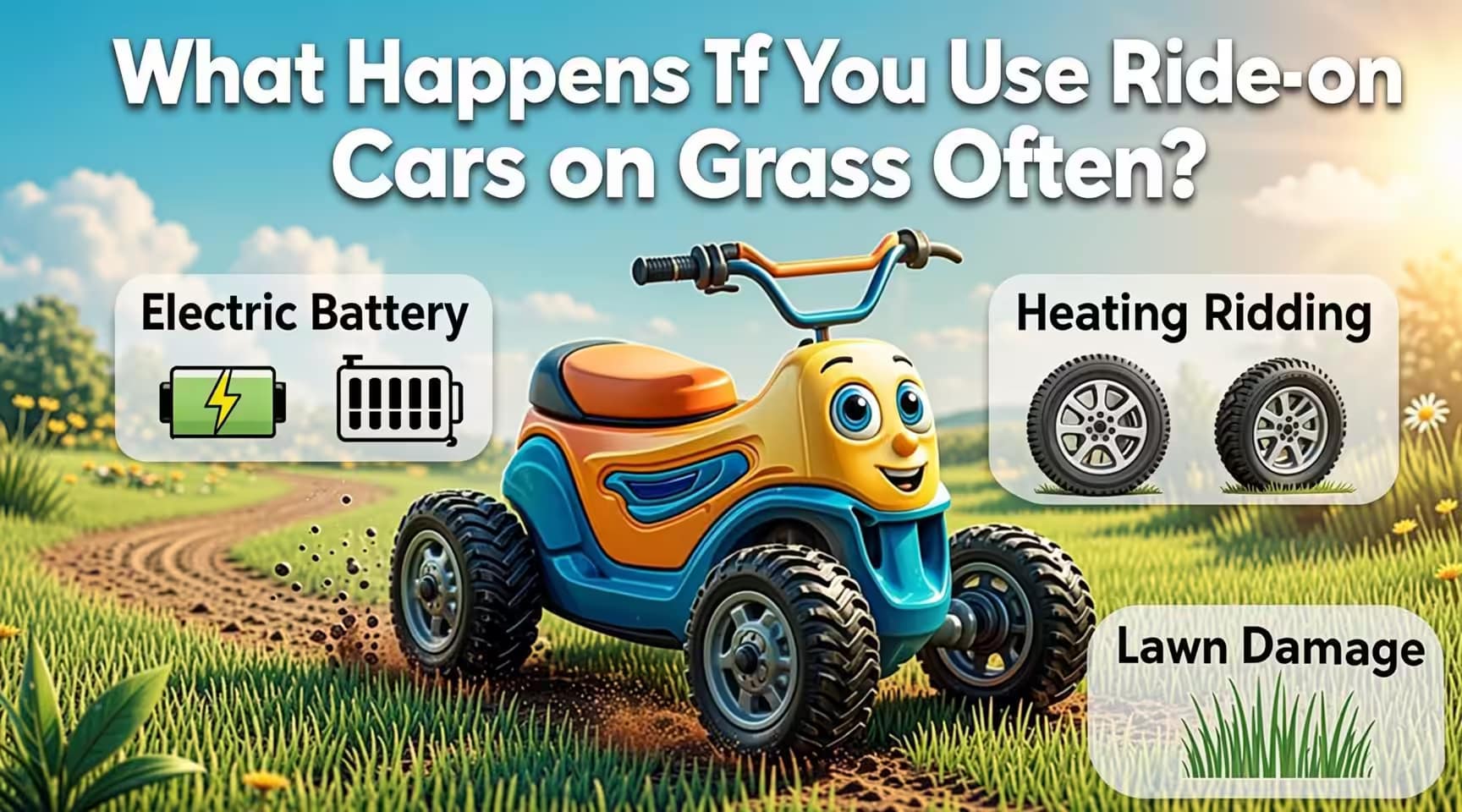
Speed Control Features

Speed control features in ride-ons help keep children safe while they enjoy their ride. These features allow parents to set limits on how fast the vehicle can go. Controlling speed reduces the risk of accidents and gives parents peace of mind.

Many ride-ons include options for parents to adjust speed easily. This makes it simple to match the child’s skill level and the riding environment. Safe speed control means fun without worry.

Maximum Speed Limits

Maximum speed limits cap how fast the ride-on can travel. Most models offer several speed settings. This allows parents to choose a slower speed for beginners. As the child gains confidence, the speed can be increased safely.
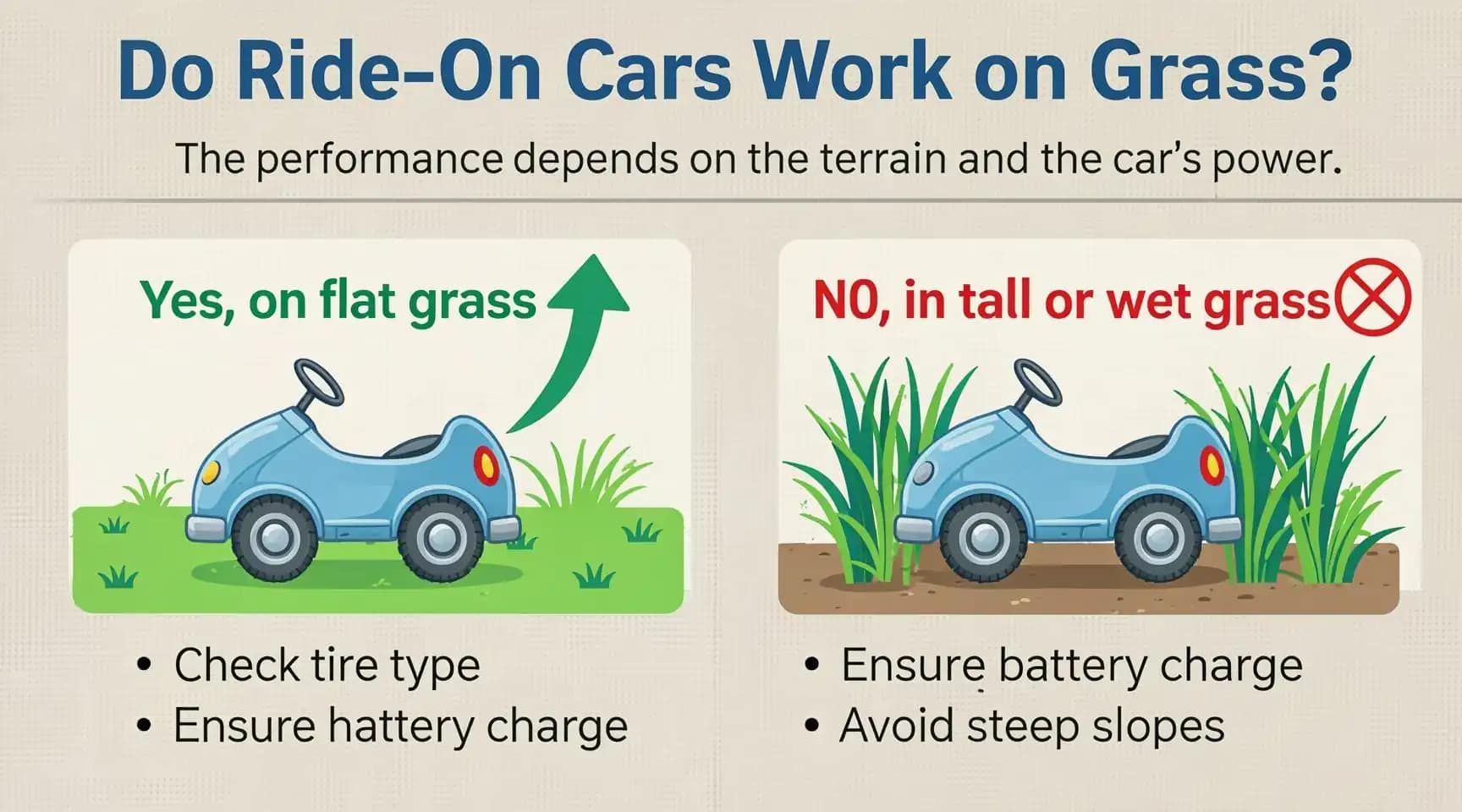
Setting a top speed keeps the ride-on from going too fast on rough or crowded areas. It helps prevent falls and collisions. Parents should always check the speed options before buying a ride-on.

Parental Remote Controls

Parental remote controls give adults full control over the ride-on’s speed and direction. Parents can slow down or stop the ride instantly if needed. This feature is especially useful for younger children or in busy places.

Remote controls also allow parents to guide the ride-on without letting go. This keeps kids safe while they learn to steer. Choosing a ride-on with a remote control adds an extra layer of safety.

Anti-tip And Stability Design

Anti-tip and stability design are essential safety features in ride-ons for kids. They help prevent accidents by keeping the toy from tipping over. These features offer children a safer and more enjoyable riding experience. A well-designed ride-on balances fun with safety, reducing the risk of falls and injuries.

Wide Wheelbase Benefits

A wide wheelbase spreads the ride-on’s weight over a larger area. This design lowers the chance of tipping sideways. It also improves balance, especially on uneven surfaces. Kids can ride more confidently, knowing their toy is steady. The wide base supports quick turns without losing control.

Low Center Of Gravity

Keeping the center of gravity low is key to stability. It means the heavy parts sit close to the ground. This setup makes the ride-on less likely to tip forward or backward. Children benefit from a smooth ride, even when accelerating or stopping suddenly. A low center of gravity also makes it easier to steer and maneuver safely.

Safety Sensors And Alerts

Safety sensors and alerts are essential for modern ride-ons designed for kids. These features help prevent accidents and keep children safe while they have fun. Sensors detect obstacles and alert the ride-on or the child to stop or slow down. Alerts notify parents or guardians about potential dangers instantly. This technology adds an extra layer of protection.

Obstacle Detection Systems

Obstacle detection systems use sensors to spot objects in the ride-on’s path. These sensors can detect walls, furniture, or even pets nearby. The system warns the child or automatically stops the ride-on to avoid collisions. This feature reduces the risk of bumps and falls during play. It is especially helpful in crowded or tight spaces.

Automatic Braking Mechanisms

Automatic braking mechanisms activate when the sensors detect an obstacle too close. This feature stops the ride-on without the child needing to react quickly. It prevents accidents caused by sudden stops or slow reactions. The brakes engage smoothly to keep the child stable. This smart safety feature gives parents peace of mind.

5 Must-Have Safety Features in Ride Ons for Kids: Essential Protection Tips

Helmet And Protective Gear

Wearing a helmet and protective gear is vital for kids riding on ride-ons. These items protect against head injuries and scrapes. They reduce the risk of serious harm during falls or collisions. Ensuring kids use the right safety equipment builds good habits. It also gives parents peace of mind while children enjoy their ride-ons.

Recommended Safety Equipment

Start with a well-fitting helmet designed for children. Look for helmets that meet safety standards like CPSC or ASTM. Along with helmets, use knee and elbow pads to shield joints. Wrist guards help prevent wrist injuries from falls. Gloves can protect hands from scrapes and blisters. Bright-colored gear improves visibility outdoors, adding extra safety.

Teaching Kids Proper Use

Show kids how to put on helmets and pads correctly. The helmet should sit level on the head and strap snugly. Pads must cover knees and elbows without slipping. Make wearing gear a fun routine before riding. Explain why safety gear is important in simple words. Praise kids when they remember to wear all protective items. Consistent teaching helps kids respect safety rules early.

Safe Riding Environment

Creating a safe riding environment is essential for children using ride-on toys. It helps prevent accidents and builds confidence. Parents and caregivers must focus on the surroundings as much as the toy itself.

Safe Riding Environment
5 Must-Have Safety Features in Ride Ons for Kids: Essential Protection Tips 30

Ensuring safety starts with picking the right place to ride. The area should be free from hazards and distractions. This simple step reduces the risk of injuries and makes playtime more enjoyable.

Choosing Appropriate Play Areas

Select flat, smooth surfaces for ride-ons. Avoid busy streets, steep hills, or uneven ground. Driveways, parks, and playgrounds can be good choices if they are quiet and spacious. Make sure there are no sharp objects, water bodies, or heavy traffic nearby. Clear space helps kids focus on riding safely.

Supervision And Boundaries

Always watch children while they ride. Set clear boundaries where they can and cannot go. Use cones, ropes, or natural markers to define safe zones. This teaches kids limits and keeps them within sight. Supervision helps prevent accidents and allows quick help if needed.

5 Must-Have Safety Features in Ride Ons for Kids: Essential Protection Tips

Frequently Asked Questions

What Are The 5 C’s Of Safe Driving?

The 5 C’s of safe driving are Care, Caution, Consideration, Common Sense, and Courtesy. These guide attentive, respectful, and responsible driving behaviors.

What Are The Top 5 Safety Features In Cars?

The top 5 car safety features are seatbelts and airbags, anti-lock brakes with electronic stability control, automatic emergency braking with forward collision warning, blind spot monitoring with rear cross-traffic alert, and lane departure warning with lane keeping assist. These enhance crash protection and accident prevention.

What Are 10 Safety Rules For Children?

1. Learn emergency contacts and how to call for help. 2. Never talk to or go with strangers. 3. Avoid unsafe touch and report it immediately. 4. Stay away from fire, sharp objects, and electrical hazards. 5. Always look both ways before crossing streets.

6. Use crosswalks and obey traffic signals. 7. Play only in safe, supervised areas. 8. Wear helmets when biking or skating. 9. Never swim alone. 10. Tell a trusted adult about unsafe situations.

What Are 3/4 Main Characteristics That A Popular Toy Must Have?

A popular toy must be safe, engaging, and age-appropriate. It should spark creativity and be durable for long-term use.

What Are The Top Safety Features In Kids’ Ride-on Toys?

Key safety features include seat belts, speed limiters, sturdy construction, parental remote control, and anti-tip designs. These help keep children secure while playing.

Why Is A Seat Belt Important In A Ride-on For Kids?

Seat belts keep kids safely seated during rides and reduce injury risks from sudden stops or bumps. They add an essential layer of protection.

How Does Parental Remote Control Improve Ride-on Safety?

Remote controls let parents stop or steer the ride-on remotely, preventing accidents and ensuring better supervision. This feature increases peace of mind.

What Role Does Speed Control Play In Ride-on Safety?

Speed limiters prevent kids from going too fast, lowering the chance of falls or collisions. They keep the ride-on at a safe pace.

Why Choose Ride-ons With Anti-tip Designs?

Anti-tip features stabilize the ride-on and prevent it from flipping over. This reduces the risk of injuries during turns or uneven surfaces.

How Does Sturdy Construction Enhance Ride-on Safety?

Strong frames and quality materials protect kids in case of impacts. Durable design ensures the toy lasts and withstands rough use.

Conclusion

Choosing ride-ons with key safety features protects your child during play. Features like seatbelts, sturdy brakes, and stable design reduce risks. Sensors and alerts add extra layers of security. Always prioritize these elements to ensure fun and safe riding. Safe ride-ons help kids enjoy outdoor activities without worry.

Keep safety first for happy, confident little riders.

Best Electric Ride-On Cars for Kids 2026 Safe, Fun & Parent-Approved Picks

Best Electric Ride-On Cars for Kids 2026: Safe, Fun & Parent-Approved Picks

Parents want the same three things, every time.

  1. Safe enough that you are not sweating the whole time.
  2. Durable enough that it does not die after three weekends.
  3. Fun enough that your kid actually uses it, instead of it becoming an expensive garage ornament.

Kids, meanwhile, want one thing. Real car vibes. Lights. Sounds. A steering wheel that feels legit. Maybe a “start” button. Definitely something that looks like it could beat your neighbor’s ride on the imaginary drag strip.

This guide is how I would buy in 2026. What’s actually improved lately, what to avoid, how to choose voltage and fit, and then a shortlist of parent approved picks by category.

And yeah. These are toys, not transportation. Supervision still matters. Where they drive matters even more.

Why 2026 Is a Great Time to Buy an Electric Ride-On Car (What’s Actually Improved)

A few years ago, a lot of ride on cars were basically the same product with a different sticker. Same jerky start. Same plastic wheels that spin on grass. Same remote that works… until it doesn’t.

2026 is better. Not perfect. But better.

The stuff that’s genuinely improved

Better parent remotes (2.4GHz).

Older remotes could be glitchy, short range, and sometimes they would “fight” the car. Newer 2.4GHz remotes are usually smoother, more reliable, and less likely to get interference from other toys nearby.

Smoother acceleration (soft start).

This is a huge one. The old school “on/off” lurch was the reason a lot of kids hated ride ons at first. Or parents did. Soft start makes it feel more like a real pedal. Less head snap. Less tipping risk.

Improved seat belts.

Still often basic lap belts, but more brands are using sturdier buckles and better anchor points. Some toddler focused models even do harness style belts now.

Stronger plastics and frames.

Not all, but the good models use thicker body panels, better mounting points, and less brittle plastic. You notice it during assembly. Doors line up better. Seats flex less.

Better tires, especially EVA.

EVA wheels are that slightly squishy foam rubber feel. Quieter. Better grip. Less sliding on smooth floors. Still not true “rubber tire” performance, but a real upgrade from hard plastic.

More realistic dashboards and lighting.

This is mostly about fun, but it can be functional too if it includes a battery indicator so you are not guessing when it will die mid lap.

Why cheap ride ons still disappoint

You can find super cheap listings everywhere. Sometimes they look identical in photos. In real life, the usual problems show up fast:

  • weak batteries that fade after a few months
  • jerky starts, no soft start
  • bad traction, especially on grass
  • flimsy wheels or wheel hubs that wobble
  • remote range that is more like “stand 4 feet away and pray”
  • questionable wiring and connectors during assembly

You do not need the most expensive model. But you also do not want the cheapest possible one unless you are okay with it being basically a short term toy.

Set expectations (this saves headaches)

These are not meant for roads. Not for steep hills. Not for hauling stuff. Not for riding unsupervised around a neighborhood.

A ride on car is a controlled, low speed toy. Best on safe, predictable surfaces. And the parent remote is not optional when kids are little, or when you are near obstacles.

How I Chose the Best Kids Ride-On Cars (Safety, Value, and Real-World Use)

I’m not ranking these by “most popular” or “most expensive”. I’m grouping them by what works for real families.

Here is the parent checklist I used.

Non negotiables (stuff I would not compromise on)

  • Reliable parent remote with override and stop
  • Seat belt (at least a lap belt, ideally better for toddlers)
  • Stable wheelbase (wide enough that turns do not feel tippy)
  • Age appropriate speeds (and ideally a low speed mode)
  • Charging safety (a decent charger, no sketchy heat issues, clear instructions)

Quality signals that usually matter

  • Battery type: sealed lead acid is most common and fine, lithium is lighter but usually costs more
  • Wiring neatness: if the connectors look flimsy during assembly, that’s a red flag
  • Wheel material: EVA is a big plus
  • Motor setup: dual motor tends to be better for grass and heavier kids
  • Suspension: not required, but helpful on uneven pavement
How I Chose the Best Kids Ride-On Cars (Safety, Value, and Real-World Use)

Practical stuff parents feel later

  • assembly time and how annoying it is
  • whether replacement parts exist (battery, remote, wheels, charger)
  • whether the brand has any real support
  • realistic weight limits, not fantasy numbers

What “best” actually means (by age group)

  • Toddlers (12 to 24 months): stability, very low speed, remote control that works every time
  • Preschool (3 to 5): soft start, traction, low and high speed modes, enough power for mild outdoor use
  • Kids (5 to 8): higher weight limit, torque, EVA wheels, possibly 24V if your space is safe for it

Before You Buy: Pick the Right Voltage (6V vs 12V vs 24V)

Voltage is not everything, but it’s the easiest filter.

In simple terms, voltage usually affects power potential. Torque. Speed ceiling. Ability to move on grass. Not always. Because motors, gearing, wheels, and weight matter too. But still, voltage is a good start.

6V ride ons

Best for: toddlers, first timers, indoor or flat driveway use

What it feels like: slow, gentle, pretty safe

Where it struggles: grass, slopes, heavier kids

12V ride ons

Best for: most families, ages around 3 to 6

What it feels like: enough power to be fun, still manageable

Why it’s the sweet spot: huge selection, better features, usually comes with a decent remote and soft start

24V ride ons

Best for: older kids, heavier riders, bigger yards, more space

What it feels like: noticeably faster, more torque

What you need: supervision and room. Also you need to be okay with your kid actually moving, quickly.

And again. Performance is not just voltage.

A 12V dual motor with EVA wheels can outperform a lazy 24V setup on certain terrain. Especially if the 24V has slick plastic wheels and poor gearing.

Age, Size & Safety Fit (The Part Most Parents Get Wrong)

The biggest mistake is buying based on the listing age range and ignoring fit.

You want to match:

  • height and legroom (can they reach the pedal comfortably?)
  • inseam and knee bend (are their knees jammed into the dash?)
  • weight limit (and not just “it holds 66 lbs” in the title)
  • confidence level (some kids love speed, some hate it)

Toddlers

Prioritize:

Preschoolers

Look for:

  • two speed modes
  • better traction
  • soft start
  • suspension if you have bumpy pavement

Older kids

You want:

  • higher weight limit
  • better torque
  • EVA wheels
  • adjustable seat if available (rare, but nice)

Basic safety rules (still worth saying out loud)

  • helmet if outdoors, especially on sidewalks or park paths
  • closed toe shoes
  • no streets, no traffic areas
  • adult supervision. always for toddlers, and honestly for most kids

Remote Control vs Kid-Driven: What Parents Should Choose (and Why)

If your kid is under 3, you will use the remote. A lot. Even if you think you won’t.

Here’s why:

  • Limited coordination: Toddlers are still developing motor skills. They often can’t steer or control speed reliably.
  • Safety first: At this age, kids are curious but unpredictable. The remote lets you maintain full control to avoid accidents.
  • Shared spaces: If you have pets, other children, or obstacles nearby, the remote ensures your child stays safe.
  • Short attention spans: Toddlers may lose interest quickly or get distracted. You’ll need the remote to guide or stop the ride on a whim.
  • Emergency situations: The ability to instantly stop or adjust speed with a parent-controlled remote is crucial in unexpected moments.

Even if your toddler insists on “driving,” the reality is that the remote will be your best tool for keeping playtime fun and secure.

When remote control is essential

  • ages 1 to 3
  • brand new riders
  • shared spaces (other kids, pets, obstacles)
  • near driveways, garages, patio steps, pools

What to look for in a parent remote

  • 2.4GHz
  • priority override (remote always wins)
  • emergency stop
  • smooth steering and speed control
  • real range that lets you stand nearby, not hover over the car

Common remote issues

  • pairing problems
  • laggy steering
  • interference in crowded areas

Better models reduce this with stronger pairing and more stable connections. It’s not magic. But it’s better than it used to be.

Kid driven pros

It’s independence. Motor skills. Confidence. Also it’s adorable when they take it seriously.

If kid mode is the goal, choose a model with:

  • soft start
  • speed limiter or low speed mode
  • stable base

The 2026 Shortlist: Best Electric Ride-On Cars for Kids (By Category)

I’m grouping picks by who they are best for. Because “best ride on car” is meaningless unless you know your kid’s age, your terrain, and your storage situation.

Also quick note: manufacturers change runs. Listings get updated. Always confirm battery voltage, wheel type, weight limit, and whether EVA wheels are included before you buy.

How to use this list

Pick by:

  1. age and size
  2. terrain
  3. remote needs
  4. seat count
  5. budget

Then compare features.

Best Overall 12V Ride-On Car for Most Families (2026 Pick)

Pick: 12V Licensed SUV Style Ride-On with EVA Wheels + Soft Start + 2.4GHz Remote

Think “licensed SUV” in the category of Kid Trax, Peg Perego style builds, or the better 12V licensed lookalikes that specifically mention soft start and EVA wheels.

  • ALL-TERRAIN EVA TIRES: The 2 seater ride on kids car with parental remote control features durable, wear-resistant EVA t…
  • 20” REAL TWO SEATER: Designed with roomy dual seats, this all terrain drivable car for kids vehicle allows two kids to …
  • REMOTE CONTROL: The included remote lets adults guide the two seater ride on car for kids ages 4-8, supporting safe supe…

I’m not pretending one single SKU stays consistent all year. What I’m recommending is the configuration that wins in real life.

Who it’s for: ages roughly 3 to 6, flat driveway to park paths, parents who want remote + kid mode

Why it wins: balanced speed, soft start, decent traction, stable frame, remote override you can trust

Feature checklist to prioritize on the product page

  • 12V battery
  • 2 speed modes (or low/high)
  • soft start
  • seat belt
  • EVA wheels (or rubber traction strips at minimum)
  • battery indicator
  • suspension if included
  • working lights, basic horn, maybe music input

What to watch Runtime is always less on:

  • grass
  • heavier riders
  • cold weather
  • constant full throttle driving (which is… most kids)

If the model supports a spare battery swap, that can be worth it. If it doesn’t, just plan for ride time in chunks.

Safest Electric Car for Toddlers (Best for Ages 2–3)

Pick: 6V or “Slow 12V” Toddler Car with Wide Stance + Remote Priority Stop

For toddlers, slower is better. Like, boring to older kids. Perfect.

  • Power&Long-Lasting Play: Powered by a 12V 4.5Ah rechargeable battery, this ride on offers up to 80 minutes of continuous…
  • 8″ Big Wheel: 8″ tires glide smoothly over paved roads; Powerful high-speed motor ensures max speed of 1.5mph, a very sa…
  • Anti-Rollover Safety: Engineered with stability features to prevent tipping on slopes or bumpy terrain, keeping little o…

Who it’s for: 2 to 3, early riders, parents driving most of the time

Must have safety features

  • very low max speed
  • soft start
  • wide stable stance
  • secure belt (some offer harness style)
  • remote priority stop

Design wins

  • simple steering wheel
  • comfy seat with back support
  • anti slip tires (EVA if possible)
  • enclosed footwell

Setup tips

  • start indoors or flat backyard
  • avoid slopes, even gentle ones
  • in shared spaces, use the remote full time
Safest Electric Car for Toddlers (Best for Ages 2–3)
Best Electric Ride-On Cars for Kids 2026: Safe, Fun & Parent-Approved Picks 44

Best Budget Electric Ride-On Car (Still Worth Buying)

Budget is tricky here because the very cheapest models tend to be the ones that frustrate parents. So when I say budget, I mean “lowest price that is still a decent toy”.

Pick: Basic 12V Single-Seater with Remote Override + Seat Belt (Preferably Soft Start)

  • REALISTIC DRIVING ACTION: Give your kids a realistic behind-the-wheel experience with controls sized for small hands and…
  • PARENTAL REMOTE CONTROL: Join in the fun and take your child on a wild ride with full control over the truck’s driving f…
  • INTERACTIVE FUNCTIONS: Four wheel drive with spring suspension pairs with working LED headlights for a realistic multi-t…

What you give up at lower prices

  • often plastic wheels (louder, slippery)
  • weaker motors, usually single motor
  • louder gear noise
  • smaller seat and lower weight limit
  • less refined remote

Non negotiables even on budget

  • remote override
  • seat belt
  • stable base
  • decent charger with clear instructions

How to make budget work

  • use on smooth pavement
  • keep rider weight comfortably under the limit
  • avoid thick grass
  • treat the battery well (more on that later)

This is the category where battery care makes the biggest difference. A budget ride on with a healthy battery will feel “fine”. A budget ride on with a neglected battery feels broken.

Best Two-Seater Ride-On Car (Siblings / Playdates)

Two seaters are fun. Also heavier. Which means they need torque.

Pick: 12V or 24V Two-Seater UTV Style with Dual Motors + Wider Wheelbase + EVA Wheels

Who it’s for: two younger kids, or one older kid who wants space

  • [4 X 200W Powerful Engines] Powered by a 24V battery and four 200W drive motors, this ride on toys can reach a top speed…
  • [2-Seater with Remote Control] Unlike other narrow fake 2-seater ride on car, this spacious real 2-seater has a real sep…
  • [Premium EVA Tires for Greater Safety] Compared with ordinary plastic tires, EVA tires offer stronger grip and shock abs…

What matters most

  • actual seat space, not “two seater” marketing
  • higher weight capacity
  • dual motors
  • wider wheelbase
  • stronger belts (at least two lap belts)

Terrain notes Two seaters get sluggish on grass. Even good ones. If your main area is a lawn, prioritize:

  • EVA wheels with tread
  • higher torque setup (often 24V, or strong dual motor 12V)
  • suspension

Parent tips Make rules early. Hands and feet inside. No standing. Remote in crowds.

Best Off-Road/Grass Performer (Backyard-Friendly Pick)

“Off road” is a big word in ride on land. Thick grass can stop even strong models if the kid is heavy and the battery is low.

Pick: 24V UTV with Dual Motors, EVA/Rubberized Tires, Suspension, Higher Clearance

Who it’s for: lawns, gravel paths, uneven pavement

  • 24V POWERFUL 4X75W MOTORS: This 24V kids utv benefited from a premium 24V rechargeable battery and 4 pcs 75W motors. Max…
  • 2-SEATER UTV W/ ELECTRIC DUMP BED: This 2 Seater ride on dump truck is equipped with 4 strong spring suspension wich all…
  • REMOTE CONTROL & MANUAL MODES: This 24V electric car can easy to start by one button. Kids can drive the truck around fr…

Key specs

  • dual motor
  • deep tread tires (EVA with tread, or rubber strips)
  • suspension
  • higher ground clearance

Realistic expectations

  • short dry grass: usually okay with the right model
  • thick grass: still a struggle
  • sand: basically a no
  • hills: avoid. these are toys

Safety note Teach stopping distance. Uneven surfaces change how fast they stop, and how they turn.

Best “Realistic Car” Experience (Lights, Sounds, Music, Dashboard)

Some kids are not impressed by torque. They want buttons. They want the whole vibe.

Pick: Licensed Style 12V Car with Working Headlights, Engine Start Sound, Bluetooth/USB, Battery Display

Who it’s for: kids who care about cool factor and pretend driving

  • [Licensed Mercedes Benz G63] Featuring the iconic grille for which Mercedes Benz is known, this g wagon electric car for…
  • [Premium Performance] Powered by two 35W high-performance motors and an upgraded 12V 7AH rechargeable battery (55% capac…
  • [Parent Remote & Manual Mode] By using the parent remote control, parents can either stop the toddler car in an emergenc…

Features that actually add value

  • working headlights (visible, not just tiny LEDs)
  • horn that is not painfully loud
  • engine start sound (fun, usually harmless)
  • Bluetooth/USB for music
  • battery level display

Features that are mostly gimmicks

  • sirens that are too loud and annoying
  • fragile door latches that break fast

Parent sanity tip Volume control is not optional. If the listing does not mention it, assume it will be loud.

Best “Realistic Car” Experience (Lights, Sounds, Music, Dashboard)
Best Electric Ride-On Cars for Kids 2026: Safe, Fun & Parent-Approved Picks 45

Best Compact Pick for Apartments/Small Storage

If you live in an apartment, storage is the whole game. Some ride ons are huge, awkward, and heavy.

Pick: Compact 6V or Small 12V Coupe Style with Tight Turning Radius

Who it’s for: limited storage, smaller kids, indoor plus flat outdoor use

  • Superior Power: Equipped with upgraded 75W high-performance motors, this ANPABO kids wiggle car delivers stronger power,…
  • Spacious 2-Seater Design for Growth: Unlike small single-seat ride on cars, this upgraded swing car features a wide 17-i…
  • Enhanced Safety & Anti-Rollover Design: This electric car for kids is equipped with a reliable rear-drive system that de…

What to prioritize

  • lighter chassis
  • simpler assembly
  • carry handle if included
  • smaller footprint and turning radius

Trade offs

  • smaller seat
  • less power
  • shorter runtime

Storage tips Do not store it in extreme heat or cold if you can avoid it. Batteries hate that. If you have to store in a garage, bring the battery inside during winter if the manual allows easy access.

What to Look For in the Best 12V Ride-On Cars (2026 Buyer Checklist)

This is the skimmable part. If you are comparing product pages, these are the items that matter.

The 5 specs that matter most

  1. Weight limit (realistic, not just “up to 110 lbs” in the title)
  2. Battery and charger (12V battery, safe charger, clear charging instructions)
  3. Motor configuration (single vs dual motor)
  4. Wheel material (EVA preferred)
  5. Remote quality (2.4GHz, override, stop)

Soft start (why it matters)

Soft start means the car accelerates gradually instead of jerking forward. This is:

  • more comfortable for kids
  • less scary for new riders
  • safer around obstacles
  • less likely to tip during sudden starts or turns

Speed ranges and adjustability

Adjustable speeds matter because:

  • siblings share
  • kids grow fast
  • different spaces need different speeds

A low speed mode near people is just… common sense. And it saves toes.

Certifications and compliance (careful here)

Look for reputable compliance statements on listings and manuals, but do not assume a logo means “invincible safety”. Build quality and supervision still matter.

Battery & Runtime: What Parents Can Expect (Not Marketing Numbers)

Marketing runtime is always best case. Flat surface. Light kid. Warm day. New battery. Low speed.

Real world typical ranges, very general:

  • 6V: roughly 30 to 60 minutes
  • 12V: roughly 45 to 90 minutes
  • 24V: roughly 60 to 120 minutes

That can drop fast on grass or with a heavier rider. Or if your kid holds the pedal down like they are escaping the cops.

Battery types

Sealed lead acid (SLA):

Most common. Affordable. Heavy. Fine when cared for.

Lithium (less common):

Lighter. Often better performance consistency. Usually pricier. Still needs proper charging habits.

Charging best practices (boring, but this is how you keep it alive)

  • do the first charge as the manual says, usually a full charge
  • do not leave it on the charger for days unless the manual explicitly allows it
  • avoid draining to zero repeatedly
  • for off season storage, store partially charged and top up occasionally

Signs a battery is failing

  • runtime suddenly drops
  • car slows down quickly even on flat ground
  • it struggles to start
  • battery will not hold charge

Batteries are often replaceable and that can bring a “dead” ride on back to life, assuming the electronics are fine.

Wheels & Traction: Plastic vs EVA vs Rubber

Wheel type changes everything. Noise, grip, and how it handles turns.

Plastic wheels

  • loud on pavement
  • slippery on smooth floors
  • poor grass performance
  • common on budget models

EVA wheels

  • quieter
  • better grip
  • more premium feel
  • usually worth paying for

Rubber (rare)

  • best traction
  • sometimes only present as rubber strips or treads

If you are using it indoors sometimes, EVA wheels are also a sanity buy. Plastic wheels echo through a house.

Wheels & Traction Plastic vs EVA vs Rubber
Best Electric Ride-On Cars for Kids 2026: Safe, Fun & Parent-Approved Picks 46

Motors, Power & Terrain: Single vs Dual Motor

Dual motor benefits

  • better acceleration
  • better on grass
  • better with heavier kids
  • less “stalling” feeling

Single motor

  • fine for flat pavement
  • fine for lighter kids
  • common in budget picks

Torque matters more than top speed for most families. You want the car to move smoothly and not get stuck, not to be fast.

Watch outs

  • overheating if you push it up hills
  • stalling in thick grass
  • burning through battery when the wheels spin without moving

If it’s struggling, stop and move it. Do not keep mashing the pedal while it’s stuck. That’s how you cook a motor.

Seat Belts, Doors, and Stability: The Real Safety Hardware

Seat belts

Most common is a simple lap belt. That’s normal. For toddlers, a more secure harness style is a nice upgrade, but not common.

Check that:

  • buckle works easily but does not pop open
  • anchor points feel solid
  • belt is not just decorative webbing

Doors

Doors are fun. Also breakable.

Check latches for:

  • sturdiness
  • pinch risk
  • whether the door is mostly cosmetic

Stability

Look for:

  • wider wheelbase
  • low center of gravity
  • speed limiter or low speed mode
  • soft start

And for toddlers, remote emergency stop is the real safety feature. It matters more than fancy lights.

Seat Belts, Doors, and Stability: The Real Safety Hardware

Top Mistakes to Avoid When Buying Electric Ride-On Toys

These are the ones I see again and again.

  1. Buying by age alone. Height and weight matter more.
  2. Ignoring terrain. Grass needs torque and better wheels.
  3. Assuming two seater means two kids fit comfortably. Some are cramped.
  4. Not checking replacement parts. Batteries and remotes are the first things you might need.
  5. Choosing higher voltage than your space supports. A fast car in a tiny driveway is just stress.

Setup, Maintenance & Battery Care (So It Lasts More Than One Season)

Most ride ons fail early because of loose assembly, bad storage, or battery neglect.

Assembly tips

  • tighten steering and wheel hardware properly
  • check wiring connectors and make sure they click in
  • test remote pairing before you fully button it up
  • charge fully before the first real ride

Pre ride checklist (quick)

  • seat belt works
  • wheels are secure
  • speed is set to low for new riders
  • area is clear of obstacles, pets, and little siblings wandering around

Cleaning

Wipe down. Do not hose it down. Water and electronics do not mix, and these are not sealed like real vehicles.

Battery care

  • charge after use, but do not leave on charger forever unless allowed
  • store indoors if possible
  • avoid freezing temps and extreme heat
  • off season: store partially charged, top up occasionally

Replacing parts

Often easy DIY:

  • battery
  • charger
  • remote (depends on model)
  • wheels (sometimes)

If electronics are failing under warranty, use warranty. Do not open everything up and void it unless you are sure you are past return windows.

Where Kids Should (and Shouldn’t) Drive These Cars

Best surfaces

  • flat pavement
  • smooth concrete
  • short dry grass (with the right model)

Avoid

  • streets, anywhere with traffic
  • steep driveways
  • wet surfaces
  • puddles, pools, sprinklers
  • loose gravel that can jam wheels (model dependent)

Driving rules that actually work

  • set boundaries with cones or chalk
  • low speed mode near people
  • remote control in crowded areas
  • no driving behind cars, ever. visibility is the issue.

Supervision by age

  • toddlers: constant, hands on supervision
  • preschool: close supervision, remote nearby
  • older kids: still supervised outdoors, especially near driveways

Quick Comparison: How to Choose the Right Pick in 60 Seconds

Here’s the fast decision flow.

  1. Child age and weight
  2. Terrain (pavement vs grass)
  3. Remote needed? (under 3, yes)
  4. Seat count (one kid vs siblings)
  5. Budget

Mini matrix (simple)

Toddler safe: 6V or slow 12V, wide stance, remote priority stop

Best all around: 12V, soft start, EVA wheels, 2 speed modes

Two seater: 12V strong dual motor or 24V, higher weight limit, wide base

Grass friendly: dual motor, EVA tread, suspension, higher clearance

Budget: 12V with remote override, accept plastic wheels and lower performance

Before you click buy, double check:

  • weight limit
  • wheel type
  • battery voltage
  • remote override and stop
  • warranty and replacement parts availability

Wrap-Up: The Parent-Approved Way to Buy a Ride-On Car in 2026

If you want the simplest summary, it’s this.

  • Safest toddler pick: a stable 6V or slow 12V with remote priority stop and soft start
  • Best overall for most families: a 12V ride on with EVA wheels, soft start, and a reliable 2.4GHz remote
  • Best for grass: dual motor, better tires, ideally 24V, with realistic expectations
  • Best two seater: higher weight capacity, dual motors, wide base, and decent belts
  • Best budget: keep it on smooth pavement, protect the battery, do not expect miracles on lawns
Wrap Up The Parent Approved Way to Buy a Ride On Car in 2026
Best Electric Ride-On Cars for Kids 2026: Safe, Fun & Parent-Approved Picks 47

Buy the model that fits your space and your child’s size today, not the one they will “grow into” in two years. That sounds practical. It is also how you avoid the classic situation where the car is too fast, too big, or too weak for where you actually live.

Safety features plus terrain match plus battery care. That combo is what makes these things feel worth it. Kids get the real car vibes. You get fewer headaches.

FAQs (Frequently Asked Questions)

What are the key features parents look for in electric ride-on cars?

Parents typically want electric ride-on cars to be safe enough so they don’t worry constantly, durable enough to last beyond a few weekends, and fun enough that their kids actually use them instead of becoming garage ornaments.

How have electric ride-on cars improved by 2026 compared to earlier models?

By 2026, ride-on cars have seen genuine improvements such as better 2.4GHz parent remotes with smoother control, soft start acceleration reducing jerky movements, improved seat belts including harness styles for toddlers, stronger plastics and frames for durability, EVA foam tires for better grip and quieter rides, and more realistic dashboards with functional lighting like battery indicators.

Why should I avoid cheap electric ride-on cars?

Cheap ride-ons often have weak batteries that fade quickly, jerky starts without soft acceleration, poor traction especially on grass, flimsy wheels or wobbling hubs, short-range or glitchy remotes, and questionable wiring which can affect safety and longevity. They tend to be short-term toys rather than lasting investments.

What safety features are non-negotiable when choosing a kids’ ride-on car?

Essential safety features include a reliable parent remote with override and stop functions, at least a lap seat belt (preferably better for toddlers), a stable wheelbase wide enough to prevent tipping during turns, age-appropriate speed settings with low-speed modes, and safe charging equipment with clear instructions.

How do I choose the right voltage for an electric ride-on car?

Voltage generally affects power potential such as torque and top speed. Lower voltages like 6V suit toddlers with very low speeds; 12V is common for preschoolers offering moderate power; 24V models provide higher torque and speed suitable for older kids or mild outdoor use. However, motor quality, gearing, wheels, and weight also impact performance.

What practical considerations should parents keep in mind after purchasing a ride-on car?

Parents should consider assembly time and difficulty, availability of replacement parts like batteries or remotes, brand support quality, realistic weight limits rather than inflated claims, and ensuring that the toy is used under supervision on safe surfaces as these are not meant for roads or steep hills.

Do Ride-On Cars Work on Grass Discover the Ultimate Guide

Do Ride-On Cars Work on Grass? Discover the Ultimate Guide

Many kids love ride-on cars. They are fun and exciting. But parents often ask one question: Do ride-on cars work on grass? This article will explain the answer clearly. We will also share tips to help you enjoy ride-on cars on grass.

What Are Ride-On Cars?

Ride-on cars are small electric or battery-powered vehicles. Children can sit on them and drive around. They look like real cars but are made for kids. These toys bring joy and help kids learn to drive safely.

Can Ride-On Cars Drive on Grass?

The simple answer is: Yes, ride-on cars can drive on grass. But it depends on some things. Some ride-on cars work better on grass than others. The type of grass and the car’s features matter a lot.

Types Of Grass Surfaces

  • Short, flat grass: Ride-on cars can drive well here.
  • Tall or thick grass: Cars might move slower or get stuck.
  • Wet or muddy grass: It is hard for cars to move and can cause damage.
  • Uneven grass or hills: Some cars may struggle to climb or keep balance.

Features That Help Ride-on Cars Work On Grass

Not all ride-on cars are the same. Some have special parts for grass and rough surfaces.

Feature Why It Helps on Grass
Big Tires Big tires can roll easily over grass and bumps.
Pneumatic (Air-Filled) Tires These tires provide good grip and a smooth ride on grass.
Strong Motor Power A powerful motor helps the car move through thick grass and slopes.
Good Traction Design Tires with deep treads grip grass better and prevent slipping.
Durable Body Strong body parts resist damage from rough surfaces like grass and gravel.
 

How Well Do Ride-On Cars Work on Grass?

Many ride-on cars handle grass well, but not all. Cars with plastic wheels often slip on grass. They work better on smooth surfaces like concrete or pavement.

Cars with air-filled or rubber tires perform better on grass. They provide better grip and comfort. Also, cars with stronger motors climb hills or thick grass easier.

Some ride-on cars are made for off-road use. They can go on grass, dirt, and gravel. These cars are ideal if you have a big yard with uneven terrain.

 
Do Ride-On Cars Work on Grass Discover the Ultimate Guide
Do Ride-On Cars Work on Grass? Discover the Ultimate Guide 51

Tips for Using Ride-On Cars on Grass

Here are some simple tips to help your child enjoy ride-on cars on grass safely:

  • Check the grass: Keep the grass short and flat when possible.
  • Avoid wet grass: Wet or muddy grass can cause slipping and damage the car.
  • Use a car with big or air-filled tires: These tires work best on grass.
  • Charge the battery fully: Driving on grass uses more power than on smooth surfaces.
  • Watch your child: Make sure your child drives safely and avoids steep slopes or holes.
  • Keep the car clean: Grass and dirt can get stuck in wheels and motors.
  • Store the car properly: Keep it in a dry place to avoid damage from moisture.

What Happens If You Use Ride-On Cars on Grass Often?

Using a ride-on car on grass often can cause some wear and tear. Grass may get stuck in wheels or the motor. Sometimes, the car may slow down or need more battery power.

However, if the ride-on car is made for off-road use, it will last longer on grass. Regular cleaning and care will also help the car stay in good shape.

Can Ride-On Cars Damage Your Lawn

Ride-On Cars Not Ideal for Grass

Some ride-on cars are best used only on smooth surfaces. These usually have small plastic wheels. They may get stuck or slip a lot on grass.

If you want to use a ride-on car mostly on grass, avoid these models. Look for cars with better tires and stronger motors.

Can Ride-On Cars Damage Your Lawn?

Ride-on cars can leave marks on the grass. Heavy cars or hard tires may press the grass down. This can cause small patches to die or look bad.

To reduce lawn damage:

  • Drive slowly and avoid sharp turns.
  • Use the ride-on car in dry weather.
  • Keep the grass healthy by watering and mowing regularly.
 

Summary: Do Ride-On Cars Work on Grass?

Yes, most ride-on cars can work on grass. But success depends on the car and the grass surface.

Cars with big, air-filled tires and strong motors do best on grass. Flat, dry grass is easier to drive on. Avoid wet, tall, or very uneven grass for best results.

With care and the right car, your child can enjoy ride-on cars on the lawn safely and happily.

Do Ride-On Cars Work on Grass
Do Ride-On Cars Work on Grass? Discover the Ultimate Guide 52

Final Advice

Before buying a ride-on car, think about where your child will use it most. If you have a grassy yard, look for cars built for grass and off-road use.

Always check the car’s features and reviews. Ask the seller if the car works well on grass. This will help you make a smart choice.

Remember, safety is important. Always supervise your child when they drive the ride-on car. Have fun and enjoy outdoor play!

Frequently Asked Questions

Can Power Wheels Be Used On Grass?

Power Wheels can be used on grass, especially on short, even lawns. Models with strong motors and large wheels perform best. Avoid thick, wet, or uneven grass to prevent getting stuck or damaging the toy. Regular maintenance ensures safe and smooth rides on grassy surfaces.

Can You Use Car Ramps On Any Surface?

Car ramps work best on flat, solid surfaces like concrete or asphalt. Avoid using them on soft, uneven ground.

Is It Safe To Use Jack Stands On Grass?

Using jack stands on grass is unsafe due to uneven, soft ground. Always use them on a firm, level surface. Place wooden boards under stands for extra stability if no solid surface is available. Never rely solely on grass to support vehicle weight.

How Long Can A Car Sit On Grass?

A car can sit on grass briefly, ideally under 24-48 hours. Long-term parking risks moisture damage and rust.

Can Ride-on Cars Drive Smoothly On Grass?

Ride-on cars can drive on grass but may move slower than on pavement. Grass texture and thickness affect their speed and traction.

Do All Ride-on Cars Work Well On Grassy Surfaces?

Not all ride-on cars work well on grass. Models with bigger, rugged wheels handle grass better than those with small plastic wheels.

What Wheel Type Is Best For Ride-on Cars On Grass?

Large, rubber tires with deep treads provide better grip and control on grass. Plastic wheels often slip and get stuck.

Can Ride-on Cars Get Stuck On Wet Grass?

Yes, ride-on cars can get stuck on wet or muddy grass. Wet grass reduces traction and may cause wheels to spin without moving.

How Can I Improve Ride-on Car Performance On Grass?

Use ride-on cars with strong motors and wide, textured tires. Keeping grass trimmed short also helps improve movement and control.

Is It Safe For Kids To Use Ride-on Cars On Grass?

Yes, ride-on cars are generally safe on grass if the area is flat and free of obstacles. Always supervise children during play.


Can a 2-Year-Old Use an Electric Ride-On Car Safety Tips & Benefits

Can a 2-Year-Old Use an Electric Ride-On Car? Safety Tips & Benefits

What Are Electric Ride-On Cars?

Electric ride-on cars are small vehicles for kids. They run on batteries. Kids can sit in them and drive around. These cars look like real cars. Some have doors, lights, and sounds. They are fun toys that help children learn to move and control a car.

 
Can a 2-Year-Old Use an Electric Ride-On Car Safety Tips & Benefits
Can a 2-Year-Old Use an Electric Ride-On Car? Safety Tips & Benefits 56

At What Age Can Kids Use Electric Ride-On Cars?

Usually, electric ride-on cars are for kids 3 years old and above. But some models are made for younger children. These smaller cars have low speed and simple controls. For 2-year-olds, it is best to choose cars that are made for toddlers.

Many experts say that children under 2 years old should not use electric cars alone. Their muscles and balance are not strong enough yet. But some 2-year-olds may be ready with help from parents.

What to Check Before Letting a 2-Year-Old Use an Electric Ride-On Car

Safety is the most important. Before buying or using a ride-on car, check these things:

  • Voltage: Low voltage means slower speed. For toddlers, 6 volts or less is best.
  • Weight Limit: Each car has a maximum weight. Make sure your child fits within the limit.
  • Parental Controls: Many cars have remote controls. Parents can stop or steer the car. This is good for toddlers who are learning.
  • Speed: Slow speed is safer. Look for cars that go no faster than 2-3 miles per hour.
  • Size: The car should be small enough for your child to reach pedals and steering wheel easily.

Benefits of Electric Ride-On Cars for 2-Year-Olds

Electric ride-on cars are not just fun. They can help children in many ways. Here are some benefits:

  • Improves Motor Skills: Driving helps kids use their hands and feet together.
  • Boosts Confidence: Kids feel proud when they can drive a car by themselves.
  • Encourages Outdoor Play: Ride-on cars get kids outside and moving.
  • Teaches Cause and Effect: Kids learn that pressing pedals makes the car move.

Risks and Safety Tips for 2-Year-Olds Using Electric Ride-On Cars

Electric ride-on cars are fun, but they can be dangerous if not used properly. Toddlers need extra care. Here are some safety tips:

  • Always Supervise: Never leave your child alone in the car.
  • Use Parental Remote: If the car has a remote, keep it with you.
  • Wear Safety Gear: Use a helmet and knee pads to protect your child.
  • Choose Safe Areas: Use the car on flat, smooth surfaces away from roads and stairs.
  • Follow Weight Limits: Do not let your child ride if they are heavier than the car’s limit.
  • Check the Car: Inspect the car for any damage before use.
Risks and Safety Tips for 2-Year-Olds Using Electric Ride-On Cars
Can a 2-Year-Old Use an Electric Ride-On Car? Safety Tips & Benefits 57
 

How to Help Your 2-Year-Old Start Using an Electric Ride-On Car

Some 2-year-olds can use electric cars with help. Here are steps to help your child start safely:

  1. Start Slow: Let your child sit in the car while it is off.
  2. Explain Controls: Show how the pedals and steering wheel work.
  3. Use Parental Remote: Use the remote to control the car at first.
  4. Practice in Safe Spaces: Drive slowly on soft grass or flat floors.
  5. Encourage and Praise: Give your child positive words to build confidence.
  6. Limit Time: Keep rides short to avoid tiredness.

Choosing the Right Electric Ride-On Car for a 2-Year-Old

Not all cars are good for toddlers. Use this table to compare features:

FeatureWhat to Look ForWhy It Matters
Voltage6V or lessSlower speed, safer for toddlers
Weight Limit20-40 lbs (9-18 kg)Fits toddler size and strength
Parental Remote ControlYesAllows parents to control car
Speed2-3 mph (3-5 km/h)Prevents accidents from fast driving
SizeSmall, easy to reach pedalsMakes driving easier for toddlers
Safety FeaturesSeat belts, stable wheelsIncreases safety during use

Signs Your 2-Year-Old Is Ready for an Electric Ride-On Car

Every child is different. Watch for these signs to know if your toddler can use a ride-on car:

  • Can sit and stay balanced for a few minutes
  • Understands simple instructions like “stop” and “go”
  • Shows interest in pushing buttons and steering
  • Can move feet to press pedals
  • Is calm and not easily scared by new toys

When to Wait Before Using an Electric Ride-On Car

If your child does not show these signs, wait. They may not be ready yet. Riding too soon can be unsafe. It is better to wait and try again later.

 
When to Wait Before Using an Electric Ride-On Car
Can a 2-Year-Old Use an Electric Ride-On Car? Safety Tips & Benefits 58

Other Good Ride-On Options for 2-Year-Olds

If an electric car is not right now, consider other ride-on toys. Some options are:

  • Push Cars: Kids use their feet to move. No batteries needed.
  • Parent-Powered Ride-Ons: Parents push or pull the car.
  • Balance Bikes: Small bikes without pedals to help balance.

These options help toddlers learn to move safely before using electric cars.

Frequently Asked Questions

Can A 2 Year Old Drive An Electric Car?

A 2-year-old can drive an electric car designed for toddlers. Ensure it has parental controls and fits their size. Safety and weight limits matter most. Choose slow speeds and simple features for their skill level. Always supervise to prevent accidents.

What Age Can Kids Ride-on Electric Cars?

Kids can start using ride-on electric cars around age 1 to 2, depending on size and skill. Choose models with parental controls for toddlers. Always match the car’s weight limit and features to your child’s age and abilities for safe, enjoyable play.

What Is The Safest Way For A 2 Year Old To Ride In A Car?

The safest way for a 2-year-old to ride in a car is using a rear-facing convertible car seat. Keep the child rear-facing until reaching the seat’s height or weight limit. Ensure the seat is properly installed and secured for maximum protection.

Can A 2 Year Old Use An Electric Toothbrush?

Yes, a 2-year-old can use an electric toothbrush designed for toddlers. Choose soft bristles and small brush heads. Always supervise brushing to ensure safety and proper use. Electric toothbrushes help improve oral hygiene and make brushing fun for young children.

Can A 2-year-old Safely Use An Electric Ride-on Car?

Yes, a 2-year-old can use an electric ride-on car if it has safety features like seat belts and parental controls. Choose models designed for toddlers with low speed and easy steering.

What Safety Features Should A Toddler’s Ride-on Car Have?

Essential safety features include seat belts, parental remote control, and speed limiters. These help parents control the car and keep toddlers safe.

What Is The Ideal Speed For A 2-year-old’s Ride-on Car?

The ideal speed should be under 3 mph. Slow speeds prevent accidents and allow toddlers to learn to control the car easily.

How Do I Choose The Right Size Ride-on Car For My Toddler?

Match the car’s weight limit and seat size to your child’s size. A car too big or small can be unsafe and uncomfortable.

Can Toddlers Steer Electric Ride-on Cars By Themselves?

Many toddler ride-ons have simple steering wheels for easy control. Some models also offer remote parental control for extra safety.

How Long Can A 2-year-old Safely Ride An Electric Car?

Limit rides to 15-20 minutes to avoid fatigue and maintain focus. Always supervise the child during playtime.

Conclusion

Can a 2-year-old use an electric ride-on car? The answer is: sometimes. It depends on the child and the car. Many 2-year-olds can enjoy small, slow cars with parent help. Safety must always come first. Use parental controls and wear helmets. Choose the right car size and speed. Watch your child closely during play. If unsure, wait a little longer or try push toys first.

Electric ride-on cars can be fun and good for learning. But they must be used with care. Follow the tips here to keep your toddler safe and happy. With the right steps, your child can enjoy the ride safely.


Can a 5 Year Old Ride on a Motorcycle Safety Tips & Legal Rules

Can a 5 Year Old Ride on a Motorcycle: Safety Tips & Legal Rules

Are you wondering if your 5-year-old can safely ride on a motorcycle with you? It’s a question many parents and riders ask, and the answer isn’t as simple as you might think.

You want to keep your child safe while sharing the thrill of the ride, but laws and safety guidelines vary depending on where you live. Plus, the right equipment and your child’s ability to handle the experience are crucial. You’ll discover what the rules say, what safety measures you must take, and how to decide if your little one is truly ready to hop on the back of your bike.

Keep reading to learn everything you need to know before taking that exciting first ride together.

Legal Age Requirements

The law about a child riding on a motorcycle varies by location. There is no universal age limit. Some states set a minimum age, others focus on safety conditions.

Understanding these rules helps keep children safe and riders legal. Knowing the legal age requirements is important before allowing a child to ride.

Key Factors & Requirements

Many states require the child to reach the footrests. The child must wear a proper helmet approved by law. The child should sit with one leg on each side of the bike. Riders must ensure the child understands safety and risks involved.

State-specific Examples

California bans children under 8 from riding as passengers. New York has no set minimum age but emphasizes safety. Texas requires the rider to ensure the child’s safety and compliance with rules.

Safety Considerations

The child’s weight must not affect bike control. Proper clothing includes long pants, sturdy shoes, gloves, and eye protection. The rider is responsible for all safety and legal matters.

State-by-state Variations

Motorcycle passenger laws for young children differ across the United States.

Each state sets its own rules about the minimum age and safety requirements.

Understanding these differences is important before allowing a 5-year-old to ride.

California

Children under 8 years old cannot legally ride as motorcycle passengers.

Even at 8, kids must meet height and weight rules to ride safely.

These rules depend on the motorcycle’s design and safety features.

New York

No specific minimum age exists for motorcycle passengers.

Safety and the child’s understanding of risks are the main concerns.

The child must be able to reach foot pegs and wear a helmet.

Texas

Texas law does not specify a minimum age for motorcycle passengers.

Riders must ensure the child’s safety and follow general traffic rules.

Parents should check local regulations before allowing a young child to ride.

Other States

Many states require children to reach foot pegs before riding.

Most states demand helmets and proper protective gear for child passengers.

Some states have weight or height limits for child motorcycle passengers.

Foot Peg And Seating Rules

Foot pegs must be reachable for a child to ride safely on a motorcycle. Proper seating requires the child to sit with one leg on each side. Helmets and safe riding habits are essential for young passengers.

Foot Peg Requirements For Young Passengers

Foot pegs are essential for passenger safety on motorcycles. A child must reach the foot pegs comfortably while seated. If their feet dangle, they cannot balance properly. This increases the risk of accidents. For a 5 year old, foot peg reach is often a major limiting factor. Most motorcycles have foot pegs designed for adult or older teen passengers. Some bikes offer adjustable or lower foot pegs. These can help younger riders sit safely. Without proper foot support, a child cannot hold on or brace themselves well. Always check if your child’s feet touch the pegs firmly before riding.

Seating Position And Stability

Correct seating is crucial for safety and control. A child should sit with one leg on each side of the seat. This position helps maintain balance during the ride. The passenger seat must be wide and stable enough for a small child. Many motorcycles have slim or narrow seats not suited for young kids. Some bikes offer larger passenger seats or child-specific accessories. These improve stability and comfort. The child must be able to sit upright without slipping or sliding. Always ensure the seating position allows the child to hold onto the rider or grab handles securely.

Legal And Safety Considerations

Many states do not set a strict minimum age for motorcycle passengers. Instead, safety rules focus on foot peg reach and proper seating. The rider is responsible for ensuring the child meets these requirements. Wearing a proper helmet and protective gear is mandatory. The child must understand basic safety rules and sit still during the ride. Parents should always check local laws before letting a 5 year old ride. Safety depends on the child’s size, maturity, and bike type. Never risk riding if the child cannot meet foot peg or seating rules fully.

Helmet Standards For Kids

Choosing the right helmet is the first step to protect a child on a motorcycle. Helmet standards for kids focus on safety, fit, and comfort. These standards ensure helmets can absorb impact and reduce injury risks.

Parents should select helmets that meet strict safety certifications. Proper certification guarantees the helmet passed tests for impact resistance and retention. These tests help keep the child’s head safe in case of an accident.

Helmet Standards For Kids
Can a 5 Year Old Ride on a Motorcycle: Safety Tips & Legal Rules 62

Understanding Helmet Certifications

Look for helmets with certifications like DOT, ECE, or Snell. DOT is a U.S. government standard that ensures basic safety. ECE is a European standard, often considered more rigorous. Snell certification is a voluntary test that goes beyond DOT and ECE requirements.

Choosing The Right Helmet Size

A helmet must fit snugly without causing discomfort. Measure your child’s head circumference to find the correct size. Too loose or too tight helmets can reduce protection. A well-fitted helmet stays in place during a ride.

Helmet Features For Kids

Pick helmets designed specifically for children. These helmets are lighter and have more padding. Ventilation helps keep the child cool and comfortable. Bright colors and fun designs can encourage kids to wear helmets willingly.

Child’s Physical Readiness

Assessing a child’s physical readiness is essential before allowing them to ride on a motorcycle. Young children must have the strength and size to hold on safely. Their ability to maintain balance and follow instructions plays a key role in safe riding.

Physical readiness also includes the child’s ability to reach the foot pegs properly. Without this, they cannot stabilize themselves during the ride. A child who cannot sit comfortably or securely increases the risk of accidents.

Height And Weight Requirements

A child must be tall enough to reach the foot pegs with both feet. This provides stability and prevents the feet from dragging on the road. Weight matters too; a very light child might struggle to stay balanced on the motorcycle.

Grip Strength And Coordination

Strong arms and hands help the child hold onto the rider or the motorcycle’s handles. Coordination is important for adjusting posture during turns or sudden stops. Without these skills, the child may slip or lose balance.

Ability To Follow Safety Instructions

Children must understand and obey safety rules. They should know to keep still and hold on tight. Listening carefully to the rider’s instructions reduces the risk of injury during the ride.

Can a 5 Year Old Ride on a Motorcycle: Safety Tips & Legal Rules
Can a 5 Year Old Ride on a Motorcycle: Safety Tips & Legal Rules 63

Essential Safety Gear

Riding a motorcycle with a 5-year-old demands strict attention to safety. Essential safety gear protects young passengers from serious injuries in case of an accident. Proper equipment reduces risks and ensures a safer ride for your child.

Choosing the right gear is crucial for comfort and protection. Each piece serves a specific purpose to shield the child from harm and harsh weather. Parents and riders must prioritize safety above all else.

Helmet

A well-fitting helmet is the most important safety gear. It must be designed for children and approved by safety standards. The helmet protects the head from impacts and should have a secure strap to keep it in place.

Protective Clothing

Long sleeves and pants made of durable material shield the skin from scrapes. Clothing should cover arms and legs completely. Avoid loose fabrics that can get caught in the bike’s parts.

Gloves

Gloves protect small hands from cuts and cold wind. They also improve grip on the rider or bike handles. Choose gloves that fit well and provide good mobility.

Footwear

Sturdy shoes or boots that cover the ankles are essential. They protect feet from heat, debris, and injury. Avoid sandals or open-toed shoes for motorcycle rides.

Eye Protection

Goggles or a helmet with a visor keep dust, bugs, and wind out of the eyes. Clear vision helps the child stay calm and aware during the ride. Ensure the eye protection fits comfortably and securely.

Rider’s Responsibilities

Riders must ensure young passengers can safely reach footrests and wear approved helmets. Understanding the child’s ability to hold on and stay balanced is essential. Following local laws and prioritizing safety helps protect both rider and child.

Understanding The Rider’s Role

The rider holds the main responsibility for safety on a motorcycle. Carrying a child as young as five demands extra care. The rider must ensure the child is secure and comfortable throughout the ride. The rider’s actions directly affect the child’s safety.

Focus on controlling the bike smoothly. Sudden moves can frighten or unbalance a young passenger. The rider should keep speed moderate and avoid sharp turns or quick stops. Awareness of road conditions is crucial. Always plan to ride safely for both.

Ensuring Proper Safety Gear

The rider must provide the child with proper safety gear. A helmet that fits well is essential. The helmet should meet safety standards and cover the child’s head fully. Protective clothing is important too. Long pants, gloves, and closed shoes help protect the child.

Safety gear reduces the risk of injury in case of accidents. The rider should check that all gear fits properly before starting the ride. Never carry a child without full safety equipment.

Maintaining Correct Seating And Position

The child must sit safely on the motorcycle. The rider should make sure the child can reach the footpegs easily. Proper seating means the child sits with one leg on each side of the bike. The rider must help the child hold on securely.

Many motorcycles have passenger handles or grips. The rider should teach the child to hold these tightly. A secure seating position prevents the child from slipping or losing balance.

Evaluating The Child’s Readiness

The rider must judge if the child is ready to ride. The child should understand basic safety rules. They need to stay still and listen during the ride. Fear or restlessness can cause dangerous distractions.

Observe the child’s behavior before and during the ride. Stop if the child feels scared or uncomfortable. The rider must prioritize the child’s emotional and physical readiness.

Following Legal And Safety Regulations

The rider must know and follow local laws about child passengers. Some states have age or height limits for motorcycle passengers. The rider should check these rules before riding with a child.

Legal compliance protects both the rider and the child. The rider remains responsible for ensuring the child’s safety on the road. Ignoring laws can result in fines or accidents.

Motorcycle Size And Weight Limits

Motorcycle size and weight limits play a vital role in deciding if a 5 year old can safely ride on a motorcycle. The bike must suit the child’s small frame and weight. Choosing the right size motorcycle ensures comfort and safety for young passengers.

Large or heavy motorcycles can be hard to balance with a child onboard. The child must sit securely and reach the footrests without strain. Bikes designed for smaller riders often have lower seats and lighter frames.

Importance Of Motorcycle Size For Young Passengers

A motorcycle that is too big can make riding unsafe for a child. The child should easily reach the footpegs and hold on firmly. Proper seating helps the child stay stable during the ride.

Weight Limits And Balance On The Bike

The combined weight of the rider and child affects the motorcycle’s handling. Exceeding weight limits can reduce control and increase risks. Lightweight motorcycles provide better balance with a small passenger.

Adjusting For Child’s Height And Reach

The child must be able to place both feet on the footrests. This helps the child feel secure and maintain balance. If the child’s legs dangle, the ride can become uncomfortable and unsafe.

Choosing The Right Motorcycle For A 5 Year Old

Look for motorcycles with a low seat height and narrow frame. Smaller bikes designed for youth riders work best. Proper gear like helmets and protective clothing is essential for safety.

Preparing Your Child For The Ride

Getting your child ready to ride on a motorcycle takes careful steps. Safety is the top priority. Your child needs to feel calm and understand the basics of riding. Preparing well helps make the ride enjoyable and safe for both of you.

Start by talking to your child about what to expect. Explain the sounds, movements, and how to sit properly. This builds their confidence and reduces fear.

Choosing The Right Safety Gear

Proper safety gear protects your child from injuries. A well-fitting helmet is a must. It should meet safety standards and fit snugly.

Besides a helmet, use gloves, long pants, and sturdy shoes that cover the ankles. Eye protection, like goggles or a visor, keeps dirt and bugs away.

Teaching Proper Riding Posture

Show your child how to sit with both feet on the footpegs. They should keep one leg on each side of the motorcycle. Holding onto you or the bike’s handles is important for balance.

Practice sitting still on the bike before starting. This helps your child get used to the position and feel stable.

Explaining Safety Rules

Talk about the need to stay still and not distract the rider. Teach your child to keep their head down and avoid sudden moves.

Explain the importance of listening carefully and following your instructions during the ride. This keeps both of you safe.


Common Risks And Hazards

Riding a motorcycle with a 5-year-old passenger involves several risks. These hazards can affect the child’s safety and the rider’s control. Understanding common dangers helps prevent accidents and injuries. Safety must be the top priority for both rider and child.

Balance And Stability Issues

A young child cannot help maintain balance on a moving motorcycle. Their small size makes it harder to stay steady during turns or sudden stops. This instability increases the chance of falling or losing control of the bike.

Inadequate Protective Gear

Proper safety gear is essential for motorcycle passengers. Many helmets and protective clothes are not designed for very young children. Ill-fitting gear fails to protect the child properly in case of a crash or fall.

Limited Physical Strength And Grip

Five-year-olds lack the strength to hold on tightly. Their weak grip can cause them to slip off the seat easily. This risk is higher on bumpy or fast rides where sudden movements happen.

Distraction To The Rider

A child passenger may distract the rider by moving or making noise. Such distractions can reduce the rider’s focus on the road. Loss of concentration increases the risk of accidents.

Legal And Regulatory Concerns

Many places have laws against carrying very young children on motorcycles. These rules exist to protect children from harm. Breaking these laws can result in fines and legal trouble for the rider.

Tips For Safe Riding With Kids

Riding a motorcycle with kids requires extra care and attention. Safety must be the top priority. Following simple tips helps protect your child and makes the ride enjoyable for both.

Children are more vulnerable during motorcycle rides. Proper preparation and equipment reduce risks. Every ride should focus on comfort and security for the child passenger.

Use Proper Safety Gear

Always equip your child with a well-fitting helmet approved by safety standards. Choose helmets designed for children to ensure a secure fit. Dress your child in long pants, a jacket, gloves, and sturdy shoes. Protective gear shields from wind, debris, and possible falls.

Check The Motorcycle’s Setup

Ensure your motorcycle has a passenger seat suitable for a child. The child must sit with one leg on each side. Footrests should be within easy reach to provide stability. Confirm the bike can handle extra weight safely.

Start With Short, Slow Rides

Begin riding in quiet areas at low speeds. Keep trips brief to help your child get used to the motion. Gradually increase ride length and speed as your child gains confidence.

Teach Basic Riding Safety

Explain the importance of holding on firmly to the rider or bike handles. Teach your child to stay still and avoid sudden movements. Discuss why helmets and protective gear are necessary.

Always Ride Responsibly

Stay alert and avoid risky maneuvers. Choose safe routes with less traffic and smooth roads. Never ride under the influence of alcohol or drugs. Your calm and careful riding protects your child.

Can a 5 Year Old Ride on a Motorcycle: Safety Tips & Legal Rules
Can a 5 Year Old Ride on a Motorcycle: Safety Tips & Legal Rules 64

Frequently Asked Questions

Can You Take A 5 Year Old On A Motorbike?

A 5-year-old can ride on a motorbike if they reach the footpegs, wear a certified helmet, and the bike has a proper passenger seat. Check local laws, as age and safety requirements vary by state. Always prioritize the child’s safety and rider responsibility.

Is It Good For A 5 Year Old To Be Bike Riding?

Yes, a 5-year-old can bike ride with proper supervision, safety gear, and a suitable bike size. Ensure helmets and safe areas.

What Age Can A Kid Ride With You On A Motorcycle?

Children can ride on a motorcycle if they can reach footpegs, wear an approved helmet, and meet state laws. In Texas, kids must be at least five years old. Always prioritize safety, proper seating, and protective gear before riding with a child passenger.

What Is The Youngest Age A Child Can Ride On A Motorcycle?

The youngest age a child can ride on a motorcycle varies by state. Generally, children must reach foot pegs and wear approved helmets. In Texas, the minimum age is five years. Always follow local laws and prioritize safety.

Can A 5 Year Old Legally Ride On A Motorcycle?

Laws vary by state, but many require children to be older or meet size limits. Always check local rules before riding with a young child.

What Safety Gear Should A 5 Year Old Wear On A Motorcycle?

A properly fitting helmet, long pants, sturdy shoes, gloves, and eye protection are essential. These protect the child from injuries during the ride.

Is A 5 Year Old Physically Ready To Ride A Motorcycle?

The child must reach foot pegs and hold on securely. Balance and maturity are important for safety during the ride.

Are There Age Restrictions For Motorcycle Passengers In Texas?

Texas does not have a specific minimum age, but safety and equipment rules apply. Parents must ensure the child is safe and comfortable.

How Can Parents Ensure A 5 Year Old’s Safety On A Motorcycle?

Use proper safety gear, check the bike’s passenger seat, and ride slowly. Constant supervision and careful riding reduce risks.

What Are The Key Risks Of Letting A 5 Year Old Ride On Motorcycles?

Falls, poor balance, and lack of understanding are common risks. Using safety gear and careful riding helps minimize these dangers.

Conclusion

A 5-year-old riding on a motorcycle needs careful thought. Safety gear and proper seating matter most. The child must reach footrests and wear a helmet. Laws differ by state, so always check local rules. The rider must watch the child’s comfort and behavior.

Riding with young kids carries risks that cannot be ignored. Keeping rides short and calm helps protect little passengers. Prioritize safety over fun to avoid accidents and injuries. A responsible approach ensures a safer experience for both.