
 Cart is empty
Every parent who buys a ride-on toy for their child wants the fun to last as long as possible. If you’ve chosen a 24V ride-on car, you probably wonder: How long does a 24V ride-on battery last? The answer is not as simple as a single number. Battery life depends on many factors, including how it’s used, the surface it drives on, the weight it carries, and how well you care for it. Understanding these factors can help you get the most out of your investment and keep your child happy for longer rides.
In this guide, you’ll learn everything you need to know about the lifespan and runtime of 24V ride-on batteries. We’ll look at what really affects battery duration, how to compare different batteries, and what you can do to extend battery life.
You’ll also discover some insights that many buyers miss, so you can make smart choices and avoid surprises.
What Is A 24v Ride-on Battery?
A 24V ride-on battery is a rechargeable power source used in electric ride-on cars, trucks, ATVs, and other motorized toys for children. The “24V” refers to 24 volts of electrical potential, which is often made by connecting two 12V batteries in series. These batteries provide more power than the popular 6V and 12V versions, allowing for higher speeds and the ability to carry older or heavier children.
Most 24V ride-on batteries are sealed lead-acid (SLA) or lithium-ion types. SLA batteries are heavier but less expensive, while lithium-ion batteries are lighter and last longer but cost more. The battery’s voltage and capacity (measured in amp-hours, or Ah) determine how long the ride-on can run before needing a recharge.
TL;DR Summary
A 24V ride-on battery typically offers 45 minutes to 2 hours of runtime and a 1-3 year lifespan depending on maintenance and usage. This guide provides expert 2026 strategies to extend battery performance and choose the best high-capacity replacements.
How Long Does A 24v Ride-on Battery Last Per Charge?
When people ask about how long a 24V ride-on battery lasts, they often mean “How long can my child drive the car before it stops and needs to be charged again?” This is called the runtime per charge.
Most 24V ride-on vehicles last between 45 minutes to 2 hours of continuous use on a full charge. However, this is only an average. The actual runtime depends on key factors:
- Battery capacity (Ah): Higher Ah means more energy and longer playtime.
- Weight of the rider(s): More weight puts more strain on the battery.
- Type of surface: Flat pavement uses less power than grass, sand, or hills.
- Speed settings: High speed drains the battery faster.
- Additional features: Lights, sounds, and music players use extra energy.
- Battery age and health: Old or poorly maintained batteries hold less charge.
Here’s a simple example: A 24V ride-on with a 7Ah battery carrying a 60-pound child on flat pavement might last about 1.5 hours. But if the child drives over grass or up hills, that time might drop to 45 minutes.
Factors That Affect 24v Ride-on Battery Runtime
Battery runtime can vary a lot, even between similar-looking ride-ons. Here are the main factors that make a big difference:
1. Battery Capacity (amp-hours, Ah)
The amp-hour (Ah) rating tells you how much energy the battery can store. Higher Ah means longer playtime per charge. Most 24V ride-on batteries range from 7Ah to 14Ah.
2. Rider’s Weight
Heavier children or carrying two kids at once makes the motor work harder. This uses more power and shortens runtime. Always check the manufacturer’s recommended weight limit.
3. Surface And Terrain
Driving on smooth concrete or pavement uses less energy than grass, gravel, sand, or uphill paths. Uneven ground or hills need more power and will cut battery life short.
4. Speed Settings
Most 24V ride-ons have multiple speed options. Higher speeds use the battery faster. Letting your child drive at lower speeds can extend runtime.
5. Extra Features
Many ride-ons come with lights, music players, Bluetooth, or even MP3 players. These features are fun but use extra power. Turning off non-essential features can help the battery last longer.
6. Battery Age And Maintenance
Batteries naturally lose capacity over time, especially if not properly cared for. Storing batteries fully charged and avoiding full discharges helps them last longer.
7. Outdoor Temperature
Extreme heat or cold can reduce battery efficiency and runtime. Most ride-on batteries perform best between 15°C and 25°C (59°F to 77°F).
8. Driving Habits
Frequent stops and starts, or riding up and down steep slopes, uses more energy than gentle, steady driving.
Typical 24v Ride-on Battery Runtimes By Model
To give a clearer picture, let’s look at some real-world examples of popular 24V ride-on vehicles and their typical runtimes:
| Model | Battery Capacity | Recommended Age/Weight | Average Runtime |
|---|---|---|---|
| 24V Jeep Wrangler | 10Ah SLA | 3-8 yrs / up to 110 lbs | 1 – 1.5 hours |
| 24V Lamborghini Aventador | 7Ah SLA | 3-7 yrs / up to 100 lbs | 45 mins – 1 hour |
| 24V Razor Dirt Quad | 9Ah SLA | 8+ yrs / up to 120 lbs | 40 mins – 1 hour |
| 24V Toyota Hilux Ride-On | 14Ah SLA | 3-8 yrs / up to 110 lbs | 1.5 – 2 hours |
| 24V Tesla Model S Ride-On | 10Ah Lithium-ion | 3-8 yrs / up to 110 lbs | 1 – 2 hours |
These are general numbers. Real runtime will depend on all the factors already mentioned.
How Long Does A 24v Ride-on Battery Last Over Its Lifetime?
Some people are asking: “How long before I need to buy a new battery?” This is about battery lifespan, not just runtime per charge.
A well-cared-for 24V ride-on battery usually lasts 1 to 3 years before needing replacement. The actual lifespan depends on:
- Type of battery: Lithium-ion batteries last longer than sealed lead-acid.
- Number of charge cycles: Each full charge and discharge is one cycle. Most SLA batteries last 200–300 cycles; lithium-ion can reach 500+ cycles.
- Storage and maintenance: Storing fully charged and away from extreme temperatures helps.
- Usage frequency: Daily use wears batteries faster than occasional use.
If the battery starts to hold less charge, takes less time to charge, or the ride-on runs much shorter than before, it’s likely time to replace the battery.
Comparison: 24v Vs. 12v Ride-on Battery Life
Many parents wonder if upgrading to 24V means longer playtime. Not always! Here’s a comparison:
| Feature | 12V Ride-On | 24V Ride-On |
|---|---|---|
| Typical Speed | 3–5 mph | 5–8 mph |
| Runtime per Charge | 1–2 hours | 45 mins – 2 hours |
| Best for Age | 3–5 yrs | 5–8 yrs |
| Handles Grass/Hills? | Not well | Better |
| Battery Size/Weight | Smaller, lighter | Bigger, heavier |
| Motor Power | Less | More |
So, a 24V ride-on doesn’t always run longer per charge. It gives more power and speed, which can drain the battery faster. Runtime depends on both voltage and capacity (Ah).

How To Make A 24v Ride-on Battery Last Longer
Want to get the most runtime and lifespan from your ride-on battery? Here are some proven tips:
1. Charge Fully Before First Use
New batteries should be charged for 8–12 hours before the first ride, even if they look charged.
2. Avoid Over-draining
Don’t let the battery run completely flat. Recharge after each use.
3. Store Properly
Keep batteries in a cool, dry place. Don’t store in direct sunlight or freezing garages.
4. Top Up Regularly
If you won’t use the ride-on for a while, charge the battery every 1–2 months.
5. Turn Off When Not In Use
Always switch off the car and any lights/music to save power.
6. Keep Weight Within Limits
Don’t let older kids or more than the recommended number of children ride at once.
7. Drive On Flat Surfaces
Try to use the ride-on on smooth pavement instead of thick grass or hills.
8. Check Battery Connections
Loose wires or dirty contacts can make the battery drain faster.
9. Replace Old Batteries
If your ride-on is running much less than before, the battery may be worn out.
10. Use The Right Charger
Always use the charger provided by the manufacturer. Wrong chargers can damage the battery.
Signs Your 24v Ride-on Battery Needs Replacement
Batteries don’t last forever. Watch for these signs:
- Short runtime: The car only runs a few minutes on a full charge.
- Takes longer to charge: But still drains quickly.
- Swollen or leaking battery: This is dangerous—replace immediately.
- Ride-on won’t start: Even after a full charge.
- Battery is more than 3 years old: Even with good care, most lead-acid batteries wear out by then.

Choosing The Right Replacement 24v Ride-on Battery
When your battery fails, picking a good replacement is key. Here’s what matters:
Check Compatibility
Not all 24V batteries are the same size or shape. Check your ride-on’s manual or the old battery for:
- Voltage (24V)
- Amp-hour (Ah) rating (try to match or go higher)
- Physical size (must fit in the battery compartment)
- Connector type (wires, plugs)
Sla Vs. Lithium-ion
- Sealed Lead-Acid (SLA): Cheaper, heavier, 1–3 years lifespan.
- Lithium-Ion: More expensive, lighter, lasts 2–5 years, holds charge better.
If budget allows, lithium-ion can give longer life and lighter weight, but always check for safe compatibility.
Buy From A Trusted Seller
Poor-quality batteries can be unsafe or have much lower capacity than claimed. Look for reputable brands and check reviews.
Don’t Just Go Bigger
A higher Ah (capacity) is usually fine if it fits, but never use a battery with higher voltage (like 36V) in a 24V ride-on. This can damage the car and be dangerous.
Charging A 24v Ride-on Battery: What To Know
Charging is simple but important for both runtime and battery health.
How Long Does Charging Take?
Most 24V ride-on batteries take 8–12 hours to charge from empty. Some lithium-ion models may charge in 4–6 hours with a fast charger.
Can You Overcharge?
Modern chargers often stop charging when full, but many ride-ons have simple chargers that keep charging as long as they’re plugged in. Unplug once the battery is full to avoid damage.
How Often Should You Charge?
Charge after every use. Don’t leave the battery empty for days or weeks, as it can lose capacity.
What If You Lose The Charger?
Buy a replacement with the same voltage and connector. Never try to use a higher-voltage charger.
Real-world Tips For Maximizing Battery Life
Parents and experienced users have found some clever ways to get more out of their 24V ride-on batteries:
- Teach your child to drive gently: Smooth starts and steady speeds use less power than sudden stops and starts.
- Rotate use between two batteries: If your child rides a lot, consider buying a second battery to swap in. This reduces deep discharges.
- Clean the battery contacts: Dirt or corrosion where the battery plugs in can cause poor connections and wasted energy.
- Watch for parasitic drain: Some ride-ons with radios or lights may slowly drain the battery even when switched off. Unplug the battery if storing for a long time.
- Don’t use in extreme weather: Very hot or cold days can cut runtime by 20–50%.
How Battery Quality Impacts Runtime
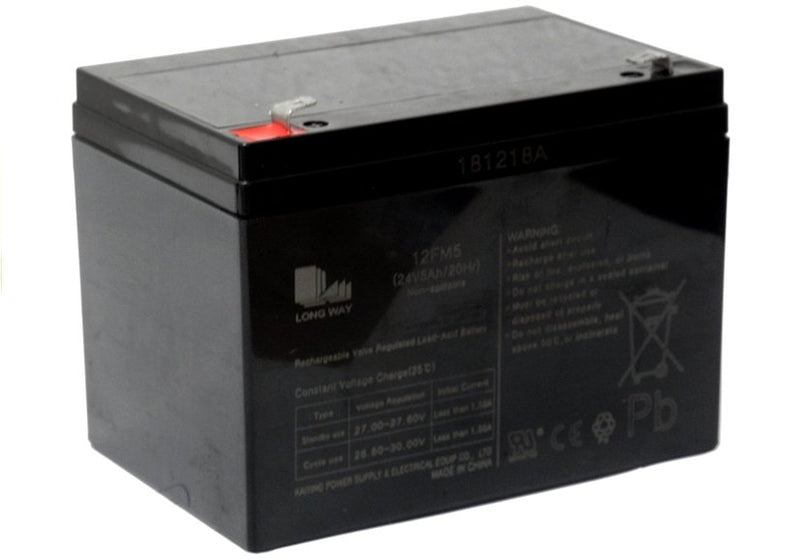
Not all 24V ride-on batteries are created equal. Some cheaper replacements may promise high capacity but underperform. Key things to look for:
- True Ah Rating: Some brands exaggerate the capacity. Trusted brands (like Yuasa, Power Wheels, Peg Perego) usually match what’s advertised.
- Build Quality: Poor casings or cheap cells can overheat or fail early.
- Warranty: Good batteries often come with a 6–12 month warranty.
A high-quality battery might cost more but often gives longer runtime and lifespan, making it cheaper in the long run.
Common Mistakes That Shorten 24v Ride-on Battery Life
Many beginners make mistakes that reduce battery life or safety. Watch out for these:
- Letting the battery drain completely every time.
- Leaving the battery uncharged for months (especially over winter).
- Using the wrong charger (wrong voltage or cheap universal chargers).
- Overloading the car with too many kids or too much weight.
- Storing the ride-on in hot garages or outdoors in direct sun.
- Ignoring early warning signs of battery trouble.
Avoiding these mistakes can easily add a year or more to your battery’s life.
Is Upgrading To A Bigger Battery Worth It?
Some parents consider upgrading to a higher Ah battery for longer runtime. Here’s what you should know:
- Higher Ah means more playtime (if it fits in your ride-on).
- Extra weight can slow the car slightly, especially if you upgrade a lot.
- Never increase voltage (like using a 36V battery in a 24V car).
- Check warranty: Modifying your ride-on may void it.
- Better to buy a second battery and swap them if you need much longer playtime.
Environmental Impact And Safe Disposal
Batteries, especially lead-acid types, shouldn’t go in household trash. They contain chemicals that can harm the environment. Always recycle old batteries at an approved center. Many stores that sell batteries will take old ones for safe recycling.
For more information on battery recycling, visit the U.S. EPA’s battery recycling guide.
When To Call For Professional Help
If your ride-on car is not working after a battery swap, or if you see smoke, swelling, or leaks, stop using it immediately. Contact the manufacturer or a professional for help. Never try to repair a damaged battery yourself.
Frequently Asked Questions
How Do I Know If My 24v Ride-on Battery Is Fully Charged?
Most ride-ons have a charging light. Green means full, red means charging. If your charger does not have a light, charge for the recommended time (usually 8–12 hours). Unplug when done to avoid overcharging.
Can I Use A Car Battery In My 24v Ride-on Toy?
No. Car batteries are much larger, heavier, and deliver more power than ride-on toys are built for. This can damage the toy and be dangerous. Always use batteries designed for ride-on toys.
My Ride-on Car Runs For Only 10 Minutes. Is The Battery Bad?
If you’ve fully charged the battery and it lasts much less than before (for example, 10 minutes instead of 1 hour), the battery is likely worn out and needs replacing. Check for loose connections first, but most often, it’s time for a new battery.
Is It Safe To Leave The Charger Plugged In Overnight?
Most modern chargers stop charging when full. But many basic chargers do not. It’s best to unplug the charger when the battery is full or after the recommended charge time to avoid overheating or reduced battery life.
Can I Upgrade My 24v Ride-on To A Lithium-ion Battery?
In some cases, yes, but you must match voltage, size, and connector type. Lithium-ion batteries require special chargers and must be safely installed. Using the wrong battery can be unsafe and may void your warranty. Always check with the manufacturer before upgrading.
A 24V ride-on battery can bring hours of joy to your child. By understanding how long these batteries last and how to care for them, you can get the best value and avoid common problems. Whether you’re buying your first ride-on or replacing a tired old battery, these tips will help you make smart, safe choices and keep the fun rolling.
Add a Comment