How Electric Ride-On Truck Suspension Works Ultimate Guide

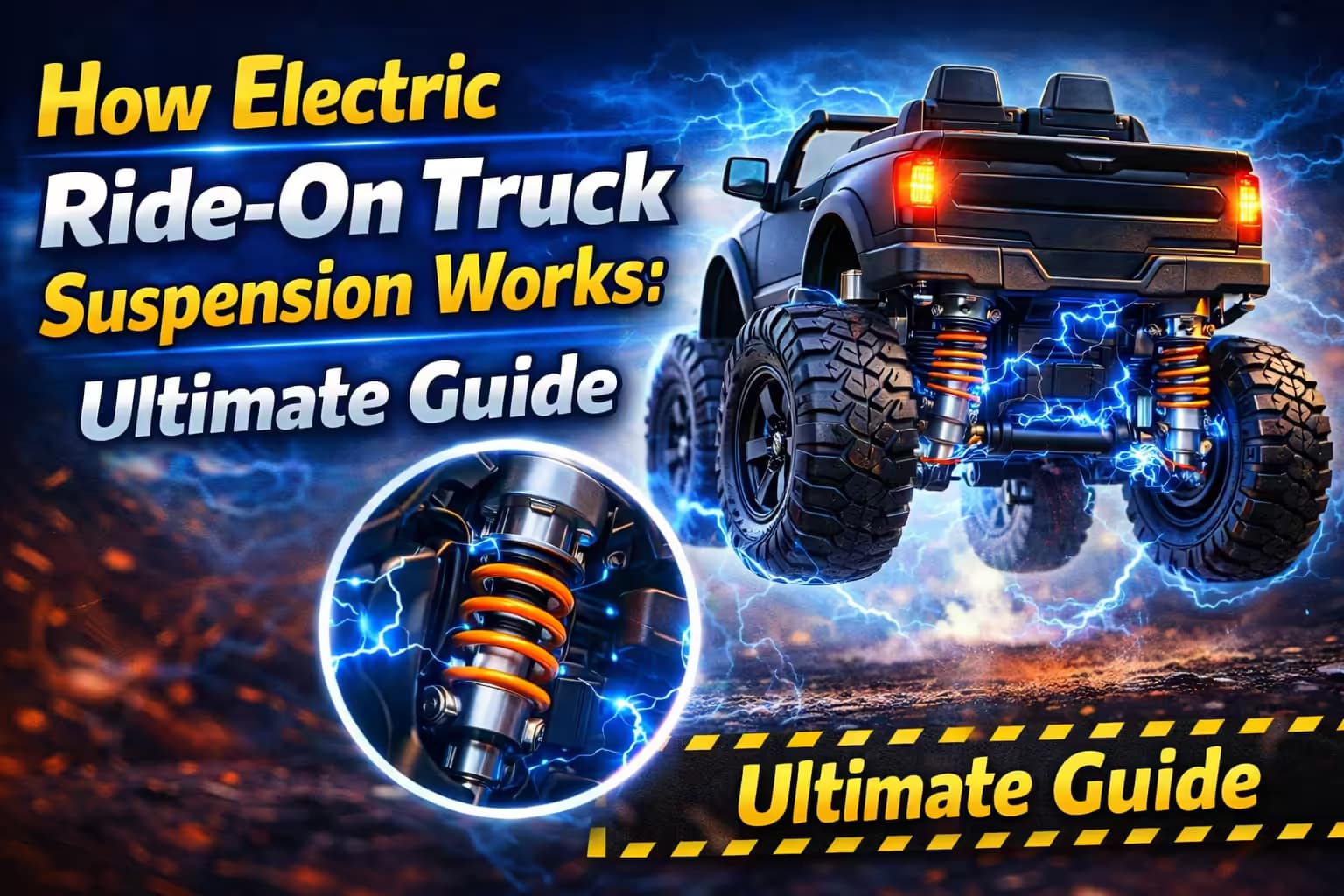
How Electric Ride-On Truck Suspension Works: Ultimate Guide

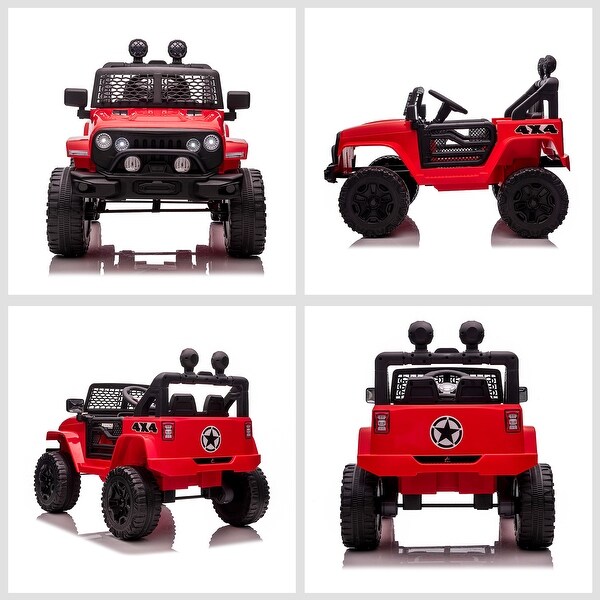
Have you ever wondered what makes your electric ride-on truck glide smoothly over bumps and rough patches? The secret lies in its suspension system.

Understanding how electric ride-on truck suspension works can completely change the way you enjoy your ride. It’s not just about comfort—it’s about control, safety, and fun. You’ll discover the clever technology behind your truck’s suspension, why it matters, and how it keeps every ride steady and exciting.

Ready to learn what’s happening beneath your truck’s wheels? Let’s dive in.

How Electric Ride-On Truck Suspension Works: Ultimate Guide
How Electric Ride-On Truck Suspension Works: Ultimate Guide 4

Basics Of Electric Suspension

Electric suspension in ride-on trucks improves ride comfort and handling. It uses electronic parts to adjust the suspension automatically. This system senses road conditions and vehicle movements. It then changes the suspension settings to fit the situation. The goal is to keep the ride smooth and stable.

Electric suspension differs from traditional suspension by using sensors and a control unit. These parts work together to make real-time changes. This helps reduce bumps and vibrations felt by the rider. Understanding the basics helps you see how these systems enhance the ride experience.

Core Components

The core components include sensors, control units, and actuators. Sensors detect movement and road conditions. The control unit processes sensor data and decides on adjustments. Actuators change the suspension settings based on commands from the control unit. These parts work as a team to improve ride quality.

How Sensors Work

Sensors monitor factors like speed, tilt, and bump intensity. They send signals to the control unit quickly. Common sensor types include accelerometers and gyroscopes. These sensors track the truck’s motion and road surface. The data helps the system react to changes immediately.

Role Of The Control Unit

The control unit acts as the brain of the suspension system. It analyzes sensor data to decide how to adjust the suspension. It sends signals to actuators to increase or decrease stiffness. This process happens many times per second. It keeps the truck balanced and comfortable during rides.

Types Of Electric Suspensions

Electric ride-on trucks use different types of suspension systems. These systems improve ride comfort and handling. Each type has unique features and ways to control the ride quality. Understanding these types helps in choosing the right truck or upgrading an existing one.

Active Suspension

Active suspension adjusts in real-time using sensors and motors. It detects road conditions and changes stiffness instantly. This system keeps the truck stable on rough terrain. It reduces body roll and improves comfort during driving.

Semi-active Suspension

Semi-active suspension changes damping force but does not add energy. It uses sensors to monitor movement and adjusts shock absorbers. This system offers a balance between comfort and cost. It improves handling without the complexity of active suspension.

Magnetic Ride Control

Magnetic Ride Control uses special fluid with tiny metal particles. An electric current controls the fluid’s thickness. When the current changes, the suspension stiffness adjusts quickly. This system provides smooth and responsive ride control. It reacts fast to bumps and turns for better stability.

How Magnetic Suspension Works

Magnetic suspension uses special fluids and magnets to control ride quality in electric ride-on trucks. This system changes the stiffness of the suspension quickly. It reacts to changes in the road and driving style. The result is a smoother and more stable ride.

Magnetized Fluid Dynamics

The suspension fluid contains tiny iron particles. When magnets activate, these particles align in the fluid. They form chains that change the fluid’s behavior. This changes how the suspension absorbs bumps and shocks.

Viscosity Adjustment

The strength of the magnetic field controls the fluid’s thickness. A stronger field makes the fluid thicker. This stiffens the suspension and limits movement. A weaker field thins the fluid, allowing more suspension travel. This adjustment happens very fast for real-time control.

Response To Road Conditions

Sensors detect bumps, turns, and braking forces. The system adjusts the magnetic field based on this data. It stiffens the suspension on rough roads or sharp turns. On smooth roads, it softens the ride for comfort. This constant adjustment improves safety and ride quality.

Adaptive Shock Absorbers

Adaptive shock absorbers play a key role in electric ride-on truck suspension. These components adjust the suspension’s response based on driving conditions. This adjustment helps maintain stability and comfort on different terrains. They use advanced technology to change how the shock absorber behaves in real time.

Adaptive shock absorbers improve control by reacting quickly to bumps and turns. This means the ride remains smooth even on rough surfaces. The system uses sensors to detect movement and changes the damping force accordingly. The result is a balance between comfort and performance.

Valve And Solenoid Mechanism

The heart of adaptive shock absorbers is the valve and solenoid mechanism. The valve controls the flow of fluid inside the shock absorber. The solenoid acts as an electronic switch that opens or closes the valve. This operation changes the resistance to suspension movement.

The solenoid receives signals from the vehicle’s control unit. It adjusts the valve position quickly to match driving conditions. This allows the shock absorber to soften or stiffen instantly. The system can respond to bumps, turns, and braking forces.

Adjusting Dampening Performance

Dampening performance refers to how much the shock absorber slows down suspension movement. Adaptive shock absorbers adjust dampening by changing fluid flow resistance. The valve and solenoid control this resistance based on sensor data.

This adjustment happens continuously as the truck moves. The shocks become softer on smooth roads for comfort. On rough terrain, they stiffen to prevent excessive body movement. This dynamic change keeps the ride stable and smooth.

Benefits For Ride Comfort

Adaptive shock absorbers enhance ride comfort by reducing jolts and vibrations. They adapt to different surfaces, making the drive pleasant for kids. The system minimizes bouncing over bumps and maintains balance in turns.

These shock absorbers also protect the truck’s parts from damage. By controlling suspension movement, they extend the life of tires and suspension components. Kids enjoy a safer and more enjoyable ride with this technology.

Sensors And Data Processing

Electric ride-on trucks use advanced sensors and data processing to improve suspension performance. These sensors constantly monitor the truck’s body movements. The data collected helps the system make quick adjustments. This technology creates a smoother and safer ride for young drivers.

Detecting Body Movement

Sensors detect changes in the truck’s position and motion. Accelerometers measure up and down movement. Gyroscopes track tilting and turning angles. These sensors send real-time data to the truck’s control unit. The system understands how the truck is moving at every moment.

Real-time Adjustments

The control unit processes sensor data instantly. It calculates the best way to adjust the suspension. Electric actuators then change the stiffness or softness of shocks. These adjustments happen within milliseconds. This fast response helps the truck handle bumps and turns smoothly.

Reducing Body Roll And Pitch

Body roll occurs when the truck leans on turns. Pitch happens during acceleration or braking. The suspension system uses sensor data to reduce these effects. It stiffens the shocks on the side that needs more support. This keeps the truck stable and balanced during driving.

Advantages Of Electric Suspension

Electric suspension systems offer several clear benefits for electric ride-on trucks. These systems improve the overall driving experience by adjusting to different terrains and driving conditions. They provide better control, comfort, and safety, making rides smoother and more enjoyable for kids and adults alike.

Improved Stability And Traction

Electric suspension helps keep the truck stable on uneven surfaces. It adjusts automatically to maintain tire contact with the ground. This improves traction, reducing the chance of slipping or skidding. Better stability means safer rides on grass, dirt, or pavement.

Enhanced Ride Comfort

The electric system absorbs shocks from bumps and rough terrain. It softens impacts, making the ride less jarring. This comfort helps prevent discomfort and keeps riders happy for longer periods. The suspension adapts to different surfaces for smooth driving.

Better Handling And Safety

Electric suspension improves steering response and control. It reduces body roll during turns and keeps the truck balanced. This leads to safer handling, especially around corners or on slopes. The system helps avoid accidents by maintaining vehicle stability.

Common Wear Signs

Electric ride-on truck suspensions face wear over time due to constant use. Recognizing common wear signs helps keep the ride smooth and safe. These signs often show early before major damage happens. Watching out for changes in handling, visible leaks, or ride stiffness can prevent costly repairs.

Handling Issues

Worn suspension parts cause poor handling in electric ride-on trucks. The truck may feel loose or wobbly during turns. It might pull to one side or bounce excessively on bumps. These issues reduce control and can make riding unsafe for children. Prompt attention to handling problems ensures better performance and safety.

Shock Leaks

Shock absorbers contain fluid that cushions the ride. Leaks from shocks mean this fluid is escaping. You might see wet spots or oily residue near the wheels or suspension. Leaking shocks lose their ability to absorb bumps properly. This causes a rougher ride and can damage other suspension parts over time.

Unusual Ride Stiffness

Ride stiffness can signal worn suspension components. The truck may feel too hard or tight when driving over bumps. It might not absorb shocks as it did before. Stiff suspension reduces comfort and increases stress on the frame. Checking for stiffness helps catch wear before it worsens.
How Electric Ride-On Truck Suspension Works: Ultimate Guide
How Electric Ride-On Truck Suspension Works: Ultimate Guide 5

Factors Affecting Suspension Lifespan

The lifespan of an electric ride-on truck’s suspension depends on several key factors. These factors influence how long the suspension performs well and how often it needs maintenance or replacement. Understanding these elements helps users care for their vehicles better and avoid costly repairs.

Driving Style Impact

Driving style plays a major role in suspension durability. Frequent hard braking and sharp turns cause extra stress on suspension parts. Gentle acceleration and smooth cornering reduce wear and tear. Consistent rough handling shortens the suspension’s life.

Road Conditions Influence

Road quality directly affects suspension health. Bumpy, uneven, or pothole-filled roads increase strain on suspension components. Smooth and well-maintained surfaces help preserve suspension parts. Regular exposure to rough terrain speeds up damage.

Vehicle Weight Effects

The weight of the ride-on truck influences suspension stress levels. Heavier vehicles exert more force on springs and shocks. Overloading beyond recommended limits harms suspension lifespan. Staying within weight limits ensures longer-lasting suspension performance.

Manufacturing And Installation Quality

Suspension durability depends on build quality and setup. Poor manufacturing can cause weak parts that fail early. Incorrect installation leads to uneven wear and damage. High-quality materials and proper assembly extend suspension life.

Maintenance And Replacement

Maintaining the suspension of an electric ride-on truck is important for safe and smooth rides. Over time, parts wear out and need replacement. Regular checks help spot issues early and keep the suspension working well. Understanding the costs and options makes maintenance easier and more affordable.

Cost Considerations

Replacing suspension parts can vary in price. Basic repairs may cost less, while full replacements are pricier. Labor fees add to the total cost if done by a professional. Budgeting for maintenance avoids surprises and keeps the truck ready to use. Prices depend on part quality and where you buy them.

Oem Vs Aftermarket Options

OEM parts come from the original manufacturer. They fit perfectly and maintain the truck’s original feel. Aftermarket parts can be cheaper and offer more choices. Some aftermarket options may not last as long. Choosing between them depends on your needs and budget. Both types can work well if chosen carefully.

Upgrading To Standard Shocks

Upgrading to standard shocks can improve ride comfort. These shocks absorb bumps better than worn-out parts. They also protect other suspension components from damage. Installation is usually simple and affordable. Upgrades extend the life of your electric ride-on truck and make playtime more fun.

Future Trends In Suspension Tech

The suspension systems in electric ride-on trucks are evolving rapidly. New technologies aim to improve comfort, control, and safety. These advancements focus on making suspensions smarter and more responsive. They also look to better integrate with other vehicle systems. The future holds exciting possibilities for suspension technology.

Smart Suspension Systems

Smart suspension systems use sensors to monitor road conditions continuously. They adjust stiffness and damping in real-time. This means a smoother ride on different surfaces. These systems can detect bumps, potholes, and turns instantly. They reduce vibrations and improve handling automatically. Smart suspensions help electric ride-on trucks adapt to any terrain.

Integration With Vehicle Dynamics

Future suspensions will work closely with other vehicle controls. This includes steering, braking, and acceleration systems. By sharing data, suspensions can optimize stability and traction. This integration enhances safety during sharp turns or sudden stops. It also improves energy efficiency by adjusting suspension settings. Such coordination creates a balanced and controlled ride experience.

Potential For Autonomous Vehicles

Autonomous electric ride-on trucks need advanced suspension systems. These suspensions must support smooth and safe self-driving. They will respond to sensor data without human input. The suspension will adjust to maintain comfort and stability. This is vital for passenger safety and cargo protection. Autonomous vehicle suspension tech will be key in future transport solutions.

How Electric Ride-On Truck Suspension Works: Ultimate Guide
How Electric Ride-On Truck Suspension Works: Ultimate Guide 6

Frequently Asked Questions

How Does Electronically Controlled Suspension Work?

Electronically controlled suspension uses sensors to monitor vehicle movement. An onboard computer adjusts shock absorbers in real-time. This reduces body roll, pitch, and improves ride comfort during driving conditions like cornering, accelerating, and braking.

How Does An Electric Shock Absorber Work?

An electric shock absorber uses sensors and a computer to adjust damping in real-time. It controls fluid flow via valves and solenoids, adapting to road conditions for a smoother ride. This active system reduces body roll, improves stability, and enhances driving comfort by continuously modifying shock absorber stiffness.

How Does Gm Magneride Suspension Work?

GM MagneRide suspension uses magnetorheological fluid with iron particles. Electromagnets control fluid viscosity instantly, adjusting shock stiffness for smooth, responsive rides.

How Long Does Magneride Suspension Last?

MagneRide suspension typically lasts 75,000 to 100,000 miles. Lifespan depends on driving habits, road conditions, and maintenance. Regular checks help spot wear early. Replacing MagneRide can be costly, but proper care extends its performance and durability significantly.

Conclusion

Electric ride-on truck suspension improves ride comfort and control. It uses sensors and electric parts to absorb shocks. This system adjusts to different surfaces smoothly and quickly. Understanding its basics helps you appreciate its benefits better. Proper maintenance keeps the suspension working well for longer.

A well-functioning suspension means safer and more fun rides. Keep checking parts regularly to avoid common issues. This knowledge helps you choose the best ride-on truck for your needs.
Parental Remote Vs Kid-Controlled Ride-Ons Differences Key Insights

Parental Remote Vs Kid-Controlled Ride-Ons Differences: Key Insights

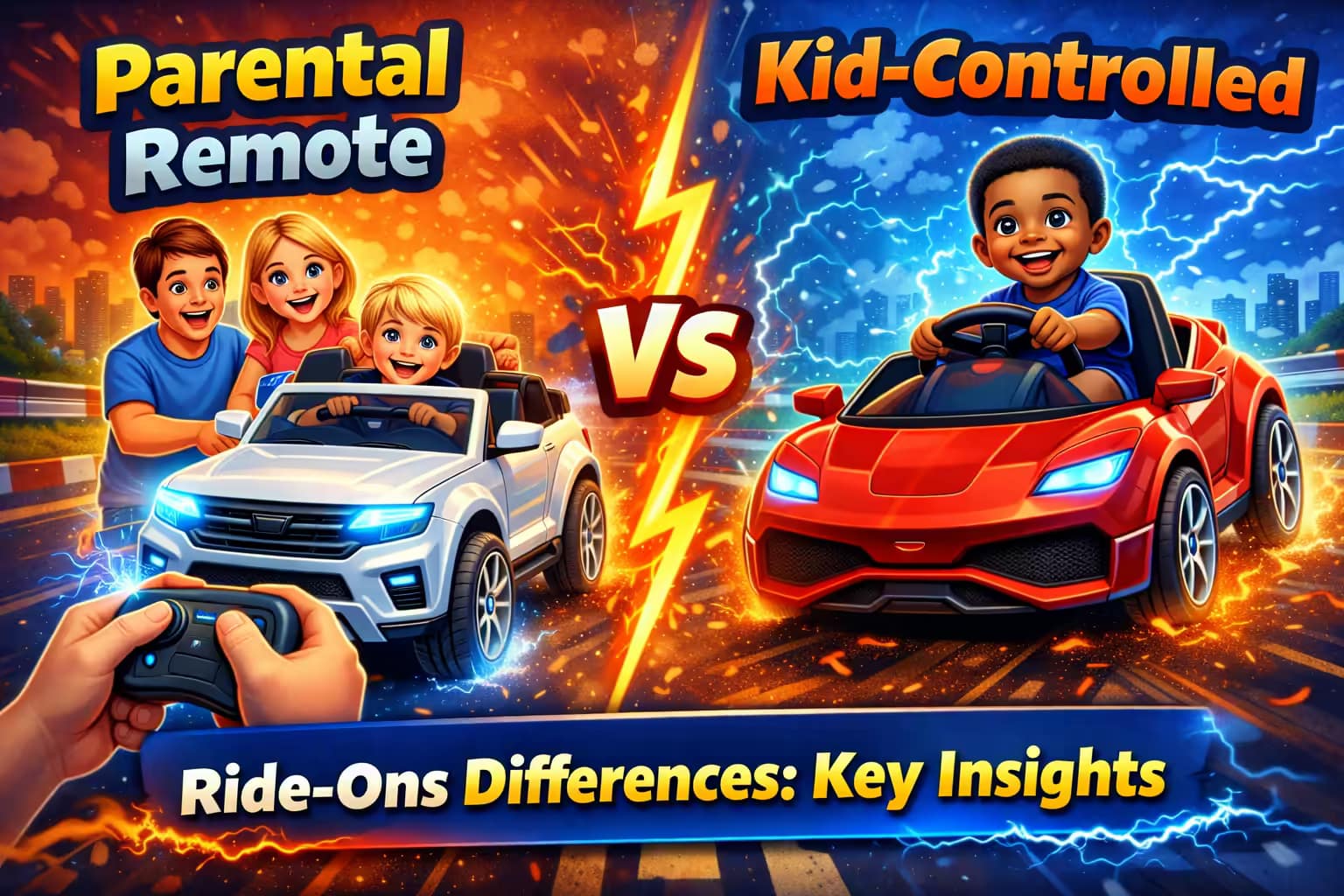
Are you trying to decide between a parental remote ride-on and a kid-controlled ride-on for your child? Knowing the key differences can make all the difference in your choice.

You want your little one to have fun, but safety and control are just as important. Should you be the one steering the fun, or is your child ready to take the wheel on their own? This guide breaks down what sets these two types of ride-ons apart, helping you find the perfect fit for your family’s needs.

Keep reading to discover which option gives you peace of mind while letting your child enjoy the ride.

Remote-controlled Ride-ons

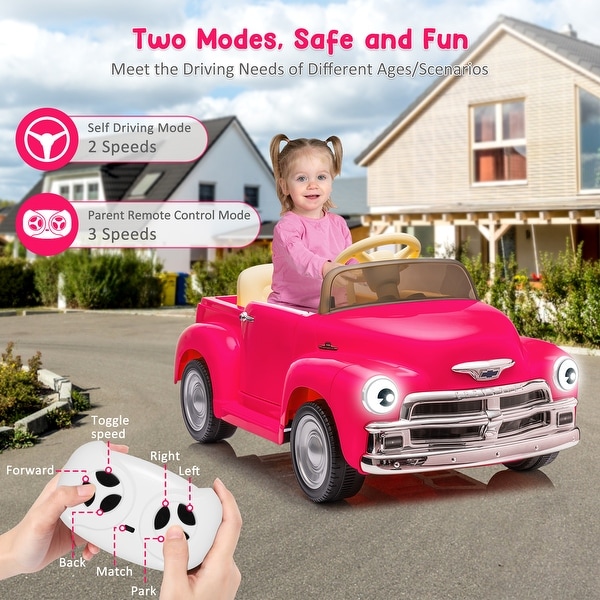
Remote-controlled ride-ons offer a unique way for parents to guide and supervise their children’s play. These toys come with a handheld remote that lets parents control the ride-on vehicle’s movements. This feature ensures safety while allowing kids to enjoy the fun of a ride-on without full control.

Parents can steer, stop, and start the ride-on from a distance. This control helps prevent accidents and keeps kids within a safe area. It also allows parents to join the playtime actively, making the experience more enjoyable for both.

How Remote Controls Work

Remote controls use radio waves to communicate with the ride-on toy. When a parent presses a button, the remote sends signals to the vehicle’s receiver. The receiver then moves the ride-on in the desired direction or speed.

This wireless system works within a set range, usually about 30 to 50 meters. The signals travel instantly, making the ride-on respond quickly to commands. This technology gives parents full control over the toy’s motion.

Benefits For Parents

Remote-controlled ride-ons offer peace of mind. Parents can stop the toy anytime if a hazard appears. They can also guide the ride-on away from streets or dangerous areas.

It makes supervising active kids easier without constant chasing. Parents can enjoy watching their children play safely. The remote control also helps kids learn to share control and follow directions.

Ideal Age Range

These ride-ons suit children aged two to five years best. Younger kids benefit from parental control for safety. Older kids may prefer to drive the ride-on themselves.

Parents should check the manufacturer’s age recommendations. Choosing the right size and speed ensures a fun and secure playtime. Remote control ride-ons help toddlers build confidence before full driving.

Parental Remote Vs Kid-Controlled Ride-Ons Differences: Key Insights
Parental Remote Vs Kid-Controlled Ride-Ons Differences: Key Insights 10

Kid-controlled Ride-ons

Kid-controlled ride-ons let children drive and steer on their own. These toys encourage independence and fun. Kids can enjoy the thrill of controlling their ride. They learn to navigate and make decisions while playing. These ride-ons come in various designs and control styles.

Types Of Controls

Kid-controlled ride-ons usually have simple controls. Most use a pedal to move forward and backward. Steering wheels or handlebars help kids turn easily. Some models include buttons for sounds or lights. Controls are designed for small hands and easy use.

Skill Development

Driving kid-controlled ride-ons helps develop important skills. Children improve hand-eye coordination by steering. They learn balance and motor skills while riding. These toys also teach spatial awareness and safety. Playing with ride-ons builds confidence and independence.

Age Suitability

Kid-controlled ride-ons suit children aged 3 to 7 years. Younger kids enjoy slower, simple models for safety. Older kids can handle faster rides with more features. Always check manufacturer age recommendations for safety. Proper age ensures a fun and safe experience.

Safety Features

Safety is the top priority for ride-on toys. Both parental remote and kid-controlled ride-ons come with features to keep children secure. These features help prevent accidents and give parents peace of mind. Understanding these safety aspects helps in choosing the right ride-on for your child.

Parental Monitoring

Parental remote ride-ons allow adults to control the toy remotely. Parents can steer, stop, or slow down the ride-on anytime. This control helps in avoiding dangerous situations. Kid-controlled ride-ons rely on the child’s ability to drive safely. Parents watch closely but cannot intervene directly through controls.

Speed Limits

Speed limits vary between remote and kid-controlled ride-ons. Parental remote models often have adjustable speed settings. Parents set safe speeds based on the child’s skill and environment. Kid-controlled ride-ons usually have fixed speeds. These speeds are designed to be safe but can be harder to adjust.

Emergency Stop Options

Emergency stop features add an extra layer of safety. Parental remote ride-ons include buttons to stop the toy instantly. This feature is helpful if the child loses control or moves toward danger. Kid-controlled ride-ons may not have an emergency stop button. Parents must intervene physically to stop the ride-on in emergencies.

Parental Remote Vs Kid-Controlled Ride-Ons Differences: Key Insights
Parental Remote Vs Kid-Controlled Ride-Ons Differences: Key Insights 11

Performance Differences

Performance differences between parental remote-controlled and kid-controlled ride-ons shape how children experience these toys. Each type offers unique strengths in speed, power, battery life, and terrain handling. These factors influence safety, fun, and usability during playtime.

Speed And Power

Parental remote-controlled ride-ons often have lower top speeds. This limit helps parents keep control and ensure safety. Kid-controlled ride-ons usually offer higher speeds. These allow children to enjoy more freedom and excitement. Power levels also differ. Remote models prioritize smooth, steady power. Kid models focus on bursts of speed and quick acceleration.

Battery Life

Remote-controlled ride-ons generally have longer battery life. This suits parents who want longer monitoring without frequent recharges. Kid-controlled ride-ons may drain batteries faster. Higher speeds and stronger motors use more power. Battery life varies by model and usage. Parents should check specifications before buying.

Terrain Handling

Parental remote ride-ons often handle flat, smooth surfaces best. Their controlled speed and power limit rough terrain use. Kid-controlled ride-ons may perform better on varied surfaces. They often have stronger motors and better traction. This allows kids to explore different outdoor areas. Terrain handling affects where children can safely ride.

Design And Durability

The design and durability of ride-on toys greatly influence their safety and longevity. Parents often weigh these factors when choosing between parental remote-controlled and kid-controlled ride-ons. Each type offers unique features in build and materials that affect how well they hold up during play. Understanding these differences helps in selecting the best option for a child’s needs and environment.

Build Quality

Parental remote ride-ons usually have a robust build. They are designed to handle control by adults, who often operate the toy at different speeds and terrains. The structure tends to be stronger to withstand rough handling and frequent use.

Kid-controlled ride-ons focus on lightweight and easy-to-handle designs. They prioritize comfort and maneuverability for young children. Although sturdy, these models may not be as heavy-duty as remote-controlled ones.

Materials Used

Most remote ride-ons use high-grade plastic and metal parts. These materials ensure durability and safety for extended use. The quality often reflects the toy’s price and brand reputation.

Kid-controlled ride-ons often use lighter plastics and simpler components. This choice keeps the toy affordable and easy to move. Materials are still safe but may not resist heavy impacts as well as those in remote models.

Maintenance Needs

Parental remote ride-ons require regular checks on electronics and batteries. The remote control system needs proper care to avoid malfunctions. Cleaning and tightening parts also help maintain performance.

Kid-controlled ride-ons need less technical maintenance. Focus is mostly on cleaning and checking for loose parts. Battery care is simpler, as these toys often have fewer electronic components.

Cost Comparison

Understanding the cost differences between parental remote and kid-controlled ride-ons helps families choose wisely. Both types offer fun but vary in price and expenses over time. Evaluating these costs assists in budgeting for your child’s enjoyment.

Initial Price

Parental remote ride-ons usually cost more at purchase. They include extra parts like remote control devices and safety features. Kid-controlled ride-ons often have a simpler design, making them less expensive upfront. The price difference reflects the technology and control options each type offers.

Long-term Expenses

Parental remote ride-ons might require more maintenance due to their complex systems. Batteries for remotes and ride-ons can add to ongoing costs. Kid-controlled ride-ons tend to have fewer parts, lowering repair and replacement needs. Charging and battery replacement costs vary but are important to consider for both types.

Choosing The Right Ride-on

Choosing the right ride-on for your child takes careful thought. The right choice makes playtime fun and safe. It helps your child build skills and confidence. Two main options exist: parental remote-controlled and kid-controlled ride-ons. Understanding their differences helps you pick the best fit.

Assessing Child’s Age And Ability

Young children need simple controls and slower speeds. Parental remote-controlled ride-ons suit toddlers who cannot drive yet. Older kids enjoy kid-controlled models that boost independence. Match the ride-on to your child’s motor skills and coordination. This match ensures they enjoy and learn safely.

Considering Safety Priorities

Safety is the top concern for every parent. Remote-controlled ride-ons allow adults to stop or steer anytime. This control reduces risks in busy or unsafe areas. Kid-controlled ride-ons offer freedom but need more supervision. Look for models with seat belts and speed limits. These features protect your child during play.

Evaluating Parental Involvement

Think about how much you want to join playtime. Remote-controlled ride-ons let parents guide and assist constantly. This option suits parents who want close supervision. Kid-controlled ride-ons encourage children to explore on their own. They build independence but require trust and readiness. Choose the level of involvement that fits your family.

Parental Remote Vs Kid-Controlled Ride-Ons Differences: Key Insights
Parental Remote Vs Kid-Controlled Ride-Ons Differences: Key Insights 12

Frequently Asked Questions

What Is The Difference Between Remote Control And Radio Control Cars?

Remote control cars use infrared signals and require line-of-sight. Radio control cars use radio waves, allowing longer range and no line-of-sight needed.

What’s The Best Age For A Remote Control Car?

The best age for a remote control car is typically 3 to 5 years. These cars suit young kids with simple controls and safe speeds. Parents can choose models with remote control for added safety and guidance during play.

What Are The Different Types Of Ride-on Toys?

Ride-on toys include pedal-powered bikes, electric cars, scooters, push cars, and remote-controlled vehicles. Each offers unique fun and learning experiences.

How Does Remote Control Work For Kids?

Remote control for kids works by sending radio signals from a handheld device to the toy. Pressing buttons triggers movements. Parents can guide or children can control, ensuring safe and fun play. This technology uses simple wireless communication for easy operation.

Conclusion

Parental remote and kid-controlled ride-ons each offer unique benefits. Parental remotes provide safety and control for younger children. Kid-controlled ride-ons give kids freedom and help build confidence. Choosing depends on your child’s age and skill level. Both types encourage outdoor play and fun learning.

Understanding these differences helps parents pick the best ride-on toy. Enjoy watching your child explore and grow safely.

Single Motor Vs Dual Motor Ride-On Cars Which Is Best for Kids

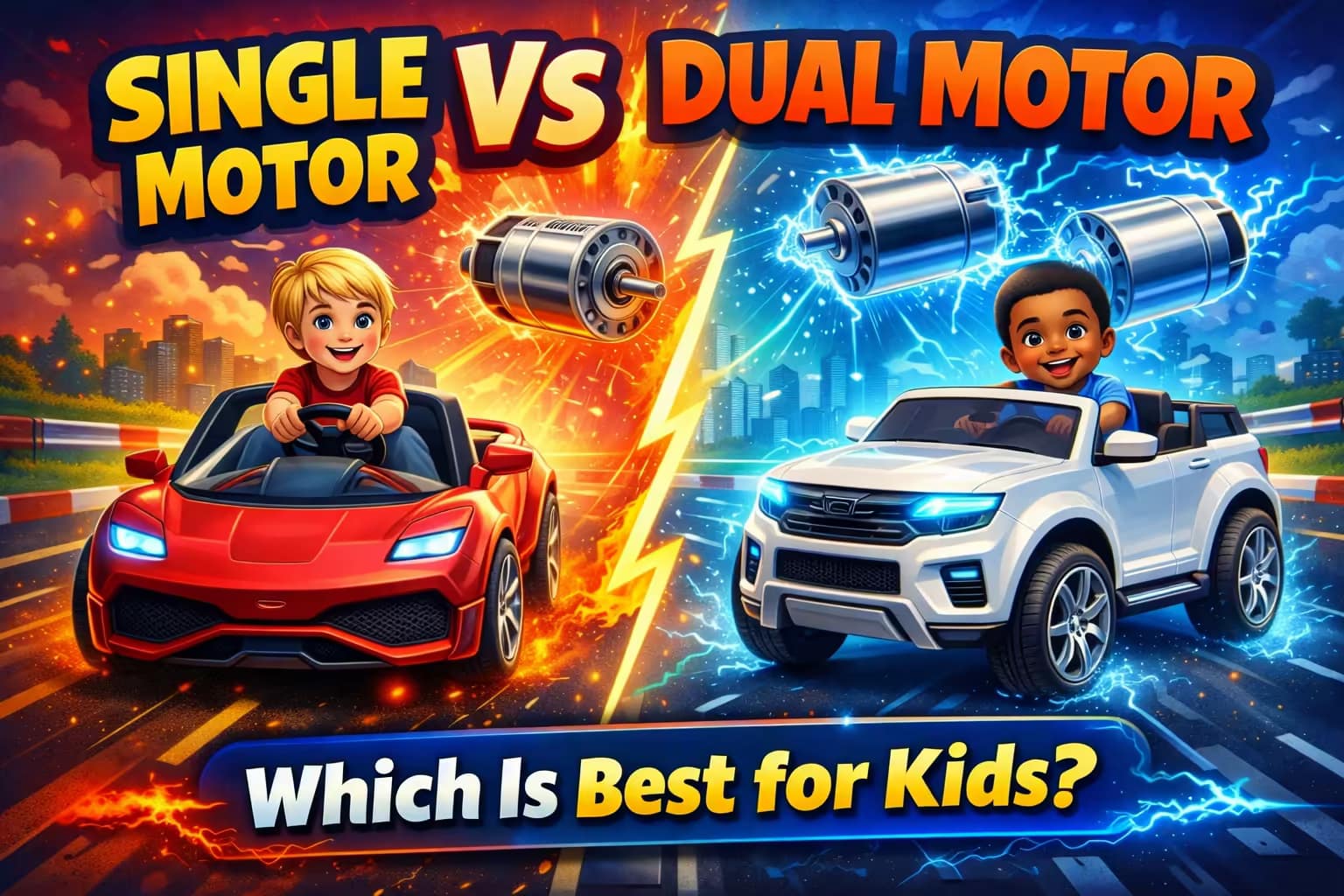
Single Motor Vs Dual Motor Ride-On Cars: Which Is Best for Kids?

Choosing the right ride-on car for your child can feel confusing. One of the main decisions parents face is whether to buy a single motor or dual motor ride-on car. At first, these terms sound technical, but they have a big impact on how your child experiences their new toy. The right motor system influences everything from speed and power to battery life and even safety. This guide will break down the real differences between single and dual motor ride-ons, explain which is better in different situations, and help you make a confident, informed choice.

Many parents focus only on size, color, or brand. But the motor setup is often more important for performance and satisfaction. Understanding how these cars work—and the trade-offs—will save you money, prevent disappointment, and give your child the best possible ride.

Let’s look at what makes these two types of ride-on cars unique, and why your decision matters more than you might think.

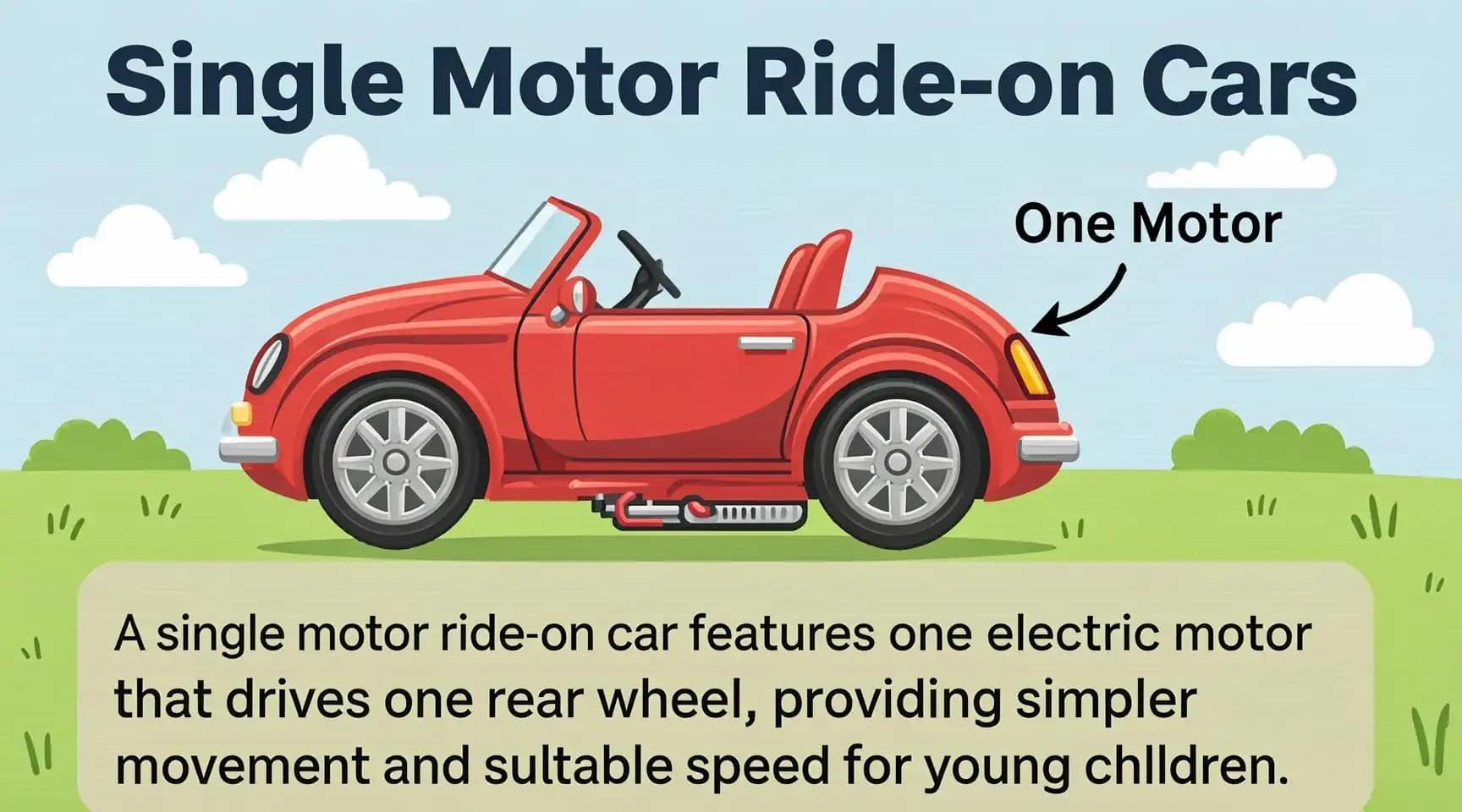
What Are Single Motor Ride-on Cars?

A single motor ride-on car is powered by just one electric motor. This motor usually drives either the rear or the front wheels, rarely all four. The design is simple, cost-effective, and easy for young children to use. Most single motor cars are recommended for flat surfaces and light use.

What Are Single Motor Ride-on Cars
Single Motor Vs Dual Motor Ride-On Cars: Which Is Best for Kids? 18

Single motor cars are often the first ride-on toys that parents consider. They are usually smaller, lighter, and less expensive than dual motor models. The single motor provides all the force to move the car, controlling both speed and direction.

Many models come with basic features like forward and reverse, simple steering, and sometimes basic lights and sounds.

A key point: single motor cars often struggle on uneven ground, grass, or small inclines. Because only one set of wheels is powered, there is less traction and climbing ability. Still, on smooth indoor floors or sidewalks, single motor ride-ons work well and are easy to control.

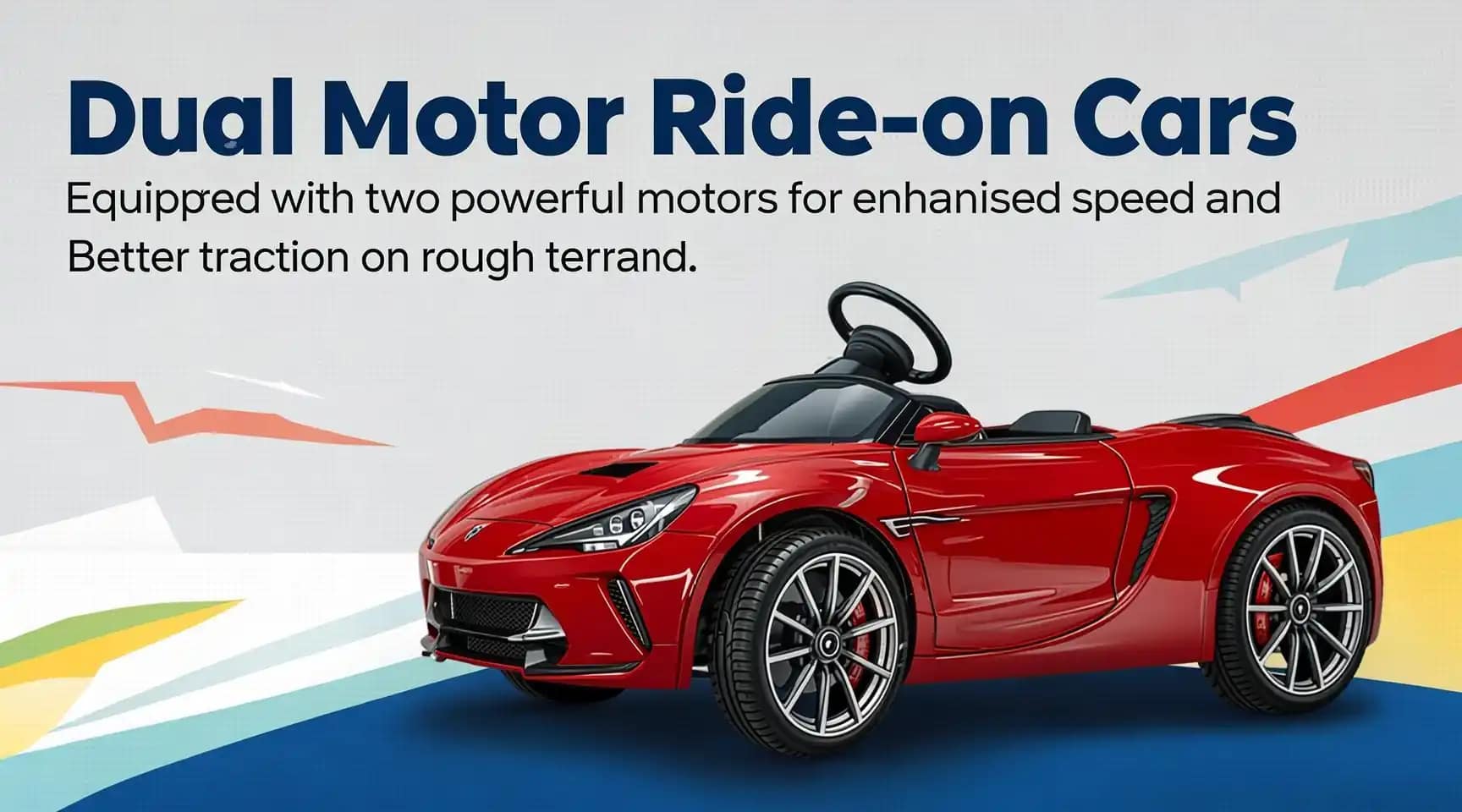
What Are Dual Motor Ride-on Cars?

A dual motor ride-on car uses two separate electric motors. Usually, each motor powers a different wheel or a pair of wheels (for example, one for the left side, one for the right). This setup is more powerful, offers better control, and can handle a wider range of surfaces.

What Are Dual Motor Ride-on Cars
Single Motor Vs Dual Motor Ride-On Cars: Which Is Best for Kids? 19

Dual motor cars are designed for children who want more adventure or need to drive on grass, gravel, or gentle slopes. The motors work together, delivering more torque and better handling, especially when turning or dealing with obstacles. This gives the child a smoother, less frustrating ride.

Many dual motor models also include extra features, such as advanced suspension, higher weight limits, and even parental remote controls. They are often larger and heavier, which means the car feels more stable and durable. However, all these benefits come with a higher price tag and slightly more complex maintenance.

Key Differences: Single Motor Vs Dual Motor

Understanding the technical and practical differences is the foundation for choosing the right car. Here is a direct comparison to help you see the main distinctions:

FeatureSingle MotorDual Motor
Number of Motors12
Drive WheelsUsually rear or front onlyBoth sides (left & right) or both rear wheels
Surface CapabilityFlat, smooth onlyGrass, gravel, inclines
SpeedUsually slower (2-3 mph)Faster (up to 5 mph)
Power & TorqueLowHigh
Battery LifeLonger (uses less power)Shorter (uses more power)
Weight LimitLower (50-60 lbs)Higher (up to 100 lbs+)
PriceLower ($100-$200)Higher ($200-$400+)
MaintenanceSimpleMore involved

Performance: Which Is Better For Different Terrains?

One of the most important differences is how these cars handle various surfaces. Children don’t just drive on perfect, flat floors. They want to explore the backyard, drive over grass, or even try a small hill. The motor setup makes a huge difference in these situations.

Flat Indoor Floors

Single motor cars work well indoors. The motor provides enough power for smooth surfaces, and the lower speed is safer for young children. Dual motor cars will also perform well, but the extra power is not needed indoors.

Outdoor Pavement Or Sidewalks

Both types can handle sidewalks and driveways, but dual motor cars offer a smoother, more stable ride, especially if there are small bumps or cracks. The added power makes stops and starts easier, reducing the chance of getting stuck.

Grass And Uneven Surfaces

This is where dual motors win clearly. On grass, sand, or gravel, single motor cars often slow down or stop completely. Dual motor cars use their two motors to deliver more torque and keep moving, even if one wheel loses grip.

For children who want to ride off the sidewalk, dual motor is a must.

Inclines And Small Hills

Single motors struggle with inclines, especially as the child gets heavier. The car may move very slowly or not at all. Dual motor cars can climb gentle slopes, although the steepness they can handle depends on the model and battery strength.

Real-world Example

A parent buys a single motor ride-on for their daughter. On the living room floor, it works perfectly. But in the backyard, the car barely moves over the grass, and their daughter loses interest. If they had chosen a dual motor, she could ride almost anywhere outside, making the toy much more fun and useful.

Single Motor Vs Dual Motor Ride-On Cars: Which Is Best for Kids?
Single Motor Vs Dual Motor Ride-On Cars: Which Is Best for Kids? 20

Speed And Power: What To Expect

Many parents want to know: “How fast do these cars go?” Speed is not everything, but it does affect how exciting the car feels.

Typical Speeds

  • Single motor: Most reach 2 to 3 miles per hour (about 3 to 5 km/h). This is a brisk walking speed, safe for young children.
  • Dual motor: Commonly reach 4 to 5 miles per hour (about 6 to 8 km/h). This feels much faster to a child, especially outdoors.

Acceleration

Dual motor cars accelerate more smoothly. When starting or stopping, the motors share the work, making the car less likely to jerk or stall. This is important for children who may not control the pedal perfectly.

Power And Torque

Torque is the turning force that helps a car start moving, especially when climbing or carrying weight. Single motor cars have limited torque, so they slow down easily when loaded or faced with obstacles. Dual motor cars have nearly double the torque, making them better for heavier children or challenging terrain.

Weight Carrying Capacity

Another important detail is how much weight the car can carry. See the comparison below:

Car TypeMax Weight Limit
Single Motor50-60 lbs (22-27 kg)
Dual Motor90-130 lbs (41-59 kg)

This means dual motor cars are better for older kids, or if siblings want to ride together.

Battery Life And Charging

Ride-on cars use rechargeable batteries, but the number of motors affects how long the car runs before needing a charge.

Single Motor Battery Life

Single motor cars use less power, so the battery lasts longer. Most can run for 1. 5 to 2 hours on a full charge, depending on the weight and surface.

Dual Motor Battery Life

Dual motor cars use more electricity. Expect 1 to 1. 5 hours of run time per charge. If the car is driven mostly on grass or slopes, the battery drains faster.

Charging Time

Both types usually need 8 to 12 hours to fully recharge. For longer play, look for models with removable batteries or consider buying a spare.

Battery Replacement

Batteries wear out over time, usually after 1-2 years. Dual motor models may need battery replacement sooner, especially if used heavily.

Non-obvious tip: Many parents forget to check the battery voltage before buying. Some ride-on cars have 6V, others 12V or 24V batteries. Higher voltage means more power and speed, but also faster battery drain. Always match the voltage with the car’s motor type for best results.

Safety Considerations

Safety is a priority for every parent. Both single and dual motor cars are designed for children, but there are important differences.

Speed Control

Single motor cars are slower, making them safer for toddlers or very young children. Dual motor cars may have higher speeds, but many also include parental remote controls, speed limiters, and seat belts for added safety.

Braking

Dual motor systems often have better electronic braking. When the child releases the pedal, both motors stop quickly, helping avoid bumps or collisions.

Stability

Dual motor cars are usually heavier and sit lower to the ground, making them less likely to tip over. This is especially important for outdoor play or when turning at higher speeds.

Remote Control

Many dual motor ride-ons come with a parental remote control. This allows adults to take over driving if needed, which is a major plus for children who are still learning.

Age Recommendations

  • Single motor: Best for ages 2-4, or children under 60 lbs.
  • Dual motor: Suitable for ages 3-8, or children up to 130 lbs.

Non-obvious safety insight: Always check the car’s wheels. Hard plastic wheels can slip on smooth floors, while rubberized wheels provide more grip and safer handling, especially on wet or uneven surfaces.

Price Comparison: Budget Vs Value

Ride-on cars are a big investment for many families. Let’s look at what you really get for your money.

Typical Price Ranges

  • Single motor cars: $100 to $200. Often found in toy stores or online marketplaces. Usually includes basic features only.
  • Dual motor cars: $200 to $400+. Higher-end models can cost $600 or more, especially with luxury features like leather seats, working headlights, or MP3 players.

What Are You Paying For?

With dual motor cars, the higher price covers:

  • Better motors and electronics
  • Stronger chassis and suspension
  • Advanced features (remote control, music, lights)
  • Higher weight limits and longer lifespan

Single motor cars are more basic but offer good value for younger children or indoor use.

Cost Over Time

Dual motor cars last longer as your child grows. Many parents who buy a single motor car upgrade to a dual motor model within a year or two as their child outgrows the first car. Considering this, dual motor cars can actually be more economical in the long run.

Durability And Maintenance

Parents want toys that last. The durability of ride-on cars depends not just on price, but also on the motor system.

Single Motor Durability

Single motor cars have fewer moving parts, so there is less to go wrong. However, the smaller motor can burn out if overloaded or used on rough surfaces. Plastic gears may wear quickly if the car is used outdoors often.

Dual Motor Durability

Dual motor cars use stronger parts, including metal gears and reinforced wheels. Each motor shares the workload, leading to less strain and longer life. However, more parts mean more things that could need fixing (like wiring or switches).

Maintenance Tips

  • Charge batteries fully before first use.
  • Avoid using ride-on cars in rain or wet conditions.
  • Clean wheels and motor area regularly to prevent dirt buildup.
  • Check for loose wires or connections every few months.
  • Replace worn batteries with the correct voltage and size.

Practical insight: Never let children ride with a low battery, as weak power can damage the motors over time.

Features And Extras: What Matters?

Modern ride-on cars come with many features, but not all are equally important. Here’s what to look for:

Essential Features

  • Seat belts: Must-have for safety
  • Parental remote control: Essential for young or inexperienced drivers
  • Working headlights: Useful for outdoor play in the evening
  • Sturdy wheels: Rubber or EVA foam for best grip

Nice-to-have Extras

  • Music and MP3 player: Fun but not essential
  • Opening doors or trunk: Adds realism
  • Suspension system: Smoother ride on bumpy surfaces
  • Painted or detailed body: More attractive, but can raise price

Dual Motor-only Features

Some features are usually available only on dual motor models:

  • Two-speed settings (high and low)
  • Realistic horn and engine sounds
  • More advanced dashboards with displays
  • Rear-wheel drive or all-wheel drive (rare in single motor cars)

Non-obvious insight: Sometimes, too many electronic features (like flashing lights or built-in games) can drain the battery faster. Choose based on your child’s preferences and play habits.

Who Should Choose Single Motor Ride-on Cars?

Single motor cars are not “bad”—they have a perfect use case. These are best for:

  • Very young children (ages 2-4)
  • Indoor play, or outdoor use on smooth driveways
  • Families on a tight budget
  • First-time buyers who want a simple, safe toy
  • Homes with small spaces (apartments, small patios)

If your child is light, cautious, and just starting to enjoy ride-on toys, a single motor car is usually enough.

Who Should Choose Dual Motor Ride-on Cars?

Dual motor cars are the better choice if:

  • Your child is 3 years or older
  • They want to ride outside, especially on grass or uneven ground
  • You have siblings who may ride together
  • You want the car to last for several years
  • You value advanced features and more realistic driving

For adventurous children or those who get bored easily, dual motors give the extra excitement and freedom they want.

Common Mistakes Parents Make

Buying a ride-on car is exciting, but many parents make avoidable mistakes. Here are some common errors and how to avoid them:

  • Ignoring the motor type: Many buyers focus on color or brand, not realizing the motor setup matters most for performance.
  • Underestimating your child’s growth: Children grow fast. A car that’s “just right” now may be too small or weak in six months.
  • Choosing based on indoor tests: Cars that work well indoors may fail outdoors, especially single motor types.
  • Forgetting about battery voltage: Don’t mix and match batteries; always use the correct voltage and type.
  • Not checking safety features: Some budget models skip seat belts or sturdy wheels to lower costs. Always check before buying.
  • Buying based on price only: The cheapest car may not last or perform well, leading to extra costs later.

Real-world tip: Read customer reviews and look for videos of the car in action, not just photos. This helps you see how it handles real surfaces and children of different ages.

Environmental And Noise Considerations

Ride-on cars are electric, so they are much quieter and cleaner than gas-powered toys.

  • Noise: Single motor cars are usually quieter, as there is less mechanical movement. Dual motors make a deeper hum but are not loud enough to disturb neighbors.
  • Emissions: Both types are zero-emission, making them safe for indoor and outdoor play.
  • Recycling: Batteries must be disposed of properly—never throw them in regular trash.

Environmental insight: Some brands use recyclable plastics or offer battery recycling programs. This can be a small but meaningful factor in your choice.

Comparing Popular Models

Here is a quick look at how popular models compare. These are examples to help you understand what is available.

ModelMotor TypeMax SpeedWeight LimitFeatures
Kidzone RacerSingle Motor2.5 mph55 lbsBasic, seat belt, lights
Best Choice JeepDual Motor3.7 mph65 lbsRemote, music, lights, 2 speeds
Costzon MercedesDual Motor4 mph88 lbsRemote, MP3, headlights, suspension
Power Wheels Dune RacerDual Motor5 mph130 lbs2 seats, steel frame, high speed, off-road tires
Little Tikes Cozy CoupeSingle Motor2 mph50 lbsSimple, lightweight, indoor use

How To Decide: A Step-by-step Guide

Still not sure which to choose? Use this decision process:

  • Where will your child drive most often?
  • Indoors or smooth pavement: Single motor is fine.
  • Grass, gravel, or inclines: Go for dual motor.
  • How old and heavy is your child?
  • Under 4 years or under 60 lbs: Single motor is suitable.
  • Over 4 years or over 60 lbs: Dual motor lasts longer.
  • How much do you want to spend?
  • Budget under $200: Single motor is your main option.
  • Budget $250+: Dual motor opens more choices.
  • Do you need advanced features?
  • Remote control, multiple speeds, better suspension: Only available on most dual motor models.
  • Is battery life important?
  • Long play sessions, few recharges: Single motor lasts longer per charge.
  • Do you care about resale value?
  • Dual motor cars often hold value better because of their durability and features.
Single Motor Vs Dual Motor Ride-On Cars: Which Is Best for Kids?
Single Motor Vs Dual Motor Ride-On Cars: Which Is Best for Kids? 21

The Verdict: Which Is Best?

There is no one-size-fits-all answer. Here’s a quick summary:

  • Single motor ride-on cars are perfect for toddlers, indoor use, and families on a budget. They are simple, safe, and easy to maintain.
  • Dual motor ride-on cars are the better choice for outdoor adventures, older or heavier children, and families who want a longer-lasting, more exciting toy. They cost more but offer much better performance and features.

If you can afford it and want the car to last, dual motor is usually the smart investment. But for a first-time toy or young child, single motor cars are safe and reliable.

For more technical details on electric motors in toys, you can read this Wikipedia article on electric motors.

Frequently Asked Questions

What Is The Main Benefit Of A Dual Motor Ride-on Car?

The main benefit is better performance on rough surfaces. Dual motors provide more power and torque, allowing the car to drive on grass, gravel, and small hills. They also usually support heavier children and advanced features like remote control and multiple speed settings.

Are Dual Motor Cars Always Faster Than Single Motor Cars?

Usually, yes. Dual motor cars are typically faster, reaching up to 5 mph, while single motor models usually max out at 2-3 mph. However, speed depends on battery voltage, weight, and the car’s electronics.

Can Two Children Ride Together In A Single Motor Car?

It is not recommended. Single motor cars have lower weight limits (50-60 lbs) and less power. Carrying two children can strain the motor and drain the battery quickly. Dual motor cars are better for shared rides.

How Long Do The Batteries Last In Each Type?

Single motor cars usually run for 1.5 to 2 hours per charge, while dual motor cars last about 1 to 1.5 hours. Play time depends on the weight of the child and the surface type. Batteries typically last 1-2 years before needing replacement.

Do All Dual Motor Cars Have Parental Remote Controls?

Not all, but most dual motor models include a parental remote, allowing adults to control the car for safety. Always check the product description to confirm if this feature is included.

Choosing between single and dual motor ride-on cars is about matching the car’s abilities with your child’s needs and play environment. Pay attention to where your child will drive, their age and weight, and what features matter most. If you keep these factors in mind, you’ll find a ride-on car that delivers hours of fun, adventure, and happy memories.

Single Motor Vs Dual Motor Ride-On Cars: Which Is Best for Kids?
Single Motor Vs Dual Motor Ride-On Cars: Which Is Best for Kids? 22