 Cart is empty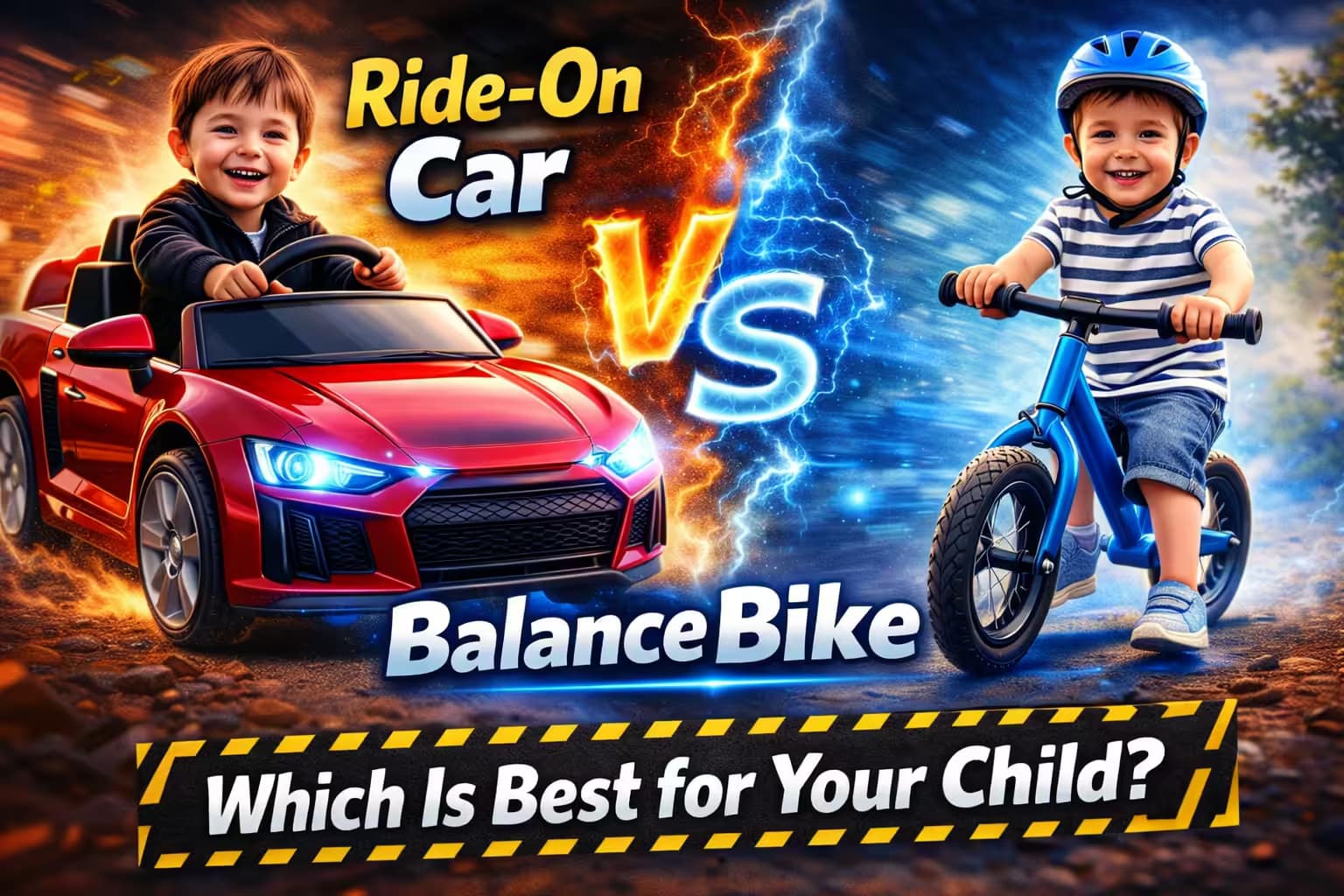
Choosing the right first set of wheels for your child is a big decision. As a parent, you want something fun, safe, and helpful for their development. Two popular options stand out: ride-on cars and balance bikes. Each has its own fans, but which is really better for your child? The answer depends on your child’s age, skills, and what you hope they’ll learn. This guide will walk you through all the details. You’ll learn how each option works, their benefits, and even some surprising facts that most parents don’t know. By the end, you’ll feel confident to choose what fits your child best—without second guessing.
What Is A Ride-on Car?
A ride-on car is a small vehicle designed for young children. Kids sit on or inside and use their feet or a battery-powered motor to move. These cars come in many shapes: simple plastic cars you push with your feet, or realistic, battery-powered mini vehicles that look like real cars.
Ride-on cars are often made from sturdy plastic or metal. Most models have four wheels, a steering wheel, and sometimes working lights or sounds. Some are foot-to-floor, meaning your child pushes with their legs. Others are electric, moving forward and backward with a simple pedal.
The main goal? Fun, imagination, and early movement. Children love pretending to drive, delivering packages, or going on adventures in the backyard. Parents like them because they keep kids active, occupied, and help build basic motor skills.
What Is A Balance Bike?
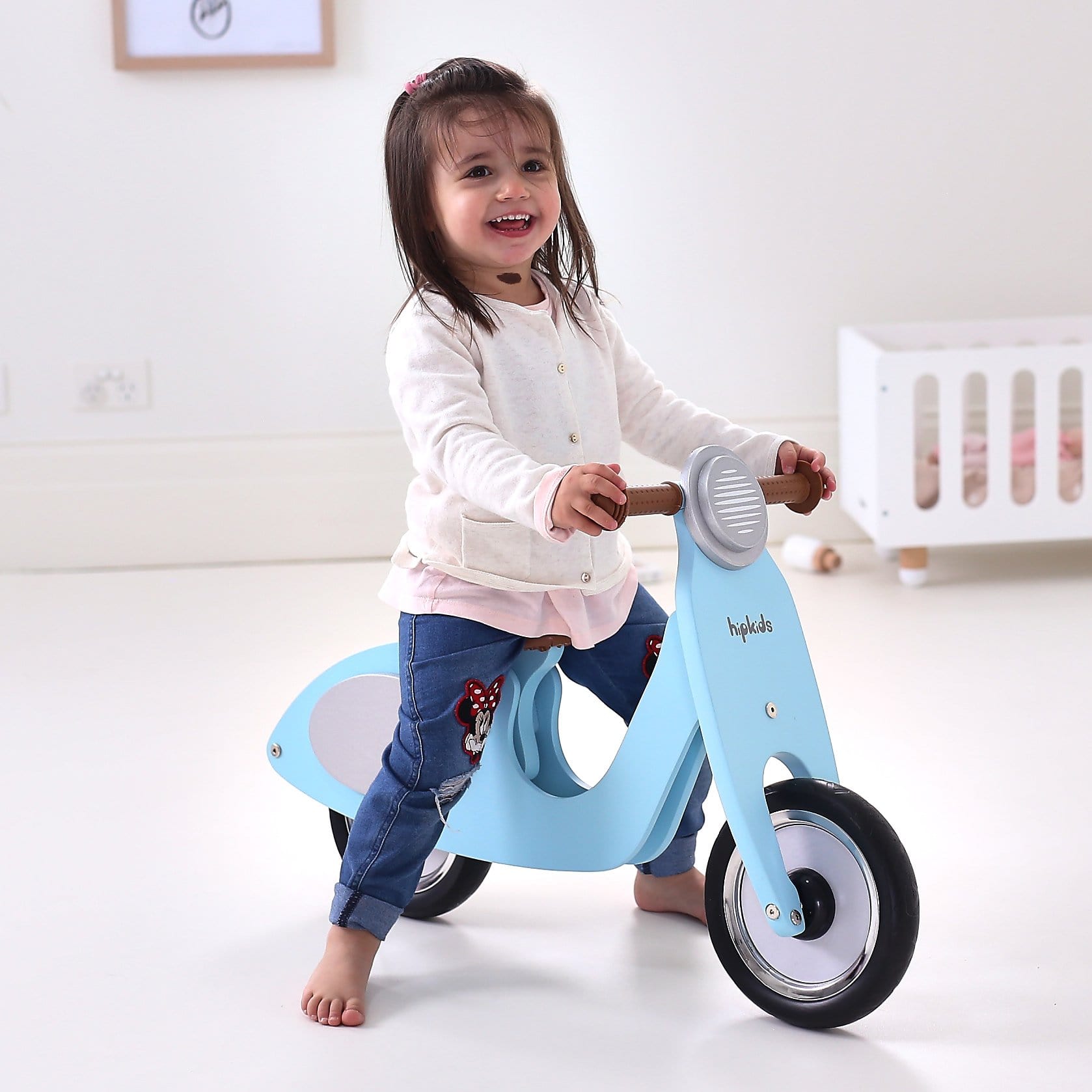
A balance bike looks much like a small bicycle but with one big difference: there are no pedals. Instead, your child sits on the seat, holds the handlebars, and pushes with their feet. These bikes are usually made for kids aged 18 months to 5 years.
Balance bikes are light, usually weighing between 2 and 5 kg. Their frames are often metal or wood, with two wheels. The seat and handlebars adjust as your child grows.
The main purpose of a balance bike is to teach balance and steering—skills needed for riding a regular bike. Children learn to glide with their feet off the ground, balancing on two wheels before ever trying pedals. This makes it easier to move to a real bike later, often skipping training wheels completely.
Key Benefits Of Ride-on Cars
Ride-on cars have a unique appeal, especially for toddlers. Their benefits go beyond just entertainment.
1. Boosts Imagination And Social Play
Kids love pretending. A ride-on car becomes a delivery truck, fire engine, or race car. This type of play helps build creativity and social skills. When children drive together, they learn about sharing, waiting, and teamwork.
2. Develops Gross Motor Skills
Using a ride-on car requires your child to push with their legs, steer, and sometimes reverse. These actions build muscle strength and improve coordination. Over time, children gain more control over their bodies and movements.
3. Safe Introduction To Mobility
For very young kids (12-24 months), ride-on cars are less intimidating than bikes. They sit close to the ground and move slowly, reducing the risk of falls. Many models have a stable base, making tip-overs rare.
4. Indoor And Outdoor Flexibility
Many ride-on cars are small enough for indoor use. On rainy days, kids can drive around the living room. On sunny days, they can explore the backyard or driveway.
5. Parent Control Options
Some electric ride-on cars offer parental remote controls. This means you can guide the car for your child, keeping them safe while they enjoy the ride. It’s a confidence booster for both parent and child.
Non-obvious Insight: Multi-child Play
Ride-on cars often fit more than one child. Siblings or friends can ride together, taking turns as driver and passenger. This is a great way to teach cooperation and sharing.
Non-obvious Insight: Early Cause-and-effect Learning
When a child pushes the car, it moves. When they turn the wheel, it changes direction. These simple actions help young children understand cause and effect—a key part of early learning.
Key Benefits Of Balance Bikes
Balance bikes are more than just a trend. They offer real developmental advantages, especially as children get closer to preschool age.
1. Teaches Real Balance Early
Balance bikes are designed to teach kids how to balance on two wheels—something that training wheels do not do well. Kids learn to glide, coast, and control their balance naturally, making the jump to pedal bikes much easier.
2. Builds Confidence And Independence
Learning to ride a balance bike gives children a sense of achievement. As they master balance, they become more confident and independent. This confidence often carries over to other activities.
3. Improves Coordination And Reflexes
Using a balance bike requires your child to steer, balance, and respond to changing ground or obstacles. This develops reflexes and hand-eye coordination—skills they’ll use for life.
4. Physical Exercise
Balance bikes give kids a real workout. They use their whole body, especially legs and core muscles. Even a short ride improves endurance and strength.
5. Smoother Transition To Pedal Bikes
Research shows that kids who start on balance bikes often skip training wheels. They can move to a regular bike by ages 3-4, sometimes earlier. The reason? They’ve already mastered balancing, the hardest part of cycling.
Non-obvious Insight: Less Fear Of Falls
Children on balance bikes are closer to the ground and can put their feet down easily. This reduces fear and the chance of injury. As a result, kids are more likely to try, fail, and try again—key for learning.
Non-obvious Insight: Bike Skills That Last
Kids who start with balance bikes tend to have better steering and braking skills later. They’ve learned to control the bike’s movement without relying on pedals or training wheels.
Ride-on Car Vs Balance Bike: Developmental Benefits
Both ride-on cars and balance bikes help children grow, but in different ways. Here’s a side-by-side look at how each supports development.
| Skill Area | Ride-On Car | Balance Bike |
|---|---|---|
| Gross Motor Skills | Leg strength, basic coordination | Balance, coordination, leg/core strength |
| Fine Motor Skills | Steering wheel control | Handlebar control, braking |
| Balance | Minimal (stable base) | High (core focus) |
| Confidence | Low to medium (safe, guided play) | High (mastery, independence) |
| Imagination/Social | Very high | Medium |
| Physical Activity | Low to medium | Medium to high |
Age Suitability: When To Choose Which?
The best option depends on your child’s age and stage of development.
Ride-on Cars
- Best for: Ages 1 to 3
- Why: At this age, children are just learning to move around on their own. A ride-on car is stable, easy to use, and less likely to tip. The controls are simple—just push with feet or press a pedal.
- Tip: Look for models with a low seat and wide wheelbase for extra safety.
Balance Bikes
- Best for: Ages 2 to 5
- Why: By age 2, most children have enough balance and coordination to try a balance bike. The earlier they start, the easier it will be to master a pedal bike later.
- Tip: Make sure the seat is low enough for your child to put both feet flat on the ground.
Overlapping Age Ranges
Some children are ready for a balance bike at 18 months, while others may prefer a ride-on car until age 3 or 4. Always consider your child’s comfort, confidence, and interest.
Safety Considerations
Both ride-on cars and balance bikes are safe when used correctly, but there are key differences parents should know.
Ride-on Car Safety
- Low Speed: Most foot-powered cars move slowly. Battery-powered cars often have a max speed of 3-5 km/h.
- Stability: Four wheels and a low center of gravity make tipping rare.
- Supervision: Always watch young children, especially around driveways, streets, or stairs.
- Helmet: Not always required for indoor use, but recommended outdoors.
Balance Bike Safety
- Helmet: Always use a helmet, even for short rides.
- Falls: More likely than with ride-on cars, especially at first. Children should practice on grass or smooth surfaces.
- Brakes: Some balance bikes have hand brakes. Teach your child how and when to use them.
- Supervision: Always watch near roads, hills, or water.
Common Mistake: Skipping Helmets
Many parents think helmets are not needed for short rides or on safe ground. However, even small falls can cause injury. Make helmet use a habit from day one.
Cost And Value
How do ride-on cars and balance bikes compare when it comes to price and long-term value?
| Type | Price Range (USD) | Average Lifespan | Resale Value |
|---|---|---|---|
| Ride-On Car (Manual) | $30–$80 | 1–2 years | Low to Medium |
| Ride-On Car (Electric) | $100–$400 | 1–3 years | Low |
| Balance Bike | $50–$200 | 2–4 years | Medium to High |
Practical Insights
- Manual ride-on cars are cheap and simple but may be outgrown quickly.
- Electric ride-on cars are exciting but costly. Batteries may need replacement.
- Balance bikes hold their value. Many parents sell or pass them on after 2–3 years.
Non-obvious Insight: Secondhand Market
High-quality balance bikes often resell for 50–70% of their original price. Ride-on cars, especially electric ones, lose value faster due to battery wear and tear.

Outdoor Vs Indoor Use
Where do you want your child to ride? This affects your decision.
Ride-on Cars
- Indoor: Foot-to-floor models are quiet and gentle on floors.
- Outdoor: Larger cars (especially electric) need flat, smooth surfaces. Grass and gravel may slow them down.
- Weather: Not ideal in rain or snow.
Balance Bikes
- Indoor: Not recommended unless you have lots of space.
- Outdoor: Work well on sidewalks, driveways, and even park trails.
- Weather: Can handle more surfaces, but avoid wet or muddy conditions for safety.
Tip: Test Both
If possible, let your child try both options in your available space before buying.
Parent Involvement And Ease Of Use
How much help will your child need? How easy is each option for daily use?
Ride-on Cars
- Parent Control: Some electric models offer remote control.
- Setup: Manual cars need little assembly; electric cars may take 1–2 hours to build.
- Maintenance: Electric cars need battery charging and care.
- Cleaning: Most can be wiped clean; avoid leaving electric models outside.
Balance Bikes
- Parent Control: Children ride independently. You’ll need to supervise, especially at first.
- Setup: Usually quick—just attach handlebars and seat.
- Maintenance: Check tire pressure (if air tires), tighten bolts.
- Cleaning: Hose off mud or dirt after outdoor rides.
Insight: Encouraging Independence
Balance bikes encourage children to move and explore on their own, while ride-on cars (especially electric) can make kids more passive. Think about what you want your child to learn.
Learning Curve: How Quickly Will Your Child Master Each?
Every child is different, but trends are clear.
Ride-on Cars
- Manual: Most toddlers get the hang of pushing and steering in a few days.
- Electric: May take longer to learn controls (forward, reverse, steering), but most kids adapt fast, especially with parent help.
Balance Bikes
- Early Days: Kids start by walking with the bike between their legs.
- Progress: Over weeks, they gain confidence, begin gliding, and eventually coast with feet off the ground.
- Result: By age 3–4, many children can ride a pedal bike without training wheels.
Non-obvious Insight: The “glide Stage”
There’s a key moment when a child lifts their feet and glides on a balance bike. This stage is the real sign they’re ready for a pedal bike. Don’t rush—let it happen naturally.
Durability And Maintenance
You want a product that lasts, especially if you have younger siblings or plan to resell.
Ride-on Cars
- Manual: Fewer parts, less to break. Wheels may wear down with outdoor use.
- Electric: Batteries can lose power over time. Replacement parts can be expensive and hard to find.
Balance Bikes
- Frame: Metal or wooden frames last for years with basic care.
- Wheels: Air tires may need pumping; solid tires require less care.
- Parts: Simple mechanics mean less can go wrong.
Tip: Choose Quality Over Features
A well-made balance bike or ride-on car with basic features is often more durable and safer than a flashy, low-quality model.

Environmental Impact
Parents are thinking more about sustainability.
Ride-on Cars
- Plastic: Most are made from plastic, which is hard to recycle.
- Electric: Uses batteries that must be disposed of properly.
- Longevity: Outgrown quickly, especially themed or bulky models.
Balance Bikes
- Materials: Many are metal or wood, which can be recycled or biodegrade.
- Lifespan: Often passed down or resold, reducing waste.
Insight: Simple Designs, Less Waste
A minimalist balance bike or ride-on car without electronics is better for the planet and often lasts longer.
Social And Emotional Growth
Both options can help children grow emotionally, but in different ways.
Ride-on Cars
- Group Play: Cars often attract groups of kids. They take turns, role play, and learn to cooperate.
- Pretend Play: Driving a “fire truck” or “ice cream van” builds imagination.
Balance Bikes
- Individual Achievement: Learning to ride is a personal challenge. Kids gain confidence and pride as they succeed.
- Peer Interaction: Riding with friends encourages friendly competition and sharing skills.
Non-obvious Insight: Leadership Skills
Taking turns as the “driver” in a ride-on car can help shy children learn to lead. On balance bikes, children often teach each other new tricks, building social bonds.
Common Mistakes Parents Make
Even the best intentions can lead to errors. Here are some to avoid.
- Choosing Based on Looks Alone: Flashy colors and designs are fun but don’t guarantee quality or safety.
- Buying Too Big or Too Small: Always check seat height and weight limits.
- Ignoring Helmets: Make helmet use a rule, even for short rides.
- Forgetting Supervision: Always watch children, especially near driveways or streets.
- Not Considering Where You’ll Use It: A large electric car won’t fit in a small apartment; a balance bike isn’t ideal for crowded spaces.
- Skipping Practice: Give your child time to learn at their own pace.
- Overloading Ride-On Cars: Don’t let more than the recommended number of children ride at once.
Real Parent Experiences
Hearing from other parents can help.
- Maria, mother of two: “Our ride-on car was great for rainy days indoors, but my son lost interest by age 3. The balance bike kept him moving and he learned to ride a pedal bike before kindergarten.”
- James, father of twins: “The electric ride-on car was fun but needed constant charging. Our balance bikes got used every day and held up well enough to pass on to our neighbors.”
- Amina, first-time parent: “I was afraid my daughter would fall on a balance bike, but she surprised me. She started slow, and within a month she was gliding down the sidewalk, helmet and all.”
Which Should You Choose?
There’s no single answer. Think about your child’s age, personality, and your space.
- For toddlers (1–2 years): Start with a stable ride-on car. Focus on fun, safety, and easy movement.
- For preschoolers (2–5 years): Try a balance bike. It’s the best way to teach real cycling skills and build confidence.
- If possible: Try both. Let your child decide which feels right.
If you want a deeper look at child cycling research, check out this resource from the Wikipedia: Balance bicycle.
Frequently Asked Questions
What Age Is Best For A Ride-on Car?
Most ride-on cars are designed for children aged 1 to 3 years. Some electric models fit up to age 5, but always check the manufacturer’s guidelines for weight and height limits.
At What Age Can My Child Start A Balance Bike?
Children can start as early as 18 months if the bike fits and they show interest. Most kids are ready between 2 and 5 years. Make sure your child can touch the ground with both feet while sitting.
Are Ride-on Cars Or Balance Bikes Safer?
Both are safe when used correctly, but balance bikes require more balance and can result in more falls at first. Always use helmets and supervise play. Ride-on cars are more stable for very young children.
Will A Balance Bike Help My Child Learn To Ride A Regular Bike?
Yes. Balance bikes teach the hardest part of cycling—balance. Most kids transition to pedal bikes without training wheels and with less fear.
Can I Use Both For My Child?
Absolutely. Many families start with a ride-on car for toddlers and move to a balance bike as their child grows. Some children enjoy both at the same time, depending on the day and activity.
Choosing between a ride-on car and a balance bike doesn’t have to be difficult. Think about your child’s needs, your space, and your goals. With the right choice, you’ll set them on a path to fun, confidence, and a lifetime of safe cycling.