
 Cart is empty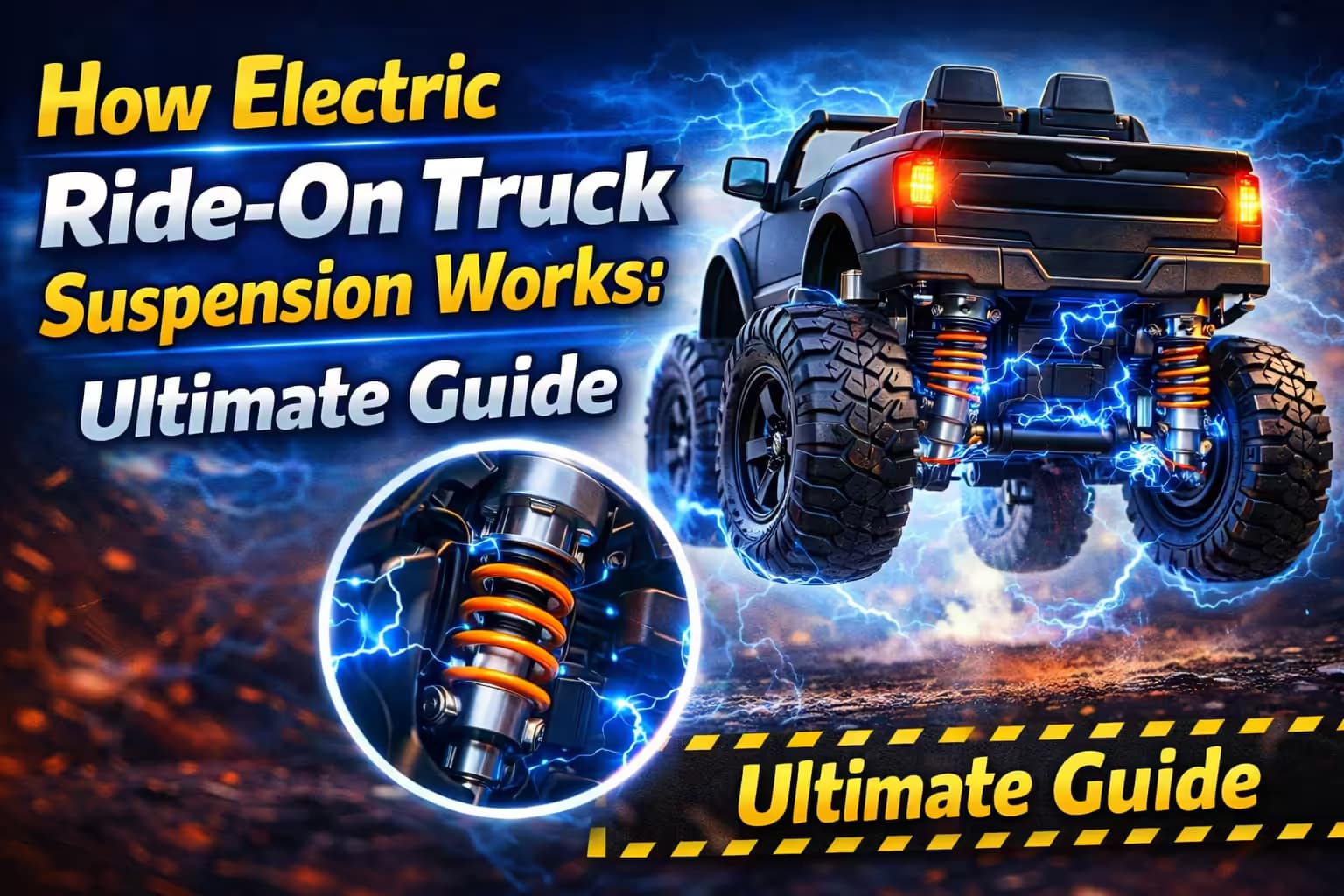
Have you ever wondered what makes your electric ride-on truck glide smoothly over bumps and rough patches? The secret lies in its suspension system.
Understanding how electric ride-on truck suspension works can completely change the way you enjoy your ride. It’s not just about comfort—it’s about control, safety, and fun. You’ll discover the clever technology behind your truck’s suspension, why it matters, and how it keeps every ride steady and exciting.
Ready to learn what’s happening beneath your truck’s wheels? Let’s dive in.

Basics Of Electric Suspension
Electric suspension in ride-on trucks improves ride comfort and handling. It uses electronic parts to adjust the suspension automatically. This system senses road conditions and vehicle movements. It then changes the suspension settings to fit the situation. The goal is to keep the ride smooth and stable.
Electric suspension differs from traditional suspension by using sensors and a control unit. These parts work together to make real-time changes. This helps reduce bumps and vibrations felt by the rider. Understanding the basics helps you see how these systems enhance the ride experience.
Core Components
The core components include sensors, control units, and actuators. Sensors detect movement and road conditions. The control unit processes sensor data and decides on adjustments. Actuators change the suspension settings based on commands from the control unit. These parts work as a team to improve ride quality.
How Sensors Work
Sensors monitor factors like speed, tilt, and bump intensity. They send signals to the control unit quickly. Common sensor types include accelerometers and gyroscopes. These sensors track the truck’s motion and road surface. The data helps the system react to changes immediately.
Role Of The Control Unit
The control unit acts as the brain of the suspension system. It analyzes sensor data to decide how to adjust the suspension. It sends signals to actuators to increase or decrease stiffness. This process happens many times per second. It keeps the truck balanced and comfortable during rides.
Types Of Electric Suspensions
Electric ride-on trucks use different types of suspension systems. These systems improve ride comfort and handling. Each type has unique features and ways to control the ride quality. Understanding these types helps in choosing the right truck or upgrading an existing one.
Active Suspension
Active suspension adjusts in real-time using sensors and motors. It detects road conditions and changes stiffness instantly. This system keeps the truck stable on rough terrain. It reduces body roll and improves comfort during driving.
Semi-active Suspension
Semi-active suspension changes damping force but does not add energy. It uses sensors to monitor movement and adjusts shock absorbers. This system offers a balance between comfort and cost. It improves handling without the complexity of active suspension.
Magnetic Ride Control
Magnetic Ride Control uses special fluid with tiny metal particles. An electric current controls the fluid’s thickness. When the current changes, the suspension stiffness adjusts quickly. This system provides smooth and responsive ride control. It reacts fast to bumps and turns for better stability.
How Magnetic Suspension Works
Magnetic suspension uses special fluids and magnets to control ride quality in electric ride-on trucks. This system changes the stiffness of the suspension quickly. It reacts to changes in the road and driving style. The result is a smoother and more stable ride.
Magnetized Fluid Dynamics
The suspension fluid contains tiny iron particles. When magnets activate, these particles align in the fluid. They form chains that change the fluid’s behavior. This changes how the suspension absorbs bumps and shocks.
Viscosity Adjustment
The strength of the magnetic field controls the fluid’s thickness. A stronger field makes the fluid thicker. This stiffens the suspension and limits movement. A weaker field thins the fluid, allowing more suspension travel. This adjustment happens very fast for real-time control.
Response To Road Conditions
Sensors detect bumps, turns, and braking forces. The system adjusts the magnetic field based on this data. It stiffens the suspension on rough roads or sharp turns. On smooth roads, it softens the ride for comfort. This constant adjustment improves safety and ride quality.
Adaptive Shock Absorbers
Adaptive shock absorbers play a key role in electric ride-on truck suspension. These components adjust the suspension’s response based on driving conditions. This adjustment helps maintain stability and comfort on different terrains. They use advanced technology to change how the shock absorber behaves in real time.
Adaptive shock absorbers improve control by reacting quickly to bumps and turns. This means the ride remains smooth even on rough surfaces. The system uses sensors to detect movement and changes the damping force accordingly. The result is a balance between comfort and performance.
Valve And Solenoid Mechanism
The heart of adaptive shock absorbers is the valve and solenoid mechanism. The valve controls the flow of fluid inside the shock absorber. The solenoid acts as an electronic switch that opens or closes the valve. This operation changes the resistance to suspension movement.
The solenoid receives signals from the vehicle’s control unit. It adjusts the valve position quickly to match driving conditions. This allows the shock absorber to soften or stiffen instantly. The system can respond to bumps, turns, and braking forces.
Adjusting Dampening Performance
Dampening performance refers to how much the shock absorber slows down suspension movement. Adaptive shock absorbers adjust dampening by changing fluid flow resistance. The valve and solenoid control this resistance based on sensor data.
This adjustment happens continuously as the truck moves. The shocks become softer on smooth roads for comfort. On rough terrain, they stiffen to prevent excessive body movement. This dynamic change keeps the ride stable and smooth.
Benefits For Ride Comfort
Adaptive shock absorbers enhance ride comfort by reducing jolts and vibrations. They adapt to different surfaces, making the drive pleasant for kids. The system minimizes bouncing over bumps and maintains balance in turns.
These shock absorbers also protect the truck’s parts from damage. By controlling suspension movement, they extend the life of tires and suspension components. Kids enjoy a safer and more enjoyable ride with this technology.
Sensors And Data Processing
Electric ride-on trucks use advanced sensors and data processing to improve suspension performance. These sensors constantly monitor the truck’s body movements. The data collected helps the system make quick adjustments. This technology creates a smoother and safer ride for young drivers.
Detecting Body Movement
Sensors detect changes in the truck’s position and motion. Accelerometers measure up and down movement. Gyroscopes track tilting and turning angles. These sensors send real-time data to the truck’s control unit. The system understands how the truck is moving at every moment.
Real-time Adjustments
The control unit processes sensor data instantly. It calculates the best way to adjust the suspension. Electric actuators then change the stiffness or softness of shocks. These adjustments happen within milliseconds. This fast response helps the truck handle bumps and turns smoothly.
Reducing Body Roll And Pitch
Body roll occurs when the truck leans on turns. Pitch happens during acceleration or braking. The suspension system uses sensor data to reduce these effects. It stiffens the shocks on the side that needs more support. This keeps the truck stable and balanced during driving.
Advantages Of Electric Suspension
Electric suspension systems offer several clear benefits for electric ride-on trucks. These systems improve the overall driving experience by adjusting to different terrains and driving conditions. They provide better control, comfort, and safety, making rides smoother and more enjoyable for kids and adults alike.
Improved Stability And Traction
Electric suspension helps keep the truck stable on uneven surfaces. It adjusts automatically to maintain tire contact with the ground. This improves traction, reducing the chance of slipping or skidding. Better stability means safer rides on grass, dirt, or pavement.
Enhanced Ride Comfort
The electric system absorbs shocks from bumps and rough terrain. It softens impacts, making the ride less jarring. This comfort helps prevent discomfort and keeps riders happy for longer periods. The suspension adapts to different surfaces for smooth driving.
Better Handling And Safety
Electric suspension improves steering response and control. It reduces body roll during turns and keeps the truck balanced. This leads to safer handling, especially around corners or on slopes. The system helps avoid accidents by maintaining vehicle stability.
Common Wear Signs
Electric ride-on truck suspensions face wear over time due to constant use. Recognizing common wear signs helps keep the ride smooth and safe. These signs often show early before major damage happens. Watching out for changes in handling, visible leaks, or ride stiffness can prevent costly repairs.
Handling Issues
Worn suspension parts cause poor handling in electric ride-on trucks. The truck may feel loose or wobbly during turns. It might pull to one side or bounce excessively on bumps. These issues reduce control and can make riding unsafe for children. Prompt attention to handling problems ensures better performance and safety.
Shock Leaks
Shock absorbers contain fluid that cushions the ride. Leaks from shocks mean this fluid is escaping. You might see wet spots or oily residue near the wheels or suspension. Leaking shocks lose their ability to absorb bumps properly. This causes a rougher ride and can damage other suspension parts over time.
Unusual Ride Stiffness
Ride stiffness can signal worn suspension components. The truck may feel too hard or tight when driving over bumps. It might not absorb shocks as it did before. Stiff suspension reduces comfort and increases stress on the frame. Checking for stiffness helps catch wear before it worsens.
Factors Affecting Suspension Lifespan
The lifespan of an electric ride-on truck’s suspension depends on several key factors. These factors influence how long the suspension performs well and how often it needs maintenance or replacement. Understanding these elements helps users care for their vehicles better and avoid costly repairs.
Driving Style Impact
Driving style plays a major role in suspension durability. Frequent hard braking and sharp turns cause extra stress on suspension parts. Gentle acceleration and smooth cornering reduce wear and tear. Consistent rough handling shortens the suspension’s life.
Road Conditions Influence
Road quality directly affects suspension health. Bumpy, uneven, or pothole-filled roads increase strain on suspension components. Smooth and well-maintained surfaces help preserve suspension parts. Regular exposure to rough terrain speeds up damage.
Vehicle Weight Effects
The weight of the ride-on truck influences suspension stress levels. Heavier vehicles exert more force on springs and shocks. Overloading beyond recommended limits harms suspension lifespan. Staying within weight limits ensures longer-lasting suspension performance.
Manufacturing And Installation Quality
Suspension durability depends on build quality and setup. Poor manufacturing can cause weak parts that fail early. Incorrect installation leads to uneven wear and damage. High-quality materials and proper assembly extend suspension life.
Maintenance And Replacement
Maintaining the suspension of an electric ride-on truck is important for safe and smooth rides. Over time, parts wear out and need replacement. Regular checks help spot issues early and keep the suspension working well. Understanding the costs and options makes maintenance easier and more affordable.
Cost Considerations
Replacing suspension parts can vary in price. Basic repairs may cost less, while full replacements are pricier. Labor fees add to the total cost if done by a professional. Budgeting for maintenance avoids surprises and keeps the truck ready to use. Prices depend on part quality and where you buy them.
Oem Vs Aftermarket Options
OEM parts come from the original manufacturer. They fit perfectly and maintain the truck’s original feel. Aftermarket parts can be cheaper and offer more choices. Some aftermarket options may not last as long. Choosing between them depends on your needs and budget. Both types can work well if chosen carefully.
Upgrading To Standard Shocks
Upgrading to standard shocks can improve ride comfort. These shocks absorb bumps better than worn-out parts. They also protect other suspension components from damage. Installation is usually simple and affordable. Upgrades extend the life of your electric ride-on truck and make playtime more fun.
Future Trends In Suspension Tech
The suspension systems in electric ride-on trucks are evolving rapidly. New technologies aim to improve comfort, control, and safety. These advancements focus on making suspensions smarter and more responsive. They also look to better integrate with other vehicle systems. The future holds exciting possibilities for suspension technology.
Smart Suspension Systems
Smart suspension systems use sensors to monitor road conditions continuously. They adjust stiffness and damping in real-time. This means a smoother ride on different surfaces. These systems can detect bumps, potholes, and turns instantly. They reduce vibrations and improve handling automatically. Smart suspensions help electric ride-on trucks adapt to any terrain.
Integration With Vehicle Dynamics
Future suspensions will work closely with other vehicle controls. This includes steering, braking, and acceleration systems. By sharing data, suspensions can optimize stability and traction. This integration enhances safety during sharp turns or sudden stops. It also improves energy efficiency by adjusting suspension settings. Such coordination creates a balanced and controlled ride experience.
Potential For Autonomous Vehicles
Autonomous electric ride-on trucks need advanced suspension systems. These suspensions must support smooth and safe self-driving. They will respond to sensor data without human input. The suspension will adjust to maintain comfort and stability. This is vital for passenger safety and cargo protection. Autonomous vehicle suspension tech will be key in future transport solutions.

Frequently Asked Questions
How Does Electronically Controlled Suspension Work?
Electronically controlled suspension uses sensors to monitor vehicle movement. An onboard computer adjusts shock absorbers in real-time. This reduces body roll, pitch, and improves ride comfort during driving conditions like cornering, accelerating, and braking.
How Does An Electric Shock Absorber Work?
An electric shock absorber uses sensors and a computer to adjust damping in real-time. It controls fluid flow via valves and solenoids, adapting to road conditions for a smoother ride. This active system reduces body roll, improves stability, and enhances driving comfort by continuously modifying shock absorber stiffness.
How Does Gm Magneride Suspension Work?
GM MagneRide suspension uses magnetorheological fluid with iron particles. Electromagnets control fluid viscosity instantly, adjusting shock stiffness for smooth, responsive rides.
How Long Does Magneride Suspension Last?
MagneRide suspension typically lasts 75,000 to 100,000 miles. Lifespan depends on driving habits, road conditions, and maintenance. Regular checks help spot wear early. Replacing MagneRide can be costly, but proper care extends its performance and durability significantly.
Conclusion
Electric ride-on truck suspension improves ride comfort and control. It uses sensors and electric parts to absorb shocks. This system adjusts to different surfaces smoothly and quickly. Understanding its basics helps you appreciate its benefits better. Proper maintenance keeps the suspension working well for longer.
A well-functioning suspension means safer and more fun rides. Keep checking parts regularly to avoid common issues. This knowledge helps you choose the best ride-on truck for your needs.