 Cart is empty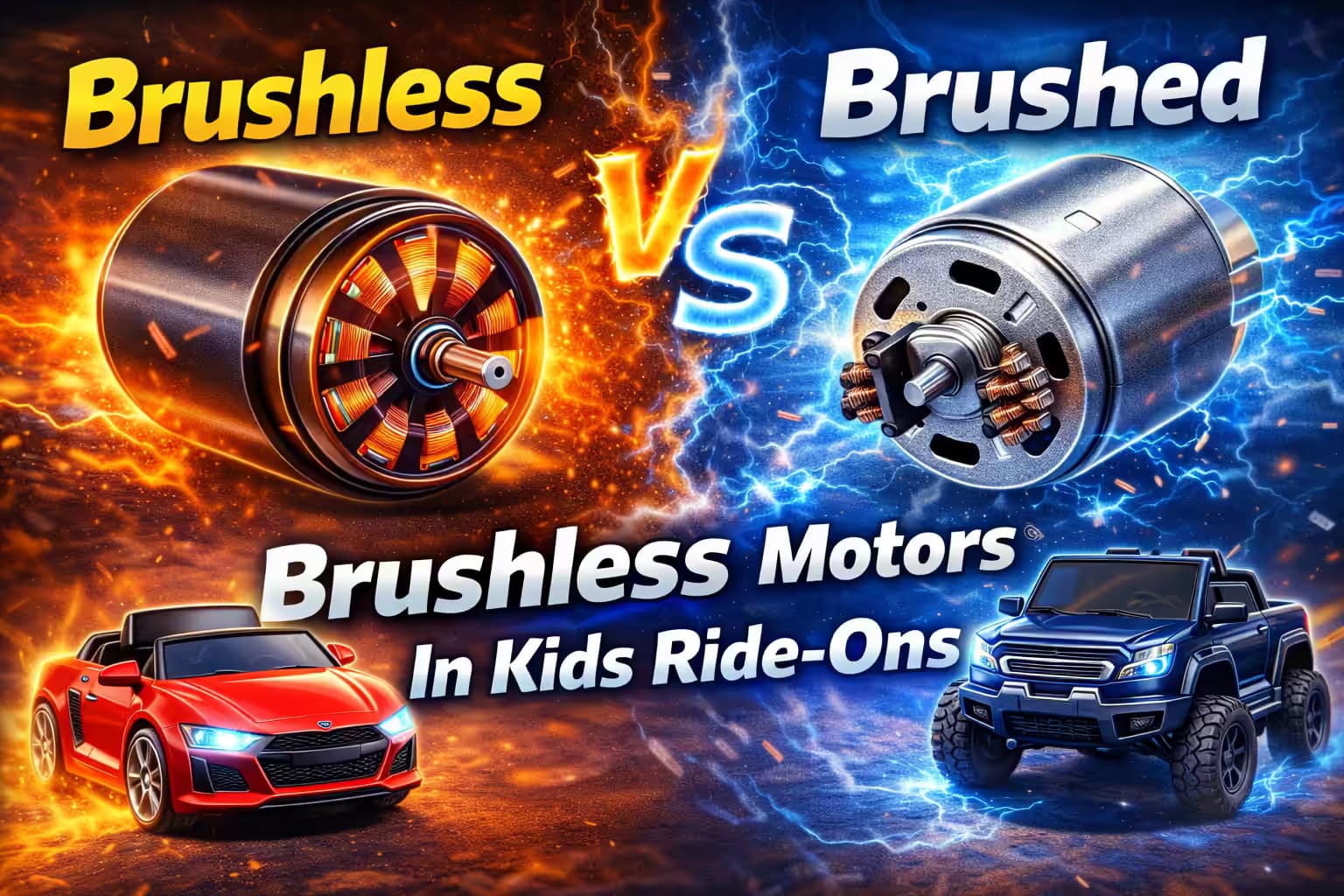
Kids ride-on cars are more than just toys—they’re mini vehicles that introduce children to the thrill of driving. But under the hood, not all ride-ons are the same. One of the biggest differences is the type of motor inside: brushed or brushless. These two motor types change how the ride-on works, how long it lasts, and even how safe it is. Many parents don’t realize this when shopping for a ride-on car, but choosing the right motor can make a big difference in your child’s experience.
If you’ve ever wondered why some ride-ons are faster, quieter, or more expensive than others, the answer often comes down to the motor. This guide will break down everything you need to know about brushless vs brushed motors in kids’ ride-ons. You’ll discover what sets them apart, their pros and cons, and how to decide which is right for your family. There’s a lot more to these motors than meets the eye, and understanding the difference can help you make a smarter, safer purchase.
What Are Brushed Motors?
Brushed motors have been used in toys and small vehicles for decades. They are a type of DC motor that uses mechanical brushes and a rotating part called a commutator to switch the direction of current. As the motor spins, these brushes physically touch the commutator, making the motor work.
How Brushed Motors Work
Inside a brushed motor, electricity flows through the brushes and into the spinning part (the armature). The current changes direction as the commutator turns, making the motor spin. This simple design is easy to understand and repair, which is why it’s common in many kids’ ride-on cars.
Main Features
- Simple construction with fewer electronic parts
- Lower cost to produce and buy
- Easier to repair at home
- Works well for basic ride-ons
Where Brushed Motors Are Used
Most entry-level ride-ons—like plastic cars, trucks, and motorcycles designed for younger kids—use brushed motors. They’re also found in power wheels, budget RC cars, and some scooters.
What Are Brushless Motors?
Brushless motors are a newer technology. Instead of physical brushes, they use electronic switches (usually called ESC or “electronic speed controllers”) to change the direction of current. There are no parts touching each other inside, except for the bearings.
How Brushless Motors Work
A brushless motor has permanent magnets on the outside and coils of wire inside. The electronic controller changes the current in the coils at just the right time, making the motor spin smoothly and efficiently. Since there are no brushes, there’s less friction and heat.
Main Features
- No physical contact between moving electrical parts
- Higher efficiency and less energy wasted as heat
- Longer lifespan because there’s less wear
- Usually more power and speed than brushed motors
Where Brushless Motors Are Used
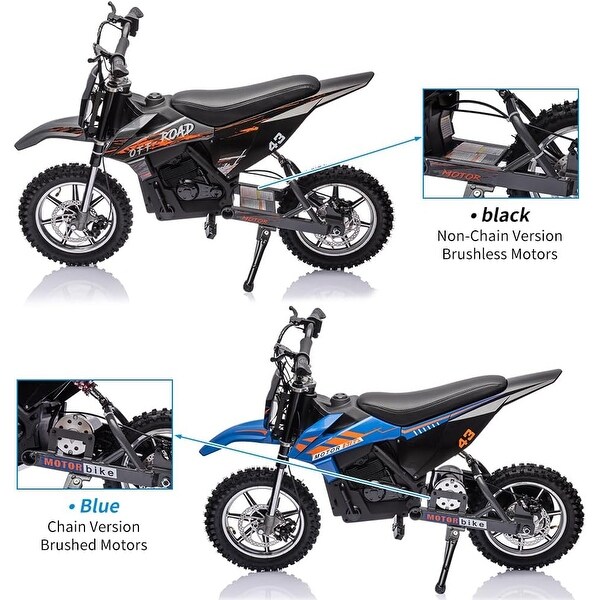
You’ll find brushless motors in high-end ride-ons, performance RC cars, and even electric bikes. They’re chosen for advanced models where speed, torque, and long-term reliability matter.
Key Differences Between Brushed And Brushless Motors
Understanding the main differences helps you see why the motor type matters for kids’ ride-ons. Here’s a closer look at what sets them apart.
| Feature | Brushed Motor | Brushless Motor |
|---|---|---|
| Mechanism | Uses physical brushes | Electronic switching |
| Maintenance | Needs regular brush replacement | Almost maintenance-free |
| Efficiency | Less efficient, more heat | High efficiency, low heat |
| Lifespan | Shorter, brushes wear out | Longer, no brushes to wear |
| Cost | Lower initial price | Higher initial price |
| Noise | Louder (brush friction) | Quieter |
| Power | Lower torque and speed | Higher torque and speed |
Two less obvious differences:
- Low-speed control: Brushless motors usually have smoother, more responsive speed control. This matters if your child is learning to steer or brake gently.
- Weight: Brushless motors can be lighter for the same power, which may make high-end ride-ons easier to handle and more fun to drive.
Performance In Kids Ride-ons
The type of motor you choose affects how the ride-on car feels, sounds, and handles. Let’s break down what each motor type means for real-world performance.
Speed And Acceleration
Brushless motors deliver higher speeds and stronger acceleration. Because there’s less friction, more of the battery’s power goes straight to the wheels. Many brushless-powered ride-ons can reach speeds of 8-10 mph, while brushed models usually top out at 3-5 mph.
But this extra speed isn’t always necessary for young kids. For toddlers, slower and steadier is safer and easier to control. For older kids who want more excitement, a brushless motor can provide a more thrilling ride.
Battery Life
Brushless motors are more energy-efficient. That means the same battery will last longer in a brushless-powered car. For example, a brushed ride-on might run for 45 minutes on a charge, while a brushless model with a similar battery could last over an hour.
However, if the brushless ride-on is much faster, kids may drive it harder and drain the battery more quickly. Actual battery life also depends on the weight of the child, the terrain, and the size of the battery pack.
Noise Level
Brushed motors make a distinct humming or buzzing sound. This comes from the physical brushes rubbing against the commutator. Some kids love this sound—it feels like a “real engine”—but others find it annoying.
Brushless motors are much quieter. The only noise is from the gears and wheels. This is better for indoor use or quiet neighborhoods.
Heat And Safety
Brushed motors can get hot after long use. Overheating can damage the motor or even melt plastic parts if the car isn’t designed well. Some budget ride-ons use small fans to keep motors cool.
Brushless motors run cooler because there’s less friction. This makes them safer for long play sessions and reduces the risk of burns or motor failure.
Durability And Maintenance
Parents often ask how long a ride-on will last. The answer depends a lot on the motor.
Brushed Motor Durability
The brushes inside these motors wear out with time. For a ride-on used daily, the brushes may last several months to a year. After that, the motor loses power or stops working. Sometimes, brushes can be replaced, but the process is tricky and not always worth it for inexpensive toys.
Brushed motors are also more sensitive to dirt, dust, and moisture because the brushes are exposed.
Brushless Motor Durability
Brushless motors have no brushes to wear out. Their only real wear points are the bearings, which last much longer. Many brushless motors in ride-ons can last for several years, even with regular use.
They are more resistant to dust and dirt, but water can still damage the electronic controller if not sealed well.
Maintenance Needs
- Brushed motors: May need cleaning or brush replacement
- Brushless motors: Almost maintenance-free; just keep dry and clean
Cost And Value
Price is a big factor for families. At first glance, brushless ride-ons are more expensive. But what do you really get for the extra money?
Initial Purchase Price
Brushed-motor ride-ons are usually the cheapest models in stores and online. Many cost $80–$200, depending on size and features.
Brushless-motor ride-ons start at around $200 and can go up to $600 or more for advanced models with big batteries, real suspensions, and extra features.
Long-term Value
While brushless ride-ons cost more upfront, they often last longer, need less repair, and keep their performance over time. This can save money on replacement parts or having to buy a new ride-on sooner than expected.
If you plan to hand the ride-on down to younger siblings or want to resell it, a brushless model usually holds its value better.
Repair And Replacement Parts
Brushed motors are simple, so replacement parts are cheap and easy to find. For brushless motors, the parts are more expensive, and repairs may require special tools or a service center.
Safety Considerations
Safety is always the top concern for any child’s ride-on toy. The motor type can affect safety in a few important ways.
Speed And Control
Brushless motors can make ride-ons much faster. If the ride-on does not have good brakes or parental speed controls, this can be risky for young or inexperienced kids.
Brushed motors, because they’re slower, are often safer for toddlers and preschoolers.
Overheating Risk
Brushed motors get hotter and can sometimes cause burns or melt plastic parts if used too long. Always check if the ride-on has a thermal cutoff to protect the motor.
Brushless motors run cooler and are less likely to overheat, but their electronic controllers can sometimes fail if they get wet or overloaded.
Electrical Safety
Both motor types are powered by batteries. Always check for short-circuit protection and quality wiring to avoid fire or shock risks.
Weight And Tipping
Brushless motors can be lighter, which sometimes means a lighter overall ride-on. Lightweight cars may tip more easily, especially at higher speeds or on slopes. Always supervise children and choose a ride-on suited to their age and weight.
Ride Experience For Kids
How does the motor type affect the fun and play value? Here’s what kids (and parents) might notice:
Brushed Motor Experience
- Gentle acceleration—good for beginners
- Familiar motor noise—some kids like the “engine” sound
- Slower top speed—safer for little ones
Brushless Motor Experience
- Smooth, fast starts—more “real car” feeling
- Quiet operation—better for indoor play or noise-sensitive areas
- Higher speed and torque—great for older kids or more challenging terrain
Parental Controls
Many brushless ride-ons come with parental remote controls or speed limiters. This lets adults keep the speed safe for younger kids. Always check for these features if your child is new to ride-on cars.
Age And Usage Recommendations
Choosing the right motor depends on your child’s age, skill, and how they’ll use the ride-on.
Best For Young Kids (ages 2–5)
- Brushed-motor ride-ons are usually best.
- Lower speeds (2–3 mph) and gentle starts
- Simple controls and safer operation
Best For Older Kids (ages 5–10)
- Brushless-motor ride-ons offer more excitement.
- Speeds up to 8–10 mph for thrill-seekers
- Smoother control for more skilled drivers
Multi-age Households
If you have children of different ages, look for a brushless ride-on with adjustable speed settings. This offers a longer lifespan and keeps all kids interested as they grow.
Common Mistakes Parents Make
Many buyers focus only on price or looks. Here are some mistakes to avoid:
- Ignoring the motor type: Not all ride-ons list the motor clearly. Ask the seller or check the manual if unsure.
- Choosing too much speed for young kids: Faster isn’t always better. Young children may find a brushless ride-on too powerful.
- Overlooking safety features: Parental controls, seat belts, and good brakes are just as important as the motor.
- Forgetting about terrain: For grass, gravel, or hills, a brushless motor performs better. For flat, indoor use, a brushed motor is fine.
- Neglecting maintenance: Even brushless motors need a clean, dry environment. Water or dirt can damage electronics.
Environmental Impact
Parents are increasingly aware of the environment. How do these motors compare?
Energy Efficiency
Brushless motors are more efficient, using less battery power for the same amount of drive time. This means fewer battery charges and less electricity used over the life of the ride-on.
Durability And Waste
Because brushless motors last longer, fewer ride-ons end up in landfills. Cheaper brushed-motor toys often break and get thrown away after a short time.
Battery Recycling
Both types use rechargeable batteries. Always recycle used batteries properly—never throw them in the trash. Many local stores and recycling centers accept old batteries.
Real-world Examples
Let’s look at how these differences play out in actual ride-on models.
Example 1: Classic Power Wheels Jeep (brushed Motor)
- Speed: Up to 5 mph
- Runtime: About 45 minutes per charge
- Noise: Noticeable hum
- Maintenance: May need motor replaced after 1–2 years
- Price: Around $180
Example 2: Peg Perego Polaris Rzr (brushless Motor)
- Speed: Up to 10 mph
- Runtime: Up to 90 minutes per charge
- Noise: Quiet operation
- Maintenance: Minimal, just cleaning and battery care
- Price: Around $450
In practice, the brushless model delivers a smoother, more exciting ride but costs more. The brushed model is affordable and reliable for smaller kids.
How To Choose: A Step-by-step Guide
If you’re shopping for a kids’ ride-on, here’s how to make the right choice:
- Check the age and size recommendations. Make sure the ride-on fits your child now and as they grow.
- Decide on the type of play. For indoor or flat surfaces, a brushed motor is fine. For outdoor or hilly terrain, consider brushless.
- Set your budget. Brushless models cost more upfront but may save money over time.
- Look for safety features. Parental controls, seat belts, and good braking are critical.
- Read reviews or ask for details. Not all sellers mention the motor type—look for clues or ask directly.
- Consider long-term use. If you want to pass the ride-on down to younger siblings, brushless is the better investment.
Future Trends In Ride-on Motors
Technology is always improving. Here’s what’s coming next for kids’ ride-ons:
- Smart controls: Some brushless ride-ons now connect to smartphones for speed limits and tracking.
- Better batteries: New battery types will make both motor types last longer per charge.
- Hybrid systems: Some future ride-ons may use both brushed and brushless motors for different speed ranges.
- More eco-friendly materials: Manufacturers are working to make motors and batteries more recyclable.

Data Table: Typical Ride-on Specs
Here’s a quick comparison of typical brushed vs. brushless ride-on specs.
| Spec | Brushed Motor | Brushless Motor |
|---|---|---|
| Speed Range | 2–5 mph | 5–10 mph |
| Battery Life | 30–60 min | 60–120 min |
| Noise Level | Moderate | Low |
| Maintenance | Medium | Low |
| Price Range | $80–$200 | $200–$600+ |
Pros And Cons Summary
Let’s summarize the main advantages and disadvantages of each motor type.
Brushed Motors
Pros:
- Lower cost
- Simple to repair or replace
- Good for younger kids
Cons:
- Brushes wear out over time
- Louder and gets hotter
- Lower speed and efficiency
Brushless Motors
Pros:
- Higher power, speed, and efficiency
- Runs cooler and quieter
- Longer lifespan
Cons:
- Higher initial price
- Repairs can be difficult
- Extra features may complicate use for very young kids
Non-obvious Insights
Two details beginners often miss:
- Aftermarket Upgrades: Some ride-ons can be upgraded from brushed to brushless motors, but it’s not always simple. The electronic controller also needs changing, and it may void the warranty. Always check with the manufacturer before upgrading.
- Resale Value: Brushless ride-ons often hold a higher resale value, especially if they’re well cared for. If you plan to sell the ride-on in a few years, the extra investment in brushless may pay off.
Which Should You Choose?
If your child is very young or just starting out, a brushed motor ride-on is usually the best and safest choice. For older kids, or for those who want more speed and excitement, a brushless motor ride-on offers more fun and less maintenance in the long run. Think about your family’s needs, your budget, and where the ride-on will be used most.
Ultimately, both motor types can offer hours of fun. The key is matching the right ride-on to your child’s age, skills, and interests. If in doubt, start with a slower, brushed model and upgrade as your child grows.
For more technical details on how electric motors work, visit Wikipedia’s electric motor guide.
Frequently Asked Questions
What Is The Main Difference Between Brushed And Brushless Motors In Ride-ons?
The main difference is that brushed motors use physical brushes to switch the current, while brushless motors use electronic controllers. Brushless motors are more efficient, last longer, and are quieter, but they cost more.
Are Brushless Motors Safer For Kids?
Brushless motors run cooler and have fewer moving parts that can wear out, which makes them generally safer for long play sessions. However, they can be faster, so parental supervision and speed controls are important.
Can I Upgrade My Child’s Ride-on From A Brushed To A Brushless Motor?
Some ride-ons can be upgraded, but it requires changing both the motor and the electronic speed controller. It can be complex and may void the warranty. Always check with the manufacturer before attempting an upgrade.
How Long Do Brushed And Brushless Motors Last In Ride-ons?
Brushed motors usually last 1–2 years with regular use before the brushes wear out. Brushless motors can last several years with minimal maintenance, sometimes lasting longer than the ride-on itself.
Which Motor Type Is Better For Off-road Or Hilly Terrain?
Brushless motors are better for off-road or hilly terrain because they provide more torque and power. They handle grass, gravel, and small hills more easily than brushed motors.
Choosing between brushed and brushless motors isn’t just about speed or price. It’s about matching your child’s needs with the right technology. By understanding the real differences, you’ll make a better, safer, and more satisfying choice for your family.