 Cart is empty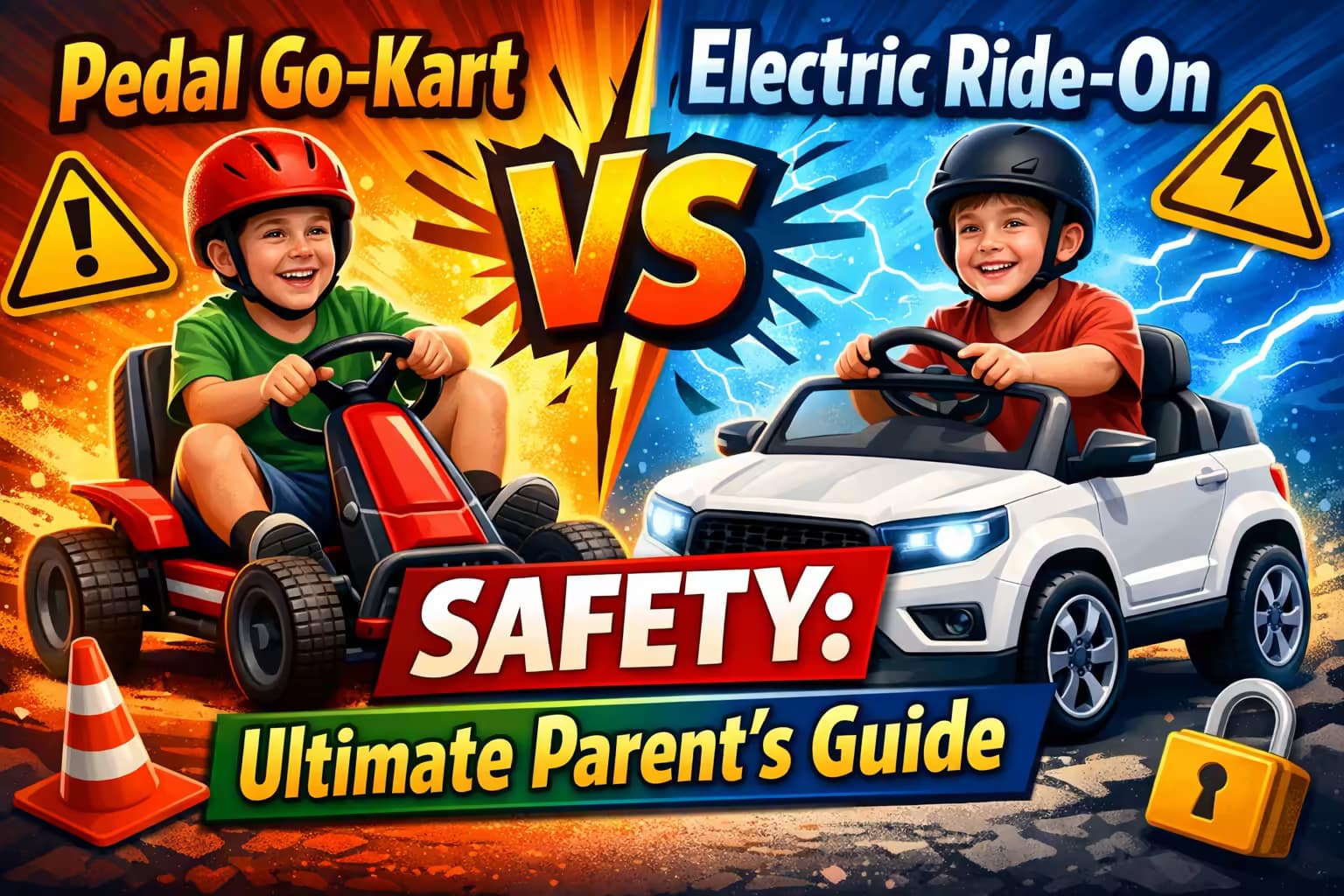
When it comes to choosing the perfect ride for your child, safety is your top priority. You might be wondering: is a pedal go-kart safer than an electric ride-on, or vice versa?
Both options promise hours of fun, but they come with different risks and safety features that you need to understand before making a decision. You’ll discover the key safety differences between pedal go-karts and electric ride-ons, so you can confidently pick the best and safest option for your little one.
Ready to learn which ride offers more peace of mind? Keep reading!

Pedal Go-karts Basics
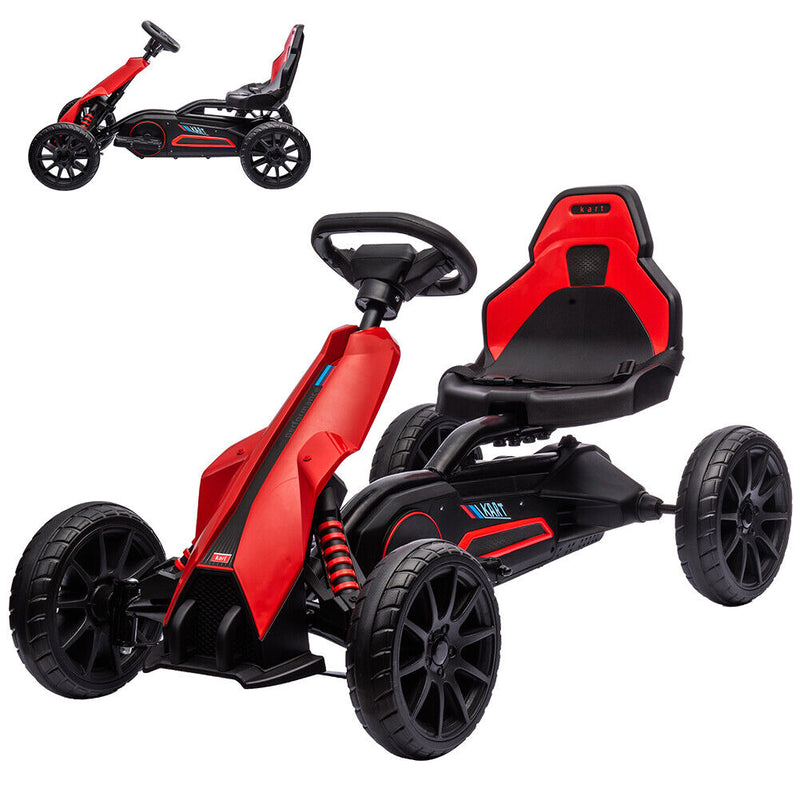
Pedal go-karts offer a fun and active way for kids to enjoy outdoor play. They rely on physical effort to move, which helps children develop strength and coordination. These karts come in various designs, but all focus on manual pedaling to power the vehicle. Understanding the basics of pedal go-karts helps parents choose the safest option for their children.
Safety is a key concern, especially when comparing pedal go-karts to electric ride-ons. Knowing how pedal karts work and their safety features can guide better decisions. Age and size suitability also play a big role in ensuring safe use. Let’s explore these important points below.
How Pedal Karts Work
Pedal go-karts use pedals connected to a chain or direct gear system. When the rider pushes the pedals, the kart’s wheels turn, moving the kart forward. Steering is controlled by a simple wheel or handlebar. Brakes stop the kart by pressing a pedal or lever, similar to a bicycle.
No battery or motor is needed. This makes pedal karts lighter and quieter. Children control the speed by how fast they pedal, giving them direct control over movement. This helps teach basic vehicle control and coordination skills.
Key Safety Features
Most pedal go-karts include safety features designed to protect children. A sturdy frame keeps the kart stable and strong. Seat belts or harnesses prevent riders from falling out during sharp turns or sudden stops. Some models have padded seats and steering wheels to reduce injury risk.
Effective brakes are vital to stop the kart safely. Wide, low-profile tires offer good grip on different surfaces. The low center of gravity reduces the chance of tipping over. Parents should check for smooth edges and secure bolts to avoid scrapes and cuts.
Age And Size Suitability
Pedal go-karts come in sizes made for toddlers up to older children. Manufacturers provide age and weight recommendations to guide buyers. Selecting the right size ensures the child can reach pedals and controls comfortably. Too large or too small a kart can cause accidents or discomfort.
Parents should measure their child’s height and leg length before buying. Adjustable seats and pedals add flexibility for growing kids. Using the correct size kart helps maintain balance and control, enhancing safety during rides.
Electric Ride-ons Essentials
Electric ride-ons offer children a fun and modern way to enjoy outdoor play. Safety is a key concern for parents and guardians. Understanding the essential features of these vehicles helps ensure safe use.
Each electric ride-on has specific parts and controls designed with safety in mind. Knowing how these work can prevent accidents and injuries.
Battery And Motor Function
Electric ride-ons run on rechargeable batteries. These batteries power the motor, which moves the vehicle. The battery size affects how long the ride-on can run. A fully charged battery usually lasts between 30 minutes to an hour. The motor controls the speed and power. Proper maintenance of the battery and motor is crucial. Overcharging or rough use can damage the battery. Always follow the manufacturer’s charging instructions to keep the motor working well.
Speed Controls And Safety
Speed control helps manage how fast the ride-on moves. Most electric ride-ons have adjustable speed settings. Lower speeds are safer for younger children. Some models include remote controls for parents. This allows adults to stop or slow the ride-on if needed. Safety features like automatic brakes and sturdy frames add protection. Wearing helmets and protective gear is strongly recommended. These controls and features reduce the risk of accidents.
Recommended Age Groups
Manufacturers suggest age limits for each ride-on model. These recommendations ensure the ride-on suits a child’s size and skill. Small electric ride-ons are ideal for toddlers aged 3 to 5 years. Larger models fit children aged 6 to 10 years. Following age guidelines helps maintain safety. Using a ride-on outside the recommended age can be dangerous. Always check the product label before purchase or use.
Safety Comparisons
Safety is a top priority when choosing between pedal go-karts and electric ride-ons. Both types offer fun but differ in how they handle control, speed, and durability. Understanding these differences helps parents pick the safest option for their kids.
Control And Speed Differences
Pedal go-karts are powered by the rider’s pedaling. This keeps the speed low and easy to control. Kids can stop anytime by simply stopping pedaling. Electric ride-ons use batteries and motors. They can reach higher speeds quickly. Some models have speed limits and remote controls for parents. Yet, electric ride-ons may require more supervision due to faster speeds.
Risk Of Injuries
Pedal go-karts reduce injury risks as they move slower. Kids learn balance and coordination while pedaling. Electric ride-ons can cause falls if the speed is too high. Sudden starts or stops may surprise young riders. Both types should be used with helmets and safety gear. Choosing a product with safety features lowers injury chances.
Durability And Build Quality
Pedal go-karts often have a sturdy metal frame. They handle rough play and uneven surfaces well. Electric ride-ons have plastic parts that can crack or break. Battery compartments need protection from water and shocks. Durable construction adds to the safety of both types. Check reviews and product specs before buying.
Parental Safety Measures
Ensuring children’s safety while using pedal go-karts or electric ride-ons is a top priority for parents. Taking clear safety steps helps reduce risks and keeps playtime fun. Parents can take active roles in supervising, equipping kids properly, and setting clear rules. These measures build a safer environment for every ride.
Supervision Tips
Always watch children closely while they ride. Stay nearby to react quickly if needed. Avoid distractions like phones or conversations. Check the area for hazards before play starts. Keep younger kids within arm’s reach. Regularly remind kids to follow safety rules. Supervision lowers chances of accidents and ensures quick help.
Protective Gear Recommendations
Equip kids with helmets to protect their heads. Use knee and elbow pads to prevent scrapes. Gloves can improve grip and shield hands. Choose gear that fits well and feels comfortable. Bright colors increase visibility to others. Teach children to wear all safety gear every time. Good gear reduces injury from falls or collisions.
Setting Safe Play Boundaries
Define clear play areas away from roads or pools. Use cones or markers to show where kids can ride. Explain boundaries clearly and calmly to children. Avoid steep hills or uneven surfaces that cause tipping. Set time limits to avoid tiredness and loss of focus. Boundaries help kids understand where they are safe to play.
Common Safety Concerns
Safety is a top priority for parents choosing between pedal go-karts and electric ride-ons. Both types have unique risks that require attention. Understanding common safety concerns helps ensure a fun and secure experience for kids.
Battery Hazards In Electric Models
Electric ride-ons use rechargeable batteries that can pose risks. Improper charging may cause overheating or fires. Damaged batteries might leak harmful chemicals. Always use the charger provided by the manufacturer. Supervise charging sessions and store batteries safely. Check the battery compartment regularly for wear or damage.
Physical Strain With Pedal Karts
Pedal go-karts rely on children’s physical effort to move. Younger kids may tire quickly or strain their muscles. Overexertion can cause cramps or fatigue, leading to falls. Encourage breaks during play. Choose pedal karts suited to the child’s size and strength. Proper posture helps avoid back or leg pain.
Environmental And Terrain Risks
Outdoor use exposes both vehicles to uneven ground and obstacles. Electric models may accelerate faster, increasing the chance of crashes on rough terrain. Pedal karts can be harder to control on slopes or loose surfaces. Avoid steep hills, gravel, or wet areas. Always supervise rides and select safe, flat spaces for play.

Maintenance And Safety Checks
Maintaining pedal go-karts and electric ride-ons ensures safe use and longer life. Regular checks help spot issues early. Safety depends on good upkeep and timely repairs.
Regular Inspection Routines
Check tires for wear and proper inflation. Tighten bolts and screws often. Look at the frame for cracks or damage. Make sure brakes work well. Inspect steering parts for smooth movement. Clean dirt and debris after each use.
Battery Care And Charging Safety
Use the charger that comes with the ride-on. Avoid overcharging; unplug when full. Charge in a dry, cool place. Keep battery terminals clean and dry. Never use damaged or swollen batteries. Store batteries away from heat or fire.
Replacing And Repairing Parts
Replace worn tires or broken pedals quickly. Use parts made for your model. Fix brakes or steering issues without delay. Check electrical wiring for frays or loose connections. Use tools carefully to avoid damage. Keep a repair log to track work done.
Choosing The Right Kart
Choosing the right kart plays a key role in safe and fun riding. Kids have different skills and needs. The right kart matches their abilities and keeps safety first. Parents must think about size, control, and speed options. This helps children enjoy riding without risks.
Both pedal go-karts and electric ride-ons offer different features. Each type suits certain kids better. Understanding these differences guides you to a safe choice. Let’s explore how to pick the best kart based on important factors.
Matching Kart To Child’s Abilities
Check your child’s age, strength, and coordination. Pedal go-karts need leg power and good balance. Electric ride-ons require less physical effort but need some hand control skills. Choose a kart that fits your child’s current abilities. This reduces accidents and builds confidence.
Budget And Safety Balance
Set a budget that covers quality and safety features. Cheaper karts might lack strong frames or good brakes. Spend on models with safety belts, speed limits, and sturdy materials. A safe kart protects your child and lasts longer. Don’t compromise safety to save a few dollars.
Top Brands And Models
Pick well-known brands with good reviews on safety. Brands like Berg, Razor, and Fisher-Price offer reliable options. These karts often include safety harnesses and adjustable speeds. Reading customer feedback helps spot common issues. Choose models designed for your child’s age group.
Frequently Asked Questions
Are Electric Go-karts Safe For Kids?
Electric go-karts are generally safe for kids with features like adjustable speeds, safety harnesses, and sturdy frames. Always supervise children during use.
Why Is Go-karting A Red Flag?
A red flag in go-karting signals an immediate race stop due to accidents, hazards, or unsafe track conditions. Drivers must stop safely and await instructions.
How Common Are Go-kart Accidents?
Go-kart accidents occur occasionally, mostly due to driver error or poor track conditions. Safety measures reduce risks significantly.
What Is The Safest Go-kart?
The safest go-kart includes secure seat belts, padded guards, side rails, and remote engine shutoff for instant parental control.
Conclusion
Pedal go-karts and electric ride-ons both offer fun and excitement. Pedal go-karts require physical effort, giving kids exercise and control. Electric ride-ons provide ease of use with adjustable speeds. Safety depends on supervision, proper gear, and age-appropriate models. Always check for secure harnesses and sturdy frames.
Teach kids to follow rules and stay alert while riding. Both options can be safe with the right precautions. Choose what fits your child’s needs and environment best. Safety first, fun always.
Add a Comment