 Cart is empty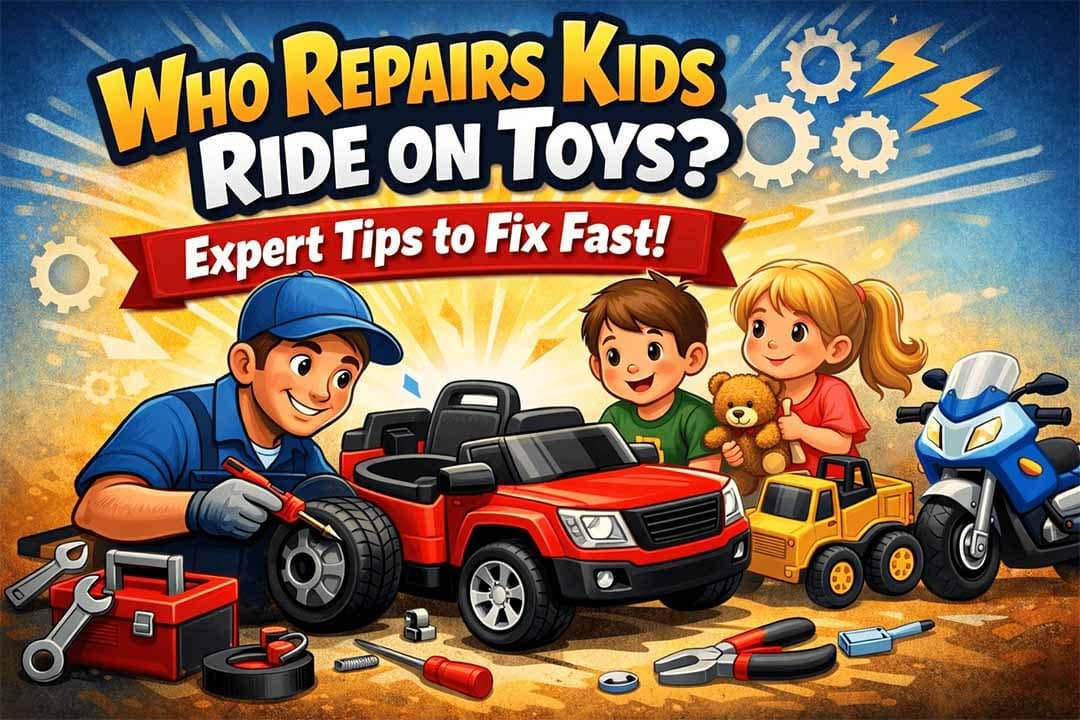
Is your child’s favorite ride-on toy suddenly stopped working? You’re not alone.
These battery-powered vehicles bring so much joy, but when they break down, it can be frustrating and confusing. You might wonder, “Who repairs kids ride on toys, and where can I find reliable help? ” Whether it’s a dead battery, a faulty charger, or a motor issue, knowing where to turn can save you time and stress.
You’ll discover the best places and experts who can fix your child’s ride-on toy, so your little one can be back to zooming around in no time. Keep reading to learn how to diagnose common problems and find trusted repair services near you.

Common Issues With Ride-on Toys
Ride-on toys bring endless joy to kids, but like any mechanical device, they can face issues over time. Knowing the common problems helps you spot trouble early and get the right repairs done quickly. Let’s look at the typical issues you might encounter with these beloved toys.
Battery And Charging Problems
One of the most frequent problems is related to the battery. Your child’s ride-on toy might have lights that turn on, but the toy doesn’t move. This usually means the battery isn’t holding a charge or the charger isn’t working properly.
Checking the charger first is a smart move. Faulty chargers or worn-out batteries are easy fixes compared to other mechanical issues. Have you ever found yourself wondering why the toy suddenly stopped moving despite looking fine?
Motor And Gear Malfunctions
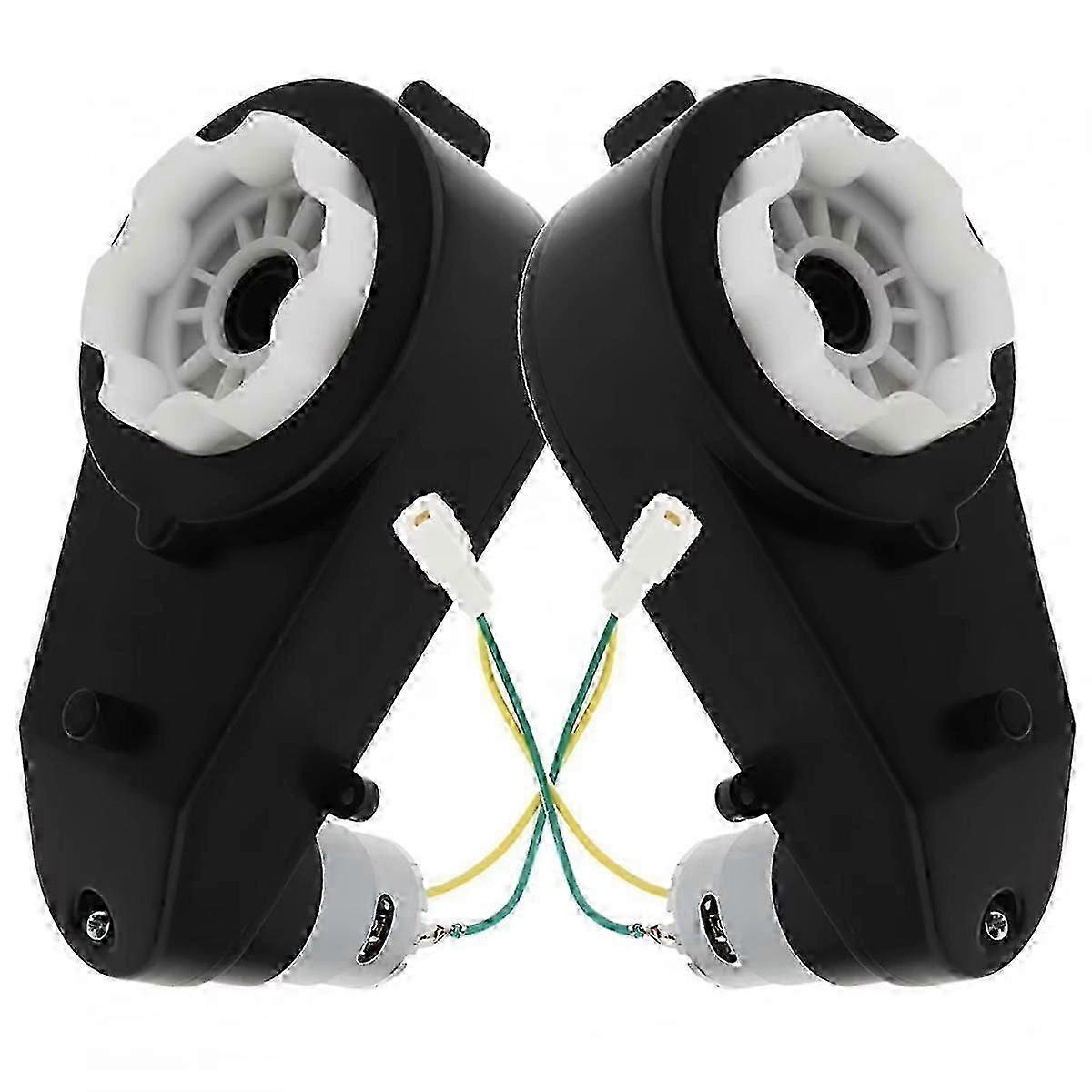
The motor drives the ride-on toy, and if it fails, the toy won’t move even with a charged battery. Sometimes gears inside the toy get jammed or broken, causing strange noises or a complete stop.
If your child complains about odd sounds or sluggish movement, it’s likely a motor or gear issue. These parts often need a professional to repair or replace, but knowing this can save you time and frustration.
Steering And Wheel Problems
Steering wheels and tires wear out from regular use. Wheels may become loose, misaligned, or even fall off, while steering mechanisms might get stuck.
Imagine your child trying to turn but the ride-on just goes straight—that’s a clear sign to inspect the steering system. Simple fixes like tightening screws or replacing worn-out parts can restore smooth control.
Electrical Wiring Issues
Battery-operated toys rely on electrical wiring to function properly. Wires can become loose, disconnected, or damaged, causing intermittent or complete failure.
Have you noticed the toy working sometimes and not others? This irregular behavior often points to wiring problems. Carefully checking connections or seeking expert help can bring the toy back to life.
Plastic Body And Cosmetic Damage
Kids ride their toys hard, which often leads to cracks, broken parts, or faded colors on the plastic body. While this doesn’t always affect function, it can make the toy less safe or less appealing.
Fixing cosmetic damage with glue or replacing broken panels helps maintain safety and keeps your child excited about their ride-on toy. Have you ever patched up a broken toy and seen your child’s face light up again?
Battery And Charger Problems
Battery and charger problems are common issues in kids’ ride-on toys. These toys rely on batteries to power the motor and lights. When the battery or charger fails, the toy may not work correctly. Parents often notice the lights turn on, but the toy does not move. This signals a possible battery or charger problem.
Fixing these problems requires checking the battery’s charge and the charger’s condition. Sometimes, the battery may be old or damaged. Chargers can also malfunction or stop supplying power. Knowing who repairs these issues can save time and money.
Identifying Battery Issues
The first step is to test the battery’s charge level. A weak or dead battery will not power the toy properly. Use a multimeter or a battery tester to check the voltage. If the battery shows low voltage, it may need replacement. Swollen or leaking batteries are signs of damage and should be handled carefully.
Charger Problems And Solutions
Charger problems often cause batteries not to charge fully. Check the charger for broken wires or loose connections. Make sure the charger fits the battery port correctly. A faulty charger may need repair or replacement. Using the wrong charger can damage the battery and reduce its lifespan.
Who Repairs Battery And Charger Problems?
Specialized repair shops handle battery and charger problems for ride-on toys. These shops have tools to test and fix batteries and chargers safely. Some toy stores also offer repair services. Local electronics repair shops may fix chargers. Online communities and forums provide advice and repair guides for DIY fixes.
Motor And Electrical Repairs
Motors and electrical parts are key to kids’ ride on toys. When these parts fail, the toy may not move or respond. Repairing these components requires specific skills and tools. Experts focus on diagnosing and fixing motor and electrical issues to restore the toy’s function.
Common problems include dead batteries, broken wires, or faulty motors. Professionals use testing tools to find the exact cause. They replace or repair damaged parts carefully. This work ensures the toy runs safely and smoothly again.
Diagnosing Motor Problems
Technicians check if the motor receives power. They test connections and inspect for damage. If the motor is burnt out, replacement is needed. Sometimes, cleaning the motor can fix the issue. Proper diagnosis saves time and cost.
Repairing Electrical Components
Electric circuits and wiring can wear out or break. Experts examine wires, switches, and battery contacts. Loose or corroded connections get fixed or replaced. They ensure all parts connect correctly for proper power flow.
Replacing Batteries And Chargers
Battery failure is a common cause of ride on toy problems. Repair centers offer battery testing and replacement services. Chargers are also checked to confirm they work. Using the right battery type is important for safety.
Safety Checks After Repairs
After fixing motor or electrical parts, safety tests are essential. Experts verify the toy runs without overheating or short circuits. They test controls and speed settings. This step helps protect children during play.
Finding Professional Repair Services
Finding professional repair services for kids’ ride-on toys can save time and ensure safe play. These toys have electrical parts and mechanical components that need expert care. Choosing the right repair shop guarantees quality fixes and long-lasting results.
Specialized Toy Repair Shops
Some shops focus only on kids’ electric ride-on toys. They have trained technicians who understand batteries, motors, and wiring. These experts use proper tools and original parts to restore toys.
Electronics Repair Centers
Many electronics repair centers handle battery-operated toys. They diagnose issues like battery failure or broken circuits. These centers offer fast service and reliable repairs for electric ride-ons.
Mobile Repair Services
Mobile repair technicians come to your home. They fix toys on-site, saving travel time. This option is convenient and often more affordable for busy parents.
Online Repair Communities
Online forums and groups connect you with DIY experts and local repairers. They share tips, parts sources, and trusted shops. These communities help find affordable and skilled professionals near you.
Diy Fixes For Plastic And Mechanical Parts
DIY fixes for kids’ ride-on toys save money and extend toy life. Many common issues involve plastic cracks or mechanical failures. Simple tools and materials often fix these problems at home.
Plastic parts like seats, body panels, or bumpers can break or crack. Mechanical parts such as wheels, motors, or gears may stop working properly. Basic repairs improve safety and functionality quickly.
Repairing Cracked Or Broken Plastic Parts
Clean the damaged area with soap and water. Let it dry fully before starting repairs. Use strong adhesive glue designed for plastic. Apply glue on both sides of the crack for strength. Hold pieces tightly until glue sets. For larger breaks, use plastic patches or tape underneath. Sand rough edges smooth after glue dries.
Fixing Stuck Or Noisy Wheels
Check wheels for dirt or debris blocking rotation. Remove debris carefully. Lubricate wheel axles with light oil or grease. Replace worn or broken wheels if needed. Tighten loose nuts or screws holding wheels. Test wheels by spinning them freely after repair.
Troubleshooting Motor And Battery Issues
Inspect battery connections for corrosion or loose wires. Clean terminals gently with a small brush. Ensure battery is fully charged or replace old batteries. Check motor for dust buildup and clean carefully. Listen for unusual sounds indicating motor problems. Replace faulty motors with compatible parts.
Adjusting Or Replacing Gears And Belts
Open the gear compartment carefully. Look for broken, worn, or misaligned gears. Realign gears to mesh properly. Replace damaged gears with new ones. Check belts for cracks or slack. Tighten or replace belts to restore power transmission. Reassemble parts securely after adjustment.
Sourcing Replacement Parts And Accessories
Sourcing replacement parts and accessories is key to fixing kids ride on toys. Without the right parts, repairs become difficult or impossible. Parents and repair shops both need reliable sources for these components.
Many parts wear out or break after regular use. Batteries, wheels, motors, chargers, and remote controls often need replacement. Choosing the right part ensures the toy works safely and correctly again.
Finding Genuine Parts From Manufacturers
Most ride on toy brands sell original parts. These parts fit perfectly and meet safety standards. Contact the toy’s manufacturer or visit their website to order parts directly.
Original parts last longer and keep the toy running smoothly. They may cost more but offer better quality and compatibility.
Using Aftermarket And Third-party Suppliers
Aftermarket parts come from third-party sellers. They often cost less than originals. Some parts work well, but quality varies widely.
Buy from trusted sellers with good reviews. Check product details carefully to ensure compatibility. Some parts may not fit or perform as expected.
Local Repair Shops And Specialty Stores
Local shops sometimes stock common parts and accessories. They can also order parts quickly. Visiting a shop allows hands-on advice and faster service.
Specialty stores may offer unique or hard-to-find parts. They help with repairs that need specific components or tools.
Online Marketplaces And Forums
Websites like eBay and Amazon offer many replacement parts. Prices vary, and buyers must check seller ratings. Reading reviews helps avoid poor-quality products.
Online forums and communities share tips and sources for parts. Members often trade or sell parts directly. These groups provide practical advice and repair support.
Maintenance Tips To Extend Toy Lifespan
Proper maintenance helps kids ride-on toys last longer and stay safe. Simple care steps prevent damage and keep toys working well. Regular checks and cleaning keep parts in good shape. Follow these tips to protect your child’s favorite ride-on toy from wear and tear.
Keep Batteries Charged And Maintained
Check the battery regularly to avoid power loss. Use the charger that comes with the toy. Avoid overcharging, which can damage the battery. Store the toy indoors to protect the battery from cold weather. Replace old batteries to keep the toy running smoothly.
Clean The Toy After Use
Remove dirt and dust from wheels and motors. Use a damp cloth to wipe the toy’s surface. Avoid harsh chemicals that can damage paint and plastic. Dry the toy completely to prevent rust or mold. Cleaning stops dirt buildup that can block moving parts.
Inspect Moving Parts Often
Look for loose screws, broken parts, or worn-out wheels. Tighten screws to keep everything secure. Replace damaged parts quickly to avoid bigger problems. Check the steering and brakes to ensure safe use. Regular inspections catch small issues before they grow.
Store Toys Properly When Not In Use
Keep ride-on toys in a dry, cool place. Avoid leaving toys outside in rain or sun. Cover toys with a tarp or plastic sheet for extra protection. Proper storage prevents fading, rust, and battery damage. Well-stored toys stay in good condition longer.
Frequently Asked Questions
Why Is My Kids Ride On Toy Not Working?
Your kid’s ride-on toy may not work due to a dead battery, faulty charger, or loose wiring. Check and replace these parts first.
Can Battery Operated Toys Be Repaired?
Battery operated toys can often be repaired by replacing batteries, fixing wiring, or consulting a specialized toy repair service.
How To Repair Kids Toys?
Inspect the toy for damage or loose parts. Replace batteries or broken components. Use child-safe glue for plastic repairs. Test functionality after fixing. Seek professional help for complex electronic issues.
Who Are The Toy Restorers On The Repair Shop?
The toy restorers at the repair shop are skilled experts who fix and restore various toys. They specialize in batteries, motors, and parts for kids’ ride-on toys. Their experience ensures safe, reliable repairs to bring toys back to life quickly and efficiently.
Conclusion
Kids’ ride-on toys need care and repair from skilled technicians. Many local shops offer battery checks, motor fixes, and part replacements. Simple issues like dead batteries or loose wires can stop the toy from working. Experts identify problems quickly and bring the ride-on back to life.
Repair services keep toys safe and fun for children. Don’t ignore small faults; timely repair saves money and extends toy life. Trust professionals who understand electric ride-on toys well. Your child’s favorite ride can run smoothly again with proper care.