 Cart is empty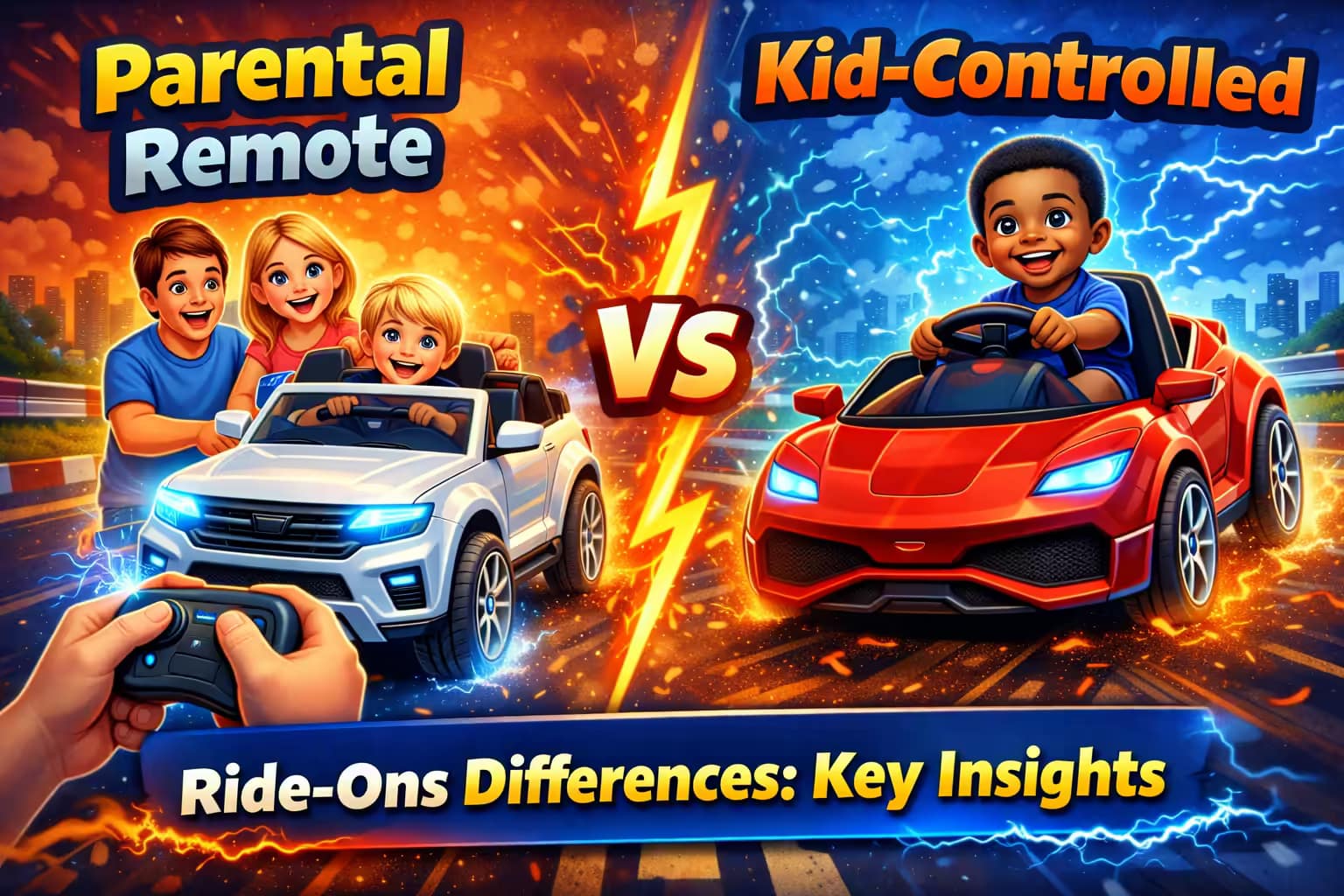
Are you trying to decide between a parental remote ride-on and a kid-controlled ride-on for your child? Knowing the key differences can make all the difference in your choice.
You want your little one to have fun, but safety and control are just as important. Should you be the one steering the fun, or is your child ready to take the wheel on their own? This guide breaks down what sets these two types of ride-ons apart, helping you find the perfect fit for your family’s needs.
Keep reading to discover which option gives you peace of mind while letting your child enjoy the ride.
Remote-controlled Ride-ons
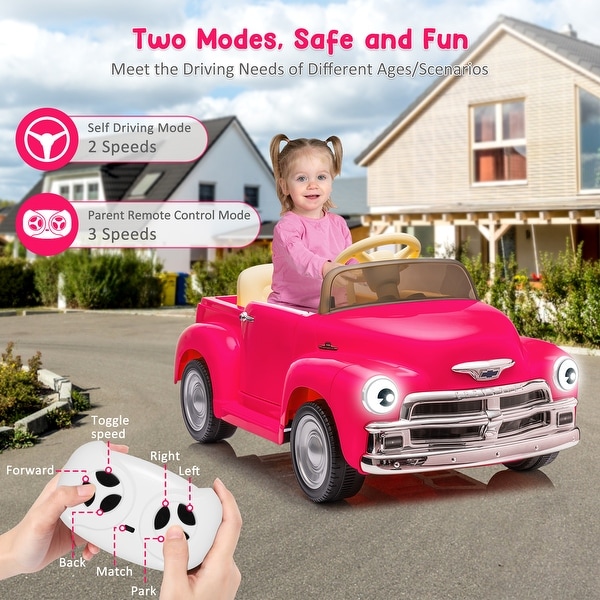
Remote-controlled ride-ons offer a unique way for parents to guide and supervise their children’s play. These toys come with a handheld remote that lets parents control the ride-on vehicle’s movements. This feature ensures safety while allowing kids to enjoy the fun of a ride-on without full control.
Parents can steer, stop, and start the ride-on from a distance. This control helps prevent accidents and keeps kids within a safe area. It also allows parents to join the playtime actively, making the experience more enjoyable for both.
How Remote Controls Work
Remote controls use radio waves to communicate with the ride-on toy. When a parent presses a button, the remote sends signals to the vehicle’s receiver. The receiver then moves the ride-on in the desired direction or speed.
This wireless system works within a set range, usually about 30 to 50 meters. The signals travel instantly, making the ride-on respond quickly to commands. This technology gives parents full control over the toy’s motion.
Benefits For Parents
Remote-controlled ride-ons offer peace of mind. Parents can stop the toy anytime if a hazard appears. They can also guide the ride-on away from streets or dangerous areas.
It makes supervising active kids easier without constant chasing. Parents can enjoy watching their children play safely. The remote control also helps kids learn to share control and follow directions.
Ideal Age Range
These ride-ons suit children aged two to five years best. Younger kids benefit from parental control for safety. Older kids may prefer to drive the ride-on themselves.
Parents should check the manufacturer’s age recommendations. Choosing the right size and speed ensures a fun and secure playtime. Remote control ride-ons help toddlers build confidence before full driving.

Kid-controlled Ride-ons
Kid-controlled ride-ons let children drive and steer on their own. These toys encourage independence and fun. Kids can enjoy the thrill of controlling their ride. They learn to navigate and make decisions while playing. These ride-ons come in various designs and control styles.
Types Of Controls
Kid-controlled ride-ons usually have simple controls. Most use a pedal to move forward and backward. Steering wheels or handlebars help kids turn easily. Some models include buttons for sounds or lights. Controls are designed for small hands and easy use.
Skill Development
Driving kid-controlled ride-ons helps develop important skills. Children improve hand-eye coordination by steering. They learn balance and motor skills while riding. These toys also teach spatial awareness and safety. Playing with ride-ons builds confidence and independence.
Age Suitability
Kid-controlled ride-ons suit children aged 3 to 7 years. Younger kids enjoy slower, simple models for safety. Older kids can handle faster rides with more features. Always check manufacturer age recommendations for safety. Proper age ensures a fun and safe experience.
Safety Features
Safety is the top priority for ride-on toys. Both parental remote and kid-controlled ride-ons come with features to keep children secure. These features help prevent accidents and give parents peace of mind. Understanding these safety aspects helps in choosing the right ride-on for your child.
Parental Monitoring
Parental remote ride-ons allow adults to control the toy remotely. Parents can steer, stop, or slow down the ride-on anytime. This control helps in avoiding dangerous situations. Kid-controlled ride-ons rely on the child’s ability to drive safely. Parents watch closely but cannot intervene directly through controls.
Speed Limits
Speed limits vary between remote and kid-controlled ride-ons. Parental remote models often have adjustable speed settings. Parents set safe speeds based on the child’s skill and environment. Kid-controlled ride-ons usually have fixed speeds. These speeds are designed to be safe but can be harder to adjust.
Emergency Stop Options
Emergency stop features add an extra layer of safety. Parental remote ride-ons include buttons to stop the toy instantly. This feature is helpful if the child loses control or moves toward danger. Kid-controlled ride-ons may not have an emergency stop button. Parents must intervene physically to stop the ride-on in emergencies.
Performance Differences
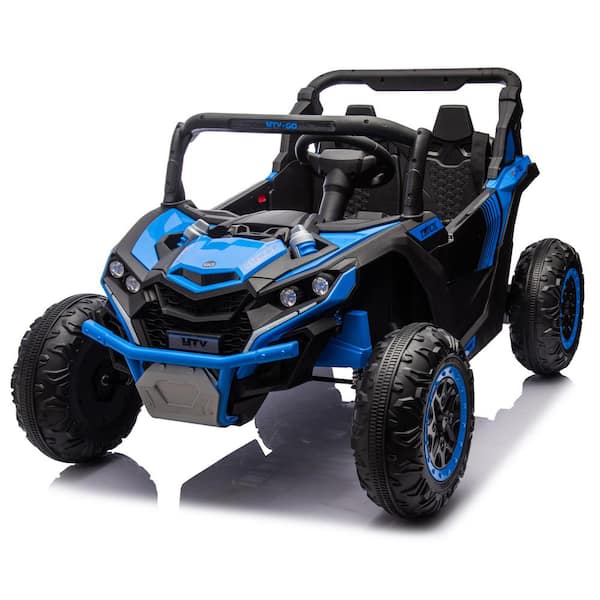
Performance differences between parental remote-controlled and kid-controlled ride-ons shape how children experience these toys. Each type offers unique strengths in speed, power, battery life, and terrain handling. These factors influence safety, fun, and usability during playtime.
Speed And Power
Parental remote-controlled ride-ons often have lower top speeds. This limit helps parents keep control and ensure safety. Kid-controlled ride-ons usually offer higher speeds. These allow children to enjoy more freedom and excitement. Power levels also differ. Remote models prioritize smooth, steady power. Kid models focus on bursts of speed and quick acceleration.
Battery Life
Remote-controlled ride-ons generally have longer battery life. This suits parents who want longer monitoring without frequent recharges. Kid-controlled ride-ons may drain batteries faster. Higher speeds and stronger motors use more power. Battery life varies by model and usage. Parents should check specifications before buying.
Terrain Handling
Parental remote ride-ons often handle flat, smooth surfaces best. Their controlled speed and power limit rough terrain use. Kid-controlled ride-ons may perform better on varied surfaces. They often have stronger motors and better traction. This allows kids to explore different outdoor areas. Terrain handling affects where children can safely ride.
Design And Durability
The design and durability of ride-on toys greatly influence their safety and longevity. Parents often weigh these factors when choosing between parental remote-controlled and kid-controlled ride-ons. Each type offers unique features in build and materials that affect how well they hold up during play. Understanding these differences helps in selecting the best option for a child’s needs and environment.
Build Quality
Parental remote ride-ons usually have a robust build. They are designed to handle control by adults, who often operate the toy at different speeds and terrains. The structure tends to be stronger to withstand rough handling and frequent use.
Kid-controlled ride-ons focus on lightweight and easy-to-handle designs. They prioritize comfort and maneuverability for young children. Although sturdy, these models may not be as heavy-duty as remote-controlled ones.
Materials Used
Most remote ride-ons use high-grade plastic and metal parts. These materials ensure durability and safety for extended use. The quality often reflects the toy’s price and brand reputation.
Kid-controlled ride-ons often use lighter plastics and simpler components. This choice keeps the toy affordable and easy to move. Materials are still safe but may not resist heavy impacts as well as those in remote models.
Maintenance Needs
Parental remote ride-ons require regular checks on electronics and batteries. The remote control system needs proper care to avoid malfunctions. Cleaning and tightening parts also help maintain performance.
Kid-controlled ride-ons need less technical maintenance. Focus is mostly on cleaning and checking for loose parts. Battery care is simpler, as these toys often have fewer electronic components.
Cost Comparison
Understanding the cost differences between parental remote and kid-controlled ride-ons helps families choose wisely. Both types offer fun but vary in price and expenses over time. Evaluating these costs assists in budgeting for your child’s enjoyment.
Initial Price
Parental remote ride-ons usually cost more at purchase. They include extra parts like remote control devices and safety features. Kid-controlled ride-ons often have a simpler design, making them less expensive upfront. The price difference reflects the technology and control options each type offers.
Long-term Expenses
Parental remote ride-ons might require more maintenance due to their complex systems. Batteries for remotes and ride-ons can add to ongoing costs. Kid-controlled ride-ons tend to have fewer parts, lowering repair and replacement needs. Charging and battery replacement costs vary but are important to consider for both types.
Choosing The Right Ride-on
Choosing the right ride-on for your child takes careful thought. The right choice makes playtime fun and safe. It helps your child build skills and confidence. Two main options exist: parental remote-controlled and kid-controlled ride-ons. Understanding their differences helps you pick the best fit.
Assessing Child’s Age And Ability
Young children need simple controls and slower speeds. Parental remote-controlled ride-ons suit toddlers who cannot drive yet. Older kids enjoy kid-controlled models that boost independence. Match the ride-on to your child’s motor skills and coordination. This match ensures they enjoy and learn safely.
Considering Safety Priorities
Safety is the top concern for every parent. Remote-controlled ride-ons allow adults to stop or steer anytime. This control reduces risks in busy or unsafe areas. Kid-controlled ride-ons offer freedom but need more supervision. Look for models with seat belts and speed limits. These features protect your child during play.
Evaluating Parental Involvement
Think about how much you want to join playtime. Remote-controlled ride-ons let parents guide and assist constantly. This option suits parents who want close supervision. Kid-controlled ride-ons encourage children to explore on their own. They build independence but require trust and readiness. Choose the level of involvement that fits your family.
Frequently Asked Questions
What Is The Difference Between Remote Control And Radio Control Cars?
Remote control cars use infrared signals and require line-of-sight. Radio control cars use radio waves, allowing longer range and no line-of-sight needed.
What’s The Best Age For A Remote Control Car?
The best age for a remote control car is typically 3 to 5 years. These cars suit young kids with simple controls and safe speeds. Parents can choose models with remote control for added safety and guidance during play.
What Are The Different Types Of Ride-on Toys?
Ride-on toys include pedal-powered bikes, electric cars, scooters, push cars, and remote-controlled vehicles. Each offers unique fun and learning experiences.
How Does Remote Control Work For Kids?
Remote control for kids works by sending radio signals from a handheld device to the toy. Pressing buttons triggers movements. Parents can guide or children can control, ensuring safe and fun play. This technology uses simple wireless communication for easy operation.
Conclusion
Parental remote and kid-controlled ride-ons each offer unique benefits. Parental remotes provide safety and control for younger children. Kid-controlled ride-ons give kids freedom and help build confidence. Choosing depends on your child’s age and skill level. Both types encourage outdoor play and fun learning.
Understanding these differences helps parents pick the best ride-on toy. Enjoy watching your child explore and grow safely.
Add a Comment