
 Cart is empty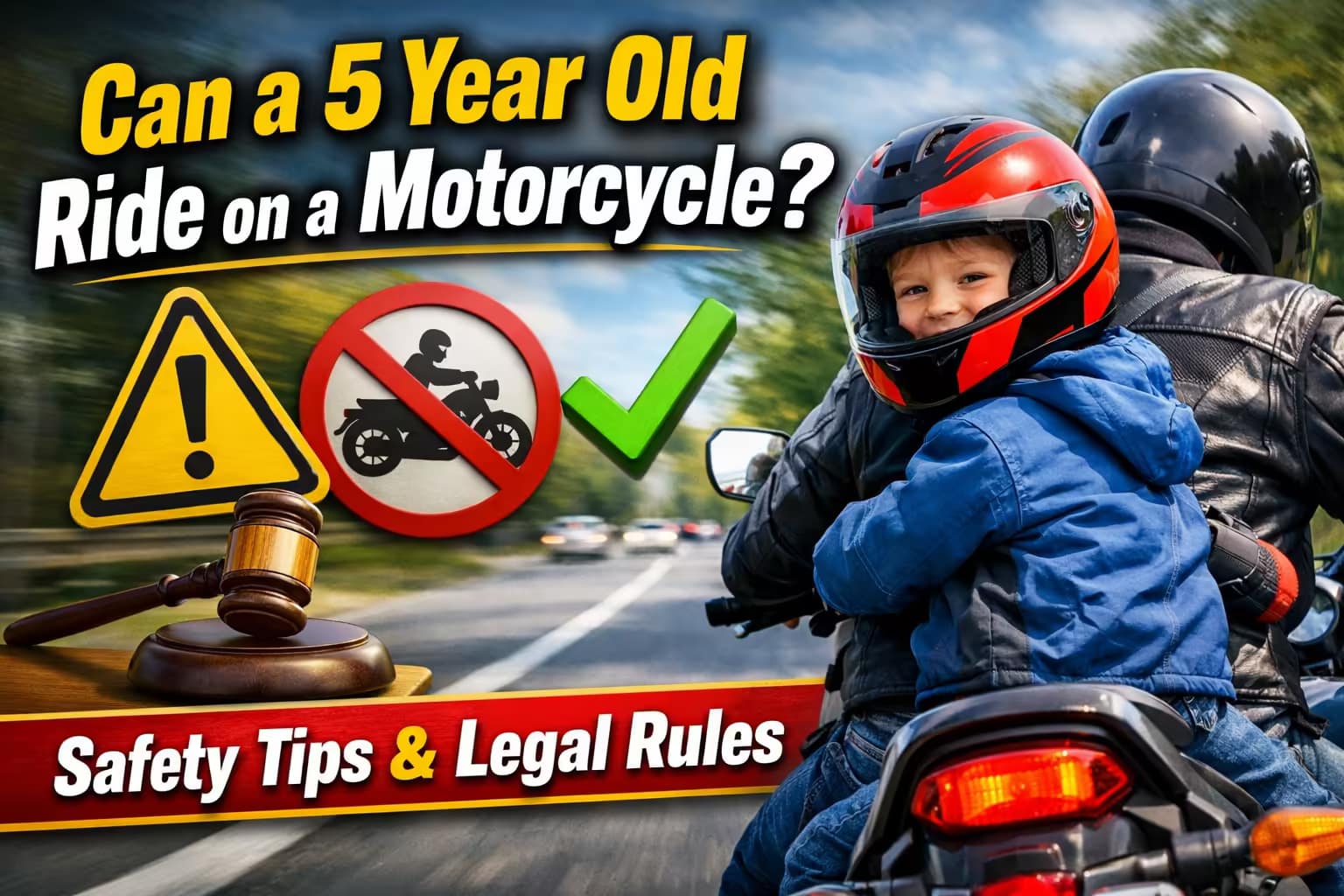
Are you wondering if your 5-year-old can safely ride on a motorcycle with you? It’s a question many parents and riders ask, and the answer isn’t as simple as you might think.
You want to keep your child safe while sharing the thrill of the ride, but laws and safety guidelines vary depending on where you live. Plus, the right equipment and your child’s ability to handle the experience are crucial. You’ll discover what the rules say, what safety measures you must take, and how to decide if your little one is truly ready to hop on the back of your bike.
Keep reading to learn everything you need to know before taking that exciting first ride together.
Legal Age Requirements
The law about a child riding on a motorcycle varies by location. There is no universal age limit. Some states set a minimum age, others focus on safety conditions.
Understanding these rules helps keep children safe and riders legal. Knowing the legal age requirements is important before allowing a child to ride.
Key Factors & Requirements
Many states require the child to reach the footrests. The child must wear a proper helmet approved by law. The child should sit with one leg on each side of the bike. Riders must ensure the child understands safety and risks involved.
State-specific Examples
California bans children under 8 from riding as passengers. New York has no set minimum age but emphasizes safety. Texas requires the rider to ensure the child’s safety and compliance with rules.
Safety Considerations
The child’s weight must not affect bike control. Proper clothing includes long pants, sturdy shoes, gloves, and eye protection. The rider is responsible for all safety and legal matters.
State-by-state Variations
Motorcycle passenger laws for young children differ across the United States.
Each state sets its own rules about the minimum age and safety requirements.
Understanding these differences is important before allowing a 5-year-old to ride.
California
Children under 8 years old cannot legally ride as motorcycle passengers.
Even at 8, kids must meet height and weight rules to ride safely.
These rules depend on the motorcycle’s design and safety features.
New York
No specific minimum age exists for motorcycle passengers.
Safety and the child’s understanding of risks are the main concerns.
The child must be able to reach foot pegs and wear a helmet.
Texas
Texas law does not specify a minimum age for motorcycle passengers.
Riders must ensure the child’s safety and follow general traffic rules.
Parents should check local regulations before allowing a young child to ride.
Other States
Many states require children to reach foot pegs before riding.
Most states demand helmets and proper protective gear for child passengers.
Some states have weight or height limits for child motorcycle passengers.
Foot Peg And Seating Rules
Foot pegs must be reachable for a child to ride safely on a motorcycle. Proper seating requires the child to sit with one leg on each side. Helmets and safe riding habits are essential for young passengers.
Foot Peg Requirements For Young Passengers
Foot pegs are essential for passenger safety on motorcycles. A child must reach the foot pegs comfortably while seated. If their feet dangle, they cannot balance properly. This increases the risk of accidents. For a 5 year old, foot peg reach is often a major limiting factor. Most motorcycles have foot pegs designed for adult or older teen passengers. Some bikes offer adjustable or lower foot pegs. These can help younger riders sit safely. Without proper foot support, a child cannot hold on or brace themselves well. Always check if your child’s feet touch the pegs firmly before riding.
Seating Position And Stability
Correct seating is crucial for safety and control. A child should sit with one leg on each side of the seat. This position helps maintain balance during the ride. The passenger seat must be wide and stable enough for a small child. Many motorcycles have slim or narrow seats not suited for young kids. Some bikes offer larger passenger seats or child-specific accessories. These improve stability and comfort. The child must be able to sit upright without slipping or sliding. Always ensure the seating position allows the child to hold onto the rider or grab handles securely.
Legal And Safety Considerations
Many states do not set a strict minimum age for motorcycle passengers. Instead, safety rules focus on foot peg reach and proper seating. The rider is responsible for ensuring the child meets these requirements. Wearing a proper helmet and protective gear is mandatory. The child must understand basic safety rules and sit still during the ride. Parents should always check local laws before letting a 5 year old ride. Safety depends on the child’s size, maturity, and bike type. Never risk riding if the child cannot meet foot peg or seating rules fully.
Helmet Standards For Kids
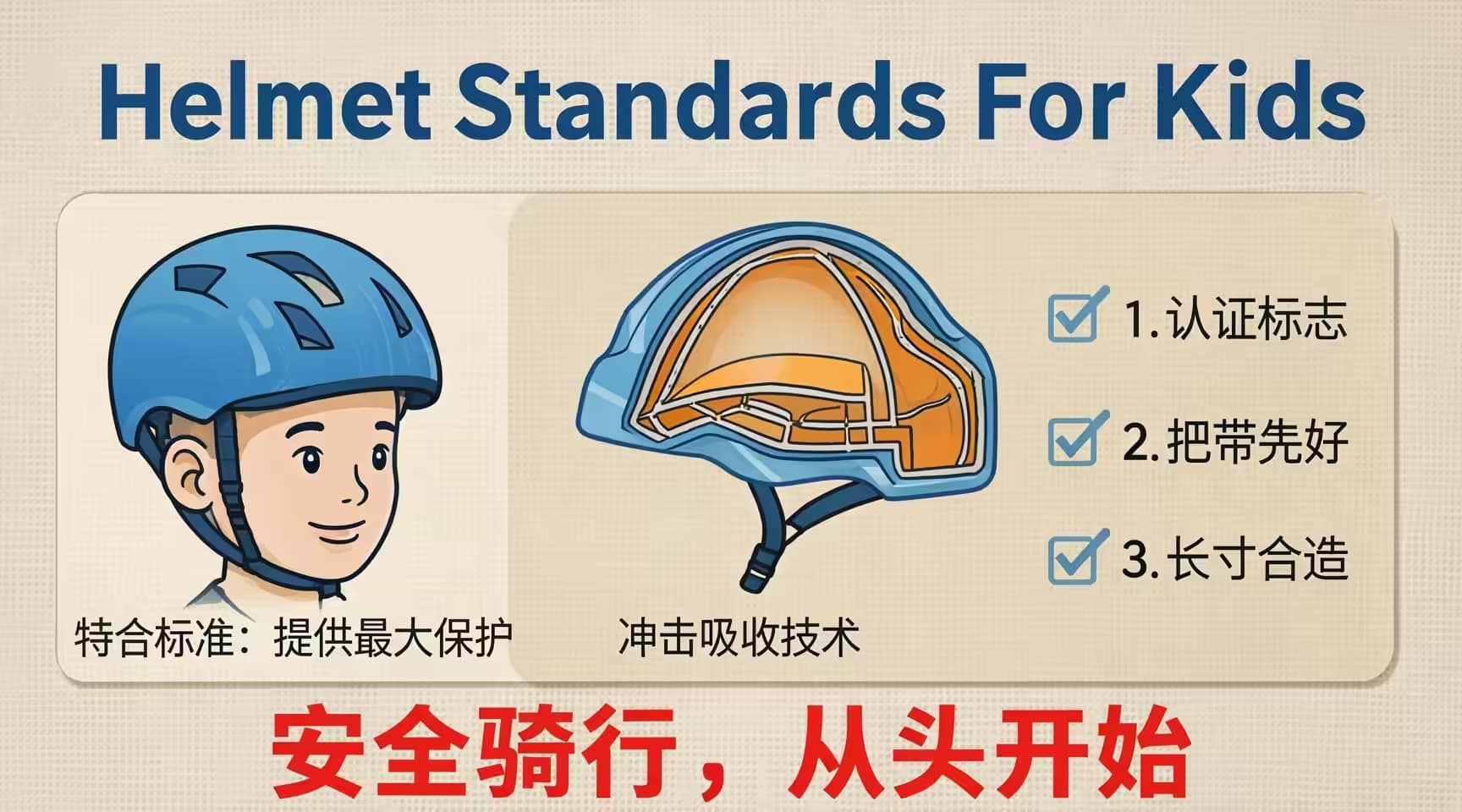
Choosing the right helmet is the first step to protect a child on a motorcycle. Helmet standards for kids focus on safety, fit, and comfort. These standards ensure helmets can absorb impact and reduce injury risks.
Parents should select helmets that meet strict safety certifications. Proper certification guarantees the helmet passed tests for impact resistance and retention. These tests help keep the child’s head safe in case of an accident.
Understanding Helmet Certifications
Look for helmets with certifications like DOT, ECE, or Snell. DOT is a U.S. government standard that ensures basic safety. ECE is a European standard, often considered more rigorous. Snell certification is a voluntary test that goes beyond DOT and ECE requirements.
Choosing The Right Helmet Size
A helmet must fit snugly without causing discomfort. Measure your child’s head circumference to find the correct size. Too loose or too tight helmets can reduce protection. A well-fitted helmet stays in place during a ride.
Helmet Features For Kids
Pick helmets designed specifically for children. These helmets are lighter and have more padding. Ventilation helps keep the child cool and comfortable. Bright colors and fun designs can encourage kids to wear helmets willingly.
Child’s Physical Readiness
Assessing a child’s physical readiness is essential before allowing them to ride on a motorcycle. Young children must have the strength and size to hold on safely. Their ability to maintain balance and follow instructions plays a key role in safe riding.
Physical readiness also includes the child’s ability to reach the foot pegs properly. Without this, they cannot stabilize themselves during the ride. A child who cannot sit comfortably or securely increases the risk of accidents.
Height And Weight Requirements
A child must be tall enough to reach the foot pegs with both feet. This provides stability and prevents the feet from dragging on the road. Weight matters too; a very light child might struggle to stay balanced on the motorcycle.
Grip Strength And Coordination
Strong arms and hands help the child hold onto the rider or the motorcycle’s handles. Coordination is important for adjusting posture during turns or sudden stops. Without these skills, the child may slip or lose balance.
Ability To Follow Safety Instructions
Children must understand and obey safety rules. They should know to keep still and hold on tight. Listening carefully to the rider’s instructions reduces the risk of injury during the ride.
Essential Safety Gear
Riding a motorcycle with a 5-year-old demands strict attention to safety. Essential safety gear protects young passengers from serious injuries in case of an accident. Proper equipment reduces risks and ensures a safer ride for your child.
Choosing the right gear is crucial for comfort and protection. Each piece serves a specific purpose to shield the child from harm and harsh weather. Parents and riders must prioritize safety above all else.
Helmet
A well-fitting helmet is the most important safety gear. It must be designed for children and approved by safety standards. The helmet protects the head from impacts and should have a secure strap to keep it in place.
Protective Clothing
Long sleeves and pants made of durable material shield the skin from scrapes. Clothing should cover arms and legs completely. Avoid loose fabrics that can get caught in the bike’s parts.
Gloves
Gloves protect small hands from cuts and cold wind. They also improve grip on the rider or bike handles. Choose gloves that fit well and provide good mobility.
Footwear
Sturdy shoes or boots that cover the ankles are essential. They protect feet from heat, debris, and injury. Avoid sandals or open-toed shoes for motorcycle rides.
Eye Protection
Goggles or a helmet with a visor keep dust, bugs, and wind out of the eyes. Clear vision helps the child stay calm and aware during the ride. Ensure the eye protection fits comfortably and securely.
Rider’s Responsibilities
Riders must ensure young passengers can safely reach footrests and wear approved helmets. Understanding the child’s ability to hold on and stay balanced is essential. Following local laws and prioritizing safety helps protect both rider and child.
Understanding The Rider’s Role
The rider holds the main responsibility for safety on a motorcycle. Carrying a child as young as five demands extra care. The rider must ensure the child is secure and comfortable throughout the ride. The rider’s actions directly affect the child’s safety.
Focus on controlling the bike smoothly. Sudden moves can frighten or unbalance a young passenger. The rider should keep speed moderate and avoid sharp turns or quick stops. Awareness of road conditions is crucial. Always plan to ride safely for both.
Ensuring Proper Safety Gear
The rider must provide the child with proper safety gear. A helmet that fits well is essential. The helmet should meet safety standards and cover the child’s head fully. Protective clothing is important too. Long pants, gloves, and closed shoes help protect the child.
Safety gear reduces the risk of injury in case of accidents. The rider should check that all gear fits properly before starting the ride. Never carry a child without full safety equipment.
Maintaining Correct Seating And Position
The child must sit safely on the motorcycle. The rider should make sure the child can reach the footpegs easily. Proper seating means the child sits with one leg on each side of the bike. The rider must help the child hold on securely.
Many motorcycles have passenger handles or grips. The rider should teach the child to hold these tightly. A secure seating position prevents the child from slipping or losing balance.
Evaluating The Child’s Readiness
The rider must judge if the child is ready to ride. The child should understand basic safety rules. They need to stay still and listen during the ride. Fear or restlessness can cause dangerous distractions.
Observe the child’s behavior before and during the ride. Stop if the child feels scared or uncomfortable. The rider must prioritize the child’s emotional and physical readiness.
Following Legal And Safety Regulations
The rider must know and follow local laws about child passengers. Some states have age or height limits for motorcycle passengers. The rider should check these rules before riding with a child.
Legal compliance protects both the rider and the child. The rider remains responsible for ensuring the child’s safety on the road. Ignoring laws can result in fines or accidents.
Motorcycle Size And Weight Limits
Motorcycle size and weight limits play a vital role in deciding if a 5 year old can safely ride on a motorcycle. The bike must suit the child’s small frame and weight. Choosing the right size motorcycle ensures comfort and safety for young passengers.
Large or heavy motorcycles can be hard to balance with a child onboard. The child must sit securely and reach the footrests without strain. Bikes designed for smaller riders often have lower seats and lighter frames.
Importance Of Motorcycle Size For Young Passengers
A motorcycle that is too big can make riding unsafe for a child. The child should easily reach the footpegs and hold on firmly. Proper seating helps the child stay stable during the ride.
Weight Limits And Balance On The Bike
The combined weight of the rider and child affects the motorcycle’s handling. Exceeding weight limits can reduce control and increase risks. Lightweight motorcycles provide better balance with a small passenger.
Adjusting For Child’s Height And Reach
The child must be able to place both feet on the footrests. This helps the child feel secure and maintain balance. If the child’s legs dangle, the ride can become uncomfortable and unsafe.
Choosing The Right Motorcycle For A 5 Year Old
Look for motorcycles with a low seat height and narrow frame. Smaller bikes designed for youth riders work best. Proper gear like helmets and protective clothing is essential for safety.
Preparing Your Child For The Ride
Getting your child ready to ride on a motorcycle takes careful steps. Safety is the top priority. Your child needs to feel calm and understand the basics of riding. Preparing well helps make the ride enjoyable and safe for both of you.
Start by talking to your child about what to expect. Explain the sounds, movements, and how to sit properly. This builds their confidence and reduces fear.
Choosing The Right Safety Gear
Proper safety gear protects your child from injuries. A well-fitting helmet is a must. It should meet safety standards and fit snugly.
Besides a helmet, use gloves, long pants, and sturdy shoes that cover the ankles. Eye protection, like goggles or a visor, keeps dirt and bugs away.
Teaching Proper Riding Posture
Show your child how to sit with both feet on the footpegs. They should keep one leg on each side of the motorcycle. Holding onto you or the bike’s handles is important for balance.
Practice sitting still on the bike before starting. This helps your child get used to the position and feel stable.
Explaining Safety Rules
Talk about the need to stay still and not distract the rider. Teach your child to keep their head down and avoid sudden moves.
Explain the importance of listening carefully and following your instructions during the ride. This keeps both of you safe.
Common Risks And Hazards
Riding a motorcycle with a 5-year-old passenger involves several risks. These hazards can affect the child’s safety and the rider’s control. Understanding common dangers helps prevent accidents and injuries. Safety must be the top priority for both rider and child.
Balance And Stability Issues
A young child cannot help maintain balance on a moving motorcycle. Their small size makes it harder to stay steady during turns or sudden stops. This instability increases the chance of falling or losing control of the bike.
Inadequate Protective Gear
Proper safety gear is essential for motorcycle passengers. Many helmets and protective clothes are not designed for very young children. Ill-fitting gear fails to protect the child properly in case of a crash or fall.
Limited Physical Strength And Grip
Five-year-olds lack the strength to hold on tightly. Their weak grip can cause them to slip off the seat easily. This risk is higher on bumpy or fast rides where sudden movements happen.
Distraction To The Rider
A child passenger may distract the rider by moving or making noise. Such distractions can reduce the rider’s focus on the road. Loss of concentration increases the risk of accidents.
Legal And Regulatory Concerns
Many places have laws against carrying very young children on motorcycles. These rules exist to protect children from harm. Breaking these laws can result in fines and legal trouble for the rider.
Tips For Safe Riding With Kids
Riding a motorcycle with kids requires extra care and attention. Safety must be the top priority. Following simple tips helps protect your child and makes the ride enjoyable for both.
Children are more vulnerable during motorcycle rides. Proper preparation and equipment reduce risks. Every ride should focus on comfort and security for the child passenger.
Use Proper Safety Gear
Always equip your child with a well-fitting helmet approved by safety standards. Choose helmets designed for children to ensure a secure fit. Dress your child in long pants, a jacket, gloves, and sturdy shoes. Protective gear shields from wind, debris, and possible falls.
Check The Motorcycle’s Setup
Ensure your motorcycle has a passenger seat suitable for a child. The child must sit with one leg on each side. Footrests should be within easy reach to provide stability. Confirm the bike can handle extra weight safely.
Start With Short, Slow Rides
Begin riding in quiet areas at low speeds. Keep trips brief to help your child get used to the motion. Gradually increase ride length and speed as your child gains confidence.
Teach Basic Riding Safety
Explain the importance of holding on firmly to the rider or bike handles. Teach your child to stay still and avoid sudden movements. Discuss why helmets and protective gear are necessary.
Always Ride Responsibly
Stay alert and avoid risky maneuvers. Choose safe routes with less traffic and smooth roads. Never ride under the influence of alcohol or drugs. Your calm and careful riding protects your child.
Frequently Asked Questions
Can You Take A 5 Year Old On A Motorbike?
A 5-year-old can ride on a motorbike if they reach the footpegs, wear a certified helmet, and the bike has a proper passenger seat. Check local laws, as age and safety requirements vary by state. Always prioritize the child’s safety and rider responsibility.
Is It Good For A 5 Year Old To Be Bike Riding?
Yes, a 5-year-old can bike ride with proper supervision, safety gear, and a suitable bike size. Ensure helmets and safe areas.
What Age Can A Kid Ride With You On A Motorcycle?
Children can ride on a motorcycle if they can reach footpegs, wear an approved helmet, and meet state laws. In Texas, kids must be at least five years old. Always prioritize safety, proper seating, and protective gear before riding with a child passenger.
What Is The Youngest Age A Child Can Ride On A Motorcycle?
The youngest age a child can ride on a motorcycle varies by state. Generally, children must reach foot pegs and wear approved helmets. In Texas, the minimum age is five years. Always follow local laws and prioritize safety.
Can A 5 Year Old Legally Ride On A Motorcycle?
Laws vary by state, but many require children to be older or meet size limits. Always check local rules before riding with a young child.
What Safety Gear Should A 5 Year Old Wear On A Motorcycle?
A properly fitting helmet, long pants, sturdy shoes, gloves, and eye protection are essential. These protect the child from injuries during the ride.
Is A 5 Year Old Physically Ready To Ride A Motorcycle?
The child must reach foot pegs and hold on securely. Balance and maturity are important for safety during the ride.
Are There Age Restrictions For Motorcycle Passengers In Texas?
Texas does not have a specific minimum age, but safety and equipment rules apply. Parents must ensure the child is safe and comfortable.
How Can Parents Ensure A 5 Year Old’s Safety On A Motorcycle?
Use proper safety gear, check the bike’s passenger seat, and ride slowly. Constant supervision and careful riding reduce risks.
What Are The Key Risks Of Letting A 5 Year Old Ride On Motorcycles?
Falls, poor balance, and lack of understanding are common risks. Using safety gear and careful riding helps minimize these dangers.
Conclusion
A 5-year-old riding on a motorcycle needs careful thought. Safety gear and proper seating matter most. The child must reach footrests and wear a helmet. Laws differ by state, so always check local rules. The rider must watch the child’s comfort and behavior.
Riding with young kids carries risks that cannot be ignored. Keeping rides short and calm helps protect little passengers. Prioritize safety over fun to avoid accidents and injuries. A responsible approach ensures a safer experience for both.
Add a Comment