 Cart is empty
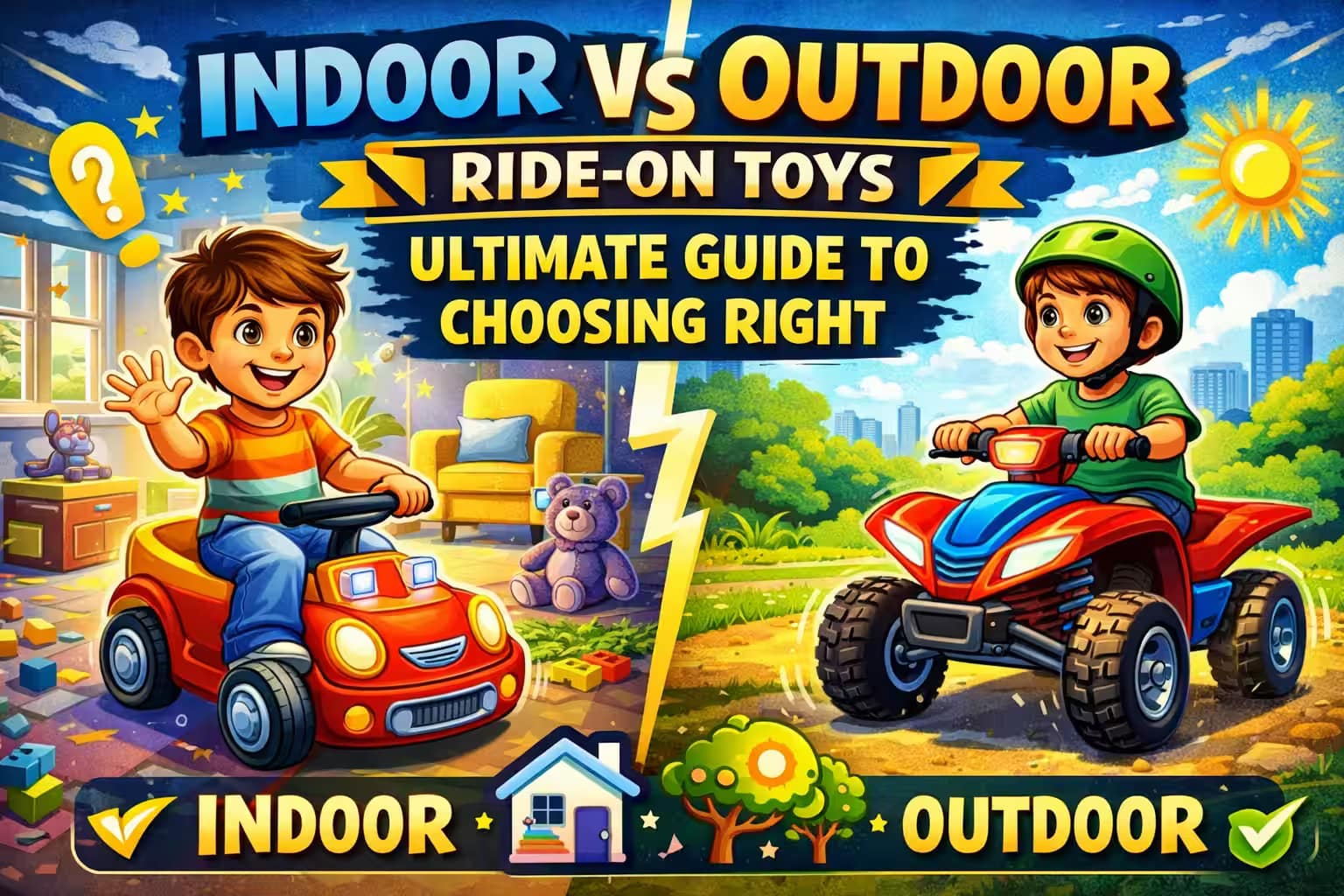
Choosing between indoor and outdoor ride-on toys can feel tricky when you want the best for your child’s fun and development. You might be wondering: which option keeps your little one engaged longer?
Which one fits better in your space? And how can you make sure the toy offers both safety and excitement? You’ll discover the key differences between indoor and outdoor ride-on toys, helping you make a smart choice that suits your child’s needs and your lifestyle.
Keep reading to find out how to pick the perfect ride-on toy that sparks creativity, encourages active play, and brings joy to your home—whether inside or outside.

Credit: metalian.ch
Indoor Ride-on Toys
Indoor ride-on toys offer a fun way for children to stay active inside the home. These toys are designed to be used on flat, smooth surfaces like floors and carpets. They come in various styles and sizes, making them suitable for different age groups. Indoor ride-ons help kids develop motor skills and coordination while keeping them entertained safely indoors.
Popular Types
Common indoor ride-on toys include push cars, scooters, and rocking horses. Battery-operated cars are also popular, providing powered movement for added excitement. Some toys feature interactive elements like buttons and sounds to engage children further. Compact designs make these toys easy to use in smaller spaces.
Benefits For Kids
Indoor ride-on toys promote physical activity and improve balance. They encourage imaginative play and social interaction with family members. These toys boost confidence as children learn to control their movements. Using ride-ons indoors allows kids to play regardless of weather conditions.
Safety Considerations
Choose ride-on toys with smooth edges and sturdy construction. Ensure the toy matches the child’s age and weight limits. Supervise playtime to prevent accidents and collisions. Use soft mats or carpets to cushion any falls. Remove obstacles from the play area to create a safe environment.
Space Requirements
Indoor ride-on toys need clear, open spaces to move freely. Hallways, living rooms, or playrooms work well for these toys. Keep the area tidy to avoid tripping hazards. Measure the space before buying to ensure the toy fits comfortably. Small ride-ons suit tighter spaces better than larger models.

Credit: us.amazon.com
Outdoor Ride-on Toys
Outdoor ride-on toys bring excitement and adventure to children’s playtime. These toys encourage kids to explore fresh air and open spaces. They offer a chance to enjoy physical activity while having fun. Parents often choose outdoor ride-ons to combine play with exercise and nature.
Common Models
Popular outdoor ride-on toys include pedal cars, scooters, and battery-powered vehicles. Some models resemble real cars, trucks, or motorcycles. Others are simple push or balance bikes. These toys come in various sizes to suit toddlers and older children alike.
Physical Development Benefits
Riding outdoor toys helps children build strength and coordination. It improves balance and motor skills through active play. Kids develop better spatial awareness while navigating different surfaces. Outdoor ride-ons promote healthy exercise habits from an early age.
Durability And Weather Resistance
Outdoor ride-on toys are made with strong, weatherproof materials. Plastic and metal parts resist sun, rain, and dirt. Tires are designed to handle rough surfaces like grass and gravel. This durability ensures toys last longer despite outdoor use.
Suitable Outdoor Spaces
Ideal places for outdoor ride-ons include driveways, sidewalks, and parks. Large yards with flat areas offer safe riding environments. Open spaces reduce the risk of collisions or injuries. Some ride-ons perform well on uneven terrains, expanding play options.
Key Differences
Ride-on toys bring joy and active play to children. Choosing between indoor and outdoor ride-on toys depends on various factors. Understanding their key differences helps parents pick the right option. These differences include where they are used, their material, upkeep needs, and the child’s age and skills.
Usage Environment
Indoor ride-on toys are designed for smooth, flat surfaces like floors and carpets. They are smaller and quieter to avoid noise inside the house. Outdoor ride-on toys handle rougher surfaces like grass, pavement, or dirt. They are larger and built for open spaces, giving more room to move freely.
Material And Build
Indoor ride-on toys often use lightweight plastic to protect floors and reduce noise. They have smaller wheels and simpler designs for safe indoor use. Outdoor ride-on toys are made with stronger materials like metal and durable plastic. They have bigger wheels and sturdy frames to endure weather and rough play.
Maintenance Needs
Indoor ride-on toys need less maintenance since they stay clean and dry. Wiping them with a cloth keeps them ready to use. Outdoor ride-on toys require more care due to exposure to dirt and weather. They need regular cleaning and checking for wear or rust to stay safe.
Age And Skill Levels
Indoor ride-on toys suit younger children with basic motor skills. They are easy to steer and control in small spaces. Outdoor ride-on toys fit older kids who enjoy faster speeds and more challenging terrain. They help build balance and coordination with more complex controls.

Credit: kidscarsales.com.au
Choosing The Right Toy
Choosing the right ride-on toy requires careful thought. The perfect toy matches the child’s needs and the play environment. It should also fit your budget and keep safety in mind. Consider these key factors to find the best indoor or outdoor ride-on toy.
Child’s Age And Interests
Age matters for ride-on toys. Younger children need simple, slow models with easy controls. Older kids can handle faster, more complex toys. Interests shape the type of ride-on toy. Some kids like cars, others prefer animals or bikes. Pick a toy that sparks their excitement and fits their abilities.
Available Space
Space limits the choice of ride-on toys. Indoor toys should be small and quiet to avoid damage. Outdoor toys can be bigger and faster, designed for open areas. Measure your available space before buying. This helps prevent problems and keeps play safe and fun.
Safety Features
Safety is a top priority for ride-on toys. Look for sturdy construction and stable design. Check for seat belts, speed limits, and smooth edges. Make sure the toy meets safety standards. Proper safety features protect children and give parents peace of mind.
Budget Considerations
Budget affects the type of toy you can buy. Indoor ride-ons often cost less than outdoor ones. Decide how much you want to spend before shopping. Quality matters more than price. Choose a durable toy that lasts and offers good value for money.
Toy Rotation Benefits
Rotating ride-on toys brings many benefits for both indoor and outdoor play. It helps keep the play area neat and keeps children interested in their toys longer. Switching toys regularly encourages children to use their imagination more. It also makes cleaning up simpler and faster.
Reducing Clutter
Keeping fewer toys out at once means less mess. Children do not feel overwhelmed by too many choices. It creates more space for safe play. Storing some toys away keeps the room tidy and organized. Fewer toys in sight also help parents manage the play area better.
Enhancing Engagement
Rotating toys keeps children curious and excited. They focus more on the toys available. Playing with fewer toys helps kids explore deeper. This leads to longer and more meaningful play sessions. Toys feel new again after being stored for a while.
Encouraging Creativity
Limited toys push children to imagine new ways to play. They combine toys and invent stories or games. Rotation stops boredom and sparks creative thinking. Children learn to use their minds rather than just the toys. This builds problem-solving and imaginative skills.
Simplifying Cleanup
A smaller number of toys makes tidying faster. Children find it easier to put toys away. Parents spend less time managing the play space. Cleanup becomes a simple part of playtime. This routine helps teach responsibility and order.
Tips For Parents
Choosing between indoor and outdoor ride-on toys can be tricky for parents. Making the right choice helps children enjoy playtime safely. Parents can guide this process with simple strategies. These tips ensure kids have fun while learning and staying active.
Involving Kids In Selection
Let your child join in choosing their ride-on toy. Ask about their favorite colors and styles. This builds excitement and gives them a sense of control. Explain how different toys work indoors and outdoors. It helps them understand where each toy is best used.
Balancing Quality And Quantity
Focus on getting a few good quality toys instead of many cheap ones. Durable toys last longer and offer better safety. Choose toys that encourage creativity and physical activity. Avoid clutter that can overwhelm your child and your home.
Monitoring Toy Usage
Keep an eye on how your child uses their ride-on toys. Make sure they play in safe areas suitable for the toy. Set clear rules for indoor and outdoor use. Check toys regularly for any damage or wear to prevent accidents.
Regularly Rotating Toys
Store some toys out of sight and swap them with others after some time. This keeps playtime fresh and exciting. Rotating toys helps children focus on fewer items. It also reduces mess and teaches kids to appreciate their toys more.
Frequently Asked Questions
What Is The 20 Toy Rule?
The 20 toy rule limits children to about 20 toys at a time. It reduces clutter, boosts focus, and encourages creativity through rotation.
What Is The 10 Toy Rule?
The 10 toy rule limits children to ten toys at a time, promoting focus, creativity, and less clutter. Rotate toys regularly to keep play fresh and engaging.
Is It Normal For A 2 Year Old To Line Up Cars?
Yes, it is normal for a 2-year-old to line up cars. This behavior shows focus, organization, and developing motor skills. It often reflects early pattern recognition and imaginative play.
What Age Is The 24v Ride-on Toys For?
24V ride-on toys suit children aged 5 to 10 years. They offer suitable power and safety for this age group.
What Are The Main Differences Between Indoor And Outdoor Ride-on Toys?
Indoor ride-on toys are smaller, quieter, and safe for limited spaces. Outdoor ones are larger, more durable, and built for rough surfaces.
Which Ride-on Toys Are Safer For Young Children?
Indoor ride-on toys often have softer edges and lower speeds, making them safer for toddlers. Outdoor toys may require supervision due to rough terrain.
How Do Ride-on Toys Benefit A Child’s Development?
They improve motor skills, balance, and coordination. Both indoor and outdoor toys encourage imaginative play and physical activity.
Can Ride-on Toys Be Used Both Indoors And Outdoors?
Some ride-on toys are versatile enough for both, but most are designed specifically for one setting due to size and material.
What Materials Are Common For Outdoor Ride-on Toys?
Outdoor ride-on toys usually use sturdy plastic or metal to handle weather and rough use. Indoor toys use lighter, softer materials.
How Much Space Is Needed For Indoor Ride-on Toys?
Indoor ride-on toys need enough room to move safely without bumping furniture. Usually, a clear area of a few feet is enough.
Conclusion
Choosing between indoor and outdoor ride-on toys depends on your child’s needs and space. Indoor toys suit smaller areas and rainy days. Outdoor toys offer more room for active play and fresh air. Both types help develop coordination and creativity.
Think about safety, weather, and available space before deciding. Remember, balancing playtime inside and outside keeps children happy and healthy. Let kids enjoy the fun and learning that ride-on toys provide, wherever they are.
Add a Comment