
 Cart is empty
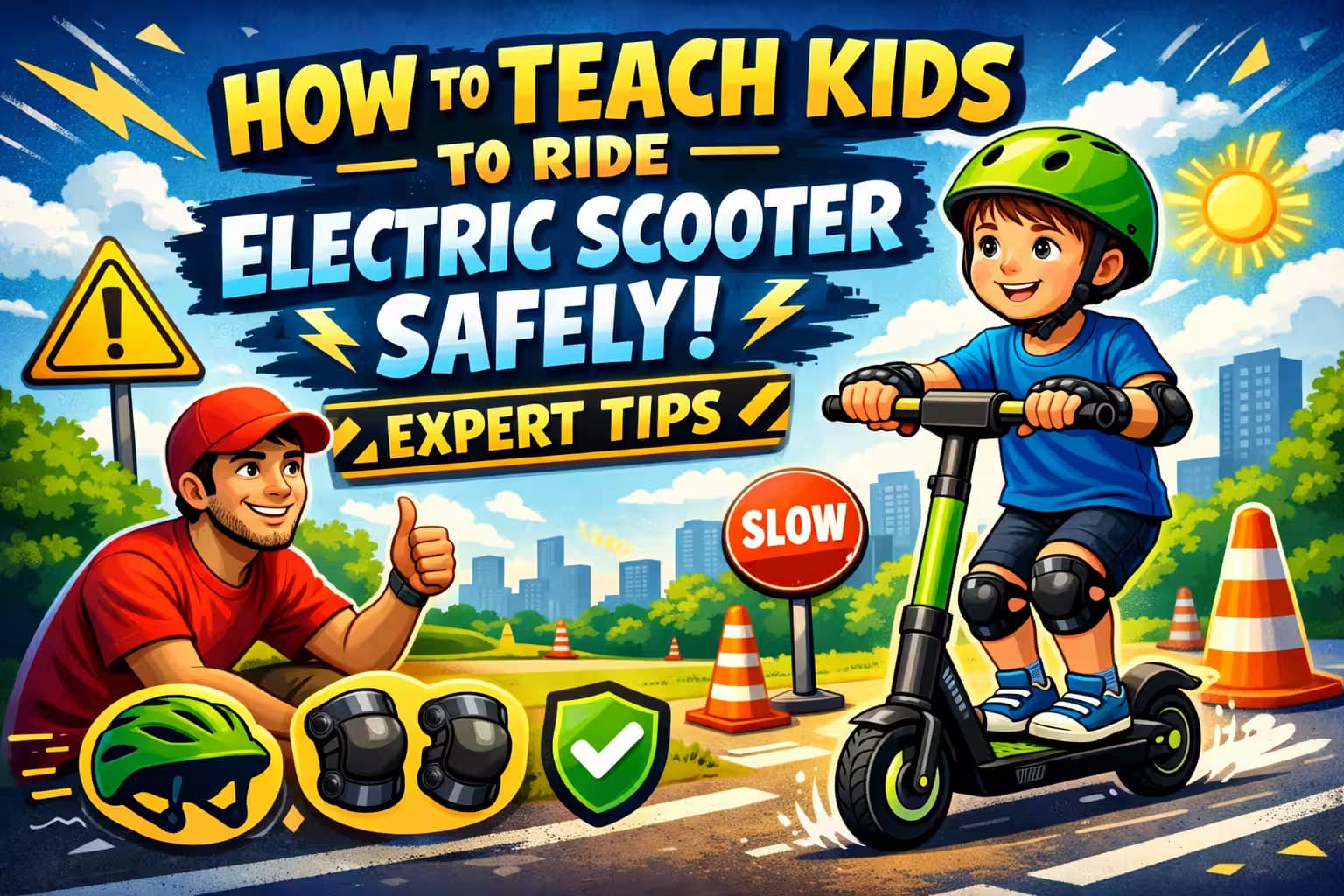
If you want your child to enjoy the fun of riding an electric scooter without worries, teaching them how to do it safely is a must. You might wonder where to start or how to make sure they stay protected while learning.
In this guide, you’ll discover simple, practical steps to help your kid build confidence and ride safely. From choosing the right gear to understanding local rules and practicing key skills, you’ll find everything you need to keep your child safe and happy on their electric scooter.
Keep reading, because your child’s safety and enjoyment depend on it.
Age And Readiness
Teaching kids to ride electric scooters safely starts with understanding their age and readiness. Age alone does not guarantee a child is ready to ride. Readiness depends on physical ability, coordination, and understanding safety rules. Parents must evaluate these factors carefully before allowing scooter rides. Proper timing helps prevent accidents and builds confidence.
Minimum Age Requirements
Most manufacturers recommend children be at least 8 years old to ride electric scooters. This age aligns with basic motor skills and balance development. Younger kids may struggle with controlling speed and steering. Some scooters have specific age limits printed in their manuals. Following these guidelines ensures safer riding experiences for children.
Assessing Maturity And Skills
Beyond age, assess your child’s maturity level. Can they follow safety instructions consistently? Do they understand traffic signals and basic road safety? Observe their coordination and balance on a non-motorized scooter or bike first. Confidence in these areas indicates readiness for an electric scooter. Patience is key; children develop skills at different rates.
Local Laws And Regulations
Check local laws before your child rides an electric scooter. Age restrictions vary by city and state. Some places require helmets or limit where scooters can be ridden. Fines or penalties may apply for breaking rules. Staying informed protects your child and others on the road. Visit official websites or contact local authorities for accurate information.
Choosing The Right Scooter
Choosing the right electric scooter is key to safe riding for kids. The right scooter fits their size and skill level. It also helps build confidence and control. Select a scooter that matches your child’s age and height. This makes learning easier and safer. Consider features designed for children to protect them during rides.
Size And Weight Considerations
Choose a scooter that suits your child’s height and weight. The deck should be wide enough for stable footing. Check the scooter’s maximum weight limit. A too-heavy scooter is hard to control. A too-light scooter may feel unstable. The scooter’s handlebar height should adjust to the child’s height. This helps maintain balance and control.
Speed Limits And Controls
Select scooters with speed limits suitable for kids. Lower speeds reduce the risk of injury. Look for scooters with easy-to-use brakes. Controls should be simple and responsive. Some scooters have speed limiters or beginner modes. These features keep speed safe while kids learn. Teach children to use brakes gently to avoid falls.
Kid-friendly Features
Choose scooters with safety features made for kids. Non-slip decks prevent feet from slipping. Bright colors or lights improve visibility. Some scooters have shock absorbers for a smoother ride. Safety certifications show the scooter meets quality standards. Look for scooters with rounded edges and secure wiring. These details keep kids safe during rides.
Safety Gear Essentials
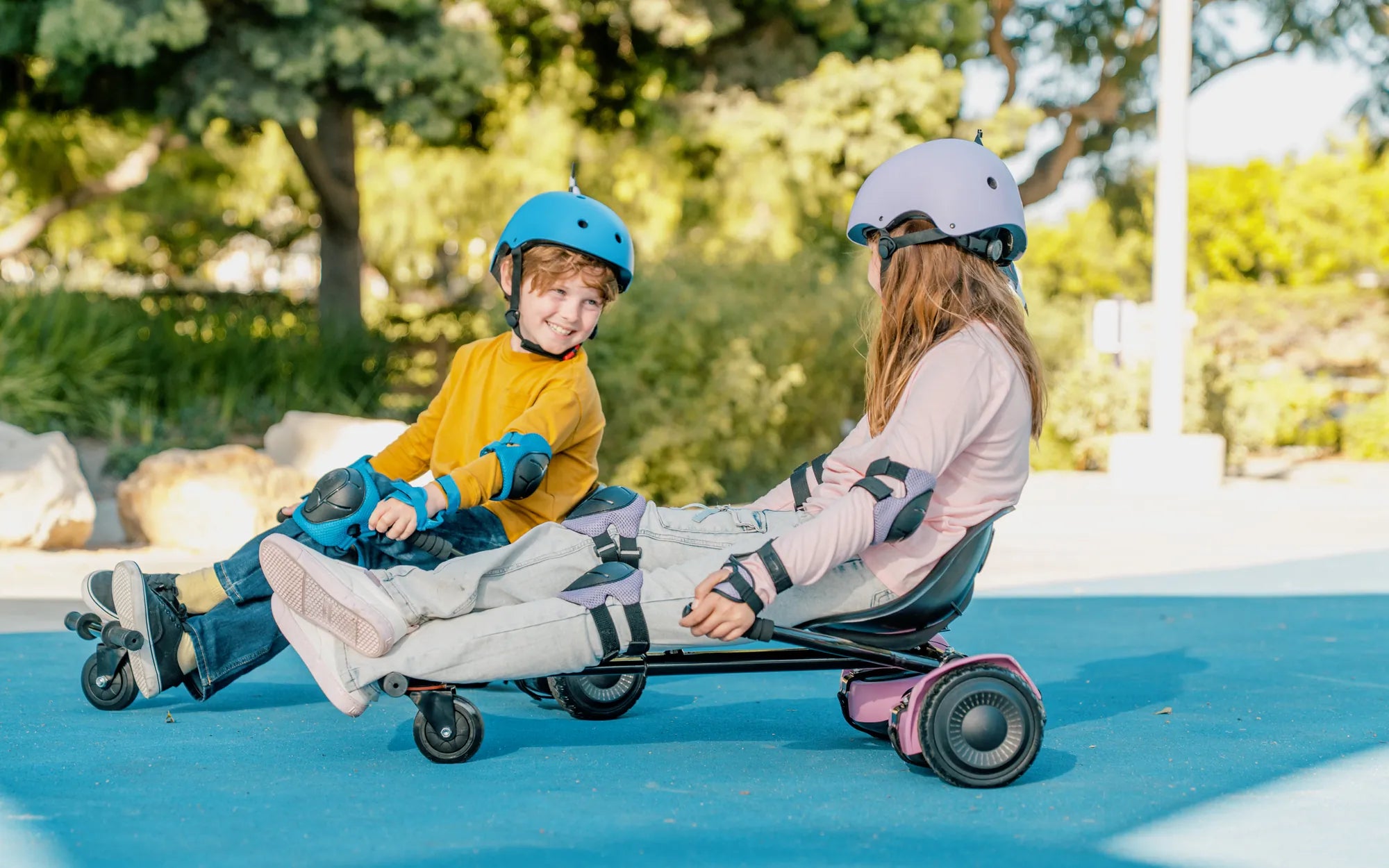
Teaching kids to ride electric scooters safely starts with proper safety gear. Protective equipment lowers the risk of injury. Kids feel more confident when they wear the right gear. Make sure every ride includes essential safety items. Focus on helmet, pads, gloves, and visibility tools. These basics keep young riders secure and visible.
Helmet Selection And Fit
Choose a helmet designed for scooters or bikes. Check for safety certifications like CPSC or ASTM. The helmet must fit snugly without being too tight. Adjust straps so the helmet stays in place. Position the helmet level on the head, not tilted back. Replace helmets after any crash or impact.
Protective Pads And Gloves
Use knee and elbow pads to protect joints from falls. Select pads with soft padding and durable outer shells. Gloves improve grip and shield hands from scrapes. Look for gloves with reinforced palms and breathable fabric. Teach kids to always wear these pads before riding. This gear helps reduce cuts and bruises.
Visibility Enhancements
Add bright or reflective clothing to increase visibility. Attach reflective stickers or lights to the scooter. Use LED lights on helmets or backpacks for evening rides. Bright colors make kids easier to see in low light. Teach children to ride in well-lit areas whenever possible. Visibility helps drivers and pedestrians notice young riders quickly.
Safe Riding Locations
Choosing the right place for your child to ride an electric scooter is key. Safe riding locations help build confidence and reduce risks. Start with areas that keep your child away from dangers like traffic and rough surfaces.
Flat, Open Spaces
Pick flat areas without hills or slopes. Open spaces give kids room to practice turns and stops. Parks, empty parking lots, and quiet playgrounds are good choices. These spots let kids focus on riding without many obstacles.
Avoiding Traffic And Hazards
Stay away from busy streets and driveways. Cars, bikes, and pedestrians can surprise young riders. Check the area for hazards like potholes, rocks, or broken glass. These can cause falls or accidents. A clear path makes riding safer and less stressful.
Weather And Surface Conditions
Choose dry days for scooter practice. Wet or icy surfaces make wheels slip easily. Avoid gravel or uneven pavement, which can cause loss of balance. Smooth, clean sidewalks or paved trails work best. Good weather and surfaces help kids enjoy riding safely.
Step-by-step Riding Skills
Teaching kids to ride an electric scooter safely requires patience and clear steps. Breaking down the riding skills into simple parts helps children learn better. Start with the basics and build their confidence gradually. Each step focuses on a key skill needed for safe riding.
Mounting And Balance
Show your child how to place one foot on the scooter deck. Keep the other foot on the ground for support. Teach them to stand straight and look forward. Practice standing still and balancing before moving. Good balance helps prevent falls and builds confidence.
Pushing Off And Gliding
Instruct your child to push off gently with the foot on the ground. Let them glide while keeping the other foot on the deck. Encourage short pushes at first. Teach them to lift the pushing foot and balance during glides. This step improves control and comfort on the scooter.
Turning And Steering Techniques
Explain how to lean the body slightly to turn. Show how to use the handlebars to steer smoothly. Practice wide turns before trying sharp ones. Teach your child to slow down before turning. Proper turning skills prevent accidents and help navigate safely.

Building Confidence
Building confidence is the key to teaching kids how to ride an electric scooter safely. Confidence grows as children practice and feel more in control. It helps them stay calm and focused while riding. Confidence lowers the chance of accidents and makes the learning process fun.
Supervised Practice Sessions
Start with short practice sessions in a safe area. Always watch your child closely to guide and protect them. Give clear, simple instructions and praise their efforts. Supervised practice helps kids feel secure and learn the basics without fear.
Gradual Speed Increase
Let your child begin at a slow, comfortable speed. Increase speed slowly as they get better at balancing and steering. This step-by-step approach prevents overwhelm and builds trust in their skills. Slow progress means safer learning.
Handling Obstacles And Stops
Teach kids to notice and respond to obstacles ahead. Practice stopping smoothly and safely every time. Show how to slow down before turns or bumps. Learning to handle these situations builds riding confidence and reduces risks.
Rules And Awareness
Teaching kids to ride electric scooters safely requires clear rules and strong awareness. These help children understand their environment and act responsibly. Safety grows when kids follow traffic rules and respect pedestrians.
Awareness means noticing what is around and making smart choices quickly. Teaching kids to focus and avoid distractions keeps them safe on the road. Below are important points about rules and awareness every child should learn.
Traffic And Pedestrian Etiquette
Teach kids to always stop at red lights and stop signs. They should ride on bike lanes or sidewalks where allowed. Remind them to yield to pedestrians and give way at crosswalks.
Riding at a safe speed near people is important. Kids must look both ways before crossing streets. Using hand signals to turn helps others know their next move.
Situational Awareness Tips
Kids should scan their surroundings regularly. Spotting cars, bikes, and obstacles early avoids accidents. Teach them to keep a safe distance from parked cars and curbs.
Encourage kids to listen for sounds like car horns or sirens. Being alert helps them react faster to dangers. Practicing in quiet areas builds good awareness skills first.
Avoiding Distractions
Riding needs full attention. Tell kids to avoid using phones or headphones while riding. Talking or playing with friends can cause loss of focus.
Remind them to keep both hands on the scooter handles. Distractions increase the risk of falling or crashing. Safe riding means staying alert at all times.

Parental Supervision
Parental supervision plays a vital role in teaching kids to ride electric scooters safely. Adults must stay close and watch every move. This presence helps prevent accidents and builds the child’s confidence. Careful supervision also ensures that kids follow safety rules strictly.
Parents must be alert and ready to step in if needed. It creates a safer environment for kids to practice and enjoy riding their scooters. With the right guidance, children learn to respect the scooter and the surroundings. This leads to safer riding habits that last a lifetime.
Setting Boundaries
Parents should set clear and firm boundaries for scooter use. Define where kids can ride, such as driveways or parks. Avoid busy streets or crowded areas. Boundaries help children understand safe zones and keep them away from traffic. Establish rules about wearing helmets and protective gear every time. Clear limits reduce risks and build good habits.
Monitoring Riding Time
Control the length of scooter rides to prevent tiredness. Short, supervised sessions keep kids alert and focused. Long rides can lead to carelessness and accidents. Parents should watch for signs of fatigue or distraction. Set a daily limit and stick to it firmly. This keeps the experience fun and safe.
Emergency Preparedness
Parents must prepare for possible emergencies before riding. Teach kids how to stop the scooter quickly and safely. Keep a first-aid kit nearby during every ride. Explain what to do in case of a fall or crash. Show kids how to call for help if needed. Being ready reduces panic and handles incidents calmly.
Frequently Asked Questions
How Old Should A Kid Be To Ride An Electric Scooter?
Kids should be at least 8 years old to ride an electric scooter, depending on local laws and maturity. Always supervise younger riders and ensure they wear safety gear.
How Safe Are Electric Scooters For Kids?
Electric scooters can be safe for kids with proper supervision, age-appropriate models, and protective gear like helmets. Teach riding skills and follow local laws. Choose flat, traffic-free areas for practice to minimize risks. Regularly check the scooter’s condition to ensure safety during rides.
How To Teach A 5 Year Old To Ride A Scooter?
Choose a flat, safe area for practice. Show how to place one foot on the scooter and push with the other. Encourage gentle pushes and balancing by leaning to steer. Always supervise and ensure the child wears a helmet for safety.
Keep sessions short and positive.
Are Electric Scooter Accidents Common?
Electric scooter accidents occur frequently due to rider inexperience and traffic risks. Proper safety gear and training reduce accidents significantly.
Conclusion
Teaching kids to ride electric scooters safely takes patience and practice. Start with simple steps in a safe, open space. Always use proper safety gear like helmets and pads. Set clear rules about where and how fast they can ride.
Supervise younger kids closely to prevent accidents. Encourage steady progress and praise their efforts. Safety builds confidence and makes riding fun. Keep revisiting safety tips regularly to form good habits. Safe riding helps kids enjoy their scooters without harm.
Add a Comment