 Cart is empty
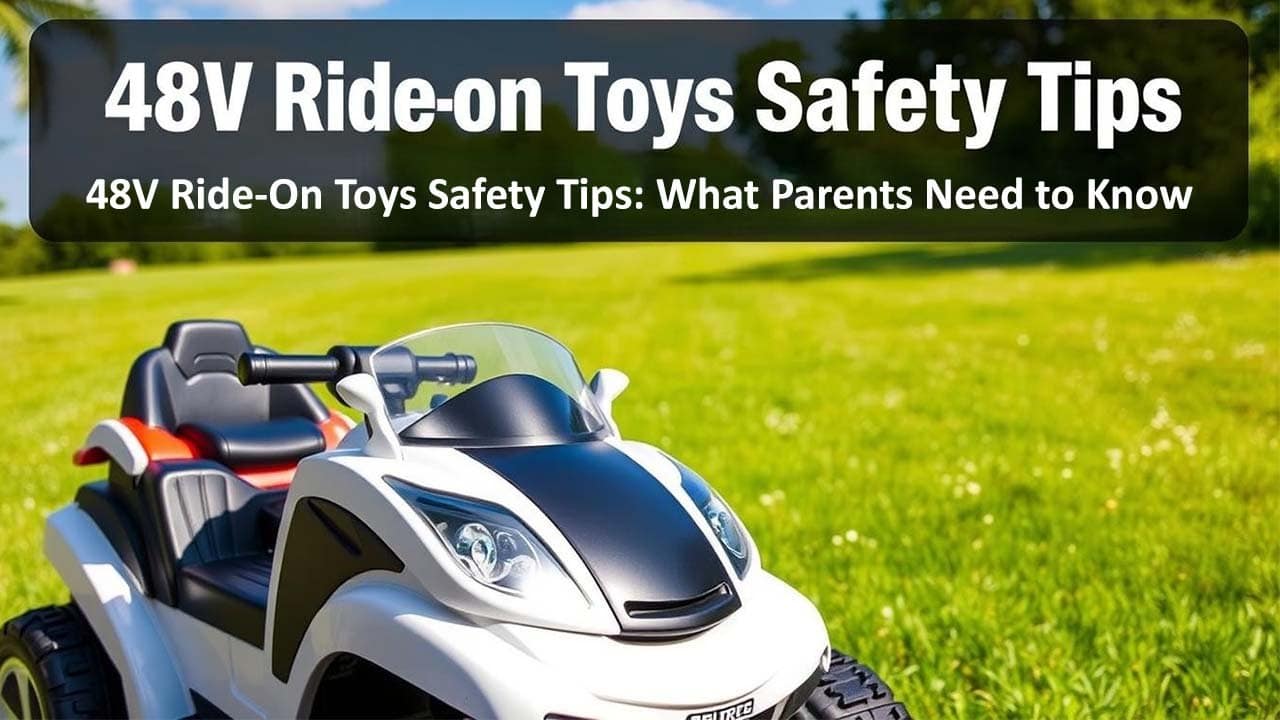
Seeing your child enjoy their electric ride on car 48v is thrilling. But, it’s also a big responsibility to keep them safe. Battery powered ride on toys can be dangerous if not used right.
The rise in 48v ride on toys has made parents worry about safety. Knowing the safety tips is key to avoiding accidents and injuries.
Key Takeaways
- Always supervise your child when they’re using 48v ride on toys.
- Ensure your child wears protective gear, such as helmets and knee pads.
- Check the toy’s battery and electrical components regularly.
- Follow the manufacturer’s instructions for usage and maintenance.
- Teach your child to follow basic safety rules, such as avoiding collisions.
Understanding 48V Ride-On Toys and Their Power
48V electric ride-on vehicles are gaining popularity. They offer a more realistic driving experience. This is thanks to their higher voltage and advanced features.
What Makes 48V Ride-On Toys Different from Lower Voltage Options
48V ride-on toys have more power and speed than lower voltage ones. 48V electric ride-on vehicles can go faster and handle tough terrains. This makes them perfect for kids who love adventure.
Experts say, “The higher voltage gives kids a more realistic driving feel. It prepares them for real-world driving.”
These toys also support more features. They have smoother acceleration and better hill-climbing. This improves the driving experience.
Performance Capabilities of 48V Electric Ride-On Vehicles
48V electric ride-on vehicles perform better than lower voltage ones. They can go from 5 to 8 mph, depending on the model and terrain. This is great for older kids or those with more driving experience.
Also, the improved torque in 48V models helps with inclines and rough terrains. This gives a more versatile driving experience.
Types of 48V Ride-On Toys Available in the Market
The world of 48V ride-on toys is vast, with many models for kids to enjoy. These toys are designed to be thrilling, safe, and durable.
48V Electric Cars and Jeeps for Kids
48V electric cars and jeeps are very popular. They give a real driving feel with features like headlights and horns. Brands like Power Wheels and Krazy Kars have models for all ages.
48V Ride-On Motorcycles and Dirt Bikes
For kids who love adventure, 48V motorcycles and dirt bikes are great. They’re built for off-road fun and are safe. They help kids improve their motor skills.
Specialty 48V Vehicles: Construction Toys and UTVs
Specialty 48V vehicles, like construction toys and UTVs, offer a unique ride. They let kids explore different roles and activities. They’re perfect for kids who love construction or UTVs.
A safety expert says, “The right ride-on toy can entertain kids for hours. It helps with coordination and confidence.” With so many options, parents can find the perfect 48V ride-on toy for their child.
Age and Weight Recommendations for High-Powered Ride-On Vehicles
Understanding the right age and weight for 48V ride-on toys is key for safety and fun. These electric vehicles are exciting for kids but need to fit their age and size well.
Manufacturers give age and weight guidelines for their 48V models. These are based on the vehicle’s design, power, and safety features.
Appropriate Age Ranges for Different 48V Models
The age range for 48V ride-on toys varies by model and features. For example, simpler models with lower speeds are good for younger kids. More advanced models with higher speeds are better for older kids.
Children should be at least 3 to 4 years old to use these toys. But, it depends on the child’s maturity and ability to follow safety rules.
Weight Limits and Why They Matter for Safety
Weight limits are very important for 48V ride-on toys. Going over the limit can make the vehicle unstable and unsafe. It’s not just about the toy’s strength; it’s also about the child’s ability to control it.
Parents should check the toy’s weight limit against their child’s weight. Making sure the toy fits the child’s weight is essential for safety.
Essential Safety Features to Look for in 48V Ride-On Toys
When choosing 48V ride-on toys, safety is key. These fun vehicles can be risky without the right safety features.
Speed Limiters and Parental Remote Controls
A speed limiter is a must. It lets parents set a top speed, lowering accident risks. Parental remote controls also add safety, allowing adults to take control quickly.
Key benefits of speed limiters and remote controls include:
- Reduced risk of high-speed accidents
- Increased parental control over the vehicle’s operation
- Enhanced safety for younger or less experienced riders
Braking Systems and Emergency Shut-Off Features
Good brakes are essential for 48V ride-on toys. They should stop the vehicle fast. Emergency shut-off features are also key, letting parents stop the vehicle instantly in emergencies.
Seat Belts and Structural Safety Elements
Seat belts are a must for keeping kids safe. The toy’s structure, including a strong frame and bodywork, also matters. It helps protect kids in impacts.
| Safety Feature | Description | Benefit |
|---|---|---|
| Speed Limiters | Cap the maximum speed of the vehicle | Reduces high-speed accident risk |
| Parental Remote Controls | Enable parents to control the vehicle | Increases parental control and safety |
| Braking Systems | Robust systems for quick stopping | Enhances stopping capability and safety |
| Seat Belts | Secure the child while riding | Prevents ejection during operation |
By focusing on these safety features, parents can make 48V ride-on toys safer. This ensures a fun and safe experience for kids.
Choosing Safe Riding Environments for 48V Electric Vehicles
Choosing the right place to ride a 48V electric vehicle is key for safety. The terrain affects the risk of accidents and injuries.
Ideal Terrain Types for Different 48V Ride-On Models
Different 48V ride-on models fit different terrains. For example, 48V electric cars and jeeps work best on flat, smooth places like driveways or sidewalks. On the other hand, 48V ride-on motorcycles and dirt bikes are made for rougher areas, like dirt tracks or trails.
| Ride-On Model | Ideal Terrain |
|---|---|
| 48V Electric Cars and Jeeps | Flat, smooth surfaces like driveways or sidewalks |
| 48V Ride-On Motorcycles and Dirt Bikes | Rugged terrains such as dirt tracks or trails |
| Specialty 48V Vehicles | Varies depending on the specific model, such as construction toys for rough terrain |
Areas to Avoid When Operating High-Powered Ride-On Toys
There are places you should not ride high-powered 48V ride-on toys. Avoid public roads because they’re not made for vehicles and can be dangerous. Also, stay away from areas with heavy foot traffic and uneven, rocky, or slippery surfaces to lower the risk of accidents.
Proper Supervision Guidelines for 48V Ride-On Toys
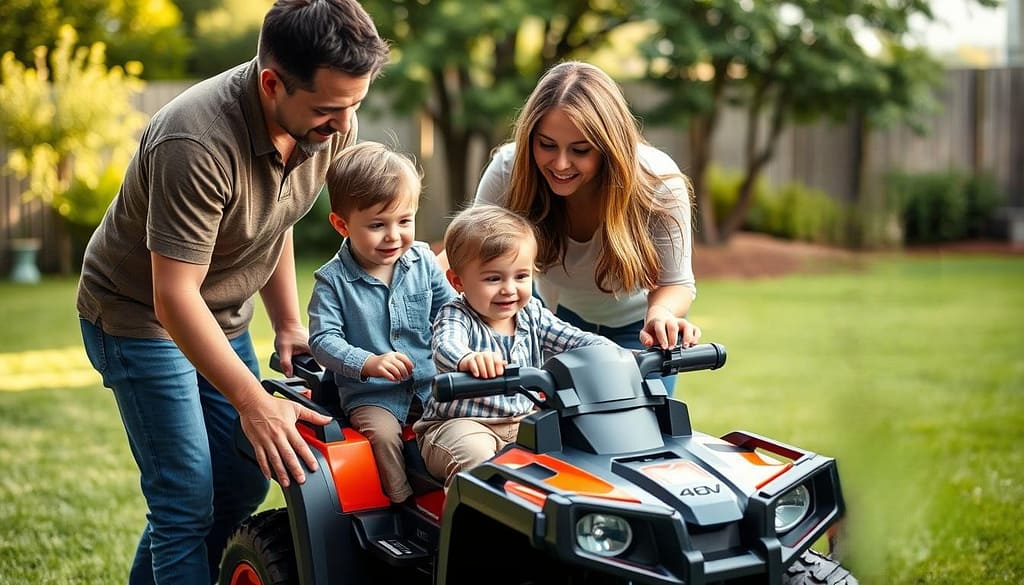
Keeping an eye on 48V ride-on toys is vital for safety. There are several ways to do this. Good supervision stops accidents and teaches kids how to use their vehicles right.
Parents must decide between direct supervision or remote monitoring. Direct supervision means being right there with the child. It lets you step in fast if needed. Remote monitoring uses controls that can slow down or stop the toy from afar.
Direct Supervision vs. Remote Monitoring Options
Direct supervision lets parents see if kids can use the toy safely. It’s a chance to guide them live. But, it’s hard when kids get older and want to be more independent. Remote monitoring is a good middle ground. It lets parents watch without being there.
| Supervision Method | Advantages | Disadvantages |
|---|---|---|
| Direct Supervision | Can step in right away, gives live advice | Needs you to be there, hard when kids grow up |
| Remote Monitoring | Flexible, keeps control | Not as good in tricky situations |
Teaching Progressive Independence with Safety in Mind
As kids get better at using their 48V ride-on toys, it’s time to give them more freedom. But, always keep safety first. Start with simple rules, practice in safe places, and then add more challenges.
By finding the right balance between supervision and giving kids more freedom, parents can help them have fun and stay safe with 48V ride-on toys.
Essential Safety Gear for 48V Ride-On Vehicle Users
Safety is key when kids use 48V ride-on vehicles. The right safety gear is very important. It helps prevent injuries when accidents happen.
Helmets and Protective Clothing Requirements
A helmet is the most important safety item. It keeps the child’s head safe in case of a fall. Make sure the helmet fits well and meets safety standards.
Wearing knee pads, elbow pads, and gloves also helps. They protect against scrapes and bruises.
Experts say helmets can cut head injury risk by up to 70%. So, it’s vital for kids to wear helmets that meet safety standards.
Visibility Enhancements for Safer Operation
Being seen is also key for safe ride-on vehicle use. Bright clothes or reflective gear helps kids be seen, even in the dark. Some vehicles come with lights to help with visibility.
| Safety Gear | Purpose | Benefits |
|---|---|---|
| Helmets | Protects head from impact | Reduces risk of head injury |
| Protective Clothing | Protects against scrapes and bruises | Provides extra protection for knees, elbows, and hands |
| Visibility Enhancements | Increases visibility to others | Makes children more visible, even in low light |
By focusing on safety gear, parents can make sure kids have fun and stay safe with 48V ride-on vehicles.
Battery Safety and Maintenance for 48V Ride-On Toys
The battery is key for 48V ride-on toys. Keeping it in good shape is important for safety and how well it works. Taking care of the battery can help avoid accidents and make the toy last longer.
Proper Charging Practices and Battery Care
It’s important to charge the battery right. Use the charger the maker says to use and don’t charge it too much. Always charge the battery in a well-ventilated area away from flammable materials. Check the battery often for damage like swelling or leaks, and fix it fast.
- Charge the battery in a well-ventilated area.
- Avoid overcharging the battery.
- Regularly inspect the battery for damage.
Warning Signs of Battery Issues and How to Address Them
Signs of battery trouble include less ride time, too much heat, or odd sounds when charging. If you see these signs, stop using the toy right away and check the battery. Often, cleaning the battery contacts or replacing the battery can fix the problem.
If the issue is more serious, look at the maker’s instructions or call their support. Keeping up with maintenance is key for safety and the best performance of the 48V ride-on toy.
Comparing 12V, 24V, and 48V Ride-On Toys: Safety Considerations
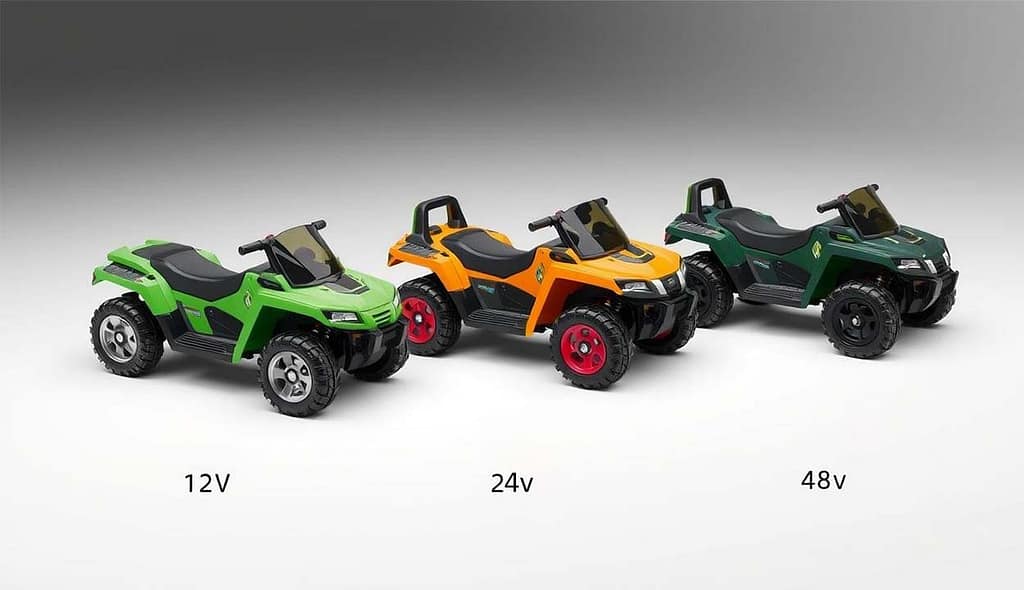
It’s important to know the differences between 12V, 24V, and 48V ride-on toys. This helps you choose one that’s both fun and safe. The voltage affects how powerful and fast the toy can go. This, in turn, decides if it’s right for kids of different ages and skill levels.
Power and Performance Differences Between Voltage Options
Ride-on toys vary in voltage, each with its own strengths. 12V ride-on toys are best for the youngest kids, giving them a gentle ride. On the other hand, 24V and 48V ride-on toys are faster and more powerful. They’re better for older kids who have more experience.
| Voltage | Speed | Suitable Age | Experience Level |
|---|---|---|---|
| 12V | 2-4 mph | 3-6 years | Beginner |
| 24V | 4-8 mph | 6-10 years | Intermediate |
| 48V | 8-12 mph | 10+ years | Advanced |
Matching Voltage to Your Child’s Age and Experience Level
Choosing the right ride-on toy is all about matching the voltage to your child’s age and skill. Parents should think about their child’s maturity, ability to listen, and experience with these toys. For example, a 48V toy might be too fast for a young or new rider. But a 12V toy might be too slow for an older kid.
Common Accidents with 48V Ride-On Toys and How to Prevent Them
48V ride-on toys are getting more popular, but they come with risks. It’s important to know about common accidents and how to avoid them. These toys are fun for kids, but we must manage the risks.
Statistics and Typical Accident Scenarios
Many accidents happen with ride-on toys. They often occur when kids lose control, crash, or fall. Common reasons include riding on rough terrain, not wearing safety gear, and using the toy too much.
- Loss of control due to excessive speed
- Collisions with objects or other vehicles
- Falls from the vehicle due to lack of safety restraints
Preventative Measures and Safety Protocols
To lower accident risks, we can take steps. Making sure kids wear helmets and knee pads is key. Also, setting speed limits and using parental controls can help a lot.
- Always supervise children when they are using ride-on toys
- Ensure that safety gear is worn at all times
- Regularly inspect the vehicle for any damage or wear
By knowing about common accidents and following safety rules, we can keep our kids safe. This way, we can enjoy the fun of 48V ride-on toys without worrying about accidents.
Legal Considerations and Insurance for 48V Ride-On Vehicle Owners
Having a 48V ride-on vehicle means you have big responsibilities. You need to know the laws to keep your kids safe and happy. It’s important to understand the legal side of things.
Understanding Local Regulations for Powered Ride-On Toys
Rules about 48V ride-on vehicles differ a lot from place to place. Some places see them as toys, while others treat them like cars. Always check with your local authorities to know the laws in your area.
Some cities have special places for these vehicles, like parks. Others might need you to wear helmets. Knowing these rules helps avoid fines and keeps your child safe.
- Check local laws regarding the use of 48V ride-on vehicles.
- Understand any age restrictions or requirements for safety gear.
- Familiarize yourself with designated riding areas.
Liability Concerns and Insurance Options
Liability is a big worry for 48V ride-on vehicle owners. If your child has an accident, you might be responsible. Looking into insurance can give you peace of mind.
Some insurance companies have policies for these vehicles. It’s important to look at your insurance options to find the right one for you.
- Review your current insurance policies to see if they cover 48V ride-on vehicles.
- Research standalone insurance policies for ride-on vehicles.
- Consult with an insurance professional to determine the best coverage.
Knowing the laws and insurance choices helps make sure your child has fun and stays safe with their 48V ride-on vehicle.
Conclusion: Balancing Fun and Safety with 48V Ride-On Toys
Parents face a big challenge when it comes to 48V ride-on toys. These toys are fun for kids but need careful safety checks. It’s all about finding the right balance.
Knowing the different types of 48V ride-on toys is key. Following age and weight guidelines helps a lot. Also, making sure these toys have the right safety features is important.
Choosing safe places for kids to ride is another must. Keeping an eye on them and making sure they wear the right gear is also essential. This way, kids can have fun without risking their safety.
Following safety tips is a big part of keeping kids safe. This includes taking care of the batteries and knowing the local laws. By doing these things, parents can make sure their kids have a great time with 48V ride-on toys. It’s all about being responsible and keeping safety in mind.
FAQ
What is the recommended age range for 48V ride-on toys?
The age range for 48V ride-on toys depends on the model. But, they are best for kids aged 6 and up. This is if they can follow safety rules well.
How do I choose the right 48V ride-on toy for my child?
Think about your child’s age, weight, and skill level. Look for toys with safety features like speed limits and remote controls. Make sure the toy fits your child’s abilities and follow the maker’s advice.
What safety gear is essential for 48V ride-on vehicle users?
Kids need a helmet, knee and elbow pads, and clothes that help them be seen. This is important, more so in the dark.
How do I maintain the battery of my child’s 48V ride-on toy?
Charge the battery in a cool, well-ventilated spot. Don’t overcharge it. Keep it away from very hot or cold places. Check the battery often for damage.
Can I use a 12V or 24V battery in a 48V ride-on toy?
No, using a lower voltage battery in a 48V toy is not good. It might not work well or could damage the toy’s electrical parts.
What are the benefits of a 48V ride-on toy compared to lower voltage options?
48V toys have more power. They can go faster and work better on different surfaces. They’re great for older kids or those with more experience.
Are there any specific regulations or laws governing the use of 48V ride-on toys?
Laws about 48V toys vary by place. Always check local rules about using these toys. Some places have special rules or need certain safety features.
How can I ensure my child’s safety while using a 48V ride-on toy?
Make sure your child wears the right safety gear. Watch them when they use the toy. Teach them safe riding habits and follow the maker’s safety tips.
What should I do if my child experiences an accident while using a 48V ride-on toy?
If your child has an accident, help them right away. Check for injuries and get medical help if needed. Look into why it happened and how to avoid it next time.