
 Cart is empty
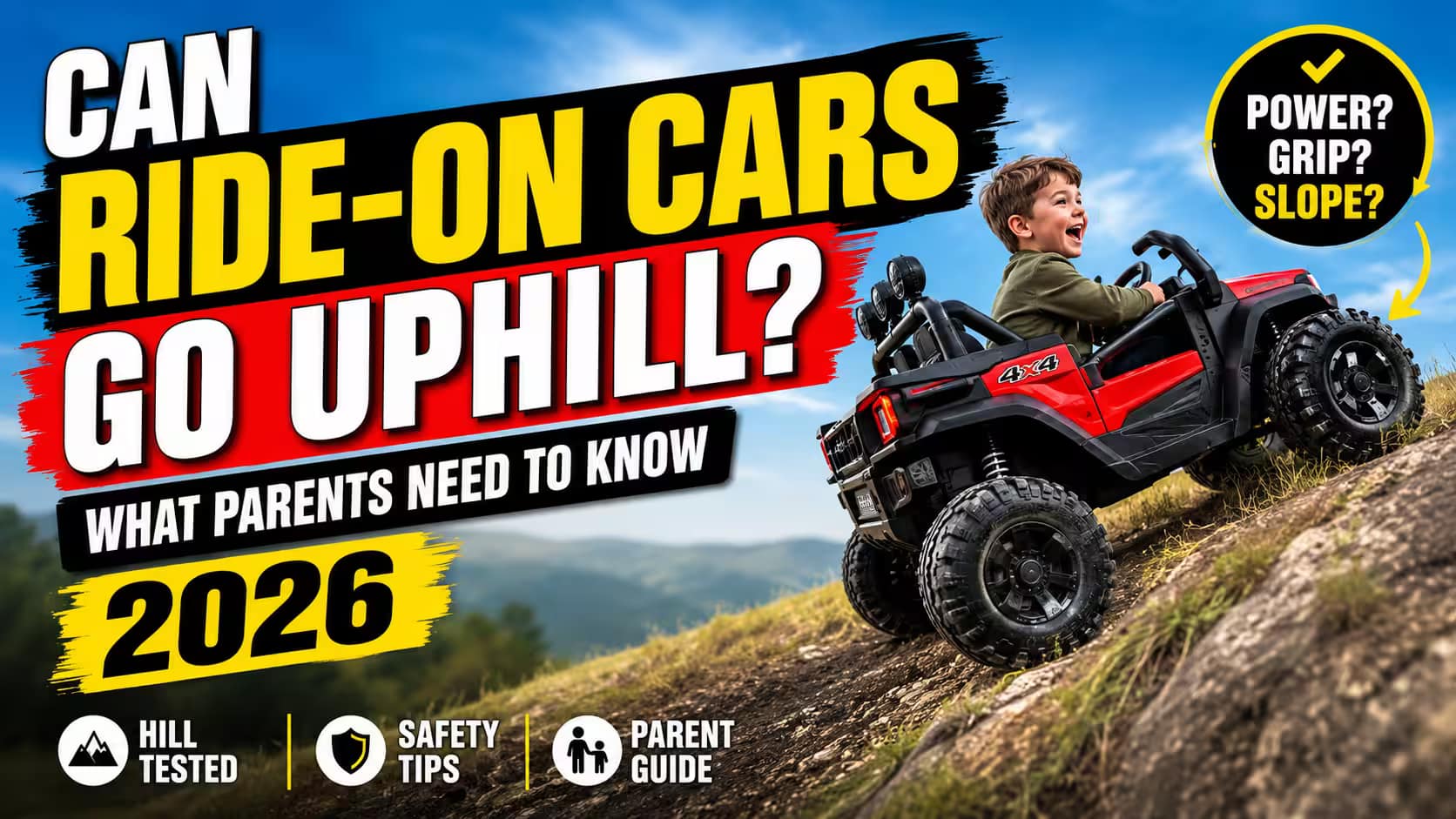
Many parents and kids love the excitement of ride-on cars. These small vehicles can look like sports cars, trucks, or even construction machines. They are fun and help kids learn about driving, balance, and coordination. But one question parents often ask is: Can ride-on cars go uphill? This is a practical concern, especially if your home, park, or driveway has slopes or uneven ground. No one wants a toy that gets stuck halfway up a small hill or, worse, rolls back and causes frustration or danger.
In this article, you’ll get a clear, full answer to this question. We’ll explore how ride-on cars work, what affects their ability to climb, the different types of ride-on cars, and how slopes impact performance. You’ll find real examples, data, and tips for choosing a model that fits your needs.
We’ll also touch on safety, maintenance, and common mistakes that many buyers make. By the end, you’ll have all the information you need to make a confident decision and avoid disappointment.
How Ride-on Cars Move
To understand if a ride-on car can go uphill, it helps to know how these toys work. Ride-on cars are powered by small electric motors. These motors use batteries, usually 6V, 12V, or 24V. The battery sends power to the motor, which turns the wheels.
Some ride-on cars are simple—just a single motor for all the wheels. Others, especially bigger models, have one motor for each rear wheel. This gives more power and better control, especially on rough ground.
The way the power gets to the wheels matters. Cheaper cars often have plastic gears, which can break if you push them too hard. Higher-quality cars use metal gears, which last longer and handle slopes better.
The weight of the child, the type of surface (grass, concrete, gravel), and the steepness of the hill all affect performance. Even the weather (wet grass is slippery!) Can change how well a car climbs.
Types Of Ride-on Cars And Their Climbing Power
Not all ride-on cars are the same. Here’s how different types compare when it comes to going uphill:
Battery Voltage
- 6V ride-on cars: These are for young kids (usually ages 2–4). They move slowly and are best for flat, smooth surfaces. Most cannot climb hills.
- 12V ride-on cars: The most common type. They can handle small slopes (usually up to 10% grade) and short grass. Good for driveways and small yards.
- 24V ride-on cars: These are powerful models, often for older kids or two riders. They can climb steeper slopes (up to 15% or sometimes 20%), depending on weight and surface.
Motor Power And Number
- Single-motor models: Less power, usually struggle on hills.
- Dual-motor models: Each back wheel has its own motor. They handle slopes better and rarely get stuck.
- Four-motor (4WD) models: All wheels have motors. These climb best and are made for rough or hilly terrain.
Car Size And Weight
Larger cars may have more power, but they are heavier. If a car is too heavy for the motor, it will not climb well. Always check the manufacturer’s recommended weight limit and compare it to your child’s size.
Wheel Material
- Plastic wheels: Cheap and common but slip easily on grass, gravel, or wet ground.
- Rubber wheels: Provide better grip and traction, especially on slopes.
- EVA foam wheels: Soft, quiet, and good for both indoor and outdoor use. Some models have real air-filled tires for maximum grip.
Example: Real-world Climbing Performance
Let’s compare three popular ride-on cars for their hill-climbing ability:
| Model | Voltage | Drive System | Max Slope (Approx.) | Wheel Type |
|---|---|---|---|---|
| Power Wheels Jeep Wrangler | 12V | 2WD | 10% | Plastic |
| Peg Perego Polaris RZR | 24V | 2WD | 17% | Rubber |
| Best Choice Products 4WD Truck | 12V | 4WD | 15% | EVA Foam |
As you see, more voltage, better wheels, and 4WD help a lot with climbing.
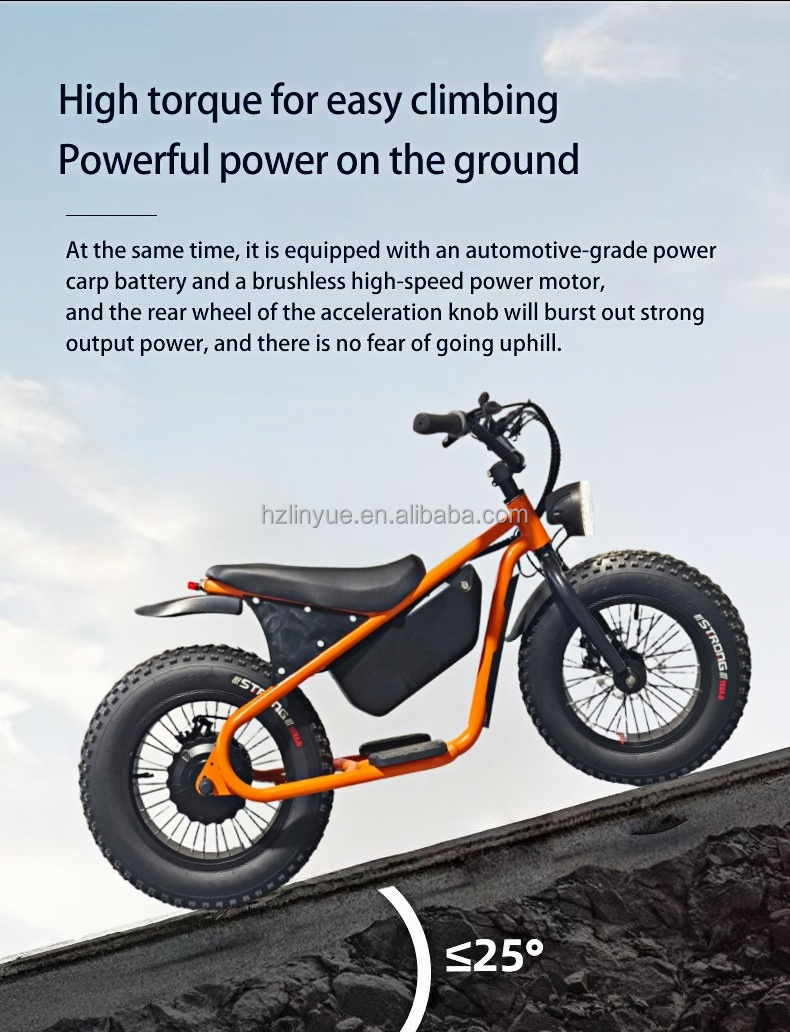
What Limits Ride-on Cars On Hills?
Even the best ride-on car has limits when climbing slopes. Here are the main reasons:
- Motor Power: Small motors can only push so much weight. If the hill is too steep, the motor may stall or overheat.
- Traction: If the wheels slip, the car cannot climb. Wet grass, loose gravel, or mud make climbing harder.
- Weight: Heavier kids (or two riders) need more power to go uphill. Too much weight can drain the battery and stress the motor.
- Battery Life: Climbing uses more battery than flat driving. If you climb often, the battery will run down faster.
- Heat Build-Up: Motors can overheat if they work too hard, especially on long hills. Some cars have safety cutoffs that stop the car if it gets too hot.
How Steep Is Too Steep?
Manufacturers often list the maximum slope a ride-on car can handle in degrees or percent. But what does that mean?
- A 10% slope means the ground rises 10 units for every 100 units forward (about 5.7 degrees).
- A 15% slope is steeper (about 8.5 degrees).
- Most home driveways are less than 10%. But some parks and yards can be more.
If your yard has a steep hill, measure it before buying. Most ride-on cars are not meant for very steep slopes. For safety, it’s best to keep to gentle slopes (under 15%).
Real-world Example: Climbing A Slope
Let’s say you have a 12V ride-on car with a 50 kg weight limit. Your child weighs 20 kg. The backyard has a small hill (10% slope), covered with grass.
- On dry grass, the car will probably climb slowly but make it up.
- If the grass is wet, the wheels may spin and slip.
- If the hill is longer than 10 meters, the car might slow down or the battery will drain faster.
If you have a 24V model with rubber wheels, the car will climb faster and handle wet grass better.
Factors That Affect Climbing Performance
Let’s look deeper at the main factors:
1. Battery Voltage And Condition
A fully charged battery gives the most power. If the battery is old, weak, or not fully charged, the car will struggle on hills. Always start with a full battery and check it often.
2. Motor Quality
Not all motors are the same. Some brands use stronger, longer-lasting motors. Others use cheap motors that slow down or break after a few climbs. It’s better to pay a bit more for quality.
3. Weight Distribution
If most of the weight is over the back wheels (where the motor is), the car climbs better. If the car is unbalanced, one wheel may lose grip and spin.
4. Surface Type
Smooth pavement is easiest for ride-on cars. Grass, gravel, sand, or dirt slow the car down and make climbing harder. Wet or muddy surfaces are the hardest.
5. Wheel Material And Size
Bigger wheels roll over bumps and holes better. Rubber tires grip better than plastic. Some high-end models have suspension systems to keep the wheels on the ground for more grip.
6. Rider Weight
If your child is close to the car’s weight limit, it will climb slower and may stop on big hills. Always check the maximum load before buying.

Safety Issues: Climbing Hills With Ride-on Cars
Safety is very important. Climbing a hill in a ride-on car is not the same as on a bike or scooter. Here are some key points:
- Risk of Rolling Back: If the car stops on a hill, it can roll backward. This is dangerous, especially if there are obstacles or other kids behind.
- Tip-Over Risk: Steep hills can make the car tip over. This is more likely with three-wheelers or tall cars with a high center of gravity.
- Brake Power: Most ride-on cars use an electronic brake. When your child lets go of the pedal, the car stops. But on a slope, this may not be enough, and the car can still roll.
- Remote Control Override: Many models have a parent remote. This lets you stop the car if your child is in trouble. Always use this feature on hills.
Improving Hill Climbing For Your Ride-on Car
Maybe you already have a car, and it struggles with hills. Here are practical ways to help:
1. Upgrade The Battery
If your car uses a 6V or 12V battery, check if you can upgrade to a higher voltage (only if the motor and electronics can handle it). A bigger battery gives more power and longer run time.
2. Switch To Better Wheels
If your car has plastic wheels, consider buying rubber or EVA foam wheels. These give more grip on grass and slopes. Some online stores sell upgrade kits.
3. Reduce Weight
Remove any extra items from the car. Only one child should ride at a time, especially on hills.
4. Use The Right Gear
Some ride-on cars have a “high” and “low” speed. Use low speed for climbing. It gives more torque (force) to the wheels.
5. Keep The Battery Fully Charged
A weak battery gives less power. Charge after each use, and replace old batteries.
6. Drive On Dry Ground
Wet grass and mud make climbing much harder. Try to use the car when the ground is dry.
7. Supervise Closely
Always watch your child on hills. Stand behind the car, not in front. Be ready to help if the car stops or rolls back.
Ride-on Cars Vs. Other Kids’ Vehicles On Hills
How do ride-on cars compare to pedal cars, scooters, or bikes on hills? Here’s a quick look:
| Vehicle Type | Hill Climbing Ability | Power Source | Control |
|---|---|---|---|
| Ride-On Car (Electric) | Fair (depends on model) | Battery | Low–Medium |
| Pedal Car | Good (strong kids only) | Leg Power | High |
| Bicycle | Very Good | Leg Power | High |
| Scooter (Manual) | Poor | Leg Power | Medium |
| Scooter (Electric) | Good (more powerful motors) | Battery | Medium |
Ride-on cars are fun but not built for big hills. Bikes and pedal cars give more control and power, but require more skill and strength.
Choosing A Ride-on Car For Hilly Yards
If you know your child will drive on slopes, pick your ride-on car carefully. Here’s what matters:
1. Choose Higher Voltage
A 24V model is much better for hills than a 6V or 12V. It gives more power and speed.
2. Pick 4wd (all-wheel Drive)
If you can, get a 4WD ride-on car. Each wheel gets power, so the car rarely gets stuck.
3. Check Wheel Quality
Look for rubber or EVA foam wheels. Avoid all-plastic wheels unless you only drive on smooth pavement.
4. Weight Limit
Pick a car with a weight limit at least 20% higher than your child’s weight. This gives the motor extra power for climbing.
5. Suspension
Some models have shock absorbers. This keeps the wheels on the ground for better grip on bumps and hills.
6. Remote Control Feature
For young kids, a parent remote adds safety on hills. You can stop or steer the car if needed.
7. Real User Reviews
Check online reviews for comments about hill climbing. Look for real-world feedback, not just the manufacturer’s claims.
Common Mistakes When Using Ride-on Cars On Hills
Even experienced parents can make errors. Here are mistakes to avoid:
- Ignoring the Weight Limit: Adding extra kids or heavy bags makes climbing much harder.
- Using on Wet Grass: Slippery surfaces reduce grip and can cause accidents.
- Not Supervising: Kids can panic if the car rolls back or gets stuck.
- Skipping Maintenance: Old batteries and worn wheels reduce climbing power.
- Forcing the Car: If the car stops, don’t keep pressing the pedal. This can burn out the motor.
- Assuming All Cars Are Equal: A cheap 6V car cannot climb like a 24V 4WD truck.
- Not Measuring Your Hill: Some yards look flat but have steep spots. Check before buying.
How To Measure Your Slope
Before you buy, it’s good to know how steep your hill is. Here’s a simple way:
- Place a long, straight board or stick on the slope.
- Put one end at the bottom of the hill, and lift the other end until the board is level.
- Measure the height from the ground to the bottom of the raised end (call this “rise”).
- Measure the length of the board (call this “run”).
- Slope (%) = (rise ÷ run) × 100.
If the slope is more than 15%, most ride-on cars will struggle.
Maintenance Tips For Best Climbing Performance
To keep your ride-on car climbing well, regular care is needed:
1. Charge The Battery Correctly
Never let the battery run completely flat. Charge after each use, and store in a cool, dry place.
2. Check The Wheels
Look for cracks or flat spots. Clean off mud, grass, and stones after each drive.
3. Listen For Noises
Grinding or clicking sounds mean gears or motors may be wearing out. Fix problems early to avoid bigger repairs.
4. Clean Electrical Contacts
Battery connectors can get dirty. Wipe with a dry cloth to keep power flowing smoothly.
5. Store Properly
Keep the car indoors or under cover. Sun, rain, and cold can damage the battery and wheels.
When To Avoid Hills Completely
Some situations are just not safe for ride-on cars on hills:
- Very steep slopes (>15%)
- Loose gravel or sand
- Wet, muddy, or icy ground
- If your car has a weak or old battery
- If your child is close to the weight limit
In these cases, stick to flat ground for safe, happy driving.
Expert Tips For Safe Hill Climbing
Here are two tips most beginners miss:
- Try Climbing in Short Bursts: If the hill is long, drive up a little, then stop and let the motor cool. This prevents overheating.
- Teach Your Child to Steer Straight: Zig-zagging makes the car work harder and lose grip. Going straight up or down is safer.
Are Ride-on Cars Good For Hilly Neighborhoods?
If you live in a hilly area, ride-on cars can still be fun, but only if you pick the right model. A cheap or underpowered car will lead to frustration. A powerful, high-quality car can climb small hills and give your child a great experience.
But remember: even the best ride-on cars have limits. They are toys, not real vehicles. Always put safety first and supervise your child, especially on slopes.
Frequently Asked Questions
What Slope Can Most Ride-on Cars Climb?
Most standard ride-on cars can handle slopes up to 10% (about 5–6 degrees). Some high-end 24V or 4WD models can climb up to 15–17% if the ground is dry and the child is not too heavy.
Can I Upgrade My Ride-on Car To Climb Hills Better?
Yes, you can often upgrade the battery or switch to better wheels (like rubber or EVA foam). But you must make sure the motor and wiring can handle more power. Upgrading plastic gears to metal is also possible on some models.
Are Ride-on Cars Safe On Hills?
Ride-on cars are generally safe on gentle slopes, but there is a risk of rolling back or tipping over on steeper hills. Always supervise your child and use the parent remote if available.
Which Brands Make The Best Hill-climbing Ride-on Cars?
Brands like Peg Perego, Best Choice Products, and Rollplay are known for good motors and strong wheels. Always check reviews for real-life hill climbing results.
Where Can I Find More Technical Details About Ride-on Cars?
You can learn more about the mechanics and safety of ride-on vehicles on the Wikipedia Electric Vehicle page.
Final Thoughts
So, can ride-on cars go uphill? The answer is: yes, but with limits. The size of the hill, type of car, battery, wheels, and your child’s weight all matter. For gentle slopes, most 12V cars will do fine. For bigger hills, look for 24V and 4WD models with rubber wheels. Always think about safety, supervise your child, and pick a model that fits your yard and needs. With the right car and some planning, your child can have hours of safe, exciting outdoor fun—even on a hill.

Add a Comment