
 Cart is empty
Every child’s face lights up when they see a ride-on car. These miniature vehicles, powered by batteries or pedals, offer a taste of adventure and independence. Parents, though, often wonder about safety and where these cars can be used. One of the most common questions is: Can ride-on cars be used on pavement? The answer isn’t always straightforward. Ride-on cars come in many shapes, sizes, and power levels. Pavement, too, can mean smooth sidewalks, rough asphalt, or even busy driveways.
This article will guide you through everything you need to know about ride-on cars on pavement. From the types of ride-on cars, surface compatibility, safety tips, and the best models for pavement use, to care and maintenance—this guide covers it all.
By the end, you’ll feel confident making the right decision for your child’s enjoyment and safety.
Understanding Ride-on Cars
Ride-on cars are toys that children can sit in and drive. They are designed to mimic real vehicles, with working steering wheels, pedals, and sometimes even sound effects. There are different types, each with unique features.
TL;DR Summary
This 2026 guide confirms that most ride-on cars perform exceptionally well on pavement, provided parents choose models with appropriate wheel materials and motor power. It details essential safety precautions, maintenance schedules, and the best models for sidewalks and driveways to ensure a smooth and secure play experience.
Types Of Ride-on Cars
1. Electric Ride-on Cars
These are powered by rechargeable batteries, usually 6V, 12V, or 24V. They have motors that move the car forward and backward, and sometimes offer remote control for parents.
2. Pedal Ride-on Cars
These are powered by the child’s feet, much like a bicycle or tricycle. They are slower and good for younger children.
3. Push Ride-on Cars
Parents or older kids push these cars while the child sits and steers. They are best for toddlers.
4. Manual Ride-on Cars
These include classic cars with pedals, as well as balance bikes and scooters.
Each type responds differently to various surfaces, including pavement.
Why Surface Compatibility Matters
Ride-on cars aren’t created for all surfaces. Some work well on grass, others on carpet, and some are best for smooth, hard surfaces like pavement. If you use the wrong car on the wrong surface, you risk damaging the car, causing frustration, or even creating safety hazards.
Pavement: What Counts And Why It Matters
“Pavement” is a broad term. It can mean concrete sidewalks, asphalt driveways, or paved paths in parks. Each type has different textures, slopes, and levels of traffic.
Common Types Of Pavement
- Concrete Sidewalks: Usually smooth, but may have cracks or bumps.
- Asphalt Driveways: Slightly rougher, can get hot in the sun.
- Paved Park Paths: Designed for walking and cycling, generally smooth but can have twigs, leaves, or gravel.
Why does this matter? Because ride-on cars interact with pavement differently than with grass or dirt. Wheels, motors, and weight all play a role.
Are Ride-on Cars Designed For Pavement Use?
Most ride-on cars are designed to be used on hard, flat surfaces. Pavement is often ideal, but there are important details to consider.
Manufacturer Recommendations
Many brands specify where their products should be used. For example, a 6V electric car may state “for indoor or smooth outdoor use only. ” A 24V car might say “suitable for pavement, hard-packed dirt, and grass. ” Always check the manual or box before letting your child drive on pavement.
Wheel Material And Design
The wheels determine how well a ride-on car handles pavement.
- Plastic Wheels: Most common, but they can slip on wet or sloped pavement. They may wear down quickly on rough asphalt.
- Rubber-Coated Wheels: Offer better grip and smoother rides. These are better for frequent pavement use.
- Foam or Air-Filled Tires: Rare but offer the best shock absorption and grip.
Battery And Motor Strength
A 6V car may struggle on uneven pavement or slight slopes. A 12V or 24V car handles pavement better, especially if the child is older or heavier.
Pavement Pros And Cons For Ride-on Cars
Let’s look at why pavement is both good and sometimes challenging for ride-on cars.
Benefits
- Smooth Ride: Hard surfaces allow for even, predictable movement.
- Better Control: Steering and stopping are easier.
- Higher Speeds: Cars move faster than on grass or carpet.
- Longer Battery Life: Motors don’t strain as much as on rough terrain.
Challenges
- Slippery When Wet: Rain or dew can make the pavement slick, causing wheels to lose grip.
- Heat: Asphalt can get extremely hot in summer, which could damage tires or be uncomfortable for children.
- Obstacles: Cracks, stones, or sticks can cause jolts or even tip-overs.
- Traffic: Pavement often means driveways or paths where cars, bikes, or pedestrians are present.

Best Types Of Ride-on Cars For Pavement
Not all ride-on cars are equal when it comes to pavement. Here’s a look at the best options.
| Type | Best For | Recommended Age | Pavement Suitability |
|---|---|---|---|
| 6V Electric | Toddlers | 1.5–3 years | Excellent on smooth pavement |
| 12V Electric | Preschoolers | 3–6 years | Great for most pavement |
| 24V Electric | Older children | 5–8 years | Handles all pavement types |
| Pedal Cars | All ages | 2–8 years | Good, but slower |
| Push Cars | Toddlers with supervision | 1–3 years | Best on smooth, flat pavement |
Important Safety Considerations
When using ride-on cars on pavement, safety must come first. Pavement increases the risk of falls and collisions. Here’s how to protect your child.
Supervision
Always supervise children, especially near streets or driveways. Even if the car is slow, children can steer into danger quickly.
Protective Gear
While not always required, gear like helmets, knee pads, and elbow pads can prevent scrapes and bruises. This is especially true for faster cars or those used on sloped pavement.
Pavement Condition
Check the pavement before play. Look for:
- Cracks or potholes
- Wet or icy patches
- Loose gravel or sand
- Steep slopes or driveways
Traffic Awareness
Teach children to stop at driveways, crossings, or corners. Set clear boundaries—never allow play near busy roads.
Remote Controls
Many electric ride-on cars now include parent remotes. These let you stop the car instantly if your child heads toward danger.
Battery And Motor Checks
Pavement is easier on motors than grass, but regular checks are still important. Make sure wires and batteries are secure, and the motor doesn’t overheat.
How Pavement Affects Ride-on Car Performance
The type and condition of pavement directly influence how a ride-on car works.
Traction
Smooth concrete gives good grip. Old, rough pavement can wear wheels down or make the ride bumpy. Wet pavement is slippery, especially for plastic wheels.
Speed And Range
On pavement, cars move faster and the battery lasts longer. This is because the motor doesn’t have to work as hard.
Wear And Tear
Frequent pavement use causes more wheel wear, especially with plastic. Rubber wheels last longer but still need checking for cracks or splits.
Examples
- A 12V car may run for 1–2 hours on smooth pavement, but only 30–40 minutes on grass.
- Plastic wheels might last for several months on smooth concrete but only weeks on rough, gritty asphalt.
Best Practices For Using Ride-on Cars On Pavement
If you want the safest and most fun experience, follow these guidelines.
Choose The Right Car
Pick a model suited for pavement. Look for:
- Rubber or rubber-coated wheels
- Sturdy construction
- Parental remote (for young children)
- Good battery life
Prepare The Area
Clear the pavement of rocks, sticks, or other obstacles. If using in a driveway, block off access to the street.
Set Rules
Make sure your child knows:
- Where they can and can’t drive
- To stop at all driveways
- To watch for people and pets
Inspect Regularly
Before each use, check:
- Tires for wear or cracks
- Battery charge level
- That all bolts and pieces are tight
Weather Matters
Avoid using ride-on cars on wet or icy pavement. Heat can also be a problem—check that the seat and wheels aren’t too hot before play.
Comparing Pavement With Other Surfaces
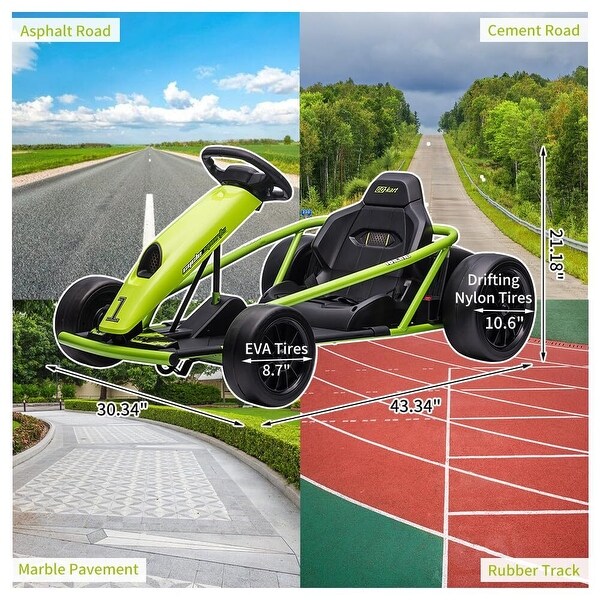
How does pavement stack up against other options like grass, dirt, or carpet?
| Surface | Ride Quality | Battery Life | Safety | Maintenance |
|---|---|---|---|---|
| Pavement | Smooth, fast | Longest | Moderate (watch for falls/traffic) | Wheel wear |
| Grass | Slower, uneven | Shorter | Softer falls | Motor strain |
| Dirt/Gravel | Bumpy, uneven | Short | Hard falls, more dust | Dust in motor |
| Carpet | Very slow | Shortest | Safe, but boring | Minimal |
Pavement gives the best overall performance, but only if you manage the risks.
What To Look For In A Pavement-friendly Ride-on Car
If you’re buying a ride-on car mainly for pavement use, keep these features in mind.
Wheel Type And Size
- Large rubber wheels offer the best grip.
- Wider tires spread the weight, making the ride smoother.
Motor Power
- 12V or 24V is best for older kids or uneven pavement.
- Lower voltage is fine for toddlers and very smooth surfaces.
Suspension
Some higher-end cars include real suspension systems. This makes bumps less jarring and is worth considering if your pavement is rough.
Weight Capacity
Make sure the car can support your child’s weight. Overloading reduces battery life and can damage the car.
Battery Life
Look for models with larger batteries or quick charging options.
Parental Controls
A remote control is a must for younger children, especially on open pavement.
Realistic Features
Features like working headlights, horns, or seat belts add to safety and fun.
Real-world Examples
Let’s look at how some popular models perform on pavement.
- Power Wheels Dune Racer (12V):
Great for smooth and slightly rough pavement. Rubberized tires give good grip. Battery lasts about 1 hour on sidewalks.
- Peg Perego John Deere Gator (12V):
Designed for both grass and pavement. Moves fastest on pavement. Parent remote adds safety.
- Rollplay 6V Mini Cooper:
Best on flat, smooth pavement. Lightweight, but plastic wheels wear quickly.
- Razor Dirt Quad (24V):
Handles rough pavement and even light gravel. Air-filled tires and real suspension.
Common Mistakes When Using Ride-on Cars On Pavement
Avoid these errors for a safer, longer-lasting experience.
Neglecting Wheel Maintenance
Plastic wheels wear fast on rough pavement. Check them often and replace as needed. Worn wheels lose grip and can cause accidents.
Ignoring Weather
Wet pavement is dangerous. Don’t let children ride after rain or early in the morning when dew is present. Hot pavement can also be a burn risk.
Overloading The Car
Follow the weight limits. Too much weight strains the motor and can crack the chassis.
Skipping Supervision
Even slow ride-on cars can get into trouble on pavement. Always keep an eye on your child, especially near driveways or streets.
Not Setting Boundaries
Children may drive out of sight or into unsafe areas. Mark clear limits for where they can play.
Tips For Extending Ride-on Car Life On Pavement
You can help your ride-on car last longer with a few easy habits.
1. Clean Wheels Regularly
Dirt, sand, and small stones can get stuck and cause wear.
2. Charge Battery Fully
Don’t let batteries drain completely. This keeps them healthy and maximizes playtime.
3. Store Indoors
Sun and rain can damage plastic and electronics. Bring the car inside or cover it when not in use.
4. Lubricate Moving Parts
A little oil on axles and steering joints reduces friction and extends life.
5. Check All Fasteners
Vibration from pavement can loosen screws or bolts. Tighten them regularly.
The Impact Of Pavement On Child Development
Pavement use isn’t just about fun—it also helps children grow in important ways.
Physical Development
Driving on pavement requires balance, coordination, and reaction time. Children practice steering, braking, and speed control, which all build motor skills.
Confidence And Independence
Operating a ride-on car on pavement gives a sense of freedom and achievement. Children learn to judge speed, distance, and obstacles.
Social Play
Wide, open pavement areas are great for group play. Kids can race, take turns, and develop social skills.
Safety Awareness
Learning about traffic, boundaries, and safe driving starts early. These lessons transfer to bikes and, later, real cars.
Special Considerations For Urban And Suburban Areas
Not all neighborhoods are the same. Here’s what to keep in mind.
Urban Areas
- Sidewalks may be crowded or close to streets.
- More traffic means higher risk.
- Consider parks or closed-off play areas.
Suburban Areas
- Driveways are common play spots but can be dangerous if cars are moving.
- Cul-de-sacs or quiet streets are better but require supervision.
Gated Communities Or Parks
- Some have paths designed for children’s toys.
- Always check rules before using ride-on cars in shared spaces.
Pavement Use: Legal And Community Rules
Most places allow ride-on cars on private driveways and some public parks. However:
- Sidewalks: Usually permitted, but watch for pedestrians.
- Roadways: Not safe or legal. Cars are too small and slow.
- Parks: Rules vary. Some allow ride-on cars, others do not.
- HOAs: Some homeowner associations restrict motorized toys in common areas.
Always check local guidelines. Some cities have specific rules about battery-powered toys on sidewalks.

Alternatives To Pavement
If pavement isn’t available or safe, consider these options:
- Indoor Play: Use large, empty rooms or garages.
- Grass: Slower, but softer falls and less wear.
- Playground Paths: Many parks have smooth, safe paths for toys.
- Sports Courts: Basketball or tennis courts are ideal when not in use.
Non-obvious Insights For Pavement Use
Many parents miss these important points:
1. Wheel Upgrades Make A Huge Difference
Some brands sell upgraded rubber wheels for popular models. This simple change can double wheel life and improve safety.
2. Battery Health Is Surface-dependent
Using your ride-on car mostly on pavement puts less strain on the battery, which can extend its lifespan by months compared to grass or dirt use.
3. Sun Damage Is Real
Pavement reflects a lot of sunlight. Store cars in the shade or cover them to prevent faded paint and brittle plastics.
4. Remote Control Range Matters
On wide pavement areas, the parent remote needs good range. Cheaper cars often have weak remotes that cut out at short distances.
5. Noise Levels
Hard pavement increases the noise of plastic wheels. For quiet neighborhoods, consider rubber wheels to reduce sound.
When Pavement Isn’t Suitable
Sometimes, pavement isn’t the right choice:
- Steep Driveways: Too risky for rollovers.
- Busy Streets: Never allow play near traffic.
- Broken Pavement: Cracks and potholes can be dangerous.
In these cases, find a safer surface or supervise extra closely.
Maintenance Table: Pavement Vs. Grass Use
Here’s a quick look at how often you should check key parts, depending on where you use your ride-on car.
| Part | Pavement Use | Grass Use |
|---|---|---|
| Wheels | Check weekly for wear | Check monthly for cracks |
| Battery | Charge after every use | Charge after every use |
| Bolts/Screws | Tighten every 2 weeks | Tighten monthly |
| Body | Wipe down after dusty rides | Clean for mud |
| Motor | Listen for noise monthly | Check for overheating monthly |
Where To Learn More
Many manufacturers offer detailed guides on safe and proper use for each model. For more comprehensive information, the Wikipedia page on electric vehicles is a valuable resource on the technology behind ride-on cars.
Final Thoughts
So, can ride-on cars be used on pavement? The answer is a confident yes—for most models and most types of pavement, with proper safety checks and supervision. Pavement provides a smooth, fast, and exciting environment for children to explore. However, always consider the type of car, the condition of the pavement, and most importantly, your child’s safety.
With the right preparation and awareness, ride-on cars and pavement make the perfect match for active, happy play.
Frequently Asked Questions
Can All Ride-on Cars Be Used On Pavement?
Not all ride-on cars are suitable for pavement. Electric cars with rubber or rubber-coated wheels are best. Lightweight models with plastic wheels may struggle or wear out quickly. Always check the manufacturer’s guidelines.
Is It Safe For Toddlers To Use Ride-on Cars On Pavement?
Yes, but only with close supervision. Choose cars designed for young children, use protective gear, and keep play in safe, enclosed areas away from traffic.
Do Ride-on Cars Damage Pavement Surfaces?
Most ride-on cars do not harm pavement, but very heavy or metal-wheeled models could leave marks. Plastic wheels may wear down quickly, leaving bits of plastic behind.
How Do I Make Ride-on Cars Safer On Pavement?
Use cars with rubber wheels, always supervise play, set clear boundaries, and avoid wet or hot pavement. Remote controls add an extra layer of safety for younger children.
What Is The Best Voltage For Ride-on Cars On Pavement?
A 12V or 24V ride-on car is ideal for pavement, offering enough power for smooth, fast rides. Lower voltage cars (6V) are fine for smooth sidewalks and very young children.
By following these tips and insights, your child’s ride-on car adventures on pavement can be both thrilling and safe.
Add a Comment