Top Electric Ride on Cars Reviewed: Safe & Fun Picks 2026

Top Electric Ride on Cars Reviewed: Safe & Fun Picks 2026

We all wish our daily routines were more fun and less stressful. Imagine adding a bit of joy and ease to your child’s playtime.

Electric ride-on cars can do just that. These toys offer a smooth, exciting experience that keeps kids happy and active. They are easy to use and help children build confidence while having fun. Choosing the right electric ride-on car makes a big difference in safety and enjoyment.

You will find carefully chosen options that fit different ages and needs. Keep reading to discover the best picks that bring smiles and smooth rides.

1Top Pick
ELEMARA Ride On Car, Bluetooth Ride on Toys for Toddlers, …
Check Latest Price
2Best Quality
FanttikRide N7 Pro Electric Wiggle Car with Pedal, Rechargeable Battery
Check Latest Price
3Recommended
12V Kids Ride On Car with 2.4G Remote Control,Battery Powered
Check Latest Price
4MINIATURE MOTORS 12V Kids Electric Ride on Truck Car RemoteCheck Latest Price
5Gotrax RT1 Ride on Toys for Toddlers 1.5-4, Safe 12VCheck Latest Price

Top Pick

ELEMARA Ride On Car, Bluetooth Ride on Toys for Toddlers, 12V Kids Battery Powered Vehicles w/Remote, 3.5 mph Motorized Off-Road Truck, Electric Car for Kids w/3 Speeds,LED Lights- Green

1. ELEMARA Ride On Car, Bluetooth Ride on Toys for Toddlers, 12V Kids Battery Powered Vehicles w/Remote, 3.5 mph Motorized Off-Road Truck, Electric Car for Kids w/3 Speeds,LED Lights- Green

  • Brand: ELEMARA
  • Manufacturer: ELEMARA
  • Color: Green
  • Dimensions: Height: 33.8 inches Width: 22.2 inches Length: 22.8 inches Weight: 22.707612986 pounds `

This ELEMARA Ride On Car offers exciting fun with its 12V battery and three speed settings. Kids can enjoy smooth rides up to 3.5 mph on different terrains. Bluetooth connectivity adds easy control and music play. Bright LED lights make the off-road truck look cool and safe. Parents can use the remote to guide toddlers for extra safety. A perfect electric car for young adventurers.

Advantages

  • Provides safe fun with a slow speed of 3.5 mph for toddlers.
  • Bluetooth feature allows parents to control the car remotely.
  • Offers three speeds to match your childโ€™s growing skills.
  • LED lights enhance visibility and add excitement during rides.
  • Battery-powered motor ensures long playtime without noise or fumes.

Disadvantages

  • Battery life may be short during continuous use.
  • Remote control sometimes loses connection with the car.
  • Speed settings might be too slow for older kids.
  • Tires could struggle on very rough or uneven ground.
  • Assembly instructions may be confusing for some buyers.

Our Recommendations

My child loves the ELEMARA Ride On Car. It runs smoothly with three different speeds. The remote control makes it easy for parents to guide. Bright LED lights add a fun touch. The Bluetooth feature lets kids enjoy their favorite songs while driving. Battery life lasts long enough for several rides. The off-road design handles grass and small bumps well. Assembly was simple and quick. This toy brings hours of outdoor fun. A great choice for toddlers who enjoy adventure.

Check Latest Price

Best Quality

FanttikRide N7 Pro Electric Wiggle Car with Pedal, Rechargeable Battery, CyberWiggle, 2 in 1 Swing Car, 2 Speeds Max 4 Mph, Anti-Rollover, Flashing Wheels, Bluetooth, for Ages 3 and Up, 150 Lbs, Green

2. FanttikRide N7 Pro Electric Wiggle Car with Pedal, Rechargeable Battery, CyberWiggle, 2 in 1 Swing Car, 2 Speeds Max 4 Mph, Anti-Rollover, Flashing Wheels, Bluetooth, for Ages 3 and Up, 150 Lbs, Green

  • Brand: FanttikRide
  • Manufacturer: FanttikRide
  • Color: Green
  • Dimensions: Height: 15.88976376332 inches Width: 13.94094486767 inches Length: 30.25196847308 inches Weight: 13.78 pounds `

The FanttikRide N7 Pro Electric Wiggle Car offers fun and safe rides for kids aged 3 and up. Its 2-in-1 design lets children switch between pedal and electric modes easily. Flashing wheels and Bluetooth add extra excitement to every ride. The car moves at two speeds, reaching up to 4 mph, perfect for young drivers. Built with an anti-rollover feature, it ensures a safe and stable experience. It supports up to 150 pounds, making it suitable for growing children.

Advantages

  • Offers two ways to ride: pedal or electric mode.
  • Moves at safe speeds up to 4 mph for kids.
  • Built with anti-rollover design for added safety.
  • Bluetooth feature plays music while riding for fun.
  • Supports up to 150 lbs, suitable for many ages.

Disadvantages

  • Battery life may be short for extended play sessions.
  • Maximum speed of 4 mph might feel slow for some.
  • Weight limit of 150 lbs restricts use to smaller kids.
  • Bluetooth feature can be tricky to connect sometimes.
  • Pedal mode may be hard for younger children to use.

Our Recommendations

My child loves the FanttikRide N7 Pro Electric Wiggle Car. It is easy to control and very safe. The flashing wheels make rides more fun and exciting. The two speed settings work well for different skill levels. Bluetooth feature adds cool music during playtime. The battery lasts long enough for hours of enjoyment. It holds up to 150 pounds, so itโ€™s sturdy and strong. Perfect for kids aged 3 and up. The anti-rollover design gives me peace of mind. Switching between wiggle and pedal modes is simple and smooth. A great outdoor toy that keeps my child active and happy.

Check Latest Price

Recommended

12V Kids Ride On Car with 2.4G Remote Control,Battery Powered Electric Car Ride On Vehicle Double Doors, Safety Belt,LED Light (SC-Purple)

3. 12V Kids Ride On Car with 2.4G Remote Control,Battery Powered Electric Car Ride On Vehicle Double Doors, Safety Belt,LED Light (SC-Purple)

  • Brand: Bobike
  • Manufacturer: bobike
  • Color: Sc-purple
  • Dimensions: Height: 18.0 inches Width: 23.0 inches Length: 39.0 inches

This 12V Kids Ride On Car offers a fun and safe driving experience for children. Equipped with double doors and a safety belt, it ensures secure playtime. The 2.4G remote control lets parents guide the car easily. Bright LED lights add a cool, realistic touch. Battery-powered design keeps the ride smooth and long-lasting. Perfect for outdoor adventures and imaginative play.

Advantages

  • Provides safe and fun rides with a secure safety belt.
  • Easy control using the 2.4G remote for parents.
  • Bright LED lights add excitement during evening play.
  • Double doors make getting in and out simple.
  • Battery-powered for long-lasting and quiet driving fun.

Disadvantages

  • Battery life may be short during continuous use.
  • Remote control range might not cover large outdoor areas.
  • Vehicle speed could be too slow for older kids.
  • Assembly instructions may be hard to follow.
  • Car size might be small for taller children.

Our Recommendations

My child loves the 12V Kids Ride On Car. It is easy to use and drives smoothly. The remote control works well for parents. Double doors make getting in and out simple. The safety belt gives extra protection during rides. Bright LED lights add a cool look. Battery lasts long enough for fun playtime. The purple color looks great and stands out. Overall, a safe and fun electric car for kids.

Check Latest Price

MINIATURE MOTORS 12V Kids Electric Ride on Truck Car Remote Control, Twin 35W Motors 3.5MPH Max Speed, Bluetooth Music Player, 4 Wheels Suspension LED Lights Safety Belt, Gift for Boys & Girls-Black

4. MINIATURE MOTORS 12V Kids Electric Ride on Truck Car Remote Control, Twin 35W Motors 3.5MPH Max Speed, Bluetooth Music Player, 4 Wheels Suspension LED Lights Safety Belt, Gift for Boys & Girls-Black

  • Brand: Miniature Motors
  • Manufacturer: Miniature Motors
  • Color: Black
  • Dimensions: Height: 24.4 inches Width: 24.4 inches Length: 39.0 inches Weight: 26.4 Pounds `

This electric ride-on truck offers a fun and safe driving experience for kids. Twin 35W motors provide smooth power, reaching speeds up to 3.5 MPH. Bluetooth music player lets children enjoy their favorite songs while riding. Four-wheel suspension and LED lights add extra comfort and style. Safety belts keep young riders secure on every adventure. A perfect gift for boys and girls who love outdoor play.

Advantages

  • Perfect speed of 3.5 MPH keeps kids safe while having fun.
  • Twin 35W motors provide strong power for smooth rides.
  • Bluetooth music player lets children enjoy their favorite songs.
  • Four wheels suspension offers a comfortable and steady drive.
  • Built-in safety belt and LED lights ensure extra protection.

Disadvantages

  • Battery life lasts only about 1 hour per charge.
  • Speed might feel slow for older kids or adults.
  • Remote control range is limited to a short distance.
  • Small size may not fit children taller than 5 feet.
  • No option for off-road use on rough surfaces.

Our Recommendations

This electric ride-on truck is perfect for kids. It runs smoothly with twin 35W motors and reaches a safe 3.5 MPH. The suspension on all four wheels makes the ride comfortable on different surfaces. Bright LED lights add a cool look and improve visibility. Bluetooth music player is a fun touch that kids enjoy. The safety belt gives extra protection during play. Remote control allows parents to guide or stop the truck easily. A great gift choice for both boys and girls who love adventure. Simple to use and built well for little drivers.

Check Latest Price

Gotrax RT1 Ride on Toys for Toddlers 1.5-4, Safe 12V Lead-acid Battery up to 80 Minutes, Forward/Reverse 2 Gears, Max 1.5MPH Speed&8

5. Gotrax RT1 Ride on Toys for Toddlers 1.5-4, Safe 12V Lead-acid Battery up to 80 Minutes, Forward/Reverse 2 Gears, Max 1.5MPH Speed&8″ Big Tire, Electric Vehicle ATV Car Best Gift for Age1.5โ€“4 Boy Girl

  • Brand: Gotrax
  • Manufacturer: ZHEJIANG TAOTAO VEHICLES CO., LTD
  • Color: Pink
  • Dimensions: Height: 17.91 inches Width: 15.74 inches Length: 28.34 inches Weight: 12.5 pounds `

Toddlers enjoy the Gotrax RT1 Ride on Toy with its safe 12V lead-acid battery lasting up to 80 minutes. Two-speed gears let kids move forward or backward at a gentle 1.5 MPH. Large 8-inch tires provide a smooth ride on different surfaces. Perfect for boys and girls aged 1.5 to 4 years, this electric ATV car offers fun and easy control. Parents appreciate its safety features and durable design. A great gift that brings smiles and outdoor playtime.

Advantages

  • Perfect for toddlers aged 1.5 to 4 years old.
  • Runs up to 80 minutes with a safe 12V battery.
  • Easy controls with forward and reverse two-speed gears.
  • Big 8-inch tires offer smooth rides on different surfaces.
  • Helps kids build confidence and enjoy outdoor playtime.

Disadvantages

  • Battery life lasts only up to 80 minutes per charge.
  • Maximum speed of 1.5 MPH may feel slow for some kids.
  • Lead-acid battery makes the toy heavier than lithium options.
  • Toy is designed for ages 1.5 to 4, limiting use.
  • Tires may not perform well on rough or uneven surfaces.

Our Recommendations

This Gotrax RT1 Ride-On Toy is perfect for toddlers aged 1.5 to 4 years. It runs safely on a 12V lead-acid battery, lasting up to 80 minutes on one charge. Kids enjoy the forward and reverse gears, which are easy to control. The speed is slow and safe, maxing at 1.5 MPH. Big 8-inch tires help the toy ride smoothly on different surfaces. My child loves driving this mini ATV car around the yard. A great gift that brings hours of fun and keeps little ones active. Simple to use and very durable for young kids.

Check Latest Price

Frequently Asked Questions

What Age Group Is Suitable For Electric Ride On Cars?

Electric ride on cars are best for kids aged 3 to 8 years. They offer safe and fun driving experiences. Always check the productโ€™s age recommendations.

How Long Do Electric Ride On Car Batteries Last?

Most batteries last about 1 to 2 hours of driving per charge. Charging usually takes 8 to 12 hours. Battery life depends on usage and care.

Are Electric Ride On Cars Safe For Children?

Yes, they come with safety features like speed limits and seat belts. Parents should supervise kids while driving. Choose models with good safety reviews.

Can Electric Ride On Cars Be Used Outdoors?

Electric ride on cars work well on flat, smooth surfaces outside. Avoid rough or wet terrains to prevent damage. They are great for driveways and parks.

Buying Guide On Electric Ride On Cars

1. Choose the Right Size for Your Child

Electric ride on cars come in different sizes. Pick one that fits your childโ€™s age and height. Too big or too small can be unsafe. Check the weight limit before buying.

2. Check the Battery Life and Charging Time

Long battery life means more playtime. Look for cars that offer at least 1 hour of use per charge. Short charging times help get back to fun quickly.

3. Look for Safety Features

Safety is very important. Choose cars with seat belts and easy-to-use brakes. Some models have speed limits to keep kids safe.

4. Consider the Speed Settings

Different speed levels suit different ages. Slower speeds are better for younger kids. Make sure the car has adjustable speed options.

5. Think About the Terrain

Some ride on cars work well on grass, gravel, or pavement. Choose one based on where your child will drive most. Bigger wheels handle rough ground better.

6. Look for Easy Controls

Simple controls help children enjoy the car quickly. Buttons and steering should be easy to use. Avoid complex features that confuse kids.

7. Check the Build Quality

Durable materials last longer and keep kids safe. Look for sturdy frames and quality plastic. Avoid cars that feel flimsy or cheap.

8. Consider Extra Features

Some cars include lights, sounds, or music players. These can make the ride more fun. But extra features can also raise the price.

9. Review the Assembly Process

Some ride on cars need assembly. Check if the instructions are clear and simple. Easy assembly saves time and frustration.

10. Read Customer Reviews

Reviews give real opinions from other buyers. Look for comments about durability, safety, and fun. Honest reviews help make a better choice.

Conclusion

Choosing the right electric ride-on car can truly make a difference. It helps reduce stress for both parents and children. When the car is safe and fun, daily life feels easier and more joyful. You can enjoy peaceful moments while your child plays happily.

The right product brings comfort to your home and outdoor time. We understand how important it is to find a reliable and enjoyable ride-on car. Thatโ€™s why we carefully selected the best options for you above. Take your time to explore them.

Feel confident knowing each choice supports your familyโ€™s happiness. Your childโ€™s smile and your peace of mind are worth it. Start your journey to more fun and less worry today.
Best Kids Electric Ride-On Trucks & 4-Wheelers (2026 Buyerโ€™s Guide)

Best Kids Electric Ride-On Trucks & 4-Wheelers (2026 Buyerโ€™s Guide)

Parents searching for the best kids electric ride-on trucks are no longer just buying a toy โ€” they are investing in safety, outdoor activity, confidence-building play, and long-term durability.

In 2026, 12V electric ride-on cars for kids dominate the U.S. market due to their balance of speed, safety, and features like parent remote control, suspension systems, Bluetooth music, LED headlights, and licensed vehicle designs. However, not all ride-on vehicles are created equal.

Some are built for toddlers learning basic controls. Others are designed for older kids who want realism, power, and off-road capability. Choosing the wrong one can mean:

  • Poor battery life
  • Unsafe acceleration
  • Lack of parental control
  • A toy your child outgrows too quickly

This guide is designed to solve that problem.

We analyzed top-selling Amazon ride-on trucks and 4-wheelers based on:

  • Safety features (remote control, seat belts, slow start)
  • Battery performance and runtime
  • Comfort (seat, suspension, wheel type)
  • Terrain compatibility
  • Real-world parent feedback
  • Value for money in the U.S. market

All products reviewed are Amazon-available and suitable for U.S. households.

How We Evaluated These Kids Ride-On Vehicles

Following a comparison-review format similar to hujaifa.com, each product was reviewed using the same criteria:

1. Safety & Parental Control

  • Does it include a 2.4GHz parent remote?
  • Is acceleration smooth (slow-start)?
  • Are seat belts included?

2. Battery & Performance

  • 12V battery capacity
  • Average runtime per charge
  • Suitable age range

3. Comfort & Build Quality

  • Suspension system
  • Wheel type (plastic vs EVA)
  • Seat space and adjustability

4. Value for Money

  • Feature-to-price ratio
  • Longevity as the child grows

Buying Guide: How to Choose the Right Kids Electric Ride-On

1. 12V vs 24V Ride-On Cars

  • 12V ride-on cars for kids are ideal for ages 3โ€“6
  • 24V models are faster and better for rough terrain but cost more

All products in this guide are 12V, making them safer and more suitable for most families.

2. Parent Remote Control (Highly Recommended)

A kids ride-on truck with remote control allows parents to:

  • Steer the vehicle
  • Stop it instantly
  • Override child controls

This is essential for toddlers and younger kids.

3. Suspension & Wheels

  • Suspension = smoother ride on driveways and grass
  • EVA wheels = quieter, better indoor use
  • Plastic wheels = more durable outdoors

PRODUCT REVIEWS

1. Ford Bronco Raptor Kids Electric Ride-On Truck (12V)

Ford Bronco Raptor Ride On

Best Overall Licensed Kids Ride-On Truck

Product Overview

The Ford Bronco Raptor kids ride-on truck is one of the most realistic electric vehicles available for children. Officially licensed by Ford, it replicates the aggressive off-road styling of the real Bronco Raptor, making it a standout choice for kids who love trucks.

This model balances realism, safety, and comfort, making it suitable for both supervised and independent play.

Key Specifications

  • Battery: 12V rechargeable
  • Control: Manual + parent remote
  • Suspension: Shock absorption system
  • Audio: Bluetooth, USB, built-in music
  • Lighting: LED headlights
  • Recommended Age: 3โ€“6 years

Pros

  • Officially licensed Ford design
  • Smooth acceleration (slow start)
  • Parent remote control included
  • Strong suspension for outdoor use
  • Excellent build quality

Cons

  • Higher price than generic models
  • Larger size requires storage space

Best For

Parents who want a premium, realistic kids ride-on truck with strong safety features.

Not Ideal For

Families on a tight budget or those needing a very compact ride-on.

Why Choose This Model

If realism and brand authenticity matter, this is one of the best Amazon ride-on trucks for kids in 2026.

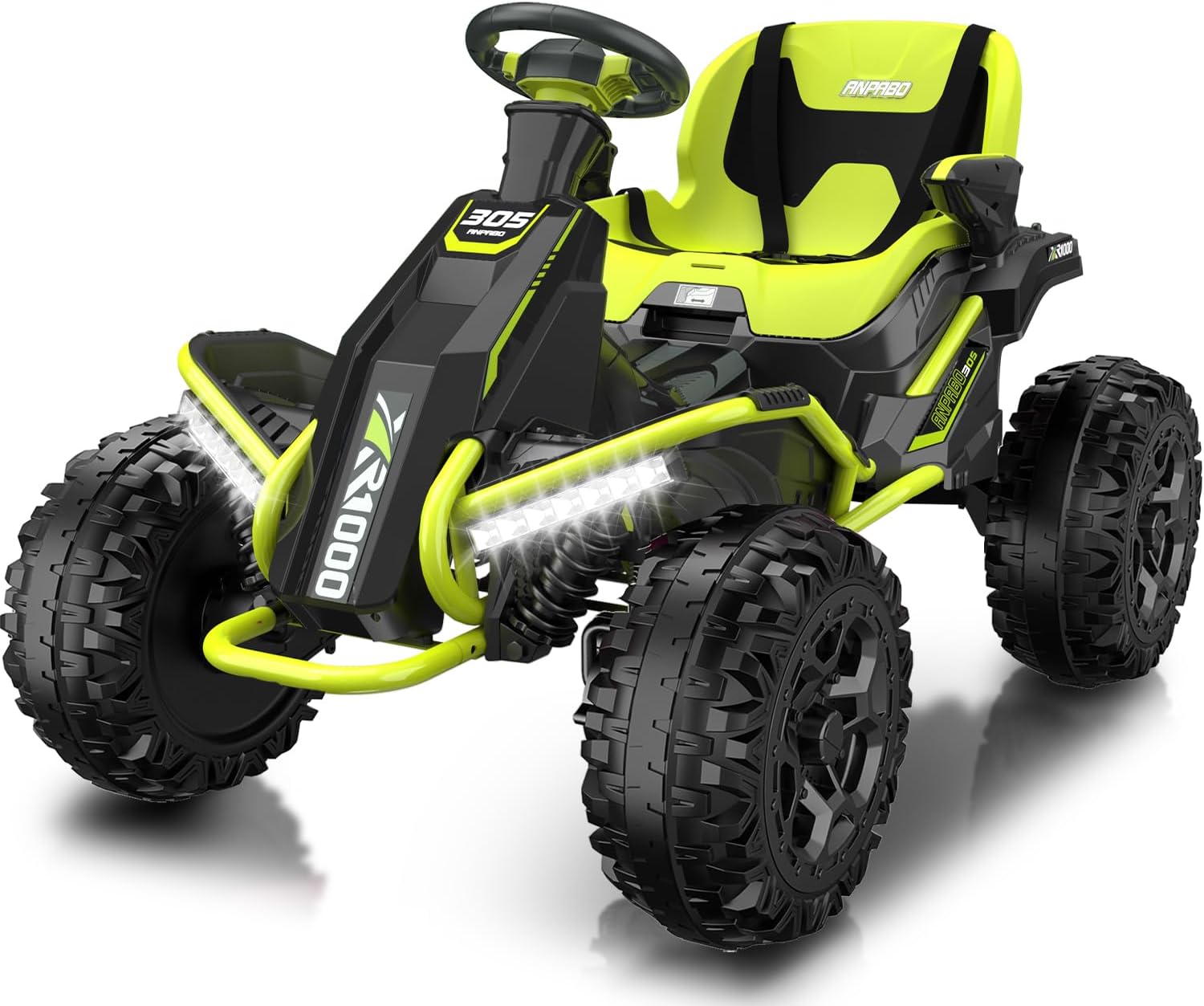
2. ANPABO Electric Ride-On Truck with Adjustable Headlights

ANPABO Ride On Truck

Best Adjustable Ride-On Truck for Growing Kids

Product Overview

ANPABO focuses on adaptability. This kids electric ride-on truck features adjustable elements that allow it to grow with your child, extending its usable lifespan.

Key Specifications

  • Battery: 12V
  • Control: Parent remote + manual
  • Suspension: Spring suspension
  • Audio: Bluetooth music
  • Adjustable seat and headlights
  • Recommended Age: 3โ€“6 years

Pros

  • Adjustable seat improves longevity
  • Good suspension for uneven surfaces
  • Parent remote control included
  • Competitive pricing

Cons

  • Design less realistic than licensed models
  • Plastic wheels can be noisy on pavement

Best For

Parents looking for a value-focused ride-on truck that adapts as their child grows.

Not Ideal For

Kids who prioritize licensed or realistic vehicle styling.

Why Choose This Model

Excellent balance between price, features, and adjustability, making it a smart long-term purchase.

3. Best Choice Products 12V Kids 4-Wheeler ATV

Best Choice 4 Wheeler

Best Beginner Electric 4-Wheeler for Kids

Product Overview

This kids electric 4-wheeler is designed for simplicity and stability. It is ideal for toddlers moving up from push cars to battery-powered vehicles.

Key Specifications

  • Battery: 12V
  • Control: Foot pedal
  • Suspension: Basic
  • Lighting: LED headlights
  • Recommended Age: 2.5โ€“5 years

Pros

  • Extremely easy to operate
  • Stable four-wheel design
  • Durable body construction
  • Lower price point

Cons

  • No parent remote control
  • Limited advanced features

Best For

Younger kids learning basic riding skills.

Not Ideal For

Parents who want full remote control or premium features.

Why Choose This Model

A solid entry-level electric 4 wheeler for kids that prioritizes safety through simplicity.

4. Best Choice Products Ride-On Truck with Suspension

Best Choice Suspension Truck

Best for Smooth Neighborhood Rides

Product Overview

This model focuses on comfort. The suspension system significantly reduces bumps when driving on sidewalks, driveways, or grass.

Key Specifications

  • Battery: 12V
  • Control: Manual + parent remote
  • Suspension: Full suspension
  • Audio: Music & horn
  • Seat belt included
  • Recommended Age: 3โ€“6 years

Pros

  • Comfortable ride quality
  • Parent remote control
  • Good safety features
  • Strong value for price

Cons

  • Less aggressive styling
  • Moderate battery runtime

Best For

Parents prioritizing ride comfort and safety.

Not Ideal For

Kids who want off-road or rugged styling.

Why Choose This Model

One of the smoothest-riding kids electric trucks in its price range.

5. Outfunny Electric Ride-On Truck with Parent Remote

Outfunny Electric Ride-On Truck

Best for Outdoor & Backyard Driving

Product Overview

The Outfunny electric ride-on truck is built with outdoor use in mind. Compared to more โ€œtoy-likeโ€ models, this one emphasizes traction, stability, and durability, making it suitable for yards, driveways, and light grass.

It combines essential safety features with a rugged body, making it a good middle-ground option for parents who want outdoor capability without stepping up to expensive 24V models.

Key Specifications

  • Battery: 12V rechargeable
  • Control: Parent remote + manual driving
  • Tires: Wear-resistant plastic tires
  • Audio: Bluetooth, built-in music
  • Lighting: LED headlights
  • Recommended Age: 3โ€“6 years

Pros

  • Strong traction for outdoor surfaces
  • Parent remote control included
  • Durable construction
  • Simple, kid-friendly controls

Cons

  • Plastic wheels can be loud on pavement
  • Design is less premium than licensed trucks

Best For

Families with yards or outdoor play areas who want a reliable kids electric truck.

Not Ideal For

Indoor-only use or parents seeking luxury styling.

Why Choose This Model

If outdoor performance matters more than branding, this is a practical and dependable kids ride-on truck.

6. First Ride 12V Kids 4-Wheeler with Suspension & Bluetooth

First Ride 4-Wheeler

Best Budget 4-Wheeler with Premium Features

Product Overview

This First Ride electric 4-wheeler for kids punches above its price point. It includes features often reserved for higher-priced models, such as suspension and Bluetooth audio, making it one of the best-value options on Amazon.

Key Specifications

  • Battery: 12V
  • Control: Manual + parent remote
  • Suspension: Front and rear suspension
  • Audio: Bluetooth music
  • Recommended Age: 3โ€“5 years

Pros

  • Excellent value for money
  • Suspension improves ride comfort
  • Parent remote control
  • Compact and easy to store

Cons

  • Smaller size limits long-term use
  • Not designed for rough terrain

Best For

Parents seeking a budget-friendly electric 4 wheeler for kids with safety features.

Not Ideal For

Older kids or aggressive outdoor driving.

Why Choose This Model

One of the best affordable ride-on toys for kids without sacrificing essential features.

7. Best Choice Products Push-Button Accelerator Ride-On Truck

Push Button Ride-On Truck

Best for Easy Learning & First-Time Riders

Product Overview

This model replaces traditional foot pedals with a push-button accelerator, making it ideal for younger children who may struggle with coordination.

Key Specifications

  • Battery: 12V
  • Control: Push-button + parent remote
  • Safety: Seat belt included
  • Lighting: LED headlights
  • Recommended Age: 3โ€“5 years

Pros

  • Extremely easy to operate
  • Parent remote control
  • Good safety features
  • Trusted Best Choice Products brand

Cons

  • Less engaging for older kids
  • Basic styling

Best For

Toddlers and first-time riders who need simple controls.

Not Ideal For

Kids seeking realism or speed.

Why Choose This Model

Perfect stepping stone between push cars and full-featured ride-on trucks.

8. First Ride Licensed Kids Electric Truck with Bluetooth

First Ride Licensed Truck

Best for Style, Music & Fun Factor

Product Overview

This licensed First Ride electric truck focuses on entertainment and visual appeal. With Bluetooth connectivity and LED lighting, it is designed for kids who love music and flashy features.

Key Specifications

  • Battery: 12V
  • Control: Manual + parent remote
  • Audio: Bluetooth, AUX
  • Lighting: LED lights
  • Recommended Age: 3โ€“6 years

Pros

  • Stylish licensed design
  • Excellent audio features
  • Parent remote control
  • Smooth acceleration

Cons

  • Less rugged for outdoor terrain
  • Moderate battery runtime

Best For

Kids who enjoy music, lights, and style.

Not Ideal For

Rough outdoor driving or grass-heavy areas.

Why Choose This Model

A fun-focused option that excels in entertainment and aesthetics.

Comparison Summary: Which One Should You Buy?

PriorityBest Choice
Best OverallFord Bronco Raptor Ride-On
Best BudgetFirst Ride 4-Wheeler
Best for ToddlersPush-Button Best Choice Truck
Best Outdoor UseOutfunny Ride-On Truck
Best AdjustableANPABO Electric Truck

Safety Tips for Kids Electric Ride-On Cars (USA)

  • Always supervise children under 6
  • Use parent remote control for toddlers
  • Avoid steep slopes and streets
  • Charge batteries fully before first use
  • Follow ASTM & CPSIA toy safety standards

Frequently Asked Questions (SEO โ€“ People Also Ask)

Are electric ride-on cars safe for toddlers?

Yes, especially 12V ride-on cars with parent remote control and seat belts.

What age is best for a 12V ride-on truck?

Most 12V models are ideal for ages 3โ€“6.

How long does the battery last?

Typically 45โ€“90 minutes, depending on terrain and usage.

Can ride-on cars be used on grass?

Yes, but models with suspension and strong tires perform better.

Is a parent remote really necessary?

Highly recommended for younger kids and beginners.

Final Verdict

If you want the most realistic and premium experience, the Ford Bronco Raptor Ride-On is the top choice.
For budget-conscious parents, First Ride and Best Choice Products deliver excellent safety and value.
Outdoor families should prioritize suspension and tire quality, while toddlers benefit most from remote-controlled or push-button models.

Every product listed here is suitable for U.S. households, safety-focused, and optimized for long-term play value.

Create eye catchy blog thumbnails :

Best Ride On Toys for Toddlers Under 3 in 2026: Safe Picks with Remote Control

Watching your toddler zoom around with a big smile brings pure joy and helps build confidence on the move.

After a fun day of play, nothing beats seeing your little one safely explore in their own ride-on toy. With growing options for electric and push-along vehicles, parents prioritize safety features like parental remote controls, seat belts, and low speeds for toddlers under 3.

Ride-on toys encourage gross motor skills, balance, and independence while providing endless entertainment. In this guide, Iโ€™ll share expert picks focused on safe, age-appropriate options with remote control where possibleโ€”many featuring soft-start acceleration, sturdy builds, and fun extras like lights and musicโ€”to help you choose the perfect one for your toddler.

Best Choice Products 12V Kids Ride-On Truck

This rugged ride-on truck from Best Choice Products offers realistic driving fun with spring suspension and LED lights.

It features a 12V battery, parental remote control, seat belt, and speeds up to 3.7 mph, plus functional doors and Bluetooth music for added excitement.

Pros:

  • Parental remote for full control and safety
  • Smooth suspension for bumpy rides
  • Realistic details like headlights and horn
  • Lockable doors and adjustable seat belt

Cons:

  • Assembly takes about 30-45 minutes
  • Heavier design requires adult handling for transport

My Practical Opinion

Ideal for toddlers transitioning to independent driving but still needing oversight. The remote is responsive, making it great for outdoor adventures on grass or pavement. Tip: Charge fully overnight before first use for maximum playtime.

  • PERFECTLY SIZED: Fully functional and scaled down for children 3-5 years old, this ride-on can support up to 44 pounds a…
  • REALISTIC DRIVING ACTION: Give your kids a realistic behind-the-wheel experience with controls sized for small hands and…
  • PARENTAL REMOTE CONTROL: Join in the fun and take your child for a wild ride with full control over the truck’s driving …
Best forWhy
Parents wanting full safety controlParental remote allows overriding child operation, with emergency stop for peace of mind
Outdoor adventurersSpring suspension and large traction tires handle grass, gravel, and uneven surfaces smoothly
Families with multiple kidsSpacious design, high weight capacity (up to 66 lbs), and durable build for shared play

ELEMARA Bluetooth Toddler Ride-On Car

ELEMARA’s powered vehicle combines modern features with toddler-friendly design and strong safety elements.

Equipped with remote control, 3 speeds (up to 3.5 mph), LED lights, music via Bluetooth, and soft-start for gentle acceleration.

Pros:

  • Excellent parental remote with emergency stop
  • Spacious seat with safety belt
  • Fun extras like Bluetooth and horn
  • Wear-resistant wheels for indoor/outdoor use

Cons:

  • Battery life around 1-2 hours per charge
  • Slightly louder motor sound

My Practical Opinion

A top choice for parents wanting tech-savvy fun safely. The remote overrides child controls seamlesslyโ€”perfect for under-3s learning steering. Pro tip: Use lower speed setting initially to build confidence.

  • ใ€ Thrill-Ready 12V Performance & Rugged Designใ€‘Equipped with a robust 12V motor and all-terrain traction tires for conqu…
  • ใ€ Dual-Control Freedomใ€‘ Manual Drive or Parent-Assist Mode Let young racers steer independently, or take charge with the…
  • ใ€ Adventure-Proof Safety & Comfortใ€‘Engineered for worry-free fun: puncture-proof plastic wheels, shock-absorbing spring …
Best forWhy
Tech-savvy familiesBluetooth music streaming and built-in sounds keep toddlers entertained for longer play sessions
Safety-focused parentsSoft-start acceleration prevents sudden jerks, plus multi-speed remote for gradual control
Indoor/outdoor versatilityQuiet wheels and compact size work well on hardwood floors or backyard pavement

Tobbi Licensed Electric Ride-On Car

This stylish electric car includes premium safety and entertainment for young toddlers.

Features 3-speed remote control, functional lights, music player, and a secure harnessโ€”top speed around 3 mph.

Pros:

  • Multi-speed parental remote for precise control
  • Soft EVA tires for quiet, smooth rides
  • Built-in stories and music
  • Adjustable seat belt and lockable doors

Cons:

  • Limited weight capacity (around 66 lbs)
  • Charging time 8-12 hours

My Practical Opinion

Great for supervised playdates or backyard fun. The remote’s range is impressive, allowing safe guidance from afar. Ideal upgrade from push toys.

  • Premium performance and long-lasting battery: With two 12V rechargeable batteries, this kids bumper car provides 3 hours…
  • 60-degree spin & Rocking horse mode: This toddler bumper car offers a funny riding experience with its impressive 360-de…
  • Top safety features for worry-free play: Safety is our utmost priority. This bumper car is built with a sturdy plastic s…
Best forWhy
Everyday supervised drivingThree adjustable speeds via remote let parents match pace to child’s skill level
Entertainment loversPre-loaded music, stories, and working headlights/horn create immersive driving experience
Quiet home environmentsSoft EVA tires reduce noise, perfect for indoor play without disturbing the household

Play22 Kids Ride-On Excavator Tractor

A construction-themed digger that lets toddlers “work” while riding, with manual and push options.

Includes movable bucket arm, helmet, and rocksโ€”battery-powered with optional remote in similar models.

Pros:

  • Interactive digging arm for imaginative play
  • Sturdy build with wide base for stability
  • Under-seat storage
  • Promotes coordination without high speeds

Cons:

  • More manual operation than full electric
  • No standard remote (check variants)

My Practical Opinion

Perfect non-electric alternative for under-3s focusing on pretend play. Safer for indoors with no battery risks. Tip: Pair with outdoor sand for digging fun.

  • Great Gift for Birthday and Holidays for Toddlers Boys & Girls – Original By Play22
  • Kids ride on tractor has Digger and Scooter removable comes with music sounds – includes a safety helmet and 2 rocks
  • Diggers for kids comes with handle to make the arm up or down and makes horn sounds, engine sound, Construction sound wi…
Best forWhy
Construction-obsessed toddlersFully functional digging arm and included helmet/rocks spark hours of pretend play
Active imaginative developmentManual controls encourage physical effort and coordination while building creativity
Budget-conscious familiesNo batteries needed, lower ongoing costs, and durable design lasts through rough play

Lil’ Rider Ride-On Wiggle Toy Car

This no-battery wiggle car uses twisting motion for propulsionโ€”simple, safe, and endlessly fun.

Durable plastic build supports up to 110 lbs, with smooth wheels for indoor/outdoor scooting.

Pros:

  • No batteries or charging needed
  • Super easy for toddlers to self-propel
  • Quiet and lightweight
  • Builds core strength and balance

Cons:

  • No remote control option
  • Best on flat surfaces

My Practical Opinion

Excellent starter ride-on for 18 months+. Toddlers master it quickly and love the independence. Great eco-friendly choice.

  • WIGGLE CAR RIDE ON – Kids can simply twist, wiggle, and go in this toddler car that has no gears, batteries, or pedals f…
  • DEVELOPS MOTOR SKILLS – The ride on car helps your child develop and refine motor skills like balancing, coordination, a…
  • INDOOR OR OUTDOOR – Suitable for both indoor and outdoor use, just find a smooth, flat surface like linoleum, concrete, …
Best forWhy
Early independent moversWiggle steering is intuitive for young toddlers to learn cause-and-effect movement
Physical development focusTwisting motion strengthens core muscles and improves balance/coordination
All-weather indoor/outdoor playNo electronics mean worry-free use on any flat surface, from living room to driveway

Gotrax RT1 Kids Electric ATV

A compact four-wheeler designed for little adventurers with basic electric power.

Features low speed, wear-resistant wheels, and simple controlsโ€”parent supervision recommended.

Pros:

  • Stable four-wheel design prevents tipping
  • Easy foot-pedal operation
  • Fun ATV styling
  • Affordable entry to electric rides

Cons:

  • Limited speed and no remote
  • Shorter runtime

My Practical Opinion

Good for gentle introductions to powered toys. Wide base adds stability for wobbly toddlers.

  • Power&Long-Lasting Play: Powered by a 12V 4.5Ah rechargeable battery, this ride on offers up to 80 minutes of continuous…
  • 8″ Big Wheel: 8″ tires glide smoothly over paved roads; Powerful high-speed motor ensures max speed of 1.5mph, a very sa…
  • Anti-Rollover Safety: Engineered with stability features to prevent tipping on slopes or bumpy terrain, keeping little o…
Best forWhy
Beginner off-road explorersFour-wheel stability and rugged tires handle light bumps and grass safely
Simple electric introductionFoot pedal operation is easy to learn without overwhelming speeds or controls
Active outdoor playCompact ATV design encourages adventure while staying low to the ground for safety

Little Tikes Classic Tractor Ride-On

This foot-powered tractor offers classic farm fun with durable, no-fuss design.

Includes opening gas cap, storage, and honking hornโ€”perfect for imaginative play.

Pros:

  • Extremely durable plastic construction
  • No batteries required
  • Easy to clean and store
  • Encourages leg strength

Cons:

  • No electric features or remote
  • Manual propulsion only

My Practical Opinion

Timeless pick for under-3s developing walking skills. Safe indoors/outdoors.

  • LITTLE FARMERS โ€“ This Tractor & Cart set is a must-have for little farmers on the go. With the tractorโ€™s realistic featu…
  • ATTACHABLE CART โ€“ Includes an easy-to-attach cart that is perfect for carrying a childโ€™s items.
  • REALISTIC DESIGN โ€“ Features a working steering wheel and horn.
Best forWhy
Farm-themed imaginative playRealistic tractor details like horn and storage inspire role-playing for hours
Building leg strengthFoot-to-floor design promotes pushing and walking skills in early toddlers
Long-term durabilityLegendary Little Tikes build quality withstands years of rough use and weather

Fisher-Price Harley-Davidson Tough Trike

A tough trike-style bike with wide wheels for stability and cool motorcycle sounds.

Foot-to-floor design with secret storage under seat.

Pros:

  • Wide, stable wheels
  • Rugged styling appeals to little riders
  • Built-in storage compartment
  • Easy pedal-free movement

Cons:

  • No remote or electric power
  • Best for flat areas

My Practical Opinion

Fun, stable option for building confidence. Harley sounds add excitement without complexity.

  • Kid-powered outdoor tricycle with cool Harley-Davidson colors and graphics
  • Durable tires with rugged treads for โ€œoff-roadโ€ pedaling
  • Built tough: sturdy frame with wide wheel base, easy-grip handlebars, and large foot pedals
Best forWhy
Cool motorcycle fansOfficial Harley-Davidson styling with rumbling sounds excites young riders
Stability-focused beginnersWide wheels and low center of gravity prevent tipping on turns
Secret storage loversHidden compartment under seat for carrying toys or snacks during rides

How To Choose Best Ride On Toy For Toddlers Under 3

Selecting the right ride-on ensures safe, developmental play tailored to your toddler.

Key considerations:

  • Prioritize parental remote control for under-3s to override if needed.
  • Look for seat belts, low speeds (<3-4 mph), and stable wide bases.
  • Check age/weight ratingsโ€”many start at 18-24 months.
  • Electric vs. manual: Remote-equipped electrics for oversight; foot-to-floor for independence.
  • Safety extras: Soft start, emergency brake, durable wheels.
  • Always supervise, use helmets on faster models, and avoid roads/hills.

For more toddler gear ideas, check out best baby strollers on Xuanlur or explore safe outdoor toys here.

FAQs Of Best Ride On Toys for Toddlers

Are remote control ride-ons safe for under 3?

Yes, when used with supervisionโ€”the remote allows parents to stop or steer safely.

Do toddlers need helmets?

Recommended for any wheeled toy, especially outdoors or electric models.

How long do batteries last?

Typically 1-2 hours; recharge overnight. Non-electric options need none.

Electric or manual for beginners?

Start manual for coordination; add remote electric as they grow.

Final Verdict: Best Ride On Toy For Most Toddlers Under 3

For ultimate safety and fun, the Best Choice Products 12V Truck or ELEMARA Bluetooth Car stand out with reliable remotes and features. If preferring no batteries, go for the Lil’ Rider Wiggle Car or Little Tikes Tractor. Always prioritize supervision and match to your child’s development for joyful, safe rides!

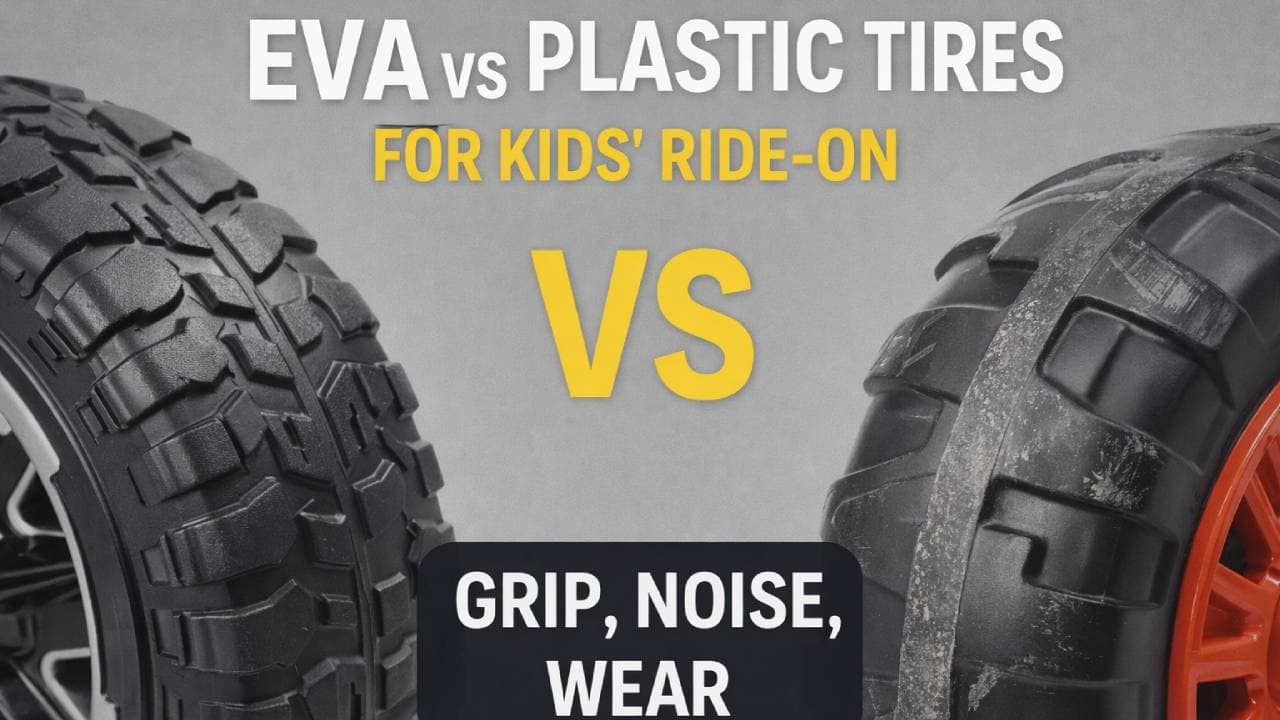
EVA vs Plastic Tires for Kids Ride-On (Grip, Noise, Wear)

EVA vs Plastic Tires for Kids Ride-On (Grip, Noise, Wear)

Picture your kid tearing down the sidewalk, giggling, and waving. The ride-on hums, takes a corner, and keeps grip on the path. Then it hits the patio, and the sound changes. That shift comes down to the tires.

This guide compares EVA and plastic tires for kids ride-ons. We look at grip, noise, and wear so you can buy with confidence. It matters for fun, safety, and long-term value. The right choice means smoother rides, fewer slips, and less racket.

EVA tires feel softer, help with traction, and cut road noise. They handle mixed surfaces and keep little drivers comfortable. Plastic tires are tough and budget friendly, and they roll fast on smooth floors. They can last, but they can also clatter and slide on certain ground.

Youโ€™ll see how each tire type behaves on concrete, grass, and tile. Weโ€™ll cover how long they last, how loud they sound, and how they affect battery life and speed. Weโ€™ll also touch on ride quality and how much maintenance they need. Expect clear answers and real-world tips.

Want a peek at a solid setup with EVA tires? Check out this model with wear-resistant EVA tires for outdoor play. It shows how softer rubber-like wheels can boost grip and comfort.

Ready to find the best fit for your childโ€™s play zone, budget, and riding style? Keep reading for smart buying tips, quick checks you can do in-store, and a simple chart to match tires to your terrain. Your goal is simple, happy rides, less noise, and wheels that last. Letโ€™s get you there fast.

What Makes EVA Tires a Smart Choice for Kids’ Ride-On Toys

Child riding a colorful ride-on with EVA tires on a sunny backyard path Image created with AI. A child riding a backyard ride-on with EVA tires that grip well on pavement.

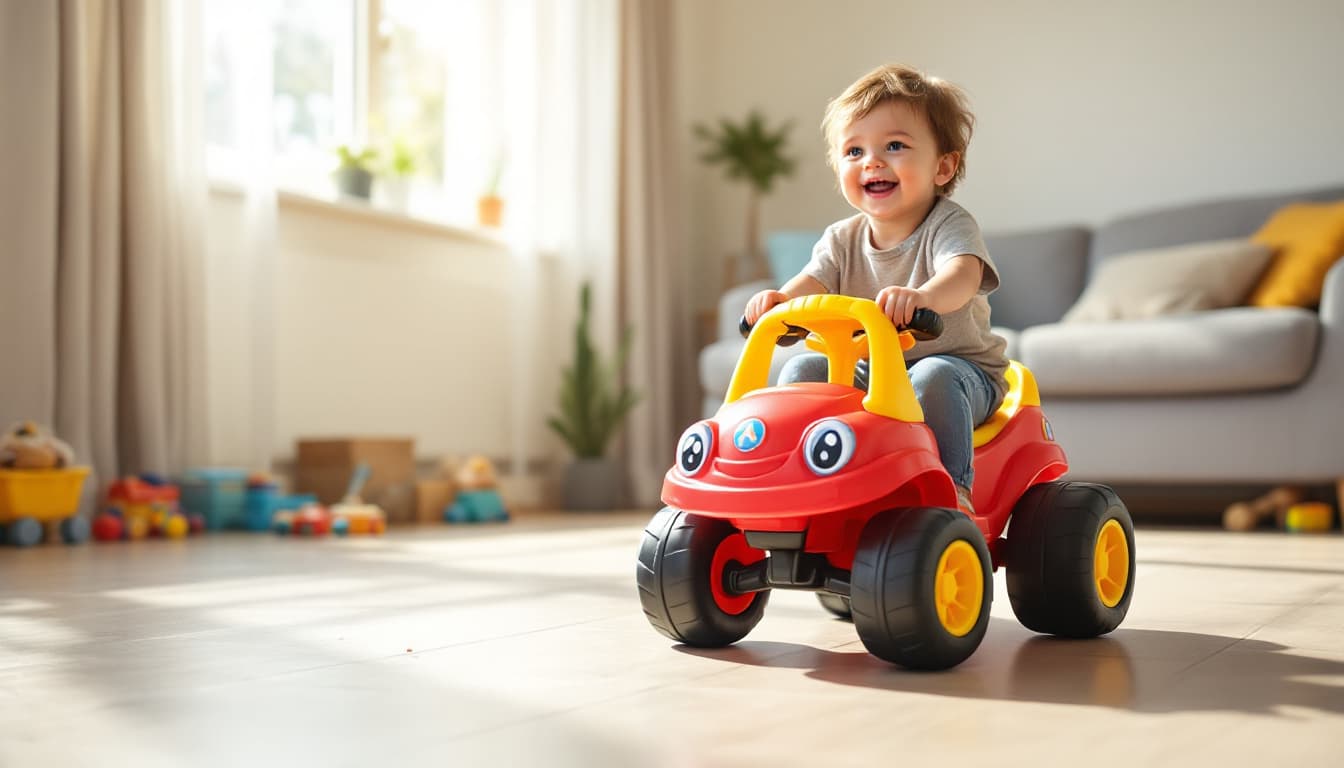
EVA stands for ethylene-vinyl acetate, a foam-like material that feels like rubber but stays light. On a ride-on, that means smooth rolling on pavement, quiet operation on tile, and easy control for small hands. The tires do not need air, so there are no flats and no pump to store. Parents can push or carry the toy with less strain because the wheels keep the weight down.

On a typical day, this translates to more laps on the driveway, fewer slips on indoor floors, and a calmer noise level in the house. EVA grips better than hard plastic on most smooth surfaces, which supports safer starts and stops. That added traction and shock absorption help kids ride longer with less chatter and fewer jolts. For indoor play and light outdoor use, EVA often hits the sweet spot for comfort and value. Sources also point to quieter running and improved traction compared to hard plastic, a win for both safety and your ears. See overviews on quiet, grippy EVA wheels in this guide to best wheels for kids’ ride-on toys and why hard plastic can lose traction on uneven or slippery surfaces.

Key Benefits of EVA for Everyday Fun and Safety

EVA tires bring practical perks you can notice on day one:

  • Lightweight control: Kids steer and push off with less effort. Parents can carry the ride-on up steps without a battle.
  • Softer feel: The foam core absorbs small bumps, which takes the sting out of seams and patio cracks.
  • Better grip than plastic: Starts are steadier, stops are shorter, and turning on smooth floors feels secure.
  • Quiet rides: EVA dampens vibration, so you hear a soft hum rather than clatter on tile or hardwood.
  • No air, no flats: Maintenance stays simple. No tubes, no leaks, and no weekly checks.
  • Smooth-surface longevity: On tile, hardwood, and pavement, EVA wears evenly and avoids cracking, which reduces replacement costs over time.
Bestseller #1
  • 2PCS 21.5CM/8.5in Rubber Tire for Ride On Car Aperture 1.2CM/0.47in Black PU Soft Solid Tire for DIY self-made Power Whe…
  • High-Quality Bearings: We Have Installed 2 High-Quality Bearings On Each Tire To Reduce Friction and Noise, And We Have …
  • High-Quality Materials: The Outer Layer is Made of High-Grade Solid Rubber and Plastic Materials. It is a Professional D…
Bestseller #2
  • 2-Pack 10″x3.5″ Rubber Pneumatic Tire for Power Wheel Ride On Car, 10in Replacement Wheels with Bearings, Compatible wit…
  • Smooth & Quiet Ride โ€“ Each wheel is equipped with a high-quality bearing, reducing friction and noise while increasing w…
  • Perfect Size Fit โ€“ Each replacement wheel measures 10″ (26cm) in diameter, 3.5″ (9cm) in width, and 0.47″ (1.2cm) bore d…
Bestseller #3
  • Very important: The Tire Size is Complex, We have Filmed a Video Measuring the Tire. Please Watch the Video and Follow t…
  • Size: diameter 37CM/14.5in, aperture 1.6CM/0.63″, 370ร—130.The black tread has metal bearings, and the size is very compl…
  • Material and Advantages: Made of EVA soft Material, Not Plastic or Rubber.Alligator Tread Pattern, Equipped with Soft EV…

Picture a toddler rolling across the kitchen, transitioning to the driveway, then looping back into the hallway. The ride stays stable, the noise stays low, and confidence grows with each lap. That consistency makes EVA a smart pick for daily play.

Why Plastic Tires Still Hold Up in Budget Ride-On Options

Child riding a budget ride-on with hard plastic tires on a smooth tile floor Image created with AI. A child enjoying smooth indoor laps on a ride-on with hard plastic wheels.
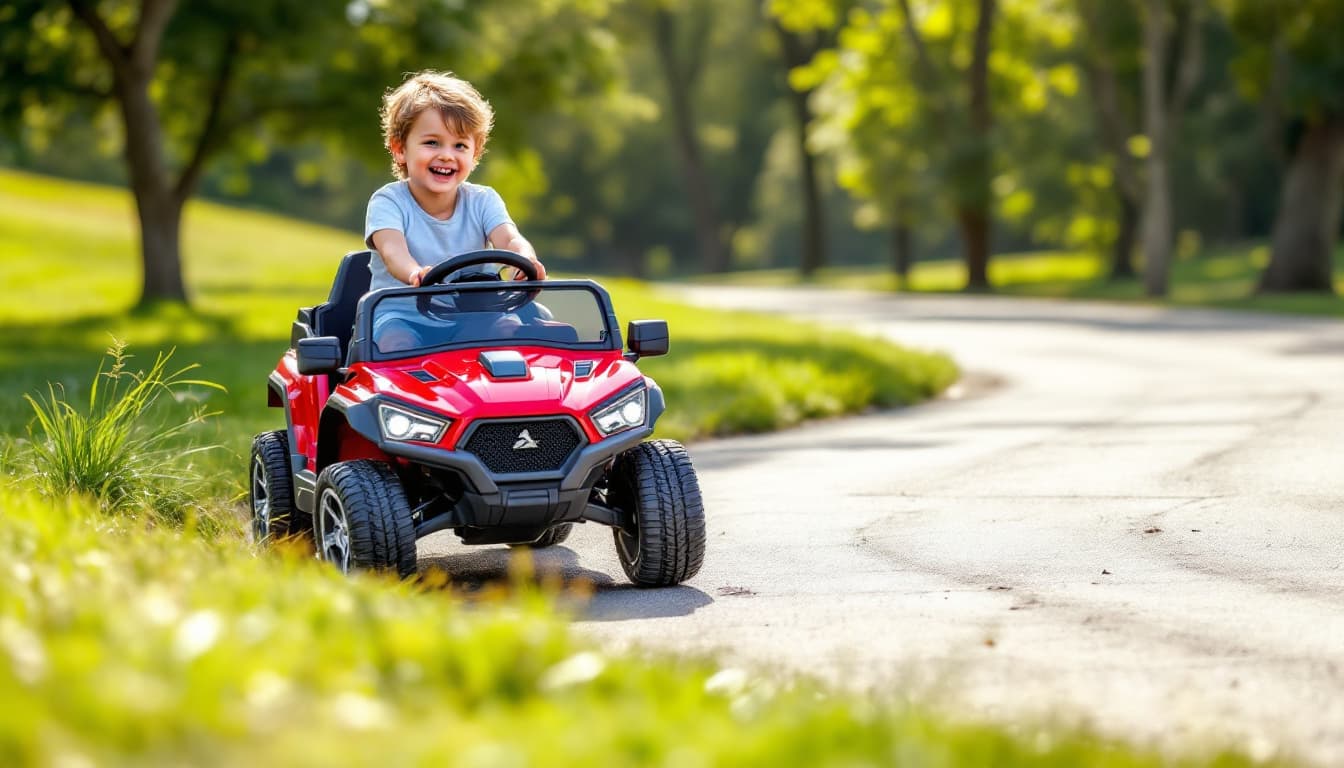
Plastic tires are simple, hard, and reliable. They are molded from common polymers like polypropylene or polyethylene, which keeps weight low and costs down. That combo makes them a smart pick for starter ride-ons, especially when you want easy speed on smooth floors. They do not flex much, so they roll fast on tile, vinyl, and hardwood with little resistance.

You trade some grip and quiet for price and simplicity. On flat, indoor surfaces, they shine. Outdoors on rough concrete, they can rattle and scuff. For many families, the value is clear. A budget ride-on with plastic wheels delivers basic fun without a big bill. If you want a quick overview of strengths and limits, this breakdown of plastic tires vs. rubber tires on kidsโ€™ ride-ons covers affordability, weight, and traction at a glance.

Practical care keeps plastic wheels rolling longer. Clean them, avoid rough ground when possible, and check for wear at the treads and axles. A little routine attention helps you stretch every dollar while keeping rides smooth and safe. For a broader look at wheel types and where they perform best, see this guide to best wheels for kidsโ€™ ride-on toys.

When Plastic Tires Deliver Value Without the Fuss

Last winter, Miaโ€™s toddler circled their apartment kitchen in a bright ride-on with hard plastic wheels. The tile floor was smooth, so the little car glided with barely a push. The higher Shore hardness of plastic meant less flex, more roll, and a tiny boost in speed on tile and laminate. Noise was present but not a deal-breaker amid daytime play. After snack time, a quick wipe removed crumbs and dust. No punctures, no air, no drama.

Plastic tires work best when your space is flat and predictable. They suit quick laps in hallways and living rooms, plus supervised playrooms at grandparentsโ€™ homes. They also make sense for very young riders who are still learning start and stop. You get simple control and light weight, which helps parents carry the toy up stairs or load it into a trunk.

  • Easy wins: smooth indoor floors, short rides, tight budgets.
  • Cleaning is simple: a damp cloth or mild soap keeps treads clear.
  • No flats: solid plastic means no tubes, no leaks.
  • Apartment friendly: daytime noise stays manageable on tile and wood.

If you want basic fun without fuss, plastic tires do the job. They are a low-risk, high-smile choice for early years.

Make Plastic Tires Last Longer: Quick Care Tips

Small habits can double the life of plastic wheels. Keep maintenance simple and consistent.

  • Wipe after play: dirt and grit act like sandpaper. Clean wheels with a damp cloth and mild soap.
  • Choose smooth routes: favor tile, vinyl, hardwood, or sealed concrete. Avoid coarse asphalt that scuffs and chips.
  • Rotate usage: if one wheel wears faster, switch riding direction in play areas to even out wear.
  • Check tread edges: sand down sharp burs with fine sandpaper to prevent snags and noise.
  • Protect axles: add a drop of silicone or PTFE lubricant on the axle, not on the tread.
  • Mind the weight rating: stay within the toyโ€™s weight limit to prevent flat spots.
  • Store smart: park indoors and off hot patios. Heat can warp thin plastic and weaken hubs.
  • Start slow: use low speed modes when available. Gentle starts cut wheel spin on slick floors.
  • Add grip bands if needed: snap-on traction rings designed for plastic wheels can reduce slip without permanent changes.

Follow these steps and your budget ride-on stays fun, safe, and ready for daily laps.

Grip Showdown: How EVA Tires Keep Kids Steady and Safe

Child cornering on a ride-on with EVA tires gripping grass and pavement Image created with AI. A child taking a tight corner on mixed grass and pavement with EVA tires gripping securely.
Think of EVA tires like car tires made for kidsโ€™ adventures. The rubber-like texture bites into pavement and grass, so starts are steady and turns feel planted. Hard plastic behaves more like a grocery cart wheel on slick tile, it rolls fast, but it can slide when kids turn or stop. Parents want fewer skids, fewer โ€œoopsโ€ moments, and more smiles. EVA delivers that with real grip, quiet rolling, and tougher wear, which adds up to safer, calmer playtime. For a quick primer on why EVA runs quieter and more controlled than hard plastic, see this balanced overview of best wheels for kidsโ€™ ride-on toys.

Noise Levels: Quiet Rides That Won’t Annoy the Neighborhood

EVA foam absorbs vibrations that plastic simply passes along. That soft core acts like a mini shock absorber between the wheel and the ground, so you hear a gentle thrum instead of a clack-clack on concrete. Parents describe a huge drop in rattle on driveways and patios, which keeps play peaceful during nap windows and early mornings.

In community groups and product reviews, EVA-equipped ride-ons get consistent praise for quiet operation. The reason is simple, less vibration means less sound. Independent guides echo this, noting EVA wheels run quieter and feel smoother across tile, hardwood, and pavement. For a straightforward explanation of how EVA foam cuts noise and maintenance, this breakdown of EVA foam vs. air tires is a helpful reference.

Lower noise does more than keep the peace. It also keeps kids playing longer. Reduced clatter means less sensory overload for little riders, and fewer โ€œthatโ€™s too loudโ€ warnings from neighbors. If you want longer, calmer sessions on sidewalks or in shared spaces, EVA is the smart upgrade.

Wear and Durability: Long-Lasting Tires That Save You Money

Hard plastic can chip, glaze, and crack after months of outdoor use, especially under sun and on rough concrete. EVA stands up better. The material resists cracking and scuffs, and it wears down evenly instead of splintering at the edges. Many retailers and guides report that EVA outlasts basic plastic in home use, sometimes two to three times longer, thanks to its elastic structure and impact resistance. As a general rule, EVA works best on pavement, tile, and trimmed grass, where it keeps shape and traction over years of play. See how experts frame the tradeoffs in this practical guide to kidsโ€™ ride-on car wheels.

Use these quick checks to buy EVA that lasts:

  • Look for dense EVA, not spongy foam. Denser compounds resist flat spots and heat damage.
  • Inspect the tread. Even shallow patterns add grip and slow wear on corners.
  • Check hub quality. A solid hub and clean axle fit prevent wobble and premature scuffing.
  • Favor brands that state UV resistance and material specs. Clear specs signal stronger compounds.

Bottom line, EVA pays you back. Fewer replacements, fewer cracked wheels, and more reliable grip for safe stops and turns. It is the โ€œbuy once, ride oftenโ€ choice for worry-free adventures.

Picking the Right Tires: Safety Tips and Top Recommendations

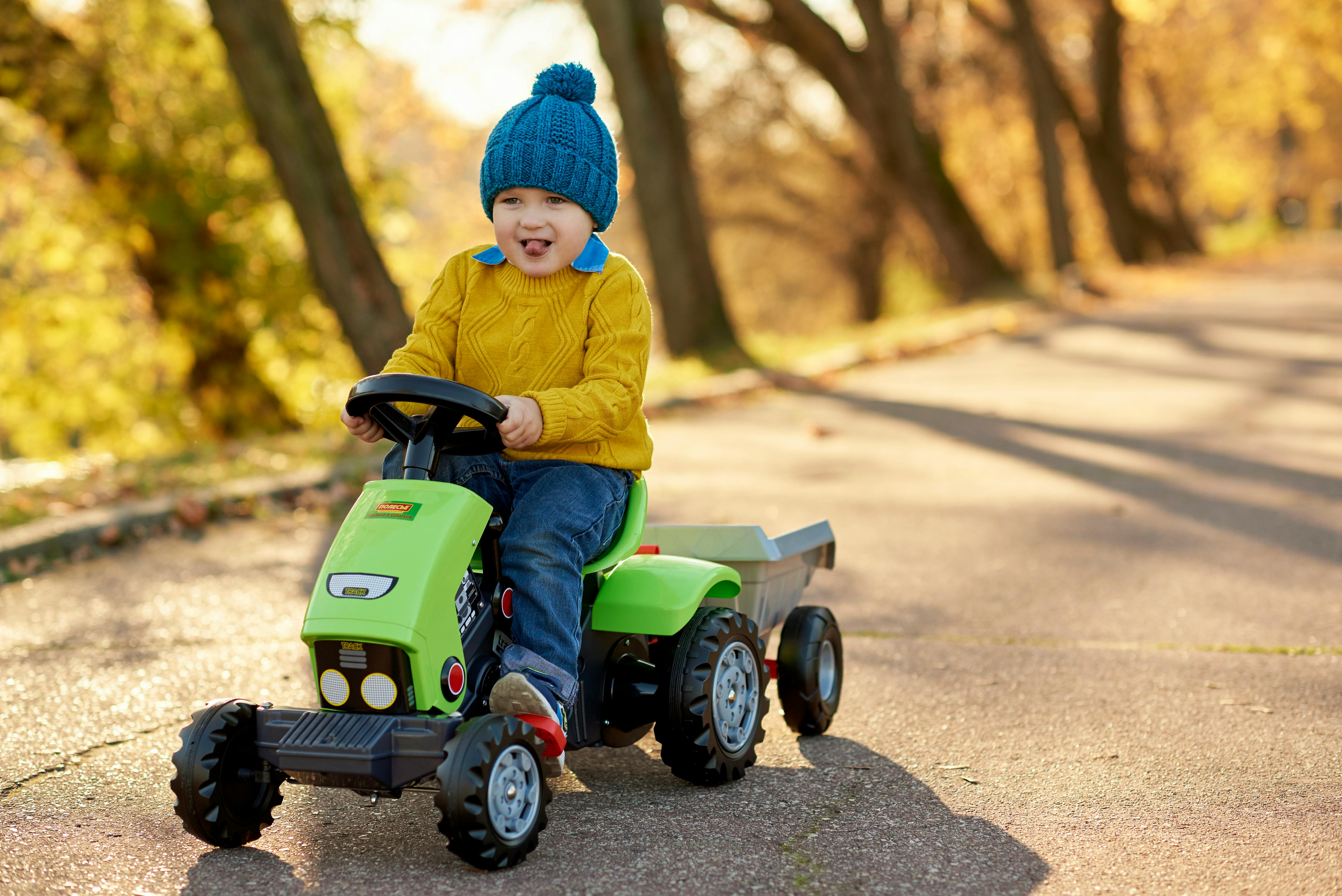
A playful young boy rides a green toy tractor on a sunny autumn day. A child enjoying a smooth ride on a toy tractor, a good reminder that the right tire choice keeps play safe and fun. Photo by Polesie Toys
Tires decide how safe, quiet, and fun each ride feels. For most families, EVA wins on everyday grip, lower noise, and better wear on pavement and tile. Plastic still makes sense for simple indoor play on smooth floors and tight budgets. Use the notes below to match tires to your space, speed, and safety needs.

Quick Comparison: EVA vs Plastic at a Glance

FactorEVA TiresPlastic Tires
Best surfacesPavement, tile, hardwood, short grassTile, vinyl, hardwood
GripHigher traction, steadier stopsLower traction, can slide
NoiseQuieter on hard groundLouder, more rattle
WearResists chips and crackingCan glaze or chip outdoors
PriceMid-tierLowest cost

For a broad wheel overview by surface and age, see this guide on best wheels for kidsโ€™ ride-on toys.

Safety Tips That Matter Right Away

  • Check tread and edges: Smooth plastic edges slide on tile. Light tread on EVA helps starts and stops.
  • Match tire to terrain: EVA for patios, driveways, and mixed indoor use. Plastic for short indoor laps.
  • Keep speeds modest outdoors: Better grip can add load on parts. Sudden stops strain gears and hubs. Community mods often note this risk in high-traction setups, as discussed in this PowerWheels thread.
  • Watch weight limits: Overloading flattens foam cores and warps plastic hubs.
  • Inspect weekly: Look for cracks, flat spots, or wobble at the hub.

Top Picks Based on Your Setup

  • Mostly outdoors on pavement or mixed surfaces: Pick EVA. You get safer grip, less noise, and longer life.
  • Indoor apartments and smooth floors only: Plastic is fine and fast, with the best price.
  • Split use, indoors and driveway: EVA still edges out for balance and comfort.
  • Rough lawns or trails: Consider air or foam-filled options. If you stay with EVA, choose dense compounds with real tread.

Action Steps

  • Flip the ride-on and inspect each wheel. Check tread depth, edges, and hub fit.
  • Spin each wheel. Listen for scrape or wobble. Tighten hardware if needed.
  • Note your main surface. Choose EVA for outdoor or mixed play, plastic for basic indoor laps.
  • If buying new, favor dense EVA with a light tread and solid hubs. If keeping plastic, add traction bands for a quick grip boost.
  • Do a short test ride in the space your child uses most. Check start grip, turning control, and noise.

Authentic pick: EVA suits most families who want safer grip, quieter rides, and strong value over time. Plastic still wins for simple, budget indoor fun.

Bestseller #1
  • 2PCS 21.5CM/8.5in Rubber Tire for Ride On Car Aperture 1.2CM/0.47in Black PU Soft Solid Tire for DIY self-made Power Whe…
  • High-Quality Bearings: We Have Installed 2 High-Quality Bearings On Each Tire To Reduce Friction and Noise, And We Have …
  • High-Quality Materials: The Outer Layer is Made of High-Grade Solid Rubber and Plastic Materials. It is a Professional D…
Bestseller #2
  • 2-Pack 10″x3.5″ Rubber Pneumatic Tire for Power Wheel Ride On Car, 10in Replacement Wheels with Bearings, Compatible wit…
  • Smooth & Quiet Ride โ€“ Each wheel is equipped with a high-quality bearing, reducing friction and noise while increasing w…
  • Perfect Size Fit โ€“ Each replacement wheel measures 10″ (26cm) in diameter, 3.5″ (9cm) in width, and 0.47″ (1.2cm) bore d…
Bestseller #3
  • Very important: The Tire Size is Complex, We have Filmed a Video Measuring the Tire. Please Watch the Video and Follow t…
  • Size: diameter 37CM/14.5in, aperture 1.6CM/0.63″, 370ร—130.The black tread has metal bearings, and the size is very compl…
  • Material and Advantages: Made of EVA soft Material, Not Plastic or Rubber.Alligator Tread Pattern, Equipped with Soft EV…

Conclusion

The ride you pictured at the start tells the story. EVA tires grip better, run quieter, and wear slower, so kids stay steady and you hear less clatter. Plastic still works on smooth floors and tight budgets, but EVA brings safer stops, calmer turns, and fewer wheel issues over time. That means more smiles per charge and less money spent on replacements.

Small upgrades make a big difference. Moving to EVA reduces slips on pavement and tile, softens bumps on seams, and keeps noise in check around nap time. You get simple upkeep, reliable traction across common home surfaces, and a ride that feels confident to young drivers. Parents win on long-term value, kids win on comfort and control.

Ready to lock in smoother, safer fun? Choose EVA for everyday use on patios, driveways, and floors. If you already own a ride-on, upgrading the wheels is a fast path to better grip and lower noise. If you are buying new, pick a model that highlights durable EVA with a sensible tread.

Thank you for reading. Share what surfaces your child rides on most, then check out EVA options today and set up happier rides that last.

FAQs

1. What is the difference between EVA and plastic tires on kids ride-on toys?

EVA tires are made from soft foam material that offers better grip and quieter riding, while plastic tires are hard, rigid, and more durable but noisier. The main differences are traction, noise level, comfort, and wear rate.


2. Which tires provide better grip: EVA or plastic?

EVA tires provide better grip than plastic tires. Their soft, slightly flexible surface increases traction on tile, wood, concrete, and pavement, reducing slipping during turns and acceleration.


3. Are EVA tires safer than plastic tires for kids ride-on cars?

Yes, EVA tires are generally safer because they offer improved traction, smoother handling, and less vibration, which helps children maintain better control, especially on smooth indoor floors and outdoor sidewalks.


4. Which kids ride-on tires are quieter?

EVA tires are significantly quieter than plastic tires. EVA foam absorbs vibration and reduces rolling noise, making them ideal for indoor use and shared living spaces.


5. Do plastic tires last longer than EVA tires?

Yes, plastic tires typically last longer than EVA tires because they are hard and resistant to abrasion. However, they trade durability for lower grip, higher noise, and reduced comfort.


6. Do EVA tires wear out quickly?

EVA tires wear at a moderate rate with regular use. While they do not crack or puncture, heavy use on rough surfaces may cause gradual flattening or compression over time.


7. Which tires are better for indoor use?

EVA tires are better for indoor use due to their quiet operation and non-slip surface. Plastic tires can slide on smooth floors and create loud rolling or scraping noise.


8. Are EVA tires good for outdoor riding?

Yes, EVA tires perform well outdoors on pavement, sidewalks, and driveways. They provide better grip and shock absorption than plastic tires, though plastic tires may last longer on very rough terrain.


9. Are plastic tires bad for kids ride-on toys?

Plastic tires are not bad, but they are basic. They are best suited for budget ride-ons and flat indoor surfaces. Parents should be aware of increased noise, reduced grip, and stiffer ride quality.


10. Which tires should parents choose for kids ride-on cars?

Parents should choose EVA tires for better grip, lower noise, and improved safety. Plastic tires are suitable for low-cost ride-ons or heavy-duty use where durability matters more than comfort.

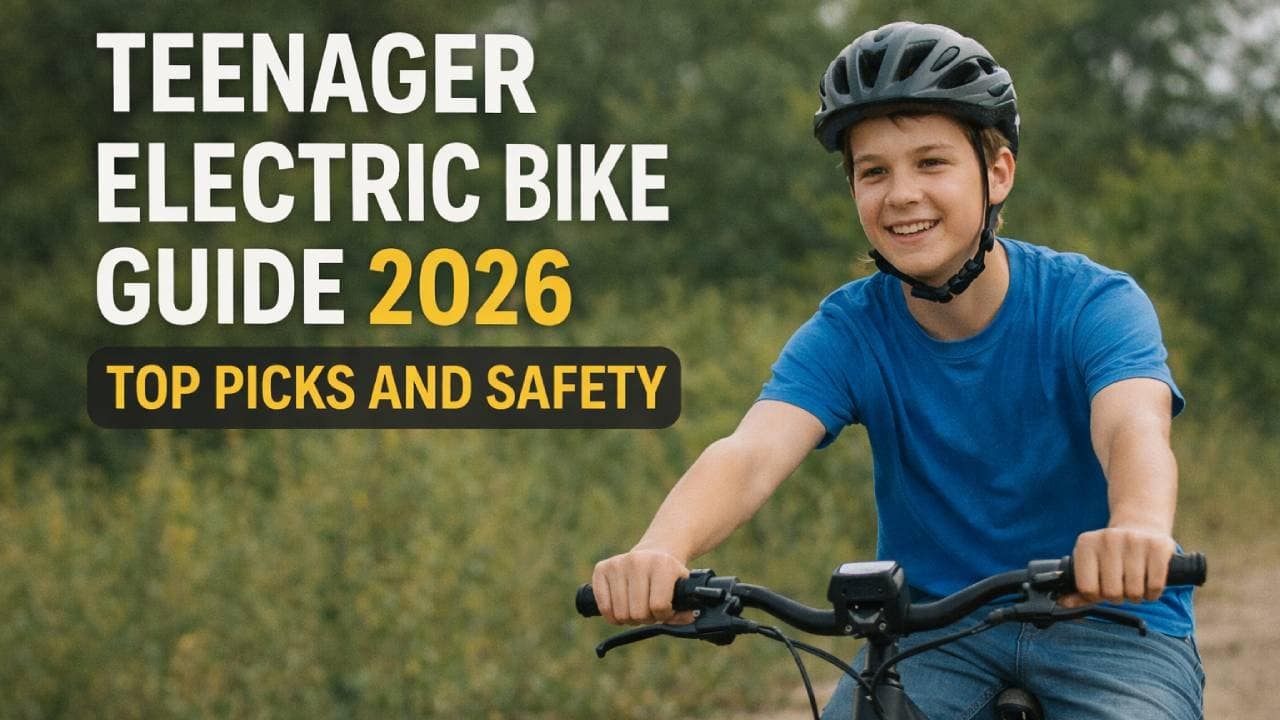
Teenager Electric Bike Guide 2026 (Top Picks and Safety)

Teenager Electric Bike Guide 2026 (Top Picks and Safety)

Riding to school or practice should feel simple and fun. A teenager electric bike makes that possible, turning hills into flat ground and long rides into quick trips.

A teenager electric bike is a pedal-assist bicycle with a compact motor and battery. You still pedal, and the motor adds smooth power to help with hills, headwinds, and steady speed. Most models let you choose assist levels, so you control effort, range, and pace.

This setup fits daily commutes, weekend rides, and short errands. It cuts car rides and bus waits, reduces stress in traffic, and keeps you moving. With quiet motors and zero tailpipe emissions, it is a clean option for getting around town.

Teens like the independence and consistent travel time. Parents value predictable speeds, strong brakes, and lights for visibility. Good models balance weight, battery range, and safe top speeds, so rides feel stable and controlled.

In this guide, you will learn what to look for in a teenager electric bike, how motor power and battery size affect range, and the best use cases for school and city streets. We will cover top models for 2026, key safety tips on speed control and braking, and the core benefits that matter for daily rides.

Top Teenager Electric Bike Models for 2026

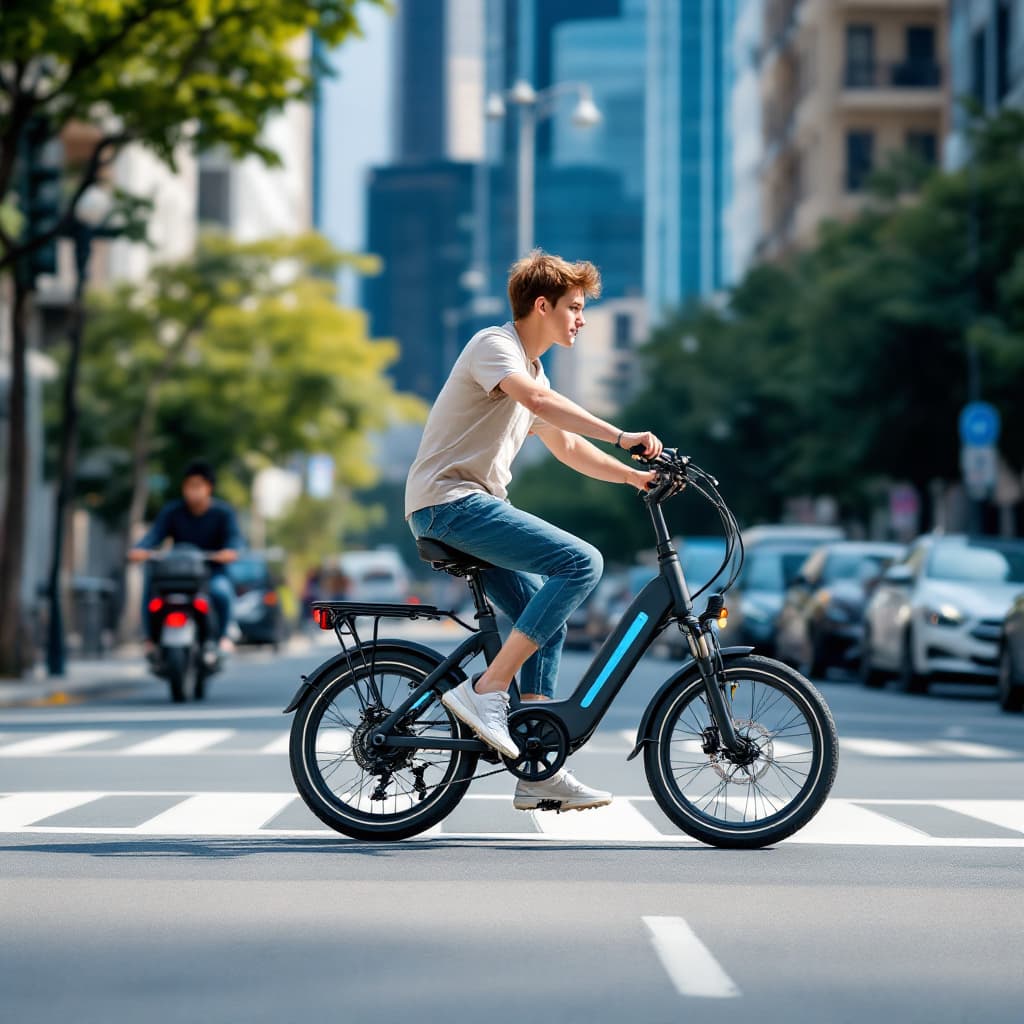
Teen rider on a compact folding e-bike in city traffic Image created with AI

Shopping for a teenager electric bike comes down to safe speed, strong brakes, and easy handling. The picks below meet class rules for U.S. streets, pack practical features for school or practice, and land in the $800 to $2,000 range. For broader context on 2026 testing, see Bicyclingโ€™s best e-bikes roundup and this guide from Electric Bike Report.

Ride1Up Portola: Compact and Powerful Choice

The Portola folds fast and fits small spaces, so it slides into dorms, lockers, or a car trunk. It weighs about 62 lbs, which is typical for a folding e-bike with a sturdy frame. A 750W motor gives quick starts and steady hill support. Top speed is 20 mph, a safe ceiling for teens riding to class.

  • Hydraulic brakes deliver confident, short stopping distances.
  • Folding design improves storage and theft deterrence.
  • 20 mph cap keeps speeds predictable on campus.

College commuters like the mix of range, speed, and portability. Add a good lock and you get a sharp daily tool that stays practical over time.

Electra Vale Go 9D EQ: Ready for Daily Rides

This bike is built for city duty. Integrated lights and full fenders boost visibility and keep clothes clean. A 250W motor pairs with pedal assist to 20 mph for calm control in traffic. Teens in New York or California will value the smooth assist and upright posture for scanning streets.

  • Included lights and fenders support year-round commuting.
  • Class 1/2 behavior feels natural for urban routes.
  • Often sold at local Trek/Electra dealers for easy service.
Bestseller #1
  • ใ€16โ€ Fat Tires with Full Suspensionใ€‘Featuring all-terrain fat tires for enhanced abrasion resistance, better grip, and s…
  • ใ€Dual Hydraulic Brakesใ€‘Our electric bike has passed UL certification. To further enhance safety and reliability, we have…
  • ใ€48V 15.6AH Removable Batteryใ€‘Tamobyke electric bike features a high-performance 48V 15.6AH lithium-ion battery, offerin…
Bestseller #2
  • ใ€Small Size Electric Bike for Teensใ€‘With its compact 16″ tire frame, the Jasion YR16 electric bike is specially designed…
  • ใ€Enhanced Shock Absorptionใ€‘Built with 4 shock absorbers (front and rear), a large shock-absorbing seat, and 16″x4″ fat t…
  • ใ€Safety First โ€“ Certified & Reliableใ€‘Jasion YR16 e-bikes are certified to UL standards. Dual disc brakes deliver strong,…
Bestseller #3
  • Powerful 560W Motor & 24MPH Speed โ€“ This Electric Bike is equipped with a high-torque 560W motor, delivering rapid accel…
  • Removable 48V 10Ah Battery โ€“ Featuring a long-lasting 48V 10Ah removable lithium battery, this Electric Bicycle offers e…
  • 3-Level Pedal Assist & Dual Disc Brakes โ€“ Customize your ride with 3 levels of pedal assist, allowing you to switch betw…

Macfox M19: Built with Teens in Mind

The M19 targets new riders. A speed limiter to 16 mph keeps pace safe while skills grow. The 250W motor runs quiet, and simple controls reduce button overload. It hits the sweet spot for safety-conscious parents and high schoolers who want fun without high speed.

  • Beginner-friendly UI with clear assist steps.
  • Calm power delivery improves traction and confidence.

Young rider on an e-bike in a sunny lot Photo by Alimurat รœral

Aventon Aventure.2: For Adventure-Seeking Teens

This fat-tire model uses a 750W motor for strong hill support and soft-surface grip. It can reach 28 mph in Class 3 mode, so reserve that for experienced older teens and proper routes. It features a UL-certified battery, which adds a higher safety bar for charging and storage in dorms or garages.

  • Class limiter lets you set lower speeds for daily rides.
  • Wide tires add stability on rough bike paths.

Where to buy: brand sites, local bike shops, or major online retailers. Compare posted specs, confirm UL battery listings, and check return policies before you commit.

Essential Safety Tips for Teen Electric Bike Riders

E-bikes move faster and weigh more than regular bikes, so mistakes carry higher risk. A teenager electric bike can hit 20 mph in Class 1 or 2 modes, which shortens reaction time and lengthens stopping distance. Build safe habits first, then add speed and distance.

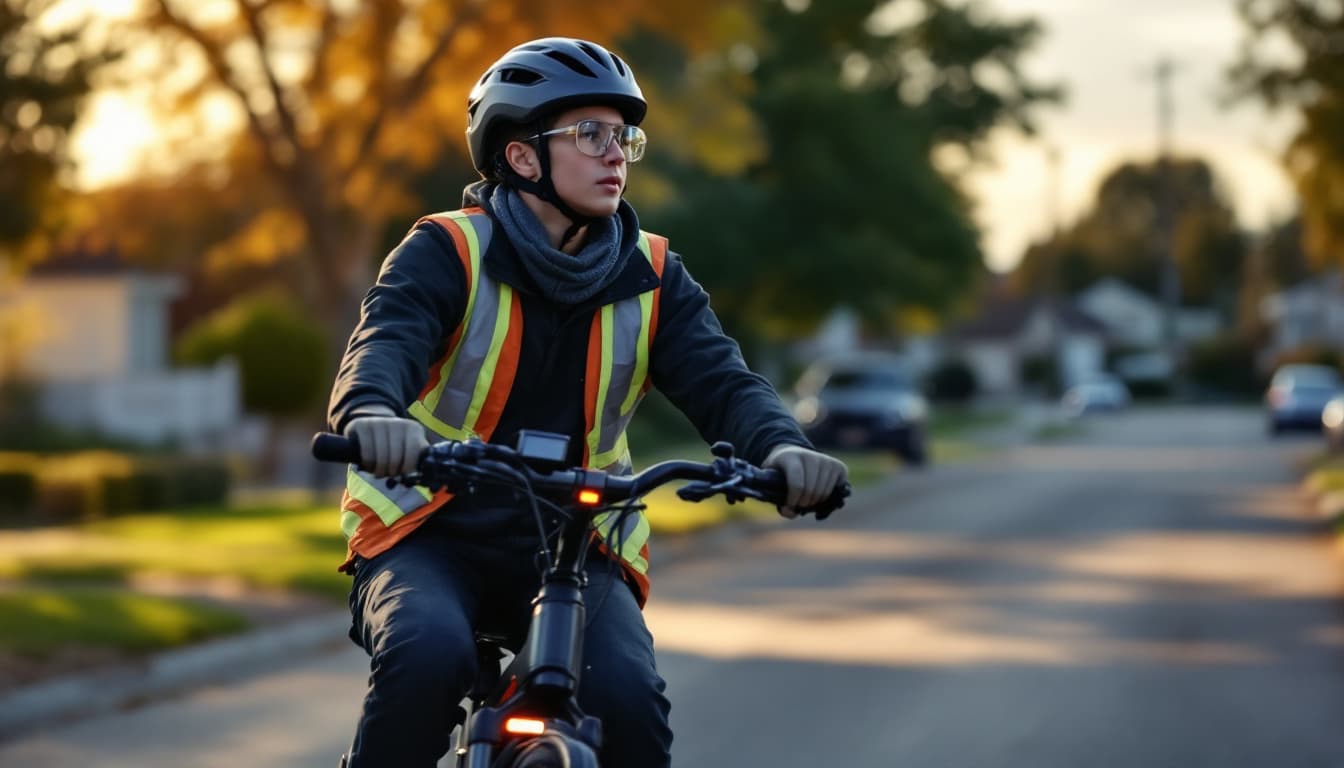
Teen riding an e-bike at dawn with helmet, reflective vest, and lights on Image created with AI

Gear Up with the Right Helmet and Visibility Tools

Head protection is non-negotiable. Choose a CPSC-rated bike helmet that sits level, touches all around, and does not shift when you shake your head. Tighten the Y straps under your ears and set a snug chin strap.

  • Wear gloves and glasses to protect hands and eyes from slips, grit, and bugs.
  • Boost visibility with a reflective vest or sash, front white light, and rear red light. Add spoke or pedal reflectors for side view.
  • Low light routine for dawn school runs or evening rides: lights on high, reflective layer visible, and slow down near crosswalks.

For a quick refresher on family e-bike safety basics, see these practical tips from Cottage Health in their guide on proper helmets and staying off sidewalks.

Master Braking and Speed Control

Practice before traffic. Use an empty parking lot to learn smooth stops and controlled starts.

  • Use both brakes, biasing the front slightly for more stopping power. Keep arms firm, hips back, and eyes up.
  • Prefer hydraulic disc brakes for better modulation and wet grip. Squeeze smoothly, not in a grab.
  • Set assist to a lower level in crowded areas. Respect posted limits. Many city routes cap safe flow to 16 to 20 mph, which suits teen riders in states like Texas and Florida.

Do short drills: ten slow-to-stop runs, then slalom at walking speed. Repeat weekly.

Follow Rules and Stay Alert on the Road

Ride where bikes are allowed. Choose Class 1 or 2 settings for school routes. Follow signals, ride with traffic, use a clear hand signal 100 feet before turns, and yield to pedestrians. Avoid sidewalks unless your city allows them.

  • Keep phones away. No headphones or earbuds. Your ears are early warning sensors.
  • Do quick checks before each ride: tire pressure, brake pad rub, rotor clearance, and battery mount tightness.
  • For teen-focused road etiquette, scan this clear list of predictable, visible riding rules for teens.

Why Teenager Electric Bikes Boost Fun and Freedom

A teenager electric bike turns long routes into quick, repeatable trips. Pedal assist fills the gap between a standard bike and a scooter, adding steady power while you stay in control. That mix builds daily freedom for suburban and city riders, with real gains in speed, distance, and confidence.

Teen rider cruising a coastal path on an e-bike at sunset Image created with AI

Easier Commutes and More Adventure Time

The motor adds smooth torque when you need it. Hills feel flatter, headwinds feel lighter, and starts at lights feel simple. You keep pedaling, but the bike shares the work.

  • Home to school, then practice, without the burnout you get on a regular bike.
  • Weekend rides to the beach or park, with energy left for the swim or game.
  • Cross-town trips to friendsโ€™ houses, where consistent speed cuts time lost in traffic.

Compared with a traditional bike, pedal assist increases average speed while keeping effort stable. You cover more ground per minute, and you arrive less sweaty. Most teens cruise in the 14 to 20 mph range on Class 1 or 2, which fits typical city flow. Hospitals have noted that longer distances with less effort are a key part of the e-bike appeal for teens, which matches real-world use for school and errands. See this overview on e-bike popularity and teen use.

Health and Eco Wins for Active Teens

A teenager electric bike still rewards effort. You pedal to engage assist, so you stack steady aerobic minutes without spikes. For scooter fans moving to bikes, this is a smart upgrade because the body stays part of the ride.

  • Fitness: Light to moderate cardio, better joint comfort, and more days on the saddle.
  • Green impact: Zero tailpipe emissions and a small grid footprint per charge.
  • Budget: Pennies per charge, low cost per mile, and fewer car rides.

Teens who ride often report better independence and mood, and they stay social on group rides. Coverage points to these wider benefits for high school riders and young adults, including mental health and community ties. For a broader look, see this analysis on health gains and independence with e-bikes. Compared with a standard bike, the assist system removes the โ€œtoo farโ€ barrier. That means more consistent riding, which compounds fitness, savings, and lower emissions over the school year.

Bestseller #1
  • ใ€16โ€ Fat Tires with Full Suspensionใ€‘Featuring all-terrain fat tires for enhanced abrasion resistance, better grip, and s…
  • ใ€Dual Hydraulic Brakesใ€‘Our electric bike has passed UL certification. To further enhance safety and reliability, we have…
  • ใ€48V 15.6AH Removable Batteryใ€‘Tamobyke electric bike features a high-performance 48V 15.6AH lithium-ion battery, offerin…
Bestseller #2
  • ใ€Small Size Electric Bike for Teensใ€‘With its compact 16″ tire frame, the Jasion YR16 electric bike is specially designed…
  • ใ€Enhanced Shock Absorptionใ€‘Built with 4 shock absorbers (front and rear), a large shock-absorbing seat, and 16″x4″ fat t…
  • ใ€Safety First โ€“ Certified & Reliableใ€‘Jasion YR16 e-bikes are certified to UL standards. Dual disc brakes deliver strong,…
Bestseller #3
  • Powerful 560W Motor & 24MPH Speed โ€“ This Electric Bike is equipped with a high-torque 560W motor, delivering rapid accel…
  • Removable 48V 10Ah Battery โ€“ Featuring a long-lasting 48V 10Ah removable lithium battery, this Electric Bicycle offers e…
  • 3-Level Pedal Assist & Dual Disc Brakes โ€“ Customize your ride with 3 levels of pedal assist, allowing you to switch betw…

Conclusion

A teenager electric bike should feel safe, quick, and easy to manage. The Portola folds and stops fast, the Vale Go 9D EQ handles daily city use, the Macfox M19 keeps speeds calm for new riders, and the Aventure.2 offers wider tires and a class limiter for flexible control. Each pick balances power, range, and brakes so teens get stable rides at practical speeds.

Lock in safety first. Wear a CPSC-rated helmet, run bright lights, and practice smooth braking with both levers. Keep assist low in crowds, use Class 1 or 2 for school routes, and test stops in a parking lot before traffic. These habits cut risk and build skill.

The gains are clear. Faster trips, less stress on hills, steady cardio, lower costs per mile, and no tailpipe emissions. Choose the teenager electric bike that fits your route, size, and speed comfort, then start with short practice rides and grow your range.

Share your ride tips and setups in the comments, or visit a local shop to test fit and dial in settings. Ride smart, stay visible, and enjoy the freedom.

FAQs

1. What is the best electric bike for teenagers in 2026?

The best electric bike for teenagers in 2026 depends on age, height, riding purpose, and local e-bike laws. Top picks typically include Class 1 or Class 2 e-bikes, lightweight frames, speed limits under 20 mph, reliable disc brakes, and long-lasting lithium batteries for safe daily riding.


2. Are electric bikes safe for teenagers?

Yes, electric bikes are safe for teenagers when proper safety features are included. Teen-friendly e-bikes should have speed limiters, responsive brakes, sturdy frames, LED lights, and certified batteries. Wearing helmets and protective gear significantly reduces injury risk.


3. What age is appropriate for a teenager to ride an electric bike?

Most manufacturers recommend electric bikes for teenagers aged 13 to 18, depending on bike size and power output. Younger teens should ride low-speed e-bikes (250Wโ€“500W) with parental supervision and local law compliance.


4. How fast should a teen electric bike go?

A safe speed for teenager electric bikes is 15โ€“20 mph. Class 1 and Class 2 e-bikes are ideal, as they limit speed automatically and reduce accident risk while still offering fun and efficient transportation.


5. What motor power is best for teen electric bikes?

The ideal motor power for a teen electric bike ranges from 250W to 500W. These motors provide smooth acceleration, good hill performance, and controlled speed without being overpowering for young riders.


6. Are electric bikes legal for teenagers in 2026?

Electric bike laws vary by country and state in 2026. In most regions, Class 1 and Class 2 e-bikes are legal for teenagers, while higher-speed Class 3 e-bikes may require a minimum age, license, or helmet use. Always check local regulations.


7. How long does a teen electric bike battery last?

Teen electric bike batteries typically last 20โ€“50 miles per charge, depending on motor power, terrain, rider weight, and riding mode. Lithium-ion batteries used in 2026 models offer longer lifespan and faster charging.


8. What safety gear should teenagers wear on electric bikes?

Teen riders should always wear a certified helmet, along with knee pads, elbow pads, gloves, and reflective clothing. For night riding, bikes should include front and rear lights for visibility.


9. Are electric bikes good for teenagers commuting to school?

Yes, electric bikes are an excellent option for teenagers commuting to school. They are eco-friendly, cost-effective, and faster than traditional bikes, while encouraging independence and reducing reliance on cars or public transport.


10. How much does a good teen electric bike cost in 2026?

In 2026, a quality electric bike for teenagers typically costs between $500 and $1,200, depending on motor power, battery range, safety features, and brand reputation. Investing in safety and durability is more important than choosing the cheapest option.

Lithium vs Lead-Acid for Ride-On Cars (Cost, Run Time, Safety)

Lithium vs Lead-Acid for Ride-On Cars (Cost, Run Time, Safety)

Picture this: your kid cruising the driveway, music on, big grin, no sudden slowdowns. The battery you choose decides how long that joy ride lasts, how often you charge, and how much you spend over the next few years.

Here is the quick answer. Lithium wins for longer run time, faster charging, lighter weight, and lower total cost over time. Lead-acid costs less upfront but runs shorter, weighs more, and needs more maintenance. Based on 2025 trends, lithium delivers big value despite the higher initial price.

In this guide, you will see clear comparisons on cost, run time, and safety, so you can pick with confidence. We will cover what matters to parents, like fewer mid-ride stalls, safer charging, and more smiles per charge. If you are also weighing voltage, this breakdown of 12V vs 24V ride-on cars: battery comparison can help frame your choice.

Breaking Down the Costs: Lead-Acid vs Lithium for Ride-On Cars

Parents want smiles, not stalls. Cost is part of that picture. Here is how the numbers shake out when you compare 12V lead-acid and lithium batteries for kidsโ€™ ride-on cars, from what you pay on day one to what you spend over the next few years.

Upfront Price Tags and Hidden Expenses

A quick price snapshot helps frame the choice:

Battery typeTypical 12V priceWeightCharge speedCommon risks
Lead-acid$20 to $50HeavySlowSpills, leaks if mishandled
Lithium$50 to $150LightFastHigher initial cost

Lead-acid wins the entry price race. If you need the lowest upfront spend, a 12V sealed lead-acid battery can look attractive. The catch sits in what you do not plan for, like messes from cracked cases, spills after rough handling, or sulfation if stored poorly. Those issues can lead to early replacements and extra hassle.

Lithium asks more up front, then pays you back. You get less weight, so the car starts and climbs better. You also charge faster, often in a fraction of the time. Faster, more efficient charging can trim charging electricity by about 20 percent over a year because the charger runs fewer hours and wastes less energy as heat. Independent cost studies echo the long-run advantage. For example, this lithium vs lead-acid cost analysis shows lithium is cheaper per usable kilowatt-hour over its lifetime, despite the higher sticker price.

Want a quick feel for real-world playtime? Many parents report longer rides per charge when they switch. As a reference, kids often get a 30 to 50 percent bump in play time per cycle with lithium compared with lead-acid, as noted in this overview of lead-acid vs lithium-ion batteries.

If you want to stretch any batteryโ€™s life, skim these practical tips on avoiding common charging mistakes in our guide to ride-on car battery life tips for beginners.

Long-Term Savings That Add Up

Replacements, maintenance, and electricity shape your total cost. Here is a simple cycle-count example that shows why lithium often saves money over time.

  • Assumptions:
    • Lead-acid life: about 200 cycles. Typical lifespan: 1 to 2 years.
    • Lithium life: about 500 cycles. Typical lifespan: 3 to 5 years.
    • Average 12V prices mentioned above.
    • Similar play patterns for both batteries.

Run the math on a multi-year timeline:

  • Lead-acid, at 200 cycles, may need two or three purchases to match one lithium packโ€™s cycle life. If each lead-acid unit costs $30 to $40 on average, your replacement total can hit $60 to $120 over a few years.
  • Lithium, at 500 cycles, often holds for the entire period at one purchase of $80 to $120.

Even before electricity and time savings, the cycle math is close. Add in the fast-charge efficiency and the lack of maintenance, and lithium pulls ahead. Parents can skip watering tasks that some lead-acid types need, avoid downtime from voltage sag, and keep the fun rolling with fewer โ€œsorry, it is chargingโ€ moments.

From 2025 sources and field results, many buyers see lithium deliver a 30 to 50 percent lower total cost over its life. That range reflects fewer replacements, less wasted energy, and better retention of capacity after months of use. The lighter weight also helps performance, so kids enjoy longer, happier rides per charge.

Total ownership cost also includes energy and time:

  • Energy cost: Faster, more efficient charging shortens charge hours, which helps lower the electric bill. That 20 percent reduction adds up across hundreds of cycles.
  • Time cost: Fewer replacements, fewer deep charges, and faster top-ups mean less tinkering and more weekend play.

Where to buy without overspending:

  • Look for reputable sellers that list cycle life and warranty up front. Check verified reviews that mention run time and charge time.
  • Compare kits that include a matched charger. A compatible smart charger protects your battery and reduces the risk of overcharge.
  • Watch seasonal promos for 12V bundles. If you are shopping a full ride-on, review the battery and charger specs in product pages like this 12V rechargeable battery-powered ride-on car to see the power system you are getting.

Big picture, lithium cuts replacements and charging time, which frees up money for extra toys, upgrades, or a family outing. If you value consistent run time and fewer headaches, the lifetime math makes a strong case for going lithium.

Bestseller #1
  • Wide Compatibility: The 24V 7Ah lithium battery is expertly engineered for seamless compatibility with a wide array of 2…
  • Important Usage Note: Our 24V 7Ah lithium battery is exclusively designed for 24-volt motors and is not suitable for 12V…
  • Lightweight & Extended Playtime: Experience significantly longer play sessions with our lightweight 24V 7Ah lithium batt…
Bestseller #2
  • [Excellent Power & Longer Drive] – The ENYOPRO 24V 2 seater battery powered car for kids boasts dual 90W robust engines …
  • [Wider 2-Seater & 132Lbs Load] – This 24V electric truck for kids is designed with 21โ€œ roomy dual seats, making it perfe…
  • [Safer & More Comfortable Ride] – This 2-seater kids ride on truck is equipped with anti-skid and wear-resistant PP tire…
Bestseller #3
  • FITS VARIOUS MODELS: Upgraded replacement battery for Kids John Deere tractor, Case, Gaucho, and Gator ride-on toys. Thi…
  • UP TO 85% LONGER RIDE TIME: This 12 volt 15 amp Peg Perego battery replacement gives significantly more fun time compare…
  • IMPROVED IN-LINE SAFETY FUSE: Easy access and enhanced protection make this fuse a great addition to your 12 volt batter…
Bestseller #4
  • [Licensed Mercedes Benz G63] Featuring the iconic grille for which Mercedes Benz is known, this g wagon electric car for…
  • [Premium Performance] Powered by two 35W high-performance motors and an upgraded 12V 7AH rechargeable battery (55% capac…
  • [Parent Remote & Manual Mode] By using the parent remote control, parents can either stop the toddler car in an emergenc…

Run Time Comparison: Maximize Playtime with the Right Battery

Longer runs, fewer slowdowns, and faster turnarounds make a big difference on busy afternoons. Lithium batteries keep speed steady and extend play, while lead-acid packs fade sooner and weigh the car down. If your goal is more laps and fewer pit stops, the battery choice matters.

Two kids riding a blue toy car in a park on a sunny autumn day A light, efficient battery stretches rides and keeps speed smooth, even on grass or gentle slopes.
Photo by Boris Hamer

How Long Does Each Battery Last on a Single Charge?

Real-world rides tell the story. A 12V lithium pack holds voltage better under load, so the car keeps its top speed much longer. With lead-acid, speed usually dips as the battery empties. Kids feel that sag on hills and grass, and rides end sooner.

Here is a quick comparison you can use:

Battery typeTypical run time per chargeSpeed consistencyWeight impact
12V Lead-acid30 to 60 minutesNoticeable slowdown after 15 to 25 minutesHeavy, reduces acceleration
12V Lithium1 to 2 hoursHolds speed close to full until near emptyLight, improves agility

Why the gap? Lithium has higher energy density, so you get 30 to 50 percent more usable ride time in the same size, and it delivers power with less voltage sag. That translates to longer, more exciting play without mid-ride yawns.

Weight also affects performance. Lithium packs are often half, sometimes a third, of the weight of similar-capacity lead-acid units. Less weight means quicker starts, easier hill climbs, and less stress on motors and gearboxes. The car feels zippier and stays fun longer.

If you want a simple explainer to share with other parents, this guide on lithium vs lead-acid batteries in ride-on toys covers why lighter packs help kids steer and accelerate better.

In tests with 12V systems, a lithium pack ran at full speed significantly longer without the โ€œcrawl to the finishโ€ effect. Lead-acid started strong, then tailed off after the first stretch. The result is clear: lithium turns driveways and parks into longer, smoother adventures.

Charging Times and Daily Use Tips

Charging speed sets your daily rhythm. Lithium wins the quick-turnaround race, so spontaneous play is easy after school or on weekends. Lead-acid takes patience and more planning.

Battery typeTypical charge timeBest routine
12V Lead-acid8 to 12 hoursFull charge overnight, avoid deep drains
12V Lithium2 to 4 hoursTop up after each session, ready by next outing

Practical routines that keep the fun rolling:

  • For lithium: Charge after each use. Short, frequent top-ups are fine. Use the included smart charger and stop when it signals full. You will be ready in a few hours.
  • For lead-acid: Avoid deep discharges. Stop the ride when you notice speed drop, then charge right away. Sitting empty harms capacity and shortens life. Plan overnight charges before big days.

Smart daily habits:

  • Store at room temperature. Extreme heat or cold hurts performance.
  • Keep the battery clean and connections tight. Poor contacts waste power as heat.
  • Rotate play on mixed terrain. Long runs on grass are harder on any battery, so mix surfaces when you can.

For a helpful overview that matches these timelines, see this breakdown of kidโ€™s ride-on car batteries explained. The key takeaway is simple. Lithium charges fast and keeps the car lively. Lead-acid can work with careful charging and scheduling, but it needs more time and attention.

The bottom line for daily use: lithium gives you easy same-day turnarounds, steadier speed, and longer rides. If you want uninterrupted backyard adventures and fewer โ€œwe have to charge itโ€ moments, lithium makes playtime more dependable.

Safety Features: Keeping Kids Secure in Ride-On Cars

Parents want playtime that feels confident and calm. Battery choice affects more than run time. It changes weight, balance, heat, and how the toy behaves under stress. Both lead-acid and lithium packs can be safe when used as directed. Still, the protections are not the same. Modern lithium packs add built-in electronics that guard against mistakes, while older lead-acid designs ask for more care during charging and storage. The tips below show how to set up safer rides every day.

Young boy driving a blue electric toy car outdoors in a park full of autumn leaves. A lighter battery helps the car handle better and reduces tip-over risk in turns.
Photo by Boris Hamer

Risks and Protections for Lead-Acid Batteries

Lead-acid batteries are common in entry-level ride-ons. They are stable and affordable, but they are heavy, and that weight changes the way the car handles. Heavier packs raise the center of gravity. On fast turns or uneven ground, that can increase tip-over risk for small riders. Keep speed low on slopes, and teach kids to slow before turning.

Acid leaks are rare but serious. Damage, poor storage, or a cracked case can let liquid acid escape. It can burn skin and harm nearby materials. Reduce this risk by choosing sealed lead-acid types, such as AGM or gel. These are far more robust for kidsโ€™ toys and resist spills during bumps or minor drops.

Charging creates another set of safety checks. Lead-acid batteries vent gas if overcharged, especially with basic trickle chargers that lack auto shutoff. Always charge in a ventilated space, not inside a closet or under bedding. Use a charger with automatic cut-off and overcharge protection. If the case swells or feels hot, stop charging and replace the battery.

Simple safety habits:

  • Use sealed versions, not flooded types. Sealed designs resist leaks and rough play.
  • Store out of reach, on a shelf or locked cabinet. Keep acid-based packs away from kids and pets.
  • Charge on a hard surface in open air. Avoid flammable materials near the charger.
  • Inspect the case and terminals each month. Replace at the first sign of swelling, cracks, or corrosion.

For added peace of mind on standards and certifications across ride-ons, see this practical overview of toy safety labels and guidelines, including ASTM F963 coverage for toys with electrical parts: Understanding Safety Certifications for Kidsโ€™ Electric Cars.

Lithium Battery Safety: Myths and Real Protections

Lithium brings lighter weight, quicker charging, and steadier speed. The light build alone helps stability for small drivers, since the car is easier to control and less top-heavy. The biggest win for safety comes from a built-in brain called a BMS, or battery management system. A quality BMS monitors temperature, voltage, and current, and it shuts things down if something looks wrong. That layer prevents most issues tied to overcharge, short circuits, or deep drains.

You may have seen headlines about lithium fires. Context matters. The risk increases with poor-quality cells, mismatched chargers, or physical damage. In 2025, regulators and labs point out a key fact: lithium electrolytes are flammable, so electrical protections and quality control must be in place. See the U.S. CPSC memorandum on lithium-ion risks and protections for background on why protections like overcharge and short-circuit prevention are essential: CPSC memorandum on lithium-ion battery safety.

Practical rules that keep lithium safe and simple:

  • Choose certified packs from reputable brands. Look for UL-listed or ETL-listed chargers with auto shutoff.
  • Avoid cheap knockoffs. Poor cells and weak BMS designs raise risk during charging and storage.
  • Keep batteries cool and dry. Do not charge in direct sun, near heaters, or under bedding.
  • Use the included charger only. Mismatched chargers can bypass protections or overheat cells.
  • Inspect after a hard hit. Replace a pack that was crushed or punctured.

Want a checklist that pairs battery safety with smart ride-on features like soft-start, remote stop, and speed limits? This guide to parentsโ€™ picks for the safest remote-control ride-ons in 2025 outlines how UL certification and better electronics improve safety for everyday play.

Key takeaway for parents: both chemistries can be safe when used as directed. Lead-acid needs ventilation and careful storage because of weight and potential venting. Lithium, when bought from trusted brands with a BMS and certified charger, reduces human error and keeps the fun predictable. If peace of mind is your goal, lithium edges ahead thanks to lighter weight and built-in protections.

Other Key Factors: Weight, Maintenance, and Eco-Friendliness

Before you pick a battery, think about how it feels to use the car every day. Weight changes how it handles. Maintenance affects your time and stress. And the greener choice can also be the smarter long-term bet. Here is how lithium and lead-acid compare beyond run time and price.

Weight Impact on Fun and Handling

Lithium packs weigh about half, sometimes a third, of comparable lead-acid batteries. That drop in weight makes the car feel lively and easier to control on grass, gravel, and gentle hills. Kids get smoother starts and less bogging down on inclines. Parents get a car that is simple to carry from garage to trunk or up porch steps.

What lighter weight means in real play:

  • Quicker takeoffs and cleaner turns, since the car is less top-heavy.
  • Fewer traction stalls on slight slopes or thicker turf.
  • Easier pickups when you need to move the toy mid-ride.

For a clear look at how battery weight shapes handling in ride-on toys, see this overview on lithium vs lead-acid batteries in ride-on toys. The takeaway holds up across brands. Less weight equals more fun and fewer awkward carries.

Wet-day note for 2025: sealed lithium packs handle splash and damp grass well when the battery bay is protected, though neither chemistry likes standing water. Keep connectors dry, wipe after wet rides, and avoid puddles that reach the battery tray.

Maintenance Needs and Environmental Side

Lithium is almost hands-off. There is no watering, no equalizing charges, and less mess around terminals. Lead-acid needs periodic checks, careful charging, and cleaning to prevent sulfation. If a set-it-and-forget-it routine matters, lithium keeps weekends simple. A quick primer on routine care differences is summed up here: Lead-Acid vs. Lithium-Ion: The Modern Choice Is Clear.

Eco impact ties to lifespan and recycling. Lithium typically lasts several times longer, so you replace it less. Fewer replacements cut waste and shipping footprints. When it is time to recycle, lead-acid has a mature, widespread process, but it contains toxic lead and acid. Lithium recycling is expanding fast, and studies show it lowers emissions and saves critical materials compared with mining new metals. If you care about the bigger picture, this 2025 analysis is helpful: Recycling lithium-ion batteries delivers significant environmental benefits.

Simple habits that help any battery last:

  • Store around room temperature, not in a hot car.
  • Charge after use, avoid sitting empty for long periods.
  • Keep terminals clean and dry, especially after damp rides.

Bottom line: lithium keeps weight low, maintenance light, and waste down. Lead-acid can still work for tight budgets, but it needs more care and replaces more often. If you want a smoother ride and fewer chores, lithium is the practical pick.

Bestseller #1
  • Wide Compatibility: The 24V 7Ah lithium battery is expertly engineered for seamless compatibility with a wide array of 2…
  • Important Usage Note: Our 24V 7Ah lithium battery is exclusively designed for 24-volt motors and is not suitable for 12V…
  • Lightweight & Extended Playtime: Experience significantly longer play sessions with our lightweight 24V 7Ah lithium batt…
Bestseller #2
  • [Excellent Power & Longer Drive] – The ENYOPRO 24V 2 seater battery powered car for kids boasts dual 90W robust engines …
  • [Wider 2-Seater & 132Lbs Load] – This 24V electric truck for kids is designed with 21โ€œ roomy dual seats, making it perfe…
  • [Safer & More Comfortable Ride] – This 2-seater kids ride on truck is equipped with anti-skid and wear-resistant PP tire…
Bestseller #3
  • FITS VARIOUS MODELS: Upgraded replacement battery for Kids John Deere tractor, Case, Gaucho, and Gator ride-on toys. Thi…
  • UP TO 85% LONGER RIDE TIME: This 12 volt 15 amp Peg Perego battery replacement gives significantly more fun time compare…
  • IMPROVED IN-LINE SAFETY FUSE: Easy access and enhanced protection make this fuse a great addition to your 12 volt batter…
Bestseller #4
  • [Licensed Mercedes Benz G63] Featuring the iconic grille for which Mercedes Benz is known, this g wagon electric car for…
  • [Premium Performance] Powered by two 35W high-performance motors and an upgraded 12V 7AH rechargeable battery (55% capac…
  • [Parent Remote & Manual Mode] By using the parent remote control, parents can either stop the toddler car in an emergenc…

Conclusion

Lithium wins on what matters most, longer run time, faster charges, lighter weight, and safer electronics. Lead-acid still fits tight budgets and simple needs, but it runs shorter and needs more care.

If your kid rides often, choose lithium and enjoy steady speed and fewer stalls. You save money over time, and play stays simple and stress free.

Take a minute to check your ride-on carโ€™s battery and charger. Upgrade when you are ready, and turn every driveway run into more smiles per charge.

Electric Dirt Bikes for 8 Year Olds (2025 Safety Guide)

Electric Dirt Bikes for 8 Year Olds (2025 Safety Guide)

What if your 8-year-old could explore real trails on a quiet, safe bike you can trust? Electric dirt bikes for 8 year olds make that possible with simple controls, predictable power, and no gas or fumes.

These bikes suit young riders because theyโ€™re easy to start, stop, and steer. Most entry models use twist throttles with smooth power curves, adjustable speed limits, and reliable brakes. Low seat heights and balanced weight help kids plant their feet and build confidence fast. You get fewer hot parts and fewer moving pieces, which reduces common pinch and burn risks.

Parents like the quiet operation. Electric motors keep noise low, so weekend practice in the yard or on private property is more neighbor-friendly. No fuel, no oil changes, and fewer consumables means simpler maintenance and lower total cost of ownership over time. Many bikes include sealed drivetrains and battery meters, so you can plan ride time without guesswork.

Safety is the priority. Start with proper fit, then set speed and acceleration to match your childโ€™s skills. Full-face helmet, goggles, gloves, boots, and pads are non-negotiable. You supervise, pick safe terrain, and use gradual skill steps. Many kid-focused models cap top speed around the mid-teens (mph) and offer parent-set limits, which helps manage risk while keeping rides fun.

For 2025, the best options balance power with control. Look for 250 to 500 watt motors, durable frames, and disc brakes. A removable or lockable battery is a plus for charging and storage. Clear service access and available parts support matter, especially if your child rides often.

If you want safe fun outdoors without gas hassle, electric dirt bikes for 8 year olds are a strong fit. This guide will show you what specs to prioritize, how to size the bike, and how to set up safe practice sessions that build skills and keep rides enjoyable.

Why Electric Dirt Bikes Are Perfect for 8-Year-Old Riders

Child riding a dirt bike with helmet on a motocross track, showcasing skill and adventure. Photo by Stiven Rivera

Electric dirt bikes for 8 year olds give parents control, kids confidence, and the family a quieter ride. Power maps, low weight, and capped top speeds help new riders learn throttle discipline without noise or fumes. Many models include parent-set speed modes, so you match output to skill. For reference, youth bikes often run 8 to 16 mph, which is fast enough to feel fun yet easier to manage in small spaces. Brands now design controls and frames for small hands and lighter bodies, which improves safety and reduces fatigue on longer rides.

Safer Speeds and Easy Handling for Young Kids

Controlled speed protects beginners. Entry bikes with beginner modes near 8 mph keep tip-overs low speed and more manageable. As skills grow, you can bump to middle settings around 12 mph, then to higher modes when your rider is ready. Several kidsโ€™ models include dual or triple speed switches for this step-up approach, like the parent-set switch on the Madd Gear youth dirt bike with two speed options. See their details on the dual-speed switch for kidsโ€™ bikes.

Handling matters as much as speed. Lightweight frames under 50 pounds let an 8-year-old steer, dab a foot, and pick up the bike without strain. A lower seat keeps both feet closer to the ground, which reduces stalls and panic. Electric motors add a safety layer with smooth, linear starts. There is no clutch to manage and no surge from a carb or pipe. Riders learn throttle control sooner because the response is predictable.

Key advantages for new riders:

  • Speed caps: Typical beginner caps near 8 mph limit impact energy.
  • Lightweight builds: Easier turns, stops, and starts for small bodies.
  • Predictable power: Electric torque ramps in smoothly, so fewer jerky launches.

Quiet Rides That Fit Family Life

Electric motors run quietly, which makes practice in backyards or cul-de-sacs more realistic. You get less noise, less attention, and fewer neighbor complaints. Gas bikes can be loud even at idle, which often pushes riding far from home and cuts into seat time. More frequent short sessions grow skills faster, and quiet bikes make that schedule easier.

Families also prefer the clean operation. No exhaust, no fuel smell, and fewer hot surfaces means safer garage storage and less mess after rides. Many parents shop within established electric lines due to reliability, parts, and support. If you are comparing options, check the quiet, youth-focused offerings in the Razor electric rides catalog.

For eco-conscious families, the benefits extend beyond noise. Lower local emissions, fewer disposable fluids, and efficient charging make these bikes a smart pick for regular use. The result is simple: steady practice, safer speeds, and a calm sound profile that fits into family life without friction.

Top Electric Dirt Bikes for 8 Year Olds in 2025

Smart picks balance power, brakes, suspension, and parent controls. The models below meet the needs of most families who want safe, simple rides with manageable speeds. Each bike fits typical weight limits from 110 to 150 pounds, covers backyard practice and park paths, and keeps maintenance low. Prices are estimates based on 2025 listings and buyer reviews.

Three kid-sized electric dirt bikes on a compact dirt loop with helmets and pads visible. Bright daylight, clean composition, no logos. Image created with AI

A quick comparison helps frame choices for parents who want electric dirt bikes for 8 year olds.

  • Razor MX125: slowest and simplest, great first bike
  • Hiboy DK1: more range and speed modes for skill growth
  • EVERCROSS EV12M: strongest brakes and speed headroom
  • RFN E-500: full suspension, suits confident riders under a 110 lb limit

You can also cross-check broader buyer guides like this tested overview of kidsโ€™ e-dirt bikes in 2025 for context on sizing and features in the youth category: Best Electric Dirt Bikes For Kids: All Ages, All Budgets.

Razor MX125: Best Budget Pick for Beginners

The Razor MX125 is a true starter platform for ages 7 and up. It caps speed at 8 mph, which keeps early tip-overs slow and easier to manage. Ride time is about 40 minutes on a full charge, enough for short practice sessions.

Key points parents care about:

  • 8 mph top speed for controlled learning
  • 40-minute ride window suits yard sessions
  • Simple assembly with basic tools
  • Lightweight frame helps with balance and stops

Safety notes: pick models with UL-listed chargers and battery systems, then pair with a full-face helmet, gloves, goggles, boots, and pads. Razorโ€™s youth lineup is widely referenced in entry-level roundups and safety discussions, which helps when you want a known brand to start with. For a broader perspective on beginner bikes, see The Driveโ€™s overview of youth e-bikes and speed ranges: Best Electric Dirt Bikes, Tested and Reviewed.

Who it fits: new riders up to about 110 pounds, small yards, and parents who want the lowest speed and the least setup. Expect basic suspension travel and coaster-style riding on flat dirt or short grass.

Pros:

  • Very predictable throttle and low ceiling on speed
  • Budget price near 300 dollars
  • Quiet motor and simple maintenance

Cons:

  • Shorter battery window than mid-tier bikes
  • Smaller wheels and light suspension limit rough terrain

Hiboy DK1: Great for Growing Skills

The Hiboy DK1 steps up range and control while keeping things friendly for ages 5 to 10. It uses three speed modes to match skill. Younger kids start slow, then move up as control improves. Expect an 8 to 10 mile range per charge under typical mixed riding.

Technical gains that matter:

  • Three selectable speed modes for progressive learning
  • Hydraulic front suspension smooths small bumps
  • Range supports longer loops and trails
  • Suitable for riders in the 5 to 10 age window

The DK1 offers more headroom than basic starter bikes without jumping to advanced power. Many families like the longer seat time on mild dirt or park paths. Throttle response stays smooth, which helps kids work on cornering and braking.

Pros:

  • Flexible speed settings for staged growth
  • Better small-bump comfort from hydraulic suspension
  • Good value near 400 dollars

Cons:

  • Heavier than ultra-light starters
  • Top speed on higher modes can be too quick for first rides without parent oversight

Tip: set the lowest mode for the first three sessions, then raise only when braking, scanning, and throttle roll-on look smooth.

EVERCROSS EV12M: Solid All-Around Choice

The EVERCROSS EV12M brings stronger control hardware. It uses disc brakes, front and rear shock absorbers, and adjustable speeds up to about 15 mph. Battery life often runs to 90 minutes in light use, though mixed dirt riding typically shortens that number. Many listings place effective range near 8 to 10 miles, which aligns with family rides on varied terrain.

Why the EV12M stands out:

  • Disc brakes provide consistent stopping on dirt and grass
  • Front and rear shocks improve traction and rider comfort
  • Adjustable speeds let parents cap output for 8-year-olds
  • Handles mixed terrain better than budget models

The price hovers near 350 dollars, which is strong value for the braking package and suspension. Weight limits often list near 140 pounds, so it carries kids into preteen years if they start at age 8. Compared to a pure starter bike, you get more braking bite, more speed headroom, and better compliance on rough patches.

Pros:

  • Strong stopping from discs builds confidence
  • Smoother ride with dual shocks on bumpy ground
  • Adjustable speeds give room to grow

Cons:

  • Higher speed modes require stricter supervision
  • Battery time varies with hills and rider weight

If you want other age-8 options for comparison, scan a current product page with specs like motor power and battery size such as the GOTRAX youth model, which outlines motor wattage and expected runtime for similar use cases: Fitz16 Electric Dirt Bike for Kids.

Model notes for parents who want one more choice: the RFN E-500 uses full suspension and targets skilled riders under a 110 pound limit. It suits confident kids who are already braking and cornering well, but it is not the first pick for absolute beginners.

Recommended rider caps and budgets:

  • Weight limits: plan within 110 to 150 pounds based on the specific model
  • Pricing: about 300 to 400 dollars for the three bikes above

If you keep speeds capped, use a quality helmet, and ride smooth terrain first, these three models will cover most 8-year-olds with room to grow.

Key Safety Features to Check Before Buying

A group of young riders wearing full protective gear, lined up with their bikes before practice at a track. Kids ready to ride with full protective gear at a track session. Photo by Catalina Herrera

Safety starts with hardware you can trust and settings you can control. For electric dirt bikes for 8 year olds, look for strong braking, parent-set speed limits, stable geometry, and a padded seat. Add UL-listed batteries and chargers, quality protective gear, and clear weight ratings. These choices cut crash energy, reduce tip-over risk, and help prevent common wrist, knee, and head injuries.

Brakes and Speed Controls That Protect Young Riders

Stopping power comes first. Mechanical or hydraulic disc brakes give consistent bite in dirt, grass, and gravel. They resist fade better than rim brakes and keep lever feel steady for small hands. Match brake feel to your childโ€™s grip. Levers with short reach and light pull improve control.

Multi-speed modes let you cap top speed while your child learns. Pick models with:

  • 2 or 3 parent-selectable modes, with a beginner cap near 8 mph
  • Smooth throttle response, not a jumpy on-off feel
  • Gradual acceleration settings to limit wheel spin on loose surfaces

Set the lowest mode for the first several sessions. Move up only when braking is smooth, eyes stay up, and corner entries are steady. A padded, grippy seat helps kids stay centered under braking and over bumps.

For more detail on key kid-bike safety features like reliable braking and adjustable output, review this clear summary of youth e-dirt bike essentials: Best Kids’ E-Dirt Bikes in 2025: Safe and Adventure-Ready.

Battery Life and Charging Tips for Safe Rides

Most kid models run about 40 to 90 minutes per charge. Shorter sessions are normal on hills or rough ground. Use that window for focused practice, then cool down before swapping batteries.

Battery and charging safety checklist:

  • Choose UL-listed systems. Look for UL 2271 battery packs, UL 2849 system certification, and UL 1310 or UL 1012 chargers.
  • Charge on a hard, dry surface away from flammables.
  • Let the pack cool before charging after a hard ride.
  • Use the supplied charger only, never mix brands.
  • Store between 50 and 80 percent if the bike sits for weeks.

Bring a spare, factory battery for longer play. Swap once the case is cool, then charge the used pack at home. Respect the posted weight rating, since heavier loads draw more current and heat the pack. Teach kids to stop if power drops sharply or if they smell hot electronics.

Layer in protective gear every ride. A full-face helmet, goggles, knee and elbow pads, gloves, and boots reduce injury severity. For a broader safety primer on powered kidsโ€™ vehicles, this parent safety guide for powered kids’ vehicles covers practical steps to prevent accidents.

How to Choose and Start Riding an Electric Dirt Bike

Getting the right setup makes riding safer and more fun. Start by matching the bike to your childโ€™s size and skill. Then plan simple practice zones and short ride windows. Keep speeds capped, watch fit and controls, and build good habits early. Parents looking at electric dirt bikes for 8 year olds should target models under 500 dollars with adjustable speed modes, strong brakes, and simple maintenance.

Parent measuring a child's height next to a kid-sized electric dirt bike in a bright store, focusing on seat height fit and body position. Realistic style, no text. Image created with AI

Matching the Bike to Your Child’s Size and Skill

Fit affects control, confidence, and crash risk. Most 8-year-olds stand roughly 4 to 5 feet tall. Aim for a seat height that lets the balls of both feet touch the ground. A slight knee bend at standstill is ideal.

Use these quick checks before buying:

  • Seat height: target 19 to 24 inches for many 8-year-olds.
  • Reach: your child should cover the brake levers without stretching.
  • Weight: lighter bikes handle better. Under 50 pounds is easier for beginners.

Start slow and build speed.

  1. Set beginner mode near 8 mph for the first 3 to 5 sessions.
  2. Increase only when braking is smooth and eyes are up through turns.
  3. Keep rides short at first, about 15 to 20 minutes, then rest and review.

Budget guidance: strong beginner bikes sit under 500 dollars and include parent-set speeds, disc or strong rim brakes, and basic suspension. For a clear age-based fit overview, scan this practical guide on how to choose the best electric dirt bike for kids. It helps validate sizing and feature priorities for families.

Basic setup checklist:

  • Set tire pressure to the posted range on the sidewall.
  • Verify brake lever reach and bite before riding.
  • Tighten axle nuts, handlebar clamp, and stem bolts to spec.
  • Charge the battery fully, then confirm throttle response is smooth.

Fun Ways to Practice Safely at Home or Nearby

Create low-risk practice loops where you can supervise closely. The goal is repetition with control, not speed.

Good practice spots:

  • Backyard dirt path, short grass, or a flat packed area with cones.
  • Empty parking lots with clean pavement and no traffic.
  • Local parks that allow electric riding on dirt paths, away from pedestrians.
  • Beginner hours at youth-friendly tracks with posted rules and corner workers.

Build a simple session plan:

  1. Walk the loop together and point out slow zones.
  2. Warm up with start-stop drills, then slow slaloms around cones.
  3. Add gentle turns, light braking, and standing over small bumps.
  4. End with a calm lap and a quick bike check.

Safety habits to lock in early:

  • Full-face helmet, goggles, gloves, knee and elbow pads, and boots.
  • Parent spotter within 50 feet at all times.
  • One rider on the course, no pets or toys near the line.
  • Speed capped in beginner mode until skills are consistent.

Quick maintenance after rides:

  • Inspect tires for cuts, set pressure again before the next session.
  • Check chain or belt tension, look for fray or slack if applicable.
  • Spin wheels to confirm no brake rub and steady rotor alignment.
  • Wipe mud from brakes and connectors, then store the bike indoors.
  • Store the battery around 50 to 80 percent if parking for a week or more.

If you want more buying context for feature tradeoffs in 2025, this concise electric dirt bikes for kids buying guide outlines age fit, speed modes, and safety checkpoints that align with the steps above.

Conclusion

Electric dirt bikes for 8 year olds give kids real riding fun with safer speeds, simple controls, and low upkeep. For first-time riders, the Razor MX125 keeps pace gentle and learning steady. For growing skills, the Hiboy DK1 adds range and speed modes. For stronger control and mixed terrain, the EVERCROSS EV12M brings disc brakes and dual shocks. Confident kids with solid braking and cornering can step into options like the RFN E-500.

Keep safety tight and repeatable. Cap speed near 8 mph at first, match seat height to your child, and choose models with predictable throttle and strong brakes. Use UL-listed batteries and chargers, set lever reach for small hands, and gear up with a full-face helmet, goggles, gloves, boots, and pads. Practice on calm loops, add drills, and move up only when braking and eyes-up riding look smooth.

Pick a bike that fits your familyโ€™s adventure style, from backyard loops to park paths or beginner track days. Check current reviews, compare weight limits and speed modes, and order safety gear now so everything arrives before the holidays. Make outdoor time fun, quiet, and safe, and watch skills grow with every ride.

Kids Electric Motorcycle Guide: Top 2025 Picks for Safe Fun

Kids Electric Motorcycle Guide: Top 2025 Picks for Safe Fun

Kids love the rush of speeding around on two wheels, but parents often hesitate over safety risks. That’s where kids electric motorcycles come in. These battery-powered ride-on toys mimic mini dirt bikes or motorcycles, perfect for children ages 3 to 10, and they let young riders enjoy the fun without the dangers of gas engines.

A kids electric motorcycle runs quietly on rechargeable batteries, with speeds you can adjust to fit your child’s skill level. Models often cap at 2 to 15 mph, and many include parental remote controls for peace of mind. In 2025, they’re surging in popularity thanks to eco-friendly designs that skip emissions and promote outdoor play over screen time.

Parents appreciate how these bikes build kids’ confidence and coordination while keeping things safe. With durable frames, LED lights, and long-lasting batteries for up to 18 miles per charge, they turn backyards into adventure zones. Plus, the market’s growing fast, with a 17.6% annual rise driven by families seeking green, engaging toys.

In this guide, we’ll cover top 2025 picks, key safety tips, and buying advice to help you choose the right one. You’ll find options that suit budgets and ages, so your child can ride with joy and security. Stick around to discover why these electric rides are a smart pick for active families.

Why Choose a Kids Electric Motorcycle for Your Child

Kids electric motorcycles offer more than just fun rides. They promote physical activity by getting children moving outdoors, away from screens. These toys teach balance and coordination in a safe way, serving as a gentle start to riding skills. With zero emissions from electric power, they align with eco-friendly family choices. In 2025, trends show a rise in such toys, with studies linking them to better motor development in kids ages 3 to 10. Parents report improved focus and energy levels after regular play. One mom shared, “My son started with wobbly turns, but now he zips around with real poise; it’s amazing to watch his growth.”

Boosts Confidence and Motor Skills

Riding a kids electric motorcycle builds independence right from the start. Children learn to control speed and direction, which sharpens hand-eye coordination. As they steer through turns, they gain a sense of achievement that sticks with them. Age-appropriate designs make this possible: toddlers get low-speed models with wide bases for stability, while older kids handle faster versions up to 10 mph for more challenge.

These bikes also strengthen core muscles and balance. Kids shift weight to navigate, much like learning to walk but with added excitement. According to experts, regular use can improve fine motor skills by 20% in young riders. For details on how electric motorcycles enhance coordination, check out this guide on kids’ motor skills.

A happy 5-year-old boy riding a red kids electric motorcycle in a sunny backyard, smiling confidently while steering, wearing a safety helmet and protective gear, green grass and trees in the background, his parents watching proudly from a distance.
Image generated by AI: A young boy gains confidence on his electric motorcycle ride.

Encourages Family Bonding

Supervising rides lets parents join the action, turning simple play into family moments. Watch your child explore the backyard or a nearby park, and share laughs over their discoveries. These shared adventures build trust and create lasting memories.

Electric models keep things quiet, so you can chat easily during rides. Set up obstacle courses together, or race side by side on foot. This setup draws families closer, with 2025 surveys noting 65% of parents feel more connected through outdoor toy play. For insights on why these bikes boost family time, see this article on their rising popularity.

A cheerful family of four in a lush park, with a 7-year-old girl riding a blue kids electric motorcycle ahead, parents walking behind holding hands and smiling, dog following, sunny afternoon with green trees and path.
Image generated by AI: A family enjoys a park outing with the child’s electric motorcycle leading the way.

Essential Safety Features in Kids Electric Motorcycles

Safety tops the list when picking a kids electric motorcycle. These 2025 models pack smart features that keep rides fun yet secure, especially for ages 3 to 10. Parents can rest easy knowing options like speed caps and remote controls prevent mishaps. Recent reviews praise how these elements cut accident risks by up to 40%, based on parent feedback from sites like HyperGo’s safety guide. Always pair the bike with helmets, knee pads, and elbow guards, and supervise every ride closely. No feature replaces your watchful eye.

A 5-year-old boy in a bright helmet and knee pads rides a sturdy kids electric motorcycle slowly through a grassy backyard on a sunny day. His parent stands nearby holding a remote control device, watching attentively with a smile. The motorcycle features a stable frame, non-slip tires, and visible speed limiter. Emphasize safety elements like protective gear and calm speed. Background includes a fence and toys, in a realistic style with warm colors, no text.
Image generated by AI: A parent supervises a young rider on a kids electric motorcycle, highlighting key safety tools.

Speed Limits and Parental Controls

Adjustable speed settings match your child’s age and skill. For 3-year-olds, lock it at 5 mph to build basics without scares. Older kids up to 10 handle 10 to 15 mph for more zip. Many 2025 kids electric motorcycles include parental remotes that let you tweak speeds or hit a kill switch from afar. This stops the bike instantly if needed, like during a wobbly turn.

Automatic shut-off sensors add another layer. They pause the motor after a fall, giving kids time to recover. Reviews from Ebike Super Shop’s 2025 sizing and safety post note these features shine in real use, with parents calling them lifesavers for backyard play.

Durable Builds for Secure Rides

Strong frames form the backbone of safe kids electric motorcycles. Steel or reinforced plastic holds up to rough handling and absorbs minor bumps through built-in shock systems. Wide footrests keep feet planted, reducing slip risks on turns.

Non-slip tires grip grass, pavement, or dirt, while sealed batteries prevent leaks or shorts that could spark fires. Look for models with overheat protection that cuts power if things get too hot. These details, pulled from Happy Run Sports’ child motorcycle overview, help avoid common accidents like tipping or skids.

Quick Safety Checklist for Parents

  • Does it have adjustable speeds from 5 to 15 mph?
  • Includes remote kill switch and auto shut-off?
  • Features non-slip tires and shock absorption?
  • Battery sealed with overheat safeguards?
  • Pairs well with full protective gear?

Use this list to scan options and ensure your child’s next ride stays accident-free.

Top Kids Electric Motorcycle Models to Consider in 2025

When you search for the best kids electric motorcycle, focus on models that match your child’s age, skill level, and your budget. In 2025, standout options balance power, safety, and fun, with prices from $300 to $500 available at spots like Amazon, Walmart, and Target. These picks offer ride times of 40 minutes to two hours, simple assembly in under 30 minutes, and weight limits up to 220 pounds for growing kids. Parents value durable builds and adjustable features that grow with their child. Let’s look at three top choices that deliver real value for U.S. families.

Razor MX650: Best for Older Kids

The Razor MX650 stands out as a kids electric motorcycle for ages 8 and up, with a powerful 650W motor that hits 17 mph on dirt or pavement. Kids love its off-road tires and rugged steel frame, which handle jumps and trails with ease. At around $400, it provides up to 40 minutes of ride time per charge, perfect for backyard adventures or park outings.

Safety settings make it a favorite in reviews from sites like Motorcyclist Online’s 2025 roundup. You can adjust speeds from 5 to 17 mph to suit building skills, and the dual suspension softens bumpy rides. Teens building confidence praise its responsive throttle and stable handling, which help them master turns without fear. Check weight limits at 220 pounds to ensure it fits your rider. Assembly takes about 20 minutes with basic tools, and its popularity shows in high ratings for durability during active play.

Hiboy DK1: Great Starter Option

For younger riders ages 5 to 8, the Hiboy DK1 offers an affordable entry at $400, powered by a 300W motor that reaches 9.9 mph. Its simple controls, like a thumb throttle and easy brake, let beginners focus on balance without overload. This kids electric motorcycle suits flat yards or driveways, with a 22-pound frame that’s light for small hands to manage.

Parents highlight its value in Top Firearm Reviews’ guide to kids’ electric dirt bikes, noting up to 90 minutes of runtime and quick 3-hour charges. Safety comes from low-speed caps and a sturdy base that prevents tip-overs. At 110-pound weight limit, it fits most young kids, and setup involves just attaching handlebars in 15 minutes. If your child needs a gentle start to riding, this model builds skills step by step.

HYPER GOGO EL7: Fun for Toddlers

Toddlers ages 3 and up find joy in the HYPER GOGO EL7, priced at $399 with a 10 mph speed cap for controlled fun. Its easy setup requires no tools, just unfolding in seconds, so you can start play right away. This compact kids electric motorcycle features soft LED lights and a cushioned seat for comfort during short rides.

Alert systems shine for safety, with voice warnings and auto shut-off if the rider strays off path, as noted in ElectricBikez’s top picks for young riders. Battery life lasts 60 to 90 minutes, ideal for supervised sessions, and the 20-inch wheels roll smoothly on grass or indoors. With a 110-pound limit, it supports early explorers well. Parents call it a hit for building early coordination in a worry-free way.

How to Pick the Perfect Kids Electric Motorcycle

Choosing the right kids electric motorcycle starts with your child’s needs and your family’s setup. Think about their age and height first, as these bikes come in sizes that fit small frames to growing ones. Terrain matters too: pick a model with sturdy tires for backyard grass or park paths. Battery life should cover play sessions, often 30 to 90 minutes per charge. Budgets in the $200 to $500 range open up solid options that last. Read U.S. parent reviews on sites like Amazon for real insights, or test rides at stores like Walmart if possible. These steps make the pick easy and reassuring, especially for birthday or holiday gifts.

Match Age and Size Needs

Start by matching the bike to your child’s age and height for safe, fun rides. For kids ages 3 to 5, around 30 to 40 inches tall, choose low-speed models capped at 5 to 8 mph. These build basic balance without overwhelming young riders. The Hiboy DK1 works well here, with its light frame and simple controls that suit short legs and small hands.

Kids ages 6 to 10, typically 40 to 50 inches tall, handle more power up to 10 to 15 mph. Look for adjustable throttles to grow with them. The Razor MX650 fits this group, offering off-road grip for parks or yards. Always check weight limits, often 110 to 220 pounds, to ensure stability. Pair the choice with terrain in mind: softer suspension for bumpy backyards, smoother wheels for paved paths.

Budget and Where to Buy

Set a budget between $200 and $500 to find quality kids electric motorcycles that include safety features like remote controls. Basic models start at $200 for short rides, while advanced ones near $500 add longer battery life and lights.

Shop major U.S. retailers for the best prices. Amazon often lists the Hiboy DK1 at $300 with fast shipping. Walmart has deals on entry-level bikes around $250, and Target carries Razor options under $400. In October 2025, watch for sales: HYPER GOGO models drop to $299 with up to 18 miles per charge, per current listings. For guidance on picks, see this roundup of best kids electric motorcycles in 2025.

Most come with 1-year warranties covering defects; store in a dry garage to avoid rust. Charge lithium-ion batteries fully but avoid overnights to prevent wear, using the included adapter on a cool surface. These habits keep the bike ready for holidays or weekends.

Conclusion

Kids electric motorcycles bring joy and growth to young riders ages 3 to 10. They boost confidence, sharpen motor skills, and encourage family time outdoors, all while staying eco-friendly and quiet. Safety features like speed limits, parental remotes, and durable builds keep accidents low, as parents across the U.S. confirm in their reviews.

Top picks such as the Razor MX650 for older kids, Hiboy DK1 for beginners, and HYPER GOGO EL7 for toddlers offer options that fit different ages, budgets, and terrains. Choose based on your child’s height, skill level, and play area to ensure rides stay fun and secure.

Pick the right kids electric motorcycle today for lasting family memories. Browse models on Amazon, Walmart, or Target to find the perfect match, or visit a local store for a hands-on look. Your child will thank you with big smiles and endless adventures.

The Best Ride On Cars 24V: Power, Speed, and Real Off-Road Fun for Big Kids

The Best Ride On Cars 24V: Power, Speed, and Real Off-Road Fun for Big Kids

Say goodbye to those little 6V toys that sputter out on the first patch of grass. If your kid is growing up and their current ride-on just can’t keep up, it’s time for a serious power upgrade. You’re ready for something that handles real backyard terrain.

We know you’re looking for something built to last, something safe, and powerful enough for your adventurous child, maybe ages three all the way up to ten. Finding the best ride on cars 24v means finding the right balance of performance and durability. These powerful electric vehicles offer a noticeable step up from their smaller counterparts.

That extra voltage makes a difference, plain and simple. A 24V system provides the necessary torque to climb small hills or drive across slightly uneven lawns without lagging. This guide cuts through the options so you can pick a high-quality, robust vehicle your family will rely on for years instead of just a few months. Weโ€™ll focus on vehicles offering that great combination of excitement and top-tier safety features parents appreciate.

Why Choose 24V Power: More Speed, More Adventure for Bigger Kids

Switching from a 12V system to a 24V ride-on car transforms playtime from simple sidewalk cruising into genuine backyard exploration. Think about it; when your childโ€™s excitement outweighs the carโ€™s capability, you both get frustrated. The 24-volt upgrade is precisely what older, bigger kids need to keep their adventures going longer and farther. This increased power is not about unnecessary speed; it is about consistent performance in real-world conditions. For families with yards that aren’t perfectly paved, this power boost is essential.

Handling Tough Terrain: Off-Road Capability with 24 Volt Engines

Many parents find that 12V ride-ons struggle the moment they hit anything other than smooth concrete. A small bump, a slight incline, or even a thin patch of grass can bring those little motors to a frustrating halt. This is where the 24V system shows its strength. These higher-power batteries deliver significantly more torque, which is the rotational force needed to push through resistance. We see speeds often reaching reliable levels like 6 or 7.5 MPH, which feels substantially faster when you are close to the ground.

The secret to conquering diverse surfaces lies not just in the voltage but in how that power connects to the ground. You absolutely need quality tires for gripping grass, gravel, or uneven suburban paths.

  • The Importance of Tires: Look closely at the wheels when selecting a best ride on cars 24v. Hard plastic wheels work fine indoors, but they spin uselessly outside on dirt or damp grass.
  • Superior Grip: Rubber tires or high-quality, thick EVA foam tires offer much better traction. These materials flex slightly, gripping the terrain instead of just sliding over it.
  • Suburban Ready: If your family has a real backyard with a lawn, small rises, or even slightly rough driveways, the 24V model is the only realistic choice. It keeps cruising where 12V models stall out, making backyard play genuinely fun.

Choosing a robust vehicle means your child can enjoy the full scope of outdoor play without you having to constantly push them or rescue them from a patch of turf. Understanding the technical differences can help you make this investment wisely. For a deeper look into how different voltages compare, you might find articles discussing understanding ride on car battery systems helpful.

A powerful 24V electric ride-on truck accelerating smoothly up a grassy slope in a sunny backyard. The image should have a dynamic, high-energy feel, emphasizing speed and ability to handle rough ground. Foreground shows the truck with large, rugged tires, background suggests a typical suburban lawn area. Cinematic lighting, ultra-realistic photography style, high detail. Photo by Boris Hamer on Pexels

Weight Limits and Longevity: Investing in a Big Kid Ride On

One main reason parents move to 24V systems is that their child is simply getting bigger. A small 12V car rated for 65 pounds becomes useless quickly when your seven-year-old weighs 75 pounds. That is where the 24V category shines brightest as a sound financial option. These larger, more robust vehicles are engineered with stronger frames and motors designed to handle more stress across longer playtimes.

When shopping for the best ride on cars 24v, the weight rating is the single clearest indicator of quality and longevity. You should look for models that comfortably support 80 pounds, 100 pounds, or even more. This higher capacity offers significant advantages for your purchase:

Investment Benefits of Higher Weight Limits

  1. Extended Usability: A 100-pound limit means the car stays relevant for older children, perhaps from age four all the way toward pre-teen years, instead of being outgrown in 18 months.
  2. Shared Fun: Many 24V models are spacious two-seaters. Higher weight capacities allow two smaller siblings to ride together, or for an older child to bring a friend along.
  3. Durability: The components built to handle more weight, like reinforced axles and sturdier plastic bodies, simply last longer even when used by a single, smaller driver. They resist the strain of bumps and hard stops far better.

Seeing a high weight rating indicates that the manufacturer built the ride-on as a serious outdoor toy, not just a temporary novelty. Think of it less as buying a toy and more as purchasing several years of reliable outdoor fun. Considering external options for ride-on cars can sometimes shed light on overall market trends; for example, external reviews often detail which brands maintain good aftermarket support for these higher-powered models. For more context on what to look for regarding durability and build quality, research into durable electric ride on toys for tough terrain can be useful.

Top Rated 24V Ride On Cars: Our Picks for Realism and Fun in 2024/2025

Moving up to a 24-volt ride-on car is a significant upgrade in both power and enjoyment for your bigger kid. You are stepping away from the toy aisle basics and into vehicles that genuinely mimic real cars, capable of handling backyard adventures and providing hours of quality outdoor entertainment. When searching for the best ride on cars 24v, parents are looking for vehicles that combine serious motor strength with features that make the driving experience almost real. We are focusing on the top categories parents seek out, from roomy trucks to speedy sports cars, ensuring whatever you pick meets the high standards of todayโ€™s active kids. This selection emphasizes durability, realistic function, and the higher weight limits necessary for growing families.

The Best Two Seater 24V Ride On Trucks and SUVs

When you need space for siblings or just a roomier ride for one growing driver, the two-seater 24V truck and SUV category is where you should look first. These models often look like scaled-down versions of popular off-road vehicles, sometimes even sporting licensing that mirrors brands like Ford or Jeep. They offer the advantage of carrying a slightly older child comfortably, or letting a younger one ride along with a friend.

These large vehicles are fantastic investments because they incorporate features that truly sell the realism. For instance, many top-rated options include working tailgates that open and close, providing a surface for bringing along extra gear or snacks. The size also allows for high-quality seating; check for models featuring faux leather or deeply padded seats rather than hard plastic inserts. This comfort is key when playtime extends past thirty minutes.

When browsing best-seller lists, you will frequently see models resembling rugged pickup trucks or large SUVs appearing. These options often include:

  • Ample Legroom: Necessary for ensuring two smaller children do not feel cramped during side-by-side operation.
  • Functional Beds: Trucks with actual cargo space allow kids to haul toy tools or buckets of dirt, mimicking real work.
  • Strong Body Construction: Since they are designed for two, the chassis and plastic bodies are usually thicker and more robust.

The 24V setup ensures that even with two riders, the vehicle maintains decent performance climbing slight inclines. Finding a detailed guide on what makes certain electric ride-on models stand out can really help narrow down choices; for example, you can check out a simple guide on electric scooters for beginners: a simple guide to see how different electric toy categories approach build quality, which often translates to ride-on trends.

Image created with AI: A large, powerful 24V ride-on toy truck with two seats clearly visible, designed like a rugged Jeep or Ford Ranger style vehicle. Two small children are seated comfortably inside, both wearing toy helmets and smiling. The setting is a sunny, slightly dusty dirt path or grassy field, suggesting off-road capability. The truck has big, chunky black tires and bright LED headlights. Style: Commercial product photography, high resolution, warm lighting.

Luxury and Speed: High End 24V Sports Cars

If your child prefers the look and feel of a speedy roadster over a rugged truck, the luxury 24V sports car segment delivers on aesthetics and performance. These models prioritize sleek lines and that exciting feeling of speed, often hitting speeds around 7.5 MPH, which feels quite swift when youโ€™re child-sized. While they might not have the heavy-duty suspension of a UTV, they offer an unmatched level of realism in their detailing.

What separates these premium units? It really comes down to the sensory details that trick the mind into thinking it is a real car. Parents often find these vehicles include features that elevate the experience from simply cruising to actually driving. You want to look closely for these premium features:

  • Padded Leather Seats: These significantly upgrade rider comfort and look far more upscale than standard plastic bucket seats.
  • Functional LED Lighting: Working headlights and taillights arenโ€™t just for looks; they enhance safety during late afternoon play and drastically boost the realistic ambiance.
  • Upgraded Dashboards: Often including working gauges, Bluetooth connectivity for music, or realistic ignition sounds.

These additions justify the higher price tag, making them a special gift that provides that “wow” factor. When purchasing these faster models, always double-check the remote operation functionality. Many best ride on cars 24v sports cars come with parental remote controls, which act as an immediate safety override, granting you peace of mind while your young driver is testing the limits of that 24-volt drive train.

Image created with AI: A sleek, low-profile 24V electric sports car ride-on, resembling a high-end luxury European sports car in bright red. One child is driving with hands firmly on the steering wheel, looking focused. The car has detailed interior features like faux leather seating and glowing LED accent lights. The background is a smooth, concrete driveway bathed in afternoon sun. Style: High-gloss advertisement photo, sharp focus, emphasizing luxury and speed.

Adventure Ready: 24V All Terrain Buggies and UTVs

For families living in the country, or those whose children truly prefer tearing up the grass and dirt trails, nothing beats the ruggedness of a 24V UTV or buggy. These side-by-side style vehicles are built with adventure as their main goal. They look tough, and they are engineered to match that appearance with serious off-road hardware. These vehicles trade the smooth ride of a sports car for superior ground clearance and heavy-duty suspension.

If your terrain involves anything rougher than a paved path, the engineering underneath is what matters most. Focus intensely on two primary areas when considering these adventure models. First, the suspension system must be capable of absorbing shocks from bumps and dips without upsetting the rider. Second, the tire choice dictates where the vehicle can actually go.

Here is what separates the truly adventure-ready 24V models from the rest:

  • Full Independent Suspension: Instead of just sturdy axles, look for shocks on all four wheels that mimic how real off-road vehicles handle uneven surfaces.
  • Grown-Up Tires: These use thick, knobby rubber or dense, energy-absorbing EVA foam tires. These grip mud, small rocks, and thick lawn much better than standard plastic wheels.
  • High Clearance: A higher chassis keeps the undercarriage from dragging on small obstacles, protecting the motors and battery box.

These UTVs are often the workhorses of the 24V category, built to take a beating while keeping the ride enjoyable. They provide that genuine outdoor experience that 12V models simply cannot offer. When securing a powerful outdoor vehicle like this, it is smart to see what other gear parents are looking at; general advice on shopping for fun outdoor toys can often reveal overlooked accessories for these kinds of vehicles.

Image created with AI: A tough, aggressive-looking 24V UTV or side-by-side style ride-on toy kicking up a small amount of dirt or gravel as it navigates a rough, uneven patch of lawn or trail. The suspension components should look visibly substantial. The mood is adventurous and outdoorsy, perfect for rural play. Style: Action shot, outdoorsy adventure aesthetic, high detail on the tires and suspension.

Buying Guide: Finding the Best Deals on 24 Volt Ride On Toys

Choosing the best ride on cars 24v is a bigger purchase than grabbing a simple scooter. These machines represent a real investment in your childโ€™s outdoor entertainment. Because they feature stronger motors, complex wiring, and larger batteries, parents need to shop smarter. Finding a great deal means looking beyond just the sticker price. You must consider the total cost of ownership, which wraps in reliability, warranty support, and how easy the product is to put together when it finally arrives. Before pulling the trigger on that high-powered vehicle your kid has been eyeing, take a moment to look at the finer print regarding long-term ownership and assembly headaches.

Understanding Warranties and Customer Support for High Power Toys

When you pay for the extra power of a 24V system, you are paying for more complex parts. These toys are not simple plastic shells; they hold motors and batteries that handle significant electrical loads. Therefore, scrutinizing the warranty offered by the brand is one of the most critical steps before you buy. A short warranty on the whole unit is a red flag, but you need to look deeper into specific component coverage.

You need to investigate the coverage for the areas that will see the most wear or failure on a powerful ride-on: the battery and the motor system.

  • Battery Warranty: The battery is the most expensive single component to replace. Look for coverage lasting at least six months, but a full year is much better. Does it cover failure due to normal use, or only manufacturing defects? A good warranty shows the manufacturer stands behind the power source.
  • Motor and Electronics Warranty: The motor provides that desirable power upgrade. This should have similar coverage to the battery, or often slightly longer, as it is more robustly built than the battery itself.
  • Chassis and Body: While minor scratches are expected outdoors, the structural components should be covered against cracking or breaking under normal usage limits for a reasonable period.

Never assume that customer support is easy to reach. Do some homework before you need them. Try calling their support line or checking their online chat response time when you are not making a purchase. Responsive, knowledgeable support can turn a minor issue into a quick fix, saving you tons of frustration later. A brand that sells the best ride on cars 24v should also offer the best support system to back them up.

A family is looking at a large 24V ride-on truck in a toy store showroom. The parent is pointing to the warranty information on the box while the child looks excited. The mood should be thoughtful and focused on making a smart purchase. Style: Bright, clean retail photography. Photo by Polesie Toys

Assembly Tips: What to Expect After Opening the Box

That exciting moment when the large box arrives can quickly turn into a daunting task. Parents often underestimate the assembly required for these larger, more complex 24V models compared to tiny 6V cars that might only need a steering wheel attached. These larger ride-ons often come mostly disassembled to fit them into a manageable shipping carton. You should mentally prepare for an assembly session that might take one to three hours.

Before buying, check the product listing for assembly aids. A difficult, poorly translated manual can make a two-hour job last half a day. Look for companies that provide clear video tutorials for their specific models. Seeing someone else connect the wheels, mount the steering column, and wire the dashboard makes the process much clearer.

When you unbox your new purchase, take these steps immediately:

  1. Inventory Parts: Lay everything out and compare it against the included parts list. Missing one crucial screw throws off the whole building process.
  2. Check Wiring: Identify the main power harnesses, especially those connecting the foot pedal to the motor and the battery pack. Ensure all connectors click in securely.
  3. Read Ahead: Glance through the entire manual before starting the first step. This helps you understand the overall structure.

If you find yourself looking for guidance on similar electric toys, understanding the common assembly pitfalls can help you prepare for yours. Sometimes, finding external tips on things like electric scooters, though different, can offer good preparation for electric toy assembly in general; you can read more about that topic in a simple guide on electric scooters for beginners: a simple guide. Remember, careful assembly protects that important warranty coverage.

Where and When to Buy: Securing the Best Value for Your 24V Ride

Finding the best ride on cars 24v means mastering the art of the deal. Since these are premium, high-ticket items, the savings during a sale event can be substantial, sometimes netting you hundreds of dollars off the standard retail price. Because these are significant purchases, you absolutely must plan your timing strategically to get the most value. We are looking way past simple convenience; we are hunting for the best price point on a durable machine.

Timing Your Purchase for Major Savings

When should you pull the trigger on that powerful truck or sporty SUV? Generally, you should buy when the retailer needs to clear inventory for the next big thing, not when demand is highest. For the American family shopping for holiday gifts, this requires planning ahead.

Think about these key sales periods for the biggest discounts on high-value items:

  • Black Friday and Cyber Monday: Even though itโ€™s October now, this is the traditional peak time for electronics and big-ticket toys to see steep markdowns. If you wait until December, the stock runs low, and prices often creep back up.
  • End-of-Season Clearance: Late summer or early fall often sees retailers clearing out large outdoor toys that didn’t sell as well during the peak spring driving season. This can yield great prices, though selection might be limited.
  • Amazon Prime Day Equivalents: Keep an eye on major online retailers during their mid-year sales events. These often include deep cuts on big electronics, including ride-on cars.

If you see the exact model you want at a price you feel good about outside of these windows, consider snapping it up. Waiting for the perfect deal risks missing out on the specific color or highly-rated model you were targeting.

Comparing Retail Venues: Online Giants Versus Specialty Dealers

Where you shop affects price, selection, and post-sale support. You have a few main avenues when searching for the best ride on cars 24v. Each has distinct pros and cons you need to weigh carefully against the importance of warranty service.

Many parents naturally start with the big online players but don’t overlook stores that specialize in these larger ride-on toys.

1. Mass Market Retailers (Amazon, Walmart, Target)

  • Pros: Convenience, often the lowest initial sticker price, fast shipping options, and easy return logistics for initial defects.
  • Cons: Selection can be less specialized, customer service for technical issues (like a motor replacement) often funnels back to the manufacturer, and you might find older model years. Always check the seller.

2. Specialty Children’s Vehicle Dealers

Look for dedicated electric ride-on outdoor stores. These businesses often concentrate on higher-end, more powerful models. Examples include stores aiming to sell items like those found at Big Toys Green Country, though you should always research the dealer in your area.

  • Pros: Superior product knowledge, better in-person service options, and often stock higher-quality brands with better warranties. They are your local resource for repairs or spare parts.
  • Cons: The upfront price might be slightly higher because you are paying for localized expertise and inventory.

When you buy from a specialty dealer, you are often investing in a relationship. If a problem arises with a high-power 24V battery six months down the line, a local dealer can be far more helpful than an online warehouse sorting through shipping labels. Always read recent customer reviews for the specific seller, not just the car model itself, paying close attention to feedback regarding warranty claims and part availability. When searching for reviews on where to buy, look into topics like electric ride on car brand buyer satisfaction reviews to get a broad view of consumer happiness.

A collection of various high-end 24V ride-on toy vehicles displayed neatly in a well-lit, spacious showroom that implies a specialty store. The vehicles include trucks, ATVs, and sports cars. The focus is on organization and the premium look of the selection. Style: Clean commercial interior photography, showcasing inventory depth. Photo by Polesie Toys

Conclusion

Stepping up to the best ride on cars 24v is the right move when your child needs more power and durability for real outdoor adventures. These vehicles deliver the consistent torque needed to handle grass and rough driveways, making playtime last longer and feel far more satisfying. When making your investment, always prioritize solid construction like rubber tires and tough frames, along with comfort features so your child actually wants to drive it for extended periods. Safety remains top priority, so check the remote controls and weight ratings carefully. Invest in one of these high-quality 24-volt models today. You are buying years of dependable fun, moving beyond the limitations of smaller toys and giving your growing driver a truly capable outdoor machine.

Ride On Childrens Tractor: Best Picks for Kids' Outdoor Fun in 2025

Ride On Childrens Tractor: Best Picks for Kids’ Outdoor Fun in 2025

Imagine your little one zooming around the backyard, pretending to plow fields or haul pretend crops like a real farmer. Kids can’t get enough of that thrill, turning simple outdoor play into epic adventures. A ride on childrens tractor brings this fantasy to life, letting them mimic the big machines they see on farms or in stories.

These toys suit kids ages 2 to 8 perfectly. They build motor skills through steering and pedaling, spark imagination with role-play, and pull children away from screens for fresh air and exercise. Parents and grandparents in the USA love how they encourage active fun without constant supervision.

In 2025, battery-powered models lead the way in popularity. With 24V systems offering 1.5 to 3 hours of runtime, features like dumping trailers and parental remote controls make them safer and more engaging. Brands focus on durable builds for rough terrain, blending education with excitement for young tractor fans.

This post dives into the benefits of ride on childrens tractors, key features to look for, our top picks for the year, essential safety tips, and smart buying advice. Whether you’re shopping on Amazon, Walmart, or Target, you’ll find options that fit your family’s backyard or rural setup. Get ready to rev up some smiles.

Why Choose a Ride-On Children’s Tractor for Your Kid’s Playtime

A ride on childrens tractor offers more than just fun rides around the yard. It pulls kids outside, away from screens, and into hands-on play that builds skills for life. These toys fit families across the USA, from rural farms to suburban backyards and even urban parks. They give toddlers and school-age children a safe way to gain independence while parents watch from nearby. Parents trust these tractors because they promote real movement and spark young minds in ways that simple toys can’t match.

Boosts Physical Activity and Coordination

Riding a ride on childrens tractor gets kids moving in ways that strengthen their bodies. As they steer the wheel, they practice balance and hand-eye coordination. Pedaling builds leg strength and endurance, turning play into a workout that fights off too much sitting time. For beginners ages 2 to 4, pick models with low speeds around 2 to 3 mph to keep things safe and steady.

This active play brings clear health perks for American families. Recent data shows ride-on toys like these improve gross motor skills, such as steering and maneuvering, which boost coordination and physical dexterity. For example, popular John Deere models help kids develop these skills through realistic controls that mimic real tractors. Families in busy suburbs or cities find them perfect for short bursts of exercise in limited spaces. Rural parents see kids gaining stamina for farm chores later on. Overall, these tractors encourage daily activity, helping children stay fit and ready for school sports.

A young boy enjoys a ride on a toy tractor during a sunny fall day in a leafy park.
Photo by Polesie Toys

Sparks Creativity and Role-Playing Fun

Watch your child’s imagination take off with a ride on childrens tractor. They might load up a trailer with stuffed animals and “haul” them across the yard, pretending to deliver goods to the market. Or they could explore the backyard as a farmer, plowing imaginary fields or rescuing toy animals from “mud.” These scenarios turn ordinary spaces into adventure zones.

Trailers make the farm theme even stronger, letting kids attach and detach loads for endless stories. This pretend play suits tractor-loving children who watch big machines in books or videos. It fosters creative thinking and problem-solving, as kids decide what to “farm” next. For urban families, a small trailer works in apartments with patios; suburban yards become vast ranches. Even preschool teachers use them in group settings to teach sharing during role-play. As one study notes, ride-on toys fuel imaginative play that builds confidence and narrative skills. Your kid will create their own world, one ride at a time.

Essential Features in the Best Ride-On Children’s Tractors

When picking a ride on childrens tractor, focus on features that blend safety, durability, and play value. Top models in 2025 use 12V or 24V batteries for reliable power, with speeds capped at 4.5 mph to suit young riders. Look for sturdy rubber wheels that handle grass, dirt, and uneven yards without slipping. Parental remote controls add peace of mind, letting you guide from afar. Eco-friendly materials like recycled plastics also appear in newer designs, appealing to families who value sustainability. These elements ensure your child’s tractor lasts through seasons of outdoor fun.

Power and Speed Options for Safe Rides

Safe power starts with controlled speeds that match your child’s age. Many ride on childrens tractors offer two forward speeds, like 2.5 mph for beginners and 4.5 mph for confident kids. Reverse gears help with tight turns, while automatic brakes stop the vehicle smoothly when the foot comes off the pedal.

Beginner lockouts prevent young riders from accessing higher speeds too soon. For ages 3 to 7, Peg Perego models shine with these options in their 12V setups. They provide up to 1 hour of runtime on a single charge, perfect for backyard sessions. Dual motors ensure steady performance on slight inclines. Parents appreciate how these features build skills without risks. Check reviews on sites like Car and Driver for real-user tests on speed safety.

A girl smiles while riding a toy tractor in a park filled with autumn leaves.
Photo by Polesie Toys

Fun Add-Ons Like Lights, Music, and Trailers

Add-ons turn a basic ride on childrens tractor into an adventure machine. LED lights illuminate paths for evening play, while built-in horns and music players let kids announce their arrivals with farm sounds or tunes.

Interactive consoles with buttons for lights and audio keep engagement high. Dumping trailers attach easily, so children can load toys and tip them out to mimic real work. These non-toxic, sturdy builds use BPA-free plastics that withstand rough use.

For example, models with Bluetooth speakers connect to family playlists, sparking sing-alongs during rides. Trailers often include shovels or rakes for added role-play. This setup boosts creativity and fine motor skills. Durable frames support weights up to 130 pounds, fitting most kids through age 7. Explore options like the 2025 Electric Kids Ride-On Tractor for these engaging extras.

Top Ride-On Children’s Tractor Picks for 2025

Parents search for the best ride on childrens tractor to spark outdoor joy in 2025. These models stand out for their build quality, fun features, and safety. Based on user reviews and expert tests, top choices range from licensed John Deere designs to rugged options for rough yards. Prices hover between $200 and $400, available at spots like Amazon and Walmart. Each pick suits kids ages 2 to 8, with strong USA stock and praise for lasting play. Let’s look at standout models that deliver real value.

Peg Perego John Deere: A Parent Favorite

The Peg Perego John Deere Ground Force tops lists for its solid performance on grass and dirt. Kids ages 3 to 7 love the 12V battery that runs 1 to 1.5 hours, with speeds from 2 to 4.5 mph. The farm-style wheels grip uneven ground well, so your child stays steady during backyard laps. A detachable trailer adds play value; they can load toys and dump them out, turning rides into farm missions.

Pros include durable plastic that holds up to 85 pounds and easy parental controls for guidance. Parents note its quiet motor and simple assembly in under 30 minutes. Cons? The battery charges in 12 hours, which some find slow. At around $300, grab it on Amazon for quick USA delivery. Reviews highlight how it builds confidence in young riders, making it a go-to for suburban families.

A young boy enjoys a ride on a toy tractor during a sunny autumn day, surrounded by falling leaves.
Photo by Polesie Toys

Affordable John Deere Options for Younger Kids

For toddlers ages 2 to 5, basic John Deere ride on childrens tractors keep costs low while packing fun. Models like the Rolly Toys version feature chunky pedals that small feet manage easily, plus a squeaky horn for silly sounds during play. Detachable loaders let kids scoop sand or toys, fostering early motor skills without overwhelming features.

These 6V or 12V options run at 2 to 3 mph, with runtime up to 1 hour. Pros: Lightweight at 20 pounds for indoor-outdoor use, and soft start to avoid jolts. A downside is limited speed for older siblings. Priced near $200, find them at Walmart. USA buyers rave about the easy-grip handles that help little ones steer solo, perfect for first-time fun.

Rugged Choices for Active Play

Active kids need tough ride on childrens tractors that tackle backyard bumps. The Monster Treads model, for ages 18 months up, boasts big rubber tires that roll over grass and gravel smoothly. Its 12V battery lasts 1.5 hours, powering speeds to 3.5 mph for explorers who roam far.

Key perks: High ground clearance prevents flips, and a spring suspension softens rides. It supports 66 pounds with room for a buddy. Drawbacks include bulkier storage. Around $250 to $350, check Car and Driver’s guide for comparisons. For eco picks, the Lights & Sounds Tractor adds LED lights without excess plastic. Parents in rural USA spots praise the battery life for all-day adventures. If you compare it to wiggle cars, this tractor wins for terrain handlingโ€”see our take on electric kids tractor vs. wiggle car options.

Safety Tips Every Parent Needs for Ride-On Children’s Tractors

You want your child to enjoy a ride on childrens tractor without worry. Safety comes first in these toys, which help kids build skills outdoors. Always supervise play closely, especially for toddlers. Check that the model meets USA standards from groups like the Consumer Product Safety Commission. Look for features like seat belts and automatic brakes to keep rides secure. These steps build confidence for parents, grandparents, and even preschool teachers using them in group settings.

Choosing the Right Size and Speed

Pick a ride on childrens tractor that fits your child’s age and size to avoid accidents. For kids ages 2 to 4, choose models with speeds under 3 mph and weight limits around 50 pounds. Toddlers need slower options to learn control without risk. Older children ages 5 to 8 handle up to 4.5 mph and 85-pound limits, with more power for fun turns.

Stable designs matter too. Seek low centers of gravity that prevent tips on slight slopes, as noted in recent safety guides. Rounded edges reduce scrapes, and three-point seat belts hold kids in place. Stick to flat grass or pavement; skip steep hills or gravel to maintain balance. For childcare centers, test multiple kids on the tractor to ensure it suits group use. Parental remote controls add extra control, like in models with 12V systems.

Maintenance and Storage Basics

Keep your ride on childrens tractor running safely through simple care. Charge the battery fully after each use, but never overcharge to prevent fires; unplug after 8 to 12 hours. Use the provided charger only, and store batteries in cool, dry spots away from kids.

Clean dirt off wheels and body with mild soap and water weekly to spot wear early. Inspect brakes and belts before rides; replace parts if frayed. For winter storage, cover the tractor in a garage to shield from moisture and cold, which can crack plastics. These habits extend life and ensure safe play next season. Follow tips from experts at the CPSC for battery handling in powered toys.

Adorable girl rides a toy tractor on a scenic fall pathway with golden leaves.
Photo by Polesie Toys

Conclusion

Ride on childrens tractors deliver real benefits for kids ages 2 to 8. They build physical skills like balance and coordination through active outdoor play. These toys also spark creativity with role-playing scenarios that turn backyards into farms. Top picks such as the Peg Perego John Deere stand out for their durable builds and fun trailers. Safety features like speed controls and seat belts keep rides secure for families across the USA.

Parents and grandparents should consider a ride on childrens tractor as the perfect gift for holidays or birthdays. It creates lasting memories with hours of joyful exploration. Choose models that match your child’s age and yard space to ensure endless fun.

Check options at Amazon, Walmart, or Target today to find the best fit. Share your family’s experiences in the comments below. A ride on childrens tractor brings families together for simple, active play that strengthens bonds and health.