 Cart is empty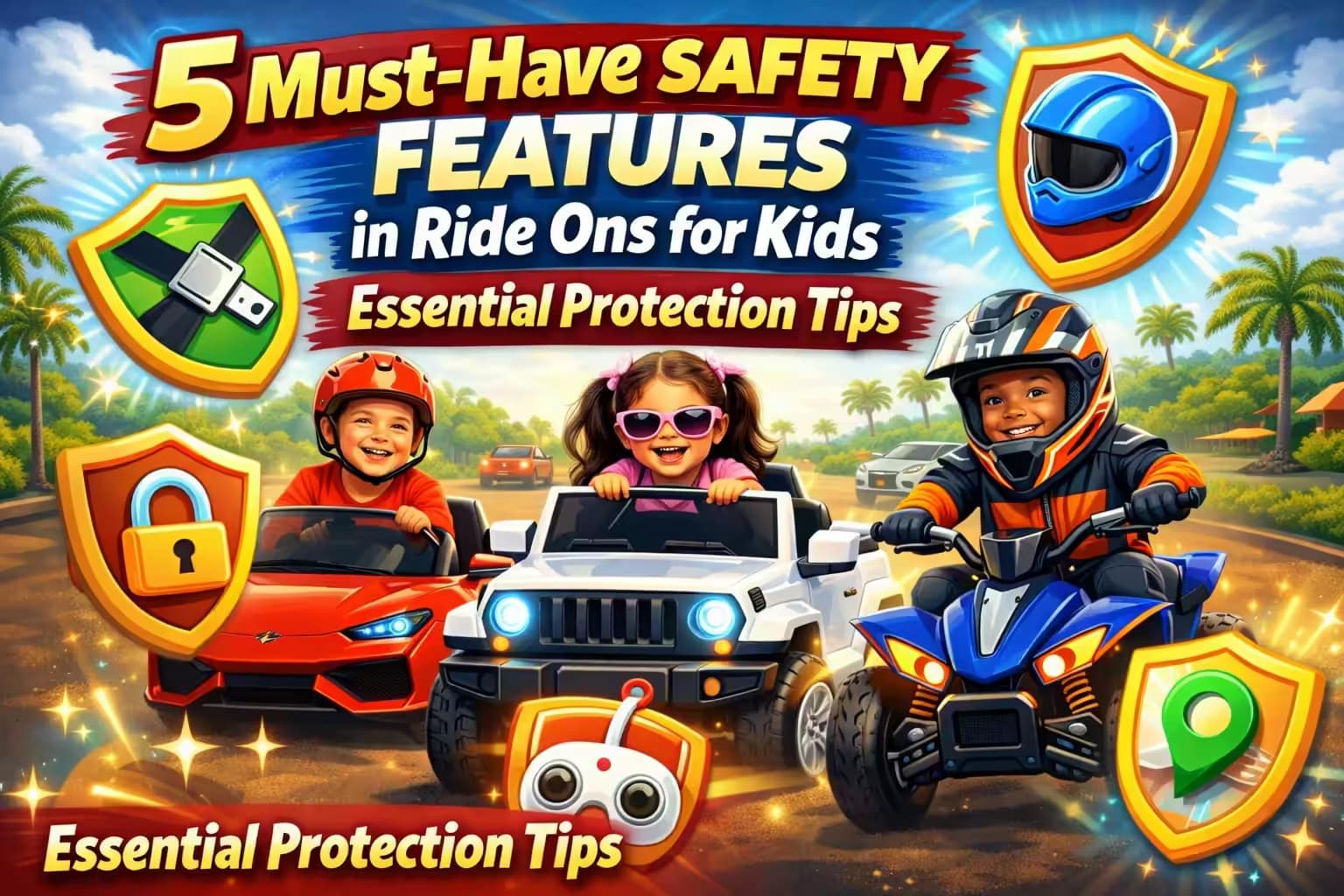
When it comes to choosing ride-ons for your kids, safety should always be your top priority. You want to make sure your child enjoys every moment without you constantly worrying about potential risks.
That’s why knowing the must-have safety features in ride-ons can make all the difference. You’ll discover five essential safety features that protect your little one while giving you peace of mind. Keep reading to find out what to look for so your child’s ride-on experience is as safe as it is fun!
Seatbelts And Harnesses
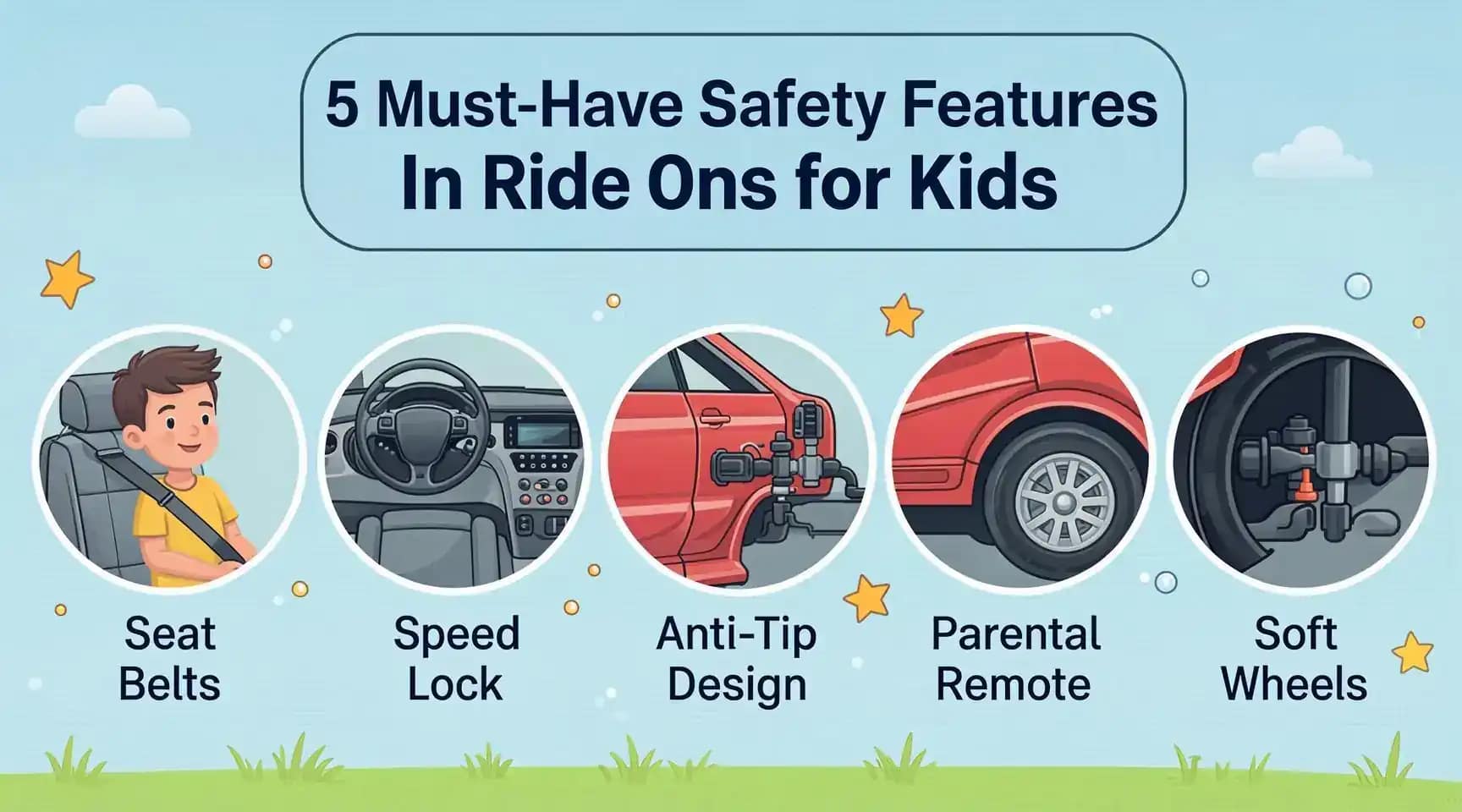
Seatbelts and harnesses are essential safety features in ride-on toys for children. They keep kids secure during play and prevent falls or sudden ejections. A properly designed seatbelt or harness can reduce injury risk and offer parents peace of mind.
Choosing the right type and ensuring a correct fit are key to maximizing safety. These straps must hold children firmly without causing discomfort. Understanding the options helps caregivers pick the best safety gear for their child’s ride-on.
Types Of Safety Straps
Common safety straps include lap belts, three-point harnesses, and five-point harnesses. Lap belts wrap around the child’s waist only. Three-point harnesses secure the waist and one shoulder. Five-point harnesses fasten over both shoulders, the waist, and between the legs. Five-point harnesses provide the highest security and limit movement best.
Proper Fit And Adjustment
Straps must fit snugly but not too tight. Loose straps allow children to slip out. Tight straps can cause discomfort or restrict breathing. Adjust straps to sit flat against the body without twists. Check and tighten straps before each ride. Regular adjustment ensures continued safety as children grow.
Sturdy Frame And Materials
A sturdy frame and quality materials form the backbone of any safe ride-on toy. These features ensure the toy stays solid during play and protects your child from harm. Choosing a ride-on with a strong build means it can handle bumps and rough use without breaking. This reduces the risk of accidents caused by broken parts or instability.
Using durable materials also means the ride-on will last longer. It stands up to daily wear and tear, keeping your child safe for many adventures ahead. A robust frame supports the entire structure, maintaining balance and preventing tipping. This stability is key to protecting kids as they learn to steer and control their ride.
Durability Of Ride-on Construction
Durability in ride-ons means the frame resists cracking and bending. Manufacturers often use thick plastic or metal to build the base and body. These materials hold shape even under heavy weight or rough play. Strong construction helps the ride-on keep steady on uneven surfaces.
Welded joints or reinforced screws add extra strength to the frame. This stops parts from loosening or falling apart over time. A durable ride-on reduces maintenance needs and keeps safety intact. Kids can enjoy their ride without parents worrying about sudden breaks.
Impact-resistant Components
Impact-resistant components absorb shocks from bumps and falls. These parts prevent damage to the ride-on and protect children during minor crashes. Manufacturers use rubber bumpers, thick plastic panels, and padded edges to soften impacts.
Such components also guard vital areas like wheels and steering mechanisms. This ensures the ride-on stays functional and safe even after rough use. Impact resistance lowers the chance of sharp edges or broken pieces harming your child. It makes the ride-on safer for active play both indoors and outdoors.
Speed Control Features
Speed control features in ride-ons help keep children safe while they enjoy their ride. These features allow parents to set limits on how fast the vehicle can go. Controlling speed reduces the risk of accidents and gives parents peace of mind.
Many ride-ons include options for parents to adjust speed easily. This makes it simple to match the child’s skill level and the riding environment. Safe speed control means fun without worry.
Maximum Speed Limits
Maximum speed limits cap how fast the ride-on can travel. Most models offer several speed settings. This allows parents to choose a slower speed for beginners. As the child gains confidence, the speed can be increased safely.
Setting a top speed keeps the ride-on from going too fast on rough or crowded areas. It helps prevent falls and collisions. Parents should always check the speed options before buying a ride-on.
Parental Remote Controls
Parental remote controls give adults full control over the ride-on’s speed and direction. Parents can slow down or stop the ride instantly if needed. This feature is especially useful for younger children or in busy places.
Remote controls also allow parents to guide the ride-on without letting go. This keeps kids safe while they learn to steer. Choosing a ride-on with a remote control adds an extra layer of safety.
Anti-tip And Stability Design
Anti-tip and stability design are essential safety features in ride-ons for kids. They help prevent accidents by keeping the toy from tipping over. These features offer children a safer and more enjoyable riding experience. A well-designed ride-on balances fun with safety, reducing the risk of falls and injuries.
Wide Wheelbase Benefits
A wide wheelbase spreads the ride-on’s weight over a larger area. This design lowers the chance of tipping sideways. It also improves balance, especially on uneven surfaces. Kids can ride more confidently, knowing their toy is steady. The wide base supports quick turns without losing control.
Low Center Of Gravity
Keeping the center of gravity low is key to stability. It means the heavy parts sit close to the ground. This setup makes the ride-on less likely to tip forward or backward. Children benefit from a smooth ride, even when accelerating or stopping suddenly. A low center of gravity also makes it easier to steer and maneuver safely.
Safety Sensors And Alerts
Safety sensors and alerts are essential for modern ride-ons designed for kids. These features help prevent accidents and keep children safe while they have fun. Sensors detect obstacles and alert the ride-on or the child to stop or slow down. Alerts notify parents or guardians about potential dangers instantly. This technology adds an extra layer of protection.
Obstacle Detection Systems
Obstacle detection systems use sensors to spot objects in the ride-on’s path. These sensors can detect walls, furniture, or even pets nearby. The system warns the child or automatically stops the ride-on to avoid collisions. This feature reduces the risk of bumps and falls during play. It is especially helpful in crowded or tight spaces.
Automatic Braking Mechanisms
Automatic braking mechanisms activate when the sensors detect an obstacle too close. This feature stops the ride-on without the child needing to react quickly. It prevents accidents caused by sudden stops or slow reactions. The brakes engage smoothly to keep the child stable. This smart safety feature gives parents peace of mind.

Helmet And Protective Gear
Wearing a helmet and protective gear is vital for kids riding on ride-ons. These items protect against head injuries and scrapes. They reduce the risk of serious harm during falls or collisions. Ensuring kids use the right safety equipment builds good habits. It also gives parents peace of mind while children enjoy their ride-ons.
Recommended Safety Equipment
Start with a well-fitting helmet designed for children. Look for helmets that meet safety standards like CPSC or ASTM. Along with helmets, use knee and elbow pads to shield joints. Wrist guards help prevent wrist injuries from falls. Gloves can protect hands from scrapes and blisters. Bright-colored gear improves visibility outdoors, adding extra safety.
Teaching Kids Proper Use
Show kids how to put on helmets and pads correctly. The helmet should sit level on the head and strap snugly. Pads must cover knees and elbows without slipping. Make wearing gear a fun routine before riding. Explain why safety gear is important in simple words. Praise kids when they remember to wear all protective items. Consistent teaching helps kids respect safety rules early.
Safe Riding Environment
Creating a safe riding environment is essential for children using ride-on toys. It helps prevent accidents and builds confidence. Parents and caregivers must focus on the surroundings as much as the toy itself.
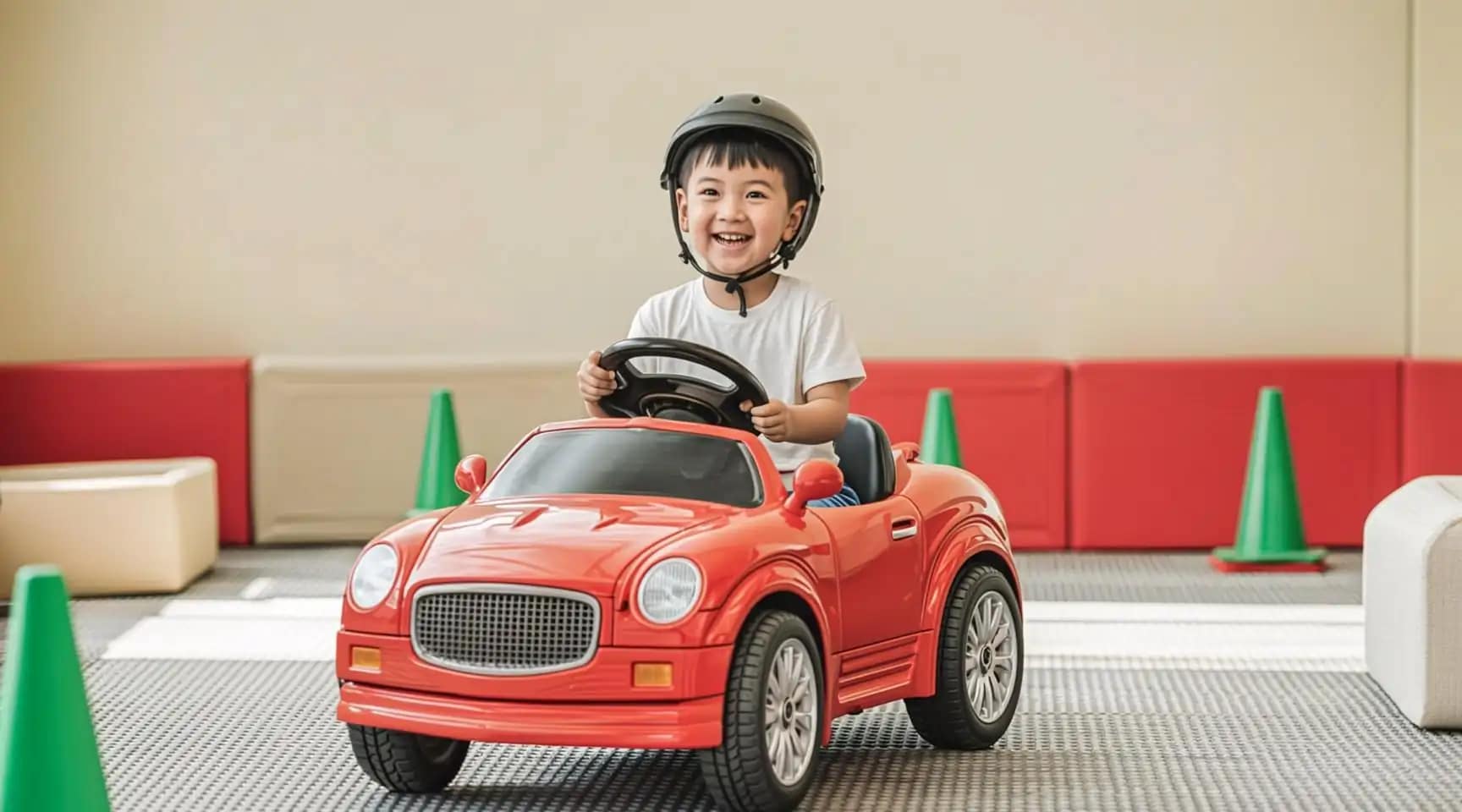
Ensuring safety starts with picking the right place to ride. The area should be free from hazards and distractions. This simple step reduces the risk of injuries and makes playtime more enjoyable.
Choosing Appropriate Play Areas
Select flat, smooth surfaces for ride-ons. Avoid busy streets, steep hills, or uneven ground. Driveways, parks, and playgrounds can be good choices if they are quiet and spacious. Make sure there are no sharp objects, water bodies, or heavy traffic nearby. Clear space helps kids focus on riding safely.
Supervision And Boundaries
Always watch children while they ride. Set clear boundaries where they can and cannot go. Use cones, ropes, or natural markers to define safe zones. This teaches kids limits and keeps them within sight. Supervision helps prevent accidents and allows quick help if needed.
Frequently Asked Questions
What Are The 5 C’s Of Safe Driving?
The 5 C’s of safe driving are Care, Caution, Consideration, Common Sense, and Courtesy. These guide attentive, respectful, and responsible driving behaviors.
What Are The Top 5 Safety Features In Cars?
The top 5 car safety features are seatbelts and airbags, anti-lock brakes with electronic stability control, automatic emergency braking with forward collision warning, blind spot monitoring with rear cross-traffic alert, and lane departure warning with lane keeping assist. These enhance crash protection and accident prevention.
What Are 10 Safety Rules For Children?
1. Learn emergency contacts and how to call for help. 2. Never talk to or go with strangers. 3. Avoid unsafe touch and report it immediately. 4. Stay away from fire, sharp objects, and electrical hazards. 5. Always look both ways before crossing streets.
6. Use crosswalks and obey traffic signals. 7. Play only in safe, supervised areas. 8. Wear helmets when biking or skating. 9. Never swim alone. 10. Tell a trusted adult about unsafe situations.
What Are 3/4 Main Characteristics That A Popular Toy Must Have?
A popular toy must be safe, engaging, and age-appropriate. It should spark creativity and be durable for long-term use.
What Are The Top Safety Features In Kids’ Ride-on Toys?
Key safety features include seat belts, speed limiters, sturdy construction, parental remote control, and anti-tip designs. These help keep children secure while playing.
Why Is A Seat Belt Important In A Ride-on For Kids?
Seat belts keep kids safely seated during rides and reduce injury risks from sudden stops or bumps. They add an essential layer of protection.
How Does Parental Remote Control Improve Ride-on Safety?
Remote controls let parents stop or steer the ride-on remotely, preventing accidents and ensuring better supervision. This feature increases peace of mind.
What Role Does Speed Control Play In Ride-on Safety?
Speed limiters prevent kids from going too fast, lowering the chance of falls or collisions. They keep the ride-on at a safe pace.
Why Choose Ride-ons With Anti-tip Designs?
Anti-tip features stabilize the ride-on and prevent it from flipping over. This reduces the risk of injuries during turns or uneven surfaces.
How Does Sturdy Construction Enhance Ride-on Safety?
Strong frames and quality materials protect kids in case of impacts. Durable design ensures the toy lasts and withstands rough use.
Conclusion
Choosing ride-ons with key safety features protects your child during play. Features like seatbelts, sturdy brakes, and stable design reduce risks. Sensors and alerts add extra layers of security. Always prioritize these elements to ensure fun and safe riding. Safe ride-ons help kids enjoy outdoor activities without worry.
Keep safety first for happy, confident little riders.
Add a Comment